
Thriving Greenery: Your Guide to Low Light Indoor Plants
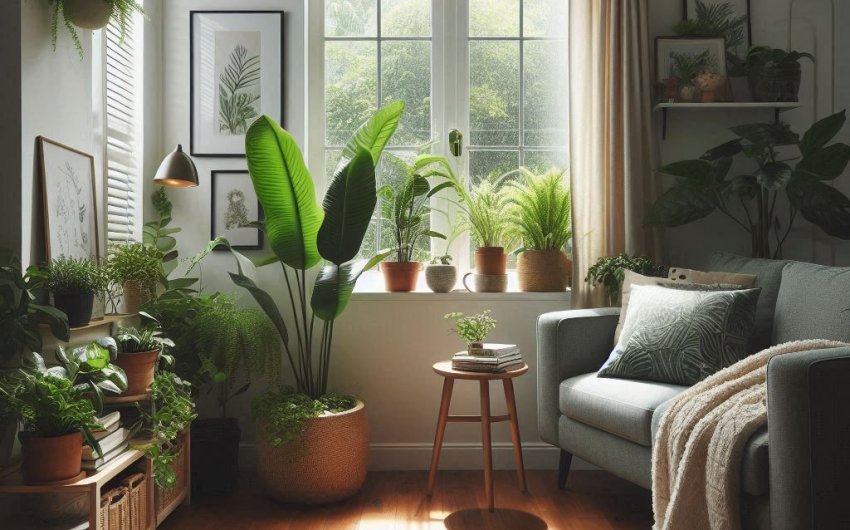
Low light indoor plants are resilient houseplants that can tolerate and even flourish in spaces with limited natural sunlight, making them perfect for rooms with north-facing windows, offices, or bathrooms. These adaptable plants allow you to bring greenery into almost any corner of your home, regardless of light conditions.
Why Are Low Light Indoor Plants So Popular?
The enduring popularity of low light indoor plants stems from their ability to bring life and beauty into less-than-ideal lighting conditions, making plant ownership accessible to almost anyone. They are the ideal solution for many common indoor environments.
Why Are These Plants Great for Beginners?
Many low light indoor plants are incredibly forgiving, making them perfect for those new to plant care or those with busy lifestyles.
- Tolerance to Neglect: Unlike high-maintenance plants that demand specific light or watering schedules, these plants often tolerate a bit of forgetfulness. They won't immediately throw a fit if you miss a watering or if the light isn't absolutely perfect.
- Adaptability: They can adapt to a wider range of indoor conditions, meaning less stress about finding the "perfect" spot.
- Slower Growth: Generally, low light plants grow slower, which means less frequent repotting and pruning. This makes them easier to manage long-term.
- Resilience: They are often less susceptible to common indoor plant pests and diseases, which can be a huge relief for new plant parents.
How Can Low Light Plants Improve Your Home Environment?
Beyond their aesthetic appeal, low light indoor plants offer tangible benefits for your living space.
- Air Purification: Many houseplants, including low light varieties, are known to filter toxins from the air. Plants like Peace Lilies and Snake Plants are excellent at removing common household pollutants, contributing to healthier indoor air quality.
- Stress Reduction: Studies have shown that being around plants can lower stress levels, improve mood, and even boost productivity. Bringing nature indoors creates a calming and soothing atmosphere.
- Aesthetic Enhancement: Plants instantly add warmth, texture, and a touch of nature to any room. They can fill empty corners, soften harsh lines, and make a space feel more inviting and complete. Even in dimly lit areas, their lush green foliage provides a welcome pop of color.
- Increased Humidity: Plants release moisture into the air through transpiration, slightly increasing humidity levels. This can be beneficial in dry indoor environments, especially during winter months when heating systems dry out the air.
Where Can You Place Low Light Plants in Your Home?
The beauty of low light indoor plants is their versatility. They thrive in areas where other plants would struggle.
- North-Facing Rooms: These rooms receive indirect light all day and are perfect for most low light varieties.
- Bathrooms: Often high in humidity but low in light, many of these plants will flourish.
- Offices or Cubicles: Brighten up your workspace without needing a window seat.
- Hallways and Entryways: Add a welcoming touch to these often overlooked, darker spaces.
- Corners Away from Windows: Fill in those empty spots in your living room or bedroom that don't get direct sun.
- Shelves or Bookcases: Many smaller low light plants are perfect for adding greenery to elevated surfaces.
What Defines "Low Light" for Indoor Plants?
Understanding what "low light" truly means for plants is crucial for their success. It's not about total darkness, but rather an absence of direct, intense sunlight.
What Does "Low Light" Actually Mean?
"Low light" for indoor plants refers to an area that does not receive direct sun exposure, but still has ambient light. This can mean:
- North-Facing Window: Receives consistent, indirect light throughout the day.
- Several Feet Away from an East or West-Facing Window: The light is filtered and dispersed by the time it reaches the plant.
- An Interior Room: A room with windows, but the plant is placed far from them, relying on the overall brightness of the room.
- Artificial Light Only: In some cases, low light can mean reliance solely on ambient room lighting or minimal artificial light (like a desk lamp).
It's important to differentiate "low light" from "no light." While some plants can tolerate very dim conditions, no plant can survive indefinitely in total darkness. They still need some light for photosynthesis.
How Can You Measure Light Levels at Home?
While you don't need fancy equipment, understanding light qualitatively helps.
- The Hand Test: Place your hand over a surface where you plan to put a plant. If you can see a distinct, strong shadow, it's bright light. If the shadow is soft and fuzzy, it's medium light. If there's barely a shadow, it's low light.
- Window Orientation: As mentioned, north-facing windows provide the least direct light. East and west provide morning/afternoon sun respectively, while south-facing windows offer the most intense direct light.
- Foot-Candle Meters/Apps: For more precision, you can use a light meter (available at garden stores or as smartphone apps) to measure foot-candles (fc).
- Low Light: Generally 25-100 fc (enough to read a book comfortably).
- Medium Light: 100-250 fc.
- Bright Light: 250+ fc.
How Do Plants Adapt to Low Light?
Low light indoor plants have evolved clever strategies to thrive in dim conditions, often mimicking their natural habitat on forest floors where light is filtered through dense tree canopies.
- Larger Leaf Surface Area: Many have larger leaves to maximize the capture of the limited available light.
- Darker Green Foliage: The darker green color indicates a higher concentration of chlorophyll, the pigment that absorbs light for photosynthesis.
- Lower Metabolic Rate: They grow slower, requiring less energy and therefore less light to sustain themselves.
- Efficient Light Absorption: Their cells are highly efficient at utilizing the light they do receive.
What Are the Best Low Light Indoor Plants?
Ready to add some greenery to those shady spots? Here's a detailed look at some of the most reliable and popular low light indoor plants.
1. Snake Plant (Sansevieria trifasciata)
The Snake Plant, also known as Mother-in-Law's Tongue, is virtually indestructible and an excellent choice for beginners.
- Light: Thrives in low light, but can also tolerate bright indirect light. Avoid direct sun.
- Watering: Very drought-tolerant. Allow soil to dry out completely between waterings. Overwatering is the most common killer.
- Features: Upright, sword-like leaves that come in various shades of green, often with yellow or white margins. Excellent air purifier.
- Care Tip: Water even less frequently in winter.
- A classic choice is the Snake Plant Laurentii.
2. ZZ Plant (Zamioculcas zamiifolia)
The ZZ Plant is another almost bulletproof option, known for its glossy, dark green leaves and incredible drought tolerance.
- Light: Excels in low light, but also does well in moderate indirect light.
- Watering: Water sparingly. It stores water in its thick rhizomes (underground stems). Let the soil dry out completely, then wait a bit longer before watering again.
- Features: Upright growth, thick, waxy leaves. Extremely resistant to neglect.
- Care Tip: If leaves turn yellow, you are likely overwatering.
- Find a ZZ Plant Raven for a unique darker hue.
3. Pothos (Epipremnum aureum)
Pothos, or Devil's Ivy, is a vining plant that is incredibly adaptable and easy to care for.
- Light: Tolerates low light, but thrives and produces more vibrant variegation in medium to bright indirect light.
- Watering: Allow the top 2-3 inches (5-7 cm) of soil to dry out between waterings.
- Features: Heart-shaped leaves that trail beautifully from shelves or hanging baskets. Comes in various variegations (e.g., Marble Queen, Neon, Golden).
- Care Tip: If leaves are yellowing, you might be overwatering; if browning, likely underwatering.
- A popular choice is the Golden Pothos.
4. Peace Lily (Spathiphyllum)
The Peace Lily is not only tolerant of low light but also produces beautiful white, flag-like flowers (modified leaves, actually).
- Light: Prefers low to medium indirect light. Direct sun will scorch its leaves.
- Watering: Keep soil consistently moist but not soggy. It will dramatically droop when thirsty, perking up quickly after watering.
- Features: Dark green, glossy leaves and elegant white "flowers." Excellent air purifier.
- Care Tip: Use filtered or distilled water if your tap water contains high levels of chlorine or fluoride, which can cause leaf tip browning.
- Find a classic Peace Lily Plant.
5. Spider Plant (Chlorophytum comosum)
Spider Plants are beloved for their arching, variegated leaves and their ability to produce "spiderettes" (baby plants) that dangle from the mother plant.
- Light: Prefers moderate to low indirect light. Direct sun can scorch leaves.
- Watering: Keep soil consistently moist but allow the top inch or two to dry out between waterings.
- Features: Long, narrow, arching leaves, often with a white or cream stripe. Easy to propagate from spiderettes.
- Care Tip: Brown leaf tips can indicate fluoride in tap water or low humidity.
- Get your own Variegated Spider Plant.
6. Cast Iron Plant (Aspidistra elatior)
True to its name, the Cast Iron Plant is incredibly tough and can withstand significant neglect and very low light conditions.
- Light: Thrives in very low light. Can tolerate conditions that would kill most other plants.
- Watering: Allow soil to dry out almost completely between waterings. Drought-tolerant.
- Features: Long, dark green, leathery leaves. Slow-growing but incredibly resilient.
- Care Tip: Less is more with watering. It prefers to be slightly underwatered than overwatered.
7. Chinese Evergreen (Aglaonema)
Chinese Evergreens are stunning plants with a wide variety of colorful and patterned foliage, and they are very forgiving of low light.
- Light: Tolerates low light, but variegated varieties will show more color in medium to bright indirect light.
- Watering: Keep soil consistently moist, allowing the top inch to dry out between waterings.
- Features: Oval-shaped leaves with beautiful patterns in shades of green, silver, red, or pink. Very attractive.
- Care Tip: Avoid cold drafts.
- Discover the beauty of a Red Aglaonema.
8. Philodendron (Heartleaf Philodendron - Philodendron hederaceum)
The Heartleaf Philodendron is a classic trailing plant, very similar to Pothos in care and appearance.
- Light: Thrives in low to moderate indirect light.
- Watering: Water when the top inch or two of soil feels dry.
- Features: Glossy, heart-shaped green leaves on long, vining stems. Easy to propagate.
- Care Tip: Prune to encourage bushier growth.
- A lovely addition is the Heartleaf Philodendron.
9. Lucky Bamboo (Dracaena sanderiana)
Often seen in decorative arrangements, Lucky Bamboo is not a true bamboo but a type of Dracaena that thrives in water or soil with minimal light.
- Light: Prefers low to medium indirect light. Direct sun can scorch the leaves.
- Watering: If grown in water, keep roots submerged and change water weekly. If in soil, keep consistently moist.
- Features: Segmented stems that can be trained into various shapes. Symbolizes good fortune.
- Care Tip: Use filtered or distilled water, as it's sensitive to chlorine and fluoride.
- Find some Lucky Bamboo Stalks.
10. Dracaena (various species like Dracaena fragrans 'Massangeana' or Dracaena deremensis)
Many Dracaena varieties are excellent choices for low light, adding a tropical touch with their striking foliage.
- Light: Tolerates low to medium indirect light. Direct sun can burn leaves.
- Watering: Allow the top few inches of soil to dry out between waterings. They don't like soggy feet.
- Features: Come in various forms, from cane-like trunks with leafy tops (e.g., Corn Plant) to bushier forms with variegated leaves.
- Care Tip: Also sensitive to fluoride in tap water, which can cause brown tips.
- Consider a beautiful Dracaena Corn Plant.
How Do You Care for Low Light Indoor Plants?
While they are forgiving, low light indoor plants still need proper care to thrive. Understanding their specific needs for water, soil, and occasional feeding will ensure their longevity.
How Often Should You Water Your Low Light Plants?
Watering is crucial for any plant, and it's where many new plant owners make mistakes, especially with low light varieties.
- Less Frequent Watering: Plants in low light use less water than those in bright light because their metabolic rate is slower. Overwatering is the number one killer of low light plants, leading to root rot.
- Check the Soil: The best method is to feel the soil. Stick your finger 1-2 inches (2.5-5 cm) into the soil. If it feels dry, it's time to water. If it's still damp, wait.
- Water Thoroughly: When you do water, water deeply until water drains from the bottom of the pot. This ensures the entire root ball is moistened.
- Empty Saucers: Always empty any excess water from the drainage saucer after about 15-30 minutes. Leaving roots sitting in water will lead to rot.
- Adjust Seasonally: Reduce watering frequency in fall and winter when light levels are even lower and plant growth slows down significantly.
What Kind of Soil and Pots Do Low Light Plants Need?
- Well-Draining Potting Mix: Use a good quality, well-draining potting mix specifically formulated for houseplants. A mix that contains perlite or vermiculite helps with drainage and aeration. Avoid heavy garden soil.
- Drainage Holes are Essential: Always use pots with drainage holes at the bottom. This is non-negotiable for preventing root rot. If you love a decorative pot without holes, use it as a cachepot (a decorative outer pot) and keep your plant in a nursery pot with drainage inside.
- Material:
- Terracotta pots are porous and allow soil to dry out faster, which can be good for plants prone to overwatering.
- Plastic pots retain moisture longer, which can be useful for plants that prefer more consistent dampness.
- For a reliable choice, consider Miracle-Gro Potting Mix.
Do Low Light Plants Need Fertilizer?
Because they grow slower, low light indoor plants generally need less fertilizer than their sun-loving counterparts.
- Less is More: Too much fertilizer can burn the roots.
- Diluted Solution: If you choose to fertilize, use a balanced liquid houseplant fertilizer (e.g., 5-5-5 or 10-10-10 NPK ratio) at half or quarter strength.
- Frequency: Fertilize only during the active growing season (spring and summer), typically once every 2-4 weeks. Stop fertilizing completely in fall and winter.
- A gentle option is Schultz All-Purpose Plant Food.
How Do You Manage Pests and Diseases?
Even tough low light plants can sometimes encounter pests or diseases.
- Common Pests:
- Spider Mites: Tiny, often hard-to-see pests that cause stippling on leaves and fine webbing.
- Mealybugs: Small, white, cottony masses found in leaf axils or on stems.
- Fungus Gnats: Small, black flies that buzz around the soil, usually indicating overwatering.
- Prevention: Inspect new plants before bringing them home. Ensure good air circulation. Don't overwater.
- Treatment:
- Wipe Leaves: For minor infestations, wipe leaves with a damp cloth or spray with a strong stream of water.
- Insecticidal Soap/Neem Oil: For more serious issues, use an organic insecticidal soap or neem oil spray, following product instructions. Garden Safe Insecticidal Soap is effective.
- Sticky Traps: Yellow sticky traps can help control adult fungus gnats.
- Diseases: Root rot (from overwatering) is the most common. Ensure proper drainage and avoid soggy soil.
When Should You Repot Low Light Indoor Plants?
- Slower Growth, Less Repotting: Due to their slower growth rate, low light indoor plants generally need repotting less frequently than fast-growing, sun-loving plants.
- Signs You Need to Repot:
- Roots growing out of the drainage holes.
- Plant becoming top-heavy and unstable.
- Water runs straight through the pot without soaking in.
- Growth has visibly slowed down or stopped.
- Timing: Repot in spring or early summer when the plant is actively growing.
- Size: Go up only one pot size (e.g., from a 6-inch to an 8-inch pot) to avoid overwhelming the plant with too much soil, which can lead to overwatering.
Troubleshooting Common Problems with Low Light Indoor Plants
Even hardy plants can have issues. Knowing how to diagnose and fix them will help your low light indoor plants thrive.
Why Are My Plant Leaves Turning Yellow?
Yellowing leaves are a common sign of distress, often pointing to watering issues.
- Overwatering: This is the most common culprit for low light plants. Excess water drowns roots, preventing oxygen absorption. Leaves yellow and may feel mushy.
- Underwatering: If the soil is bone dry and leaves are crispy or drooping, your plant needs water.
- Nutrient Deficiency: While less common, a lack of essential nutrients can cause yellowing, especially in older leaves.
- Normal Aging: Lower, older leaves may naturally yellow and drop off as the plant grows.
Why Are My Plant Leaves Turning Brown?
Browning leaves, especially at the tips or edges, can indicate several problems.
- Low Humidity: Many tropical plants prefer higher humidity than typical indoor environments provide.
- Underwatering: Persistent drought can cause leaves to dry out and turn brown.
- Chemical Burn: Over-fertilization or sensitivity to chemicals in tap water (like fluoride or chlorine) can lead to brown tips.
- Direct Sunlight: While they are low light plants, a sudden or prolonged exposure to direct, intense sun can burn and brown their leaves.
Why Is My Plant Becoming Leggy or Spindly?
Leggy growth (long, stretched-out stems with sparse leaves) indicates insufficient light.
- Solution: While these are low light plants, they still need some light. Move your plant to a slightly brighter location, perhaps closer to a window, but still out of direct sun. If natural light is truly limited, consider supplementing with a small grow light for a few hours a day.
Why Are My Plants Not Growing?
If your low light indoor plants seem stagnant, consider these factors:
- Insufficient Light: This is the primary reason for slow or no growth. They need some light for photosynthesis.
- Lack of Nutrients: If the plant has been in the same pot for a long time and hasn't been fertilized, it might be depleted of nutrients.
- Temperature: Too cold conditions can slow down growth. Most houseplants prefer temperatures between 65-75°F (18-24°C).
- Root Bound: The plant might have outgrown its pot, and its roots are too crowded.
- Dormancy: Many plants naturally slow or stop growth in fall and winter.
What Should I Do If I See Pests?
Early detection is key!
- Isolate: Immediately move the affected plant away from other plants to prevent spread.
- Identify: Try to identify the pest (spider mites, mealybugs, aphids, fungus gnats).
- Treatment:
- Wipe/Spray: For most soft-bodied pests, a strong spray of water can dislodge them. You can also wipe them off with a cotton swab dipped in rubbing alcohol.
- Insecticidal Soap/Neem Oil: Follow instructions on an organic insecticidal soap or neem oil product. Repeat applications are often necessary.
- Address Cause: For fungus gnats, reduce watering frequency and ensure good drainage.
With a little attention to their specific needs, low light indoor plants can transform even the dimmest corners of your home into vibrant, green havens. They prove that you don't need abundant sunlight to cultivate a thriving indoor jungle.