
Can I Grow Mulberry Plants in Containers?
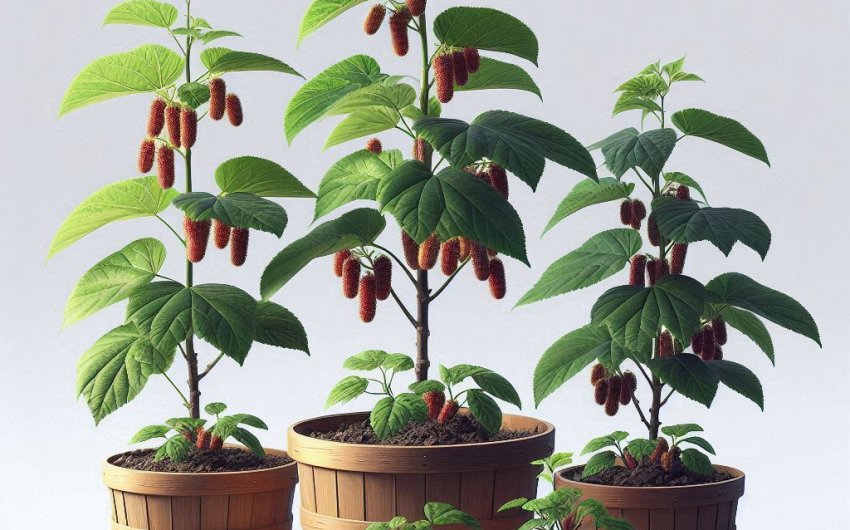
Mulberries are delicious, sweet berries that many people enjoy eating fresh, dried, or in various dishes such as pies, jams, and smoothies. While mulberry trees are often associated with sprawling landscapes and spacious gardens, many gardening enthusiasts wonder if it's possible to grow these plants in containers. The answer is a resounding yes! With the right care, container gardening allows you to enjoy the beauty and bountiful harvest of mulberries, even in limited spaces like balconies, patios, or small urban gardens.
This article will guide you through everything you need to know about successfully growing mulberry plants in containers, including choosing the right variety, container size, soil requirements, watering, and fertilizing.
1. Choosing the Right Mulberry Variety for Container Gardening
While mulberry trees are known to grow quite large when planted directly in the ground, several dwarf and compact varieties are perfectly suited for container gardening. Choosing the right variety is the first and most critical step toward success.
Here are a few varieties that thrive in containers:
- Dwarf Everbearing Mulberry: As the name suggests, this variety is compact and well-suited for pots. It produces fruit multiple times throughout the year and remains relatively small, typically growing to about 6-8 feet tall.
- Issai Mulberry: This is another dwarf variety that produces medium-sized, sweet berries. It’s perfect for containers and only grows up to 6 feet tall, making it manageable for small spaces.
- Gerardi Dwarf Mulberry: Known for its dwarf stature and sweet berries, the Gerardi Dwarf variety grows slowly and reaches a height of 6-10 feet, making it an ideal candidate for container growth.
You can start your container gardening journey by investing in a Dwarf Mulberry Tree, which is easy to manage in small spaces and yields plenty of fruit for fresh eating or culinary uses.
2. Selecting the Best Container for Mulberry Plants
Choosing the right container for your mulberry plant is essential for its growth and productivity. Mulberries have extensive root systems, so it’s important to provide them with a pot that allows for adequate root development while offering enough drainage to prevent root rot.
Here are the key factors to consider when choosing a container:
- Size: Mulberry plants need large containers to support their root systems. For a dwarf variety, a container that is at least 18-24 inches in diameter and 18 inches deep should suffice. If you have a larger mulberry variety, go for a Large Plant Pot that offers ample space for the roots to grow.
- Material: Containers made from terracotta, plastic, or fiberglass are all good options. Terracotta pots are breathable, but they tend to dry out more quickly. Plastic and fiberglass containers retain moisture better but may not provide as much air circulation.
- Drainage: Mulberry trees dislike waterlogged soil, so ensure that your container has several drainage holes at the bottom. You can also place a layer of Drainage Pebbles at the base of the pot to improve drainage.
Once you’ve selected the right container, you’re ready to move on to preparing the perfect soil mix for your mulberry plant.
3. Soil Requirements for Mulberries in Containers
Mulberries grow best in fertile, well-drained soil that provides plenty of nutrients and allows the roots to breathe. When planting mulberries in containers, it's important to choose or create a soil mix that supports healthy growth while maintaining proper moisture balance.
Here’s what you need to know about the best soil for mulberries:
- Loamy Soil: A loamy soil mixture with a combination of sand, silt, and organic matter is ideal for container-grown mulberries. Loamy soils provide excellent drainage while retaining sufficient moisture.
- Compost or Organic Matter: Adding Compost or coconut coir to your potting mix will enhance the soil’s fertility and moisture retention. Organic matter breaks down over time and feeds the plant, ensuring healthy growth.
- Perlite or Vermiculite: Including Perlite or vermiculite in the soil mix helps improve aeration and prevents soil compaction, which is critical for container gardening. These materials ensure that the roots have enough air circulation while preventing the soil from becoming too dense.
For a pre-made potting mix that works well for mulberries, consider a Premium Potting Mix specifically designed for fruiting plants.
4. Watering Your Mulberry Plant
Watering is an essential part of caring for your container-grown mulberry plant. Since containers dry out faster than in-ground planting, you’ll need to be diligent about watering while ensuring you don’t overwater, which can lead to root rot.
Here are the key watering tips for mulberries in containers:
- Regular but Moderate Watering: Water your mulberry plant regularly, especially during the growing and fruiting seasons. The soil should be kept evenly moist but not soggy. Use a Watering Can with a Long Spout to water around the base of the plant.
- Check Soil Moisture: Before watering, check the top inch of soil to see if it’s dry. If the soil is still moist, wait a day or two before watering again. Overwatering can lead to waterlogged roots, which can stunt growth or kill the plant.
- Seasonal Watering: During the warmer months, you may need to water more frequently, as containers dry out faster in the heat. Conversely, reduce watering during the winter when the plant goes dormant.
Consider using a Soil Moisture Meter to monitor soil conditions and ensure that your plant is getting the right amount of water at all times.
5. Fertilizing Mulberry Plants in Containers
Container-grown mulberries need regular feeding to replenish nutrients in the confined soil environment. Fertilizing ensures your mulberry plant grows healthy, produces abundant leaves, and yields high-quality fruit.
Here’s how to fertilize your container-grown mulberry plant:
- Balanced Fertilizer: Use a Balanced Fertilizer that contains nitrogen (N), phosphorus (P), and potassium (K). This will promote healthy root development, vigorous leaf growth, and strong fruit production. Look for a fertilizer with a ratio such as 10-10-10 or 20-20-20.
- Slow-Release Fertilizer: For consistent nutrient supply, incorporate a Slow-Release Fertilizer into the soil at planting time. These fertilizers slowly break down over time, providing steady nourishment to the plant.
- Fertilizing Frequency: Fertilize your mulberry plant every 4-6 weeks during the growing season (spring through summer). Cut back on fertilizing in the fall and stop altogether in the winter, when the plant enters dormancy.
With the right fertilizer, your mulberry tree will grow strong and produce a plentiful crop of sweet berries that you can enjoy fresh or incorporate into your favorite recipes.
6. Sunlight Requirements for Mulberry Plants in Containers
Mulberries thrive in full sunlight and need plenty of direct light to produce abundant, sweet fruit. When growing mulberry plants in containers, you have the flexibility to move the plant around to find the sunniest spot, ensuring it gets enough light.
Here are some tips for providing the right amount of sunlight:
- Full Sun: Place your mulberry plant in a location where it can receive at least 6-8 hours of direct sunlight each day. The more sunlight your plant gets, the healthier it will grow and the better your fruit yield will be.
- Rotate the Plant: To ensure even growth, periodically rotate your container-grown mulberry tree so that all sides receive adequate sunlight.
- Grow Lights for Indoors: If you’re growing your mulberry plant indoors or in a shaded area, you may need to use Full Spectrum Grow Lights to supplement natural sunlight. This will promote growth and fruiting even in low-light conditions.
For more tips on optimizing your mulberry plant's growing conditions, check out our guide on Mulberry Magic: A Sweet and Juicy Summer Treat.
7. Pruning and Maintenance for Container Mulberry Plants
Pruning is crucial for managing the size of your mulberry plant when grown in containers. Regular pruning helps shape the tree, encourages healthy growth, and prevents it from becoming too large for its container.
Follow these pruning tips for your container-grown mulberry tree:
- Prune in Late Winter: The best time to prune mulberry trees is in late winter or early spring before new growth begins. Use Pruning Shears to cut away any dead, diseased, or damaged branches.
- Shaping the Tree: Prune your mulberry tree to maintain a balanced, bushy shape. This helps prevent it from growing too tall and ensures it stays manageable in a container.
- Remove Suckers: Mulberry trees often produce suckers at the base of the plant. Remove these as soon as they appear to prevent them from taking away nutrients from the main plant.
By keeping your mulberry tree pruned and well-maintained, you can enjoy a healthy, fruit-bearing tree that fits perfectly in your container garden.
8. Pests and Diseases to Watch Out For
While mulberry plants are relatively hardy, they are still susceptible to certain pests and diseases, especially when grown in containers. Keeping an eye out for these common problems can help you protect your plant and ensure a successful harvest.
Common pests and diseases include:
- Aphids: Aphids are small insects that suck the sap from leaves, causing them to curl and distort. To control aphids, use a Neem Oil Spray or insecticidal soap.
- Spider Mites: These tiny pests thrive in hot, dry conditions and can cause leaf damage. Mist the plant regularly to maintain humidity and use Spider Mite Control to keep infestations in check.
- Powdery Mildew: Powdery mildew appears as a white, powdery coating on leaves. It can be controlled with a Fungicide Spray and by ensuring proper air circulation around the plant.
Regularly inspect your mulberry plant for signs of pests or diseases and act quickly to treat any issues that arise. Proper care and maintenance will keep your plant healthy and productive.
9. Harvesting Mulberries from Container Plants
The joy of growing your own mulberries in containers is the ability to harvest fresh, juicy berries right at home. Mulberries typically ripen in the late spring to early summer, and you can expect a harvest every year once the plant matures.
Here’s how to know when your mulberries are ready for picking:
- Color Change: Mulberries ripen from green to red and then to a deep purple-black color. When the berries are fully dark and plump, they are ready to be harvested.
- Taste Test: Mulberries should taste sweet when fully ripe. If the berry is still sour, give it more time on the plant to ripen.
- Easy to Pick: Ripe mulberries will easily detach from the tree when gently tugged. You can also shake the branches lightly, allowing the ripe berries to fall onto a Harvesting Tarp or sheet placed beneath the tree.
Freshly picked mulberries can be enjoyed immediately or used in a variety of dishes, including jams, desserts, and smoothies.