
How Do I Know When My Papayas Are Ripe and Ready to Harvest?
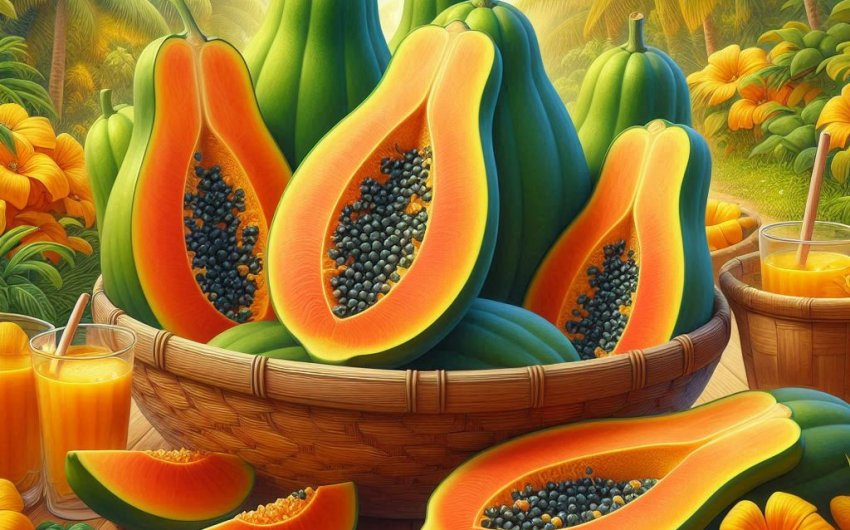
Papayas, with their sweet flavor and vibrant color, are a tropical treat that many home gardeners enjoy growing. Whether you have a sprawling garden or a few potted papaya plants, knowing the perfect moment to harvest them is essential to ensure maximum sweetness and flavor. Unlike some fruits, papayas do not continue to ripen once picked, so timing is key to getting the most out of your crop.
This comprehensive guide will help you determine the best time to harvest your papayas, covering factors such as color, texture, size, and fragrance, along with helpful tips on post-harvest care and handling.
1. Observing the Color Changes
One of the first and most obvious signs of a ripening papaya is the change in skin color. As papayas mature, they transition from green to shades of yellow, orange, or reddish-orange, depending on the variety. The color shift typically begins at the base of the fruit and spreads upward, covering about 20-50% of the surface when the papaya is ready for picking.
Here are a few color-related tips for harvesting:
- Green Papayas: Immature papayas are usually deep green and are not suitable for immediate consumption as a fruit. However, Green Papayas can be harvested for use in salads or stews if you're aiming for a more savory dish.
- Yellow and Orange Papayas: As the papaya ripens, the skin turns yellow or orange. When about 50-80% of the fruit’s skin has changed color, it’s typically a good indicator that your papaya is ready to harvest.
- Fully Yellow Papayas: If the fruit has turned completely yellow, it’s likely fully ripe and should be harvested immediately to avoid overripening on the tree.
Regularly checking the color of your papayas is an excellent way to monitor their ripening process and ensure you pick them at the peak of sweetness.
2. Testing the Fruit's Texture
While color is an essential sign of ripeness, the texture of the papaya is equally important. A ripe papaya will become slightly softer to the touch, but it should not be mushy. Press gently on the skin with your thumb; if the papaya yields slightly without feeling too soft, it's ready to harvest.
Here’s how to test the texture of a papaya:
- Firm but Slightly Soft: The ideal papaya is firm but gives slightly when pressed. A Fruit Ripeness Tester can also be used to measure the exact firmness of the fruit if you're unsure.
- Mushy or Overripe: If the papaya feels too soft or mushy, it may be overripe. These papayas are still edible but may have a more intense flavor or become overly sweet. Such fruits are ideal for making smoothies, jams, or desserts.
By regularly checking the firmness of your papayas, you can pinpoint the perfect moment to pick them and enjoy their ideal texture and flavor.
3. Size as an Indicator of Maturity
The size of a papaya can also give clues about its readiness for harvest. Papayas grow to their full size before beginning the ripening process, so a large, well-developed fruit is often a good sign that it will ripen soon. Depending on the variety, most papayas will grow between 6-20 inches in length.
Here’s what to look for in terms of size:
- Full Size but Still Green: If your papaya has reached its maximum size but is still green, it may need more time to ripen. You can continue monitoring the color and texture over the next few days.
- Large and Yellowing: Once the papaya reaches its mature size and starts changing color, it’s getting close to harvest time.
For larger varieties, such as the Red Lady Papaya, waiting until the fruit has reached its full potential size and shows yellowing skin is a good practice. Smaller varieties may ripen more quickly, so size combined with other ripeness indicators will be your best guide.
4. The Role of Fragrance in Determining Ripeness
Ripe papayas emit a sweet, tropical fragrance that is hard to miss. If you walk by your papaya tree and notice a distinct, fruity aroma, it’s often a good sign that your papayas are ready to be picked.
Here’s what to watch for:
- Sweet and Fruity Scent: A ripe papaya will have a fragrant smell that signals its ripeness. If you detect a strong fruity scent, it’s a good time to check the color and texture of the fruit as well.
- Unripe Papayas: If the fruit still smells green or has little to no scent, it is likely not yet ripe, even if the color is starting to change.
Use your sense of smell as a final confirmation before harvesting your papayas, especially if you're unsure about other signs like color or texture.
5. Timing and Weather Considerations for Harvesting
Weather conditions and the time of year can impact when your papayas are ready for harvest. Papayas are tropical plants that thrive in warm, sunny climates, but they can still be grown in cooler regions with the right care.
Here are some weather-related factors to consider:
- Warm and Sunny Climates: In hot and humid environments, papayas may ripen more quickly, and you can expect to harvest them around 5-8 months after flowering, depending on the variety.
- Cooler Climates: In cooler or temperate climates, papayas may take longer to ripen. Pay close attention to the color and texture as the season changes.
- Protection from Cold: If you live in an area prone to frost or cold weather, consider using a Frost Protection Cover for your papaya tree. Colder temperatures can stunt ripening and lead to damage.
By understanding your local climate and adjusting your harvesting schedule accordingly, you’ll be able to maximize the quality of your papaya harvest.
6. Post-Harvest Ripening and Storage
Once you’ve harvested your papayas, they can continue to ripen slightly off the tree if they are not fully yellow. However, papayas will not sweeten much after being picked, so it’s crucial to harvest them when they are mostly ripe.
Here are some tips for post-harvest care:
- Allowing Papayas to Ripen Indoors: If you harvest a papaya that is still partially green, place it in a warm area indoors to allow it to finish ripening. You can speed up the process by placing the fruit in a paper bag with a Ripe Banana, which releases ethylene gas that helps the papaya ripen faster.
- Storing Ripe Papayas: Fully ripe papayas should be stored in the refrigerator to slow down the ripening process and extend their freshness. A ripe papaya can last up to a week when properly stored in a cool, dry place.
By handling your papayas carefully after harvesting, you can enjoy their delicious flavor for an extended period and ensure they are consumed at their peak.
7. The Lifespan of Papaya Trees and Their Fruit Production Cycle
Understanding the lifecycle of your papaya tree can help you predict when to expect fruit and how frequently you can harvest. Papaya trees grow rapidly and typically begin producing fruit 6-12 months after planting. A healthy papaya tree can continue producing fruit year-round in tropical climates.
Here’s a breakdown of the typical papaya fruiting cycle:
- Flowering: Papayas begin to flower about 4-6 months after planting. From the time the flowers appear, it takes another 5-8 months for the fruit to mature and ripen.
- Continuous Production: In optimal conditions, papaya trees produce fruit continuously, giving you multiple harvests throughout the year. As long as the tree receives enough sunlight, water, and nutrients, it will keep producing fruits.
Regularly checking your papaya trees and applying the right care practices will ensure that you enjoy fresh papayas for many seasons to come.
8. Common Issues and Troubleshooting for Papaya Ripening
Despite your best efforts, there are times when papayas may fail to ripen properly or exhibit signs of damage. Here are some common issues and how to address them:
- Overripe Papayas: If your papaya is fully yellow or orange but becomes overly soft or starts to rot, it may be overripe. Consider harvesting slightly earlier or keeping a close eye on the ripening process.
- Green Papayas Falling Off the Tree: If your papayas are dropping from the tree before they ripen, it could be a sign of stress, nutrient deficiency, or poor pollination. Ensure that the tree is well-watered and fertilized with a balanced Fruit Tree Fertilizer to encourage proper fruit development.
- Diseases or Pests: Papayas are susceptible to diseases like powdery mildew and pests such as aphids and whiteflies. Using a Neem Oil Spray or other organic pest control methods can help protect your tree and ensure a healthy crop.
By identifying potential problems early and applying corrective measures, you can maintain the health of your papaya tree and ensure optimal fruit quality.
9. Benefits of Growing Papayas at Home
Growing your own papayas comes with a wide range of benefits, from enjoying fresh fruit to enhancing your home garden with a tropical touch. Homegrown papayas are not only sweeter and fresher than store-bought options, but they also offer numerous health benefits, as they are rich in vitamin C, fiber, and antioxidants.
Having your own Papaya Tree also allows you to control the growing conditions, ensuring that your fruit is free from harmful pesticides or chemicals. Plus, the experience of tending to your tree and harvesting your fruits can be incredibly rewarding.
For more information on the health benefits of papayas and how to incorporate them into your diet, check out our guide to Papaya Paradise: A Tropical Fruit Packed with Nutrients.
10. Harvesting Papayas for Different Uses
Papayas are incredibly versatile fruits that can be used in a variety of ways depending on their ripeness. While fully ripe papayas are perfect for eating fresh or blending into smoothies, green papayas have their own culinary uses, especially in savory dishes.
Here are some ideas for using papayas at different stages:
- Fully Ripe Papayas: Use them in fruit salads, desserts, or simply enjoy them fresh. You can also scoop out the seeds and use a Papaya Peeler to remove the skin for easy slicing.
- Green Papayas: Grate green papayas to make a delicious Thai-style green papaya salad, or cook them in curries and stews for a tangy flavor.
- Overripe Papayas: Blend overripe papayas into smoothies or use them in baking recipes like muffins or cakes.
By harvesting your papayas at different stages of ripeness, you can enjoy their unique flavors and textures in a wide range of dishes.