
Can I Grow Mango Plants in Containers?
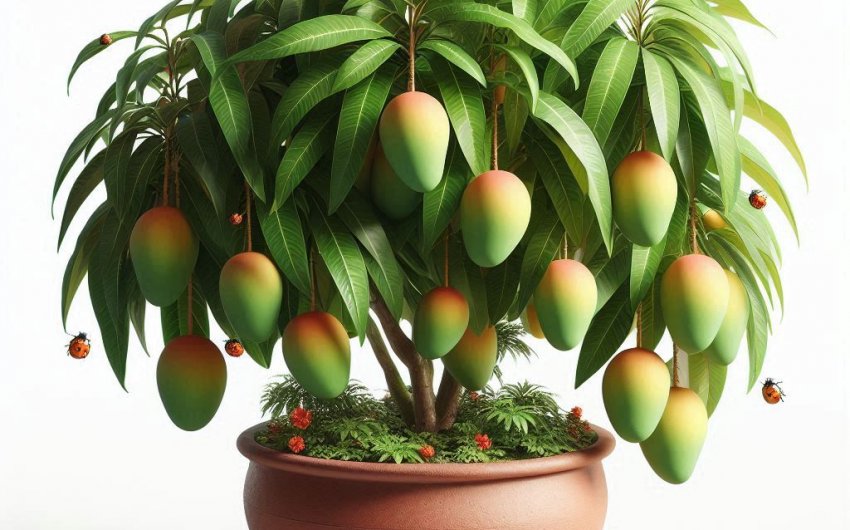
Mangoes, with their sweet, juicy flavor, are beloved around the world, and many enthusiasts wonder if it's possible to grow their own mango plants at home, especially when space is limited. The answer is a resounding yes! Mangoes can thrive in containers, as long as you follow some essential guidelines for their care and growth. Whether you're aiming to cultivate mangoes on a balcony, patio, or indoors, growing mango plants in containers can be both rewarding and enjoyable.
This guide will cover everything you need to know about successfully growing mango plants in containers—from the ideal soil mix and watering practices to choosing the right container and ensuring proper sunlight exposure.
1. Choosing the Right Mango Variety for Container Growing
The first step in growing mangoes in containers is selecting the right variety. Not all mango trees are suitable for container growth, as some varieties grow too large for pots and require ample ground space. Dwarf or semi-dwarf varieties, on the other hand, are ideal for confined spaces and still produce delicious, full-sized fruit.
Some popular dwarf mango varieties that are perfect for container growing include:
- Alphonso Mango: Known for its sweet flavor and small-to-medium size, the Alphonso mango tree can be grown in pots and makes an excellent choice for indoor or outdoor spaces.
- Palmer Mango: This variety is compact and grows well in containers, offering a beautiful harvest of large, fiberless fruits.
- Irwin Mango: A slower-growing mango variety that adapts well to pots and is resistant to disease.
When growing mangoes in containers, you can purchase a Dwarf Mango Tree to ensure that it will thrive in limited space without outgrowing its pot.
2. Selecting the Ideal Container for Mango Plants
Choosing the right container is critical for the success of your mango plant. Mango trees need enough room for their roots to spread and grow, so selecting a pot with the correct dimensions is key. A container that is at least 20-24 inches wide and 18-20 inches deep will provide sufficient space for your plant to develop a healthy root system.
Here are some key features to consider when selecting a Large Plant Pot for your mango plant:
- Drainage Holes: Proper drainage is crucial for preventing waterlogging, which can lead to root rot. Ensure your pot has ample drainage holes at the bottom.
- Material: Containers made from terracotta, plastic, or fiberglass are great choices, as they are lightweight and easy to move. While terracotta offers better breathability, plastic pots retain moisture better, making them suitable for hot climates.
- Mobility: Since mango plants grown in containers may need to be moved to different locations for optimal sunlight or protection from cold weather, consider choosing a container with wheels or using a Rolling Plant Stand to make relocation easier.
3. Best Soil for Mangoes in Containers
Soil quality plays an important role in growing healthy, productive mango plants in containers. Mangoes prefer well-draining, sandy, or loamy soil that mimics their natural growing environment. A well-drained soil prevents water from pooling around the roots, reducing the risk of diseases like root rot and fungal infections.
Here’s how to create the perfect soil mix for mango plants:
- Sandy or Loamy Soil: A Sandy Loam Potting Mix provides excellent drainage while holding enough nutrients for the plant.
- Organic Matter: Incorporating organic materials like compost or coconut coir helps retain moisture without making the soil too dense.
- Perlite or Vermiculite: Adding Perlite or vermiculite to your potting mix ensures better aeration and prevents soil compaction, giving the roots ample room to grow.
When potting your mango plant, make sure the soil is light and airy, allowing for good water retention while preventing it from becoming soggy.
4. Watering Requirements for Mango Plants in Containers
Watering is one of the most critical aspects of growing mango plants in containers. Due to the confined space of a container, water can either evaporate too quickly or accumulate excessively, leading to overwatering issues. Mango plants thrive when their soil is consistently moist, but not waterlogged.
Follow these guidelines for watering your container-grown mangoes:
- Deep Watering: Water deeply but infrequently, ensuring the water reaches the deeper roots. Use a Watering Can with Long Spout to direct the water evenly into the pot.
- Check Soil Moisture: Before watering, check the top inch of the soil. If it feels dry, it’s time to water. If it’s still moist, wait a few days before checking again.
- Seasonal Adjustments: Water more frequently during the summer, when mango plants are actively growing and fruiting. During the cooler months, reduce watering frequency to prevent root rot and other issues caused by excess moisture.
Consider using a Soil Moisture Meter to ensure you’re giving your mango plants the correct amount of water at the right time.
5. Sunlight Requirements for Mango Plants in Containers
Mangoes are tropical plants that require plenty of sunlight to grow and produce fruit. For container-grown mangoes, ensuring adequate sunlight is key to their development. Mango plants need at least 6-8 hours of direct sunlight per day to thrive.
Here are a few tips to maximize sunlight exposure for your container-grown mango plant:
- Place It Outdoors: If you live in a region with a warm climate, position your container in a spot that gets full sun for most of the day, such as a balcony, patio, or garden.
- Rotate the Pot: To ensure even growth, rotate the container every few weeks so that all sides of the plant receive adequate sunlight.
- Grow Lights: If you're growing your mango plant indoors or in an area with limited natural light, consider using Full Spectrum Grow Lights to supplement the light needs of your plant.
For more detailed tips on how to care for your mango plant and maximize its fruit production, check out our guide on Mango Mania: Tropical Delight for Your Taste Buds.
6. Fertilizing Your Mango Plant
Growing mango plants in containers requires regular feeding to replenish the nutrients that may be depleted from the soil. Since container plants rely heavily on their limited potting medium, it’s essential to provide them with the right fertilizers at the right times.
Here’s how to fertilize your container-grown mango tree:
- Balanced Fertilizer: Use a Balanced Fertilizer rich in nitrogen (N), phosphorus (P), and potassium (K) during the early growth stage to encourage strong root and leaf development.
- Slow-Release Fertilizer: A Slow-Release Fertilizer can be mixed into the soil at planting and will continuously provide nutrients to the plant over several months.
- Potassium-Rich Fertilizer: Once the plant begins to flower and set fruit, switch to a potassium-rich fertilizer to encourage larger, sweeter fruits.
- Frequency: Fertilize your mango plant every 2-3 months during the growing season. Reduce fertilizing during the winter months when the plant is dormant.
Using a proper fertilization routine ensures your mango plant gets the nutrients it needs to grow healthy and produce flavorful fruit.
7. Pruning and Maintenance for Container Mango Plants
Pruning plays an important role in keeping mango plants healthy and manageable, especially when grown in containers. Regular pruning not only shapes the plant but also encourages airflow and light penetration, which are essential for fruit development.
Follow these pruning tips for your container-grown mango plant:
- Remove Dead or Diseased Branches: Regularly inspect your plant for any dead or diseased branches and remove them with Pruning Shears to prevent the spread of disease.
- Shape the Plant: Prune your mango tree during the early growing stages to maintain a compact shape, which will help it fit comfortably within its container and prevent it from growing too large.
- Encourage Fruit Production: After the tree has developed a solid structure, prune lightly to encourage fruiting branches. Be careful not to over-prune, as this can stress the plant and reduce fruit production.
By maintaining a regular pruning schedule, you’ll keep your mango plant looking neat while promoting better growth and fruiting.
8. Pests and Diseases to Watch for in Container Mango Plants
While growing mango plants in containers minimizes some outdoor pest issues, there are still common pests and diseases to watch for. Indoor environments can sometimes exacerbate problems due to reduced air circulation.
Here are some common pests and diseases that can affect container-grown mango plants:
- Aphids: These small pests suck the sap from tender new growth, causing the leaves to curl and weaken. Use a Neem Oil Spray or insecticidal soap to control aphid infestations.
- Spider Mites: Mites thrive in dry environments, so misting the plant regularly and using Spider Mite Control can help prevent these pests from damaging your plant.
- Powdery Mildew: This fungal disease appears as a white, powdery coating on the leaves, usually caused by high humidity or poor airflow. Treat with a Fungicide and increase airflow around the plant by pruning and ensuring adequate space between it and other plants.
Keeping an eye on potential pest or disease issues ensures your mango plant stays healthy and continues to thrive.
9. Harvesting Mangoes from Container Plants
One of the most exciting parts of growing your own mango plant is harvesting your fruit. However, patience is key, as it can take several years before your mango plant begins producing fruit.
Here’s how to know when it’s time to harvest:
- Color Change: The skin of a ripe mango will change from green to yellow, red, or orange, depending on the variety.
- Softness: Gently press the fruit. It should give slightly under pressure when it’s ready to be harvested.
- Fragrance: A ripe mango will emit a sweet, tropical fragrance.
When your mangoes are ripe and ready to harvest, simply twist them off the tree and enjoy the fruits of your labor!
By following these guidelines, you can successfully grow and harvest delicious mangoes right in your home or on your patio. Learn more about the benefits of enjoying homegrown mangoes in our guide to Mango Mania: Tropical Delight for Your Taste Buds.