
What Type of Soil is Best for Growing Pineapples?
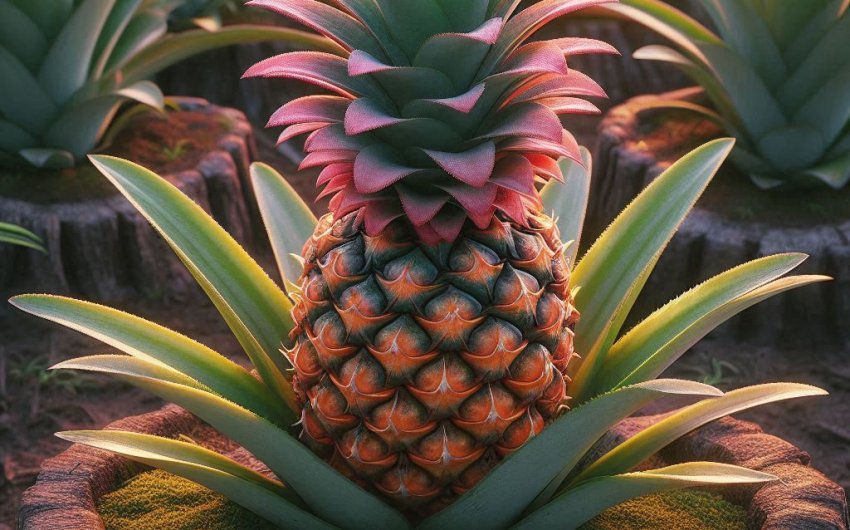
The best type of soil for growing pineapples is a well-draining, slightly acidic, and sandy loam that is rich in organic matter. Pineapples are epiphytic in nature, meaning they prefer excellent drainage and aeration around their roots, mimicking their natural habitat.
Why is Well-Draining Soil Critical for Pineapples?
Pineapples, unlike many garden vegetables, are members of the bromeliad family. This means their root systems are not designed to sit in constantly wet or soggy conditions. Their natural habitat often involves growing on rocky outcrops, in very sandy soils, or even as epiphytes (on other plants, not as parasites), where water quickly drains away.
Preventing Root Rot
The most significant danger of poorly draining soil for pineapples is root rot.
- Oxygen Deprivation: When soil is waterlogged, air pockets are replaced by water, depriving the roots of essential oxygen. Roots need oxygen for respiration, a process that provides energy for nutrient uptake and growth.
- Anaerobic Bacteria: Low-oxygen environments are ideal for harmful anaerobic bacteria and fungi that cause roots to decay and turn mushy.
- Nutrient Uptake Impairment: Damaged roots cannot effectively absorb water and nutrients, leading to a decline in plant health, stunted growth, yellowing leaves, and ultimately, plant death.
Mimicking Natural Habitat
- Epiphytic Nature: Pineapples are technically terrestrial bromeliads, but their close relatives are true epiphytes. This heritage means their roots are adapted to environments where water passes quickly and air circulation is high.
- Water Storage in Leaves: Pineapples are designed to absorb water and nutrients through their leaves, particularly in the cup-like center (the "tank"), in addition to their roots. This adaptation means they don't rely solely on constant soil moisture.
What is the Ideal pH Level for Pineapple Soil?
Pineapples thrive in a slightly acidic soil environment. The ideal pH range for growing pineapples is typically 4.5 to 6.5.
Why pH Matters for Pineapples
Soil pH is a measure of its acidity or alkalinity, and it significantly impacts the availability of nutrients to plants.
- Nutrient Availability: In the slightly acidic range that pineapples prefer, essential nutrients like iron, manganese, and zinc are more readily available for the plant to absorb. If the pH is too high (alkaline), these micronutrients can become "locked up" in the soil, even if present, leading to deficiencies.
- Preventing Chlorosis: Iron deficiency, a common issue in alkaline soils, leads to chlorosis, where leaves turn yellow while the veins remain green. Maintaining the correct pH helps prevent this.
- Microbial Activity: Soil pH also influences the activity of beneficial microorganisms that play a role in breaking down organic matter and cycling nutrients.
How to Adjust Soil pH
You can test your soil pH using a simple Soil pH Test Kit or a more advanced digital meter.
- To Lower pH (Make more acidic):
- Sphagnum Peat Moss: This is an excellent organic amendment that naturally acidifies soil over time. Mix it into your planting medium.
- Elemental Sulfur: A more potent option that lowers pH more quickly. Apply according to package directions, as too much can harm plants.
- Compost: While generally neutral, compost from acidic materials (like pine needles) can contribute to lower pH over time.
- Acidic Fertilizers: Using fertilizers formulated for acid-loving plants can help maintain pH.
- To Raise pH (Make more alkaline - rarely needed for pineapples):
- Garden Lime: Agricultural lime or dolomitic lime can raise soil pH. This is generally only needed if your soil is extremely acidic (below 4.0), which is uncommon for most pineapple growing situations.
Always adjust pH gradually and retest after a few weeks to see the effect.
How Much Organic Matter Do Pineapples Need in Their Soil?
While pineapples demand excellent drainage, they also benefit greatly from a soil that is rich in organic matter. Organic matter provides nutrients, improves soil structure, and helps with water retention (without causing sogginess) and aeration.
Benefits of Organic Matter
- Nutrient Supply: As organic materials decompose, they release essential nutrients for plant growth, providing a slow-release fertilizer.
- Improved Drainage and Aeration: In sandy soils, organic matter helps bind particles, improving water and nutrient retention. In clay soils, it helps break up dense clumps, improving drainage and aeration. For pineapples, it ensures that while water drains quickly, enough moisture is held for the plant to use.
- Water Retention: Paradoxically, while promoting drainage, organic matter acts like a sponge, holding onto moisture and nutrients that might otherwise leach away, especially in sandy soils. This means less frequent watering may be needed.
- Enhanced Microbial Activity: Organic matter is food for beneficial soil microbes, which play crucial roles in nutrient cycling and overall soil health.
- Buffering Capacity: Soil rich in organic matter has a higher buffering capacity, meaning it can better resist drastic changes in pH.
Sources of Organic Matter for Pineapple Soil
- Compost: Well-rotted compost is the gold standard. It's nutrient-rich and improves all soil types.
- Aged Manure: Provides a good source of nutrients and organic material. Ensure it's well-aged to avoid burning plant roots.
- Sphagnum Peat Moss: In addition to lowering pH, peat moss significantly improves soil structure and water retention.
- Coco Coir: A sustainable alternative to peat moss, offering excellent water retention and aeration.
- Pine Bark Fines or Shredded Pine Needles: These acidic organic materials are excellent for pineapples, mimicking conditions in their native environment and contributing to the desired pH.
When preparing your soil, aim to mix in a generous amount of organic matter, typically 25-50% by volume with your base soil (sand/loam).
What Soil Texture is Best for Pineapples?
The ideal soil texture for growing pineapples is a sandy loam. This texture combines the benefits of sand, silt, and clay in optimal proportions for good drainage, aeration, and nutrient retention.
Understanding Soil Texture Components
- Sand: Composed of relatively large particles, sand creates large pore spaces in the soil, allowing for excellent drainage and aeration. This is crucial for pineapples.
- Silt: Medium-sized particles that feel smooth. Silt improves water retention and nutrient holding capacity compared to pure sand.
- Clay: The smallest soil particles, clay holds onto water and nutrients very well but can become compacted and poorly draining when present in high amounts.
Why Sandy Loam is Ideal for Pineapples
A sandy loam provides the perfect balance:
- Excellent Drainage: The sandy component ensures that excess water drains away quickly, preventing the soggy conditions that lead to root rot.
- Good Aeration: Large pore spaces allow air to circulate around the roots, providing the oxygen pineapples need.
- Moderate Water Retention: While draining quickly, the silt and organic matter components help the soil hold onto enough moisture for the plant to absorb between waterings.
- Nutrient Holding Capacity: The presence of some clay and, more importantly, organic matter, allows the soil to retain nutrients that sandy soil alone would quickly leach away.
How to Achieve Sandy Loam
If your existing soil is too heavy (clay) or too light (pure sand), you'll need to amend it.
- For Heavy Clay Soil: Incorporate significant amounts of coarse sand (horticultural grade, not play sand), perlite, pumice, and plenty of organic matter like compost, pine bark fines, or coco coir. This will break up the clay and improve drainage.
- For Pure Sandy Soil: Add large quantities of organic matter such as compost, peat moss, or coco coir. This will improve its ability to hold water and nutrients. You might also consider a small amount of loamy topsoil if available.
The goal is to create a mix that feels light and airy but still has some body to it. When squeezed, it should form a loose ball that crumbles easily when poked.
What is the Best Potting Mix for Growing Pineapples in Containers?
Growing pineapples in containers is a popular option, especially for those in cooler climates or with limited garden space. For container growing, the potting mix needs to be even more carefully formulated to ensure perfect drainage and aeration.
Key Components of a Good Pineapple Potting Mix
A successful container mix for pineapples will typically consist of a blend of materials designed for rapid drainage and good air flow, mimicking their preferred soil type in a confined space.
- Peat Moss or Coco Coir (approx. 40-50%):
- Purpose: Provides a light, airy base that holds moisture while allowing good drainage. Both are naturally slightly acidic, which is beneficial for pineapples.
- Benefit: Excellent for aeration and water retention without becoming waterlogged.
- Perlite or Pumice (approx. 25-30%):
- Purpose: These lightweight, porous materials significantly improve drainage and aeration by creating large, stable air pockets in the mix.
- Benefit: Prevents compaction and root rot. Perlite is widely available and affordable. Pumice is heavier but doesn't float to the top like perlite.
- Coarse Sand (Horticultural Grade) or Small Gravel (approx. 15-20%):
- Purpose: Adds weight to the mix (important for stability of the plant as it grows) and further improves drainage.
- Benefit: Enhances the sandy loam texture. Ensure it's horticultural sand, not fine play sand which can compact.
- Compost or Aged Bark Fines (approx. 10-15%):
- Purpose: Provides slow-release nutrients and contributes to beneficial microbial activity. Bark fines (like pine bark) can also help maintain acidity.
- Benefit: Boosts fertility and improves the overall structure of the mix.
Sample Potting Mix Ratio (by volume)
- 2 parts Peat Moss or Coco Coir
- 1 part Perlite or Pumice
- 1 part Coarse Sand or Small Gravel
- 1/2 part Compost or Aged Pine Bark Fines
Mix all ingredients thoroughly to ensure an even distribution.
Important Container Considerations
- Drainage Holes: No matter the mix, your container must have adequate drainage holes. Pineapples cannot tolerate standing water.
- Pot Material: Terracotta pots are often recommended because their porous nature allows for some moisture evaporation from the sides, helping the soil dry out faster. Plastic pots can also work but retain more moisture, so pay closer attention to watering.
- Pot Size: Start with a pot that is appropriate for the size of your pineapple crown or plantlet (e.g., 6-8 inches initially). As the plant grows, you'll need to repot it into a larger container (up to 10-15 gallons) for fruit production.
Using a well-formulated potting mix is the single most important factor for successfully growing pineapples in containers, protecting them from root rot and ensuring vigorous growth. A commercial Cactus and Succulent Potting Mix can often serve as a good base for pineapple if you don't want to mix your own, but you might want to amend it with extra peat or coco coir.
What Other Soil Amendments Benefit Pineapple Growth?
Beyond the basic components of good pineapple soil, certain amendments can further enhance its quality, providing specific nutrients or improving the soil structure and biology.
Micronutrients
While general fertilizers provide major nutrients (N-P-K), pineapples also benefit from specific micronutrients.
- Iron: Crucial for chlorophyll production (green leaves). Deficiency leads to chlorosis.
- Manganese: Involved in photosynthesis and nitrogen metabolism.
- Zinc: Important for enzyme activity and plant growth regulation.
If your soil tests reveal deficiencies, you can apply a Micronutrient Fertilizer specifically formulated for acid-loving plants or citrus. Foliar sprays can also deliver these directly to the leaves, especially if soil pH is an issue.
Mycorrhizal Fungi
- Benefits: These beneficial fungi form a symbiotic relationship with plant roots, extending the root system's reach and enhancing the uptake of water and nutrients, particularly phosphorus.
- Application: You can purchase Mycorrhizal Inoculants to add to your soil mix during planting. They are especially beneficial in new beds or containers where natural fungal populations may be low.
Worm Castings
- Benefits: Worm castings are essentially worm poop, a highly nutrient-rich organic amendment. They improve soil structure, aeration, water retention, and slowly release a wide range of nutrients in a plant-available form. They also introduce beneficial microbes.
- Application: Mix into your potting soil or garden beds at a ratio of about 10-20% by volume. You can also use them as a top dressing.
Slow-Release Fertilizers
- Benefits: While not a "soil amendment" in the traditional sense, incorporating a Slow-Release Granular Fertilizer into the initial potting mix can provide a steady supply of nutrients over several months, reducing the need for frequent liquid feeding.
- Consideration: Choose one balanced for fruit trees or with a slightly higher potassium content. Always follow package directions carefully.
By fine-tuning your soil with these additional amendments, you can create an even more optimal growing environment for your pineapple plants, leading to healthier growth and more successful fruit production.
What Soil Problems Can Affect Pineapple Growth?
Despite careful planning, soil issues can arise that negatively impact pineapple health. Recognizing these problems early is key to successful intervention.
Compaction
- Problem: Soil particles become tightly packed, reducing pore space. This leads to poor drainage, insufficient aeration, and difficulty for roots to penetrate.
- Symptoms: Stunted growth, yellowing leaves, water pooling on the surface, or slow drainage.
- Solution: For garden beds, loosen the soil by deeply incorporating organic matter like compost, coarse sand, or pine bark. For containers, use a well-aerated potting mix and avoid overpacking the soil.
Poor Drainage (Waterlogging)
- Problem: Soil holds too much water, leading to soggy conditions around the roots.
- Symptoms: Wilting leaves (despite wet soil), yellowing and eventually blackening of roots, foul smell from the soil, root rot.
- Solution: Amend soil with more perlite, pumice, coarse sand, or bark fines. Ensure pots have ample drainage holes. Consider raised beds in areas with heavy native soil.
Incorrect pH
- Problem: Soil is too alkaline (pH too high) or too acidic (pH too low), affecting nutrient availability. Most commonly, too alkaline for pineapples.
- Symptoms: Chlorosis (yellowing leaves with green veins, indicating iron deficiency in alkaline soil), stunted growth, general nutrient deficiencies.
- Solution: Test your soil pH. Amend to lower pH with sphagnum peat moss, elemental sulfur, or acidic organic matter.
Nutrient Deficiencies
- Problem: Lack of essential macro (N-P-K) or micronutrients in the soil.
- Symptoms:
- Nitrogen (N): Overall pale green or yellowing leaves, especially older ones; stunted growth.
- Phosphorus (P): Dark green or purplish leaves; stunted growth; poor flowering/fruiting.
- Potassium (K): Yellowing or browning along leaf margins, especially older leaves; weak stems.
- Iron/Manganese/Zinc: Interveinal chlorosis (yellowing between veins, veins remain green) on new growth.
- Solution: Perform a soil test to identify specific deficiencies. Apply balanced fertilizers or targeted micronutrient supplements. Incorporate organic matter to improve nutrient retention.
Salt Buildup (in containers)
- Problem: Fertilizers and dissolved minerals can accumulate in potting mixes over time, leading to high salt concentrations that damage roots.
- Symptoms: Brown leaf tips or margins, stunted growth, wilting despite adequate watering.
- Solution: Periodically "flush" container plants by watering deeply until water flows freely from the drainage holes for several minutes. Use rainwater if possible, as it's salt-free.
By understanding the specific needs of pineapples for a well-draining, slightly acidic, and organically rich sandy loam, you can provide the ideal environment for these unique and rewarding tropical fruits to flourish in your garden.