
How Can I Propagate an Elderberry Plant from Cuttings?
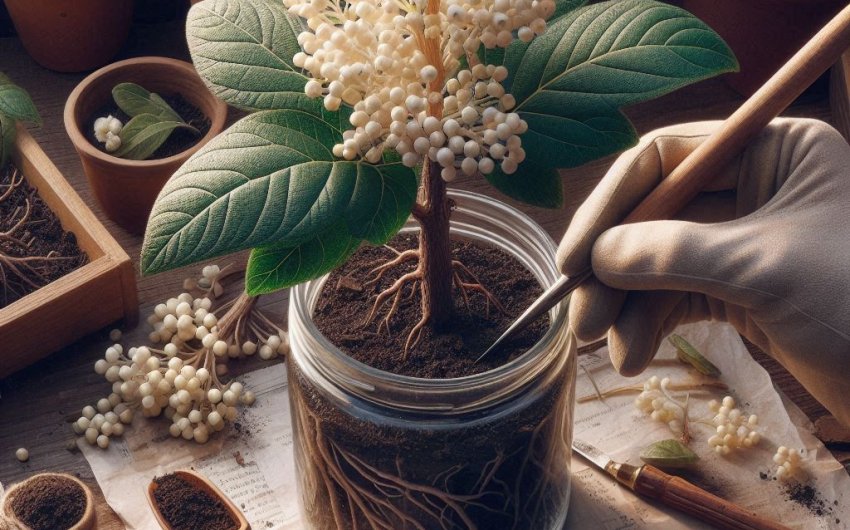
Elderberry plants are popular for their striking clusters of berries and flowers, as well as their various medicinal uses. If you’re a gardening enthusiast or someone interested in growing your own elderberry bushes, you’ll be pleased to know that propagating elderberry plants from cuttings is a simple and effective way to expand your garden. By following a few key steps, you can successfully propagate elderberries from softwood or hardwood cuttings.
In this comprehensive guide, we’ll take you through the process of propagating elderberry plants from cuttings, covering everything from choosing the right type of cutting to planting and caring for your new plants.
1. Choosing the Right Type of Elderberry Cutting
There are two primary types of cuttings you can use to propagate elderberries: softwood cuttings and hardwood cuttings. Both types of cuttings are effective for propagation, but they are taken at different times of the year and require slightly different handling.
- Softwood Cuttings: These are taken from the new, tender growth in late spring or early summer. Softwood cuttings are green, flexible, and usually easier to root than hardwood cuttings. However, they require more careful attention to moisture and light levels.
- Hardwood Cuttings: Hardwood cuttings are taken in late fall or winter when the plant is dormant. These cuttings come from older, woody growth and are more resilient than softwood cuttings. They may take longer to root but are often more forgiving.
For beginners, hardwood cuttings are typically the preferred choice, as they require less immediate care. You can use Pruning Shears to easily cut sections from the elderberry plant.
2. Selecting Healthy Elderberry Branches for Cuttings
The success of your propagation efforts largely depends on selecting the right branches for your cuttings. Regardless of whether you're using softwood or hardwood cuttings, it’s essential to choose healthy, disease-free sections of the plant.
Here are a few tips for selecting the best branches:
- Healthy Growth: Look for branches that are healthy, green, and free from any signs of disease or pest damage. A Plant Disease Guide can help you identify common issues.
- Mature Size: For softwood cuttings, choose stems that are about 6-12 inches long with several leaves or nodes. For hardwood cuttings, select branches that are at least 12-24 inches long and about the thickness of a pencil.
- Current Season’s Growth: When taking softwood cuttings, ensure you’re cutting from this season’s growth, as older, woody stems are less likely to root.
By choosing healthy and vigorous branches, you increase your chances of successfully propagating your elderberry plants.
3. Preparing Elderberry Cuttings
Once you’ve selected the right branches, it’s time to prepare your elderberry cuttings for propagation. Proper preparation helps the cutting form roots more easily, giving it the best chance of survival.
Here’s a step-by-step guide to preparing your cuttings:
- Step 1: Trim the Cutting: Using Sharp Pruning Shears, trim the cutting to about 6-12 inches in length (for softwood cuttings) or 12-24 inches in length (for hardwood cuttings). Make sure each cutting has at least three nodes, which are the small bumps where leaves or branches grow.
- Step 2: Remove Lower Leaves: Remove the leaves from the bottom half of the cutting, leaving only a few at the top. For hardwood cuttings, there may be no leaves present, but you should still trim the lower section.
- Step 3: Cut at an Angle: Make a clean cut at a 45-degree angle just below a node at the base of the cutting. This will increase the surface area for water absorption and improve rooting success.
- Step 4: Dip in Rooting Hormone: For best results, dip the cut end of the cutting into Rooting Hormone Powder. This will encourage faster and more reliable root formation.
With your elderberry cuttings prepared, you’re ready to plant them in a suitable growing medium.
4. Choosing the Right Growing Medium
The choice of growing medium is critical when propagating elderberries from cuttings. A well-draining yet moisture-retentive medium ensures that the cutting can develop roots without being exposed to excessive moisture that might cause rot.
Here are some growing medium options that work well for elderberry cuttings:
- Perlite and Peat Moss Mix: A 50/50 mix of Perlite and Peat Moss creates a light, airy mix that encourages root formation while retaining enough moisture to keep the cutting hydrated.
- Coconut Coir: This organic material is excellent for water retention and provides a healthy, well-draining environment for cuttings to root. Coconut Coir is also a renewable resource, making it an eco-friendly choice.
- Potting Soil with Sand: A high-quality Potting Soil mixed with some sand will create a well-draining environment for elderberry cuttings. This is particularly effective for hardwood cuttings.
Once you have your growing medium prepared, fill small pots or trays with the mixture and get ready to plant your cuttings.
5. Planting Elderberry Cuttings
Now that your cuttings and growing medium are ready, it’s time to plant your elderberry cuttings. Planting properly ensures that the cuttings have the support they need to grow roots and eventually become mature plants.
Follow these steps to plant your cuttings:
- Step 1: Insert the Cutting: Using a pencil or your finger, create a hole in the growing medium and gently insert the cutting, ensuring that at least two nodes are buried beneath the surface. For softwood cuttings, the lower leaves should be removed, so only a few leaves remain at the top.
- Step 2: Firm the Soil: Gently press the soil around the base of the cutting to ensure good contact between the stem and the soil. This helps stabilize the cutting and promotes root growth.
- Step 3: Water the Cutting: Lightly water the cutting to moisten the soil without making it soggy. Use a Watering Can with a Fine Spout to avoid displacing the soil around the cutting.
At this stage, your cuttings should be securely planted and ready for the next step—providing the ideal environment for rooting.
6. Providing the Right Environment for Rooting
To successfully propagate elderberries, your cuttings need the right environment for root formation. The key factors to monitor include temperature, humidity, light, and moisture.
Here’s how to create the perfect conditions:
- Temperature: Elderberry cuttings root best at temperatures between 65°F and 75°F. For outdoor propagation, try to take cuttings in late spring or early summer when temperatures are mild. If you're propagating indoors, a Heat Mat can help maintain consistent soil temperatures.
- Humidity: High humidity encourages successful rooting, especially for softwood cuttings. You can increase humidity by covering the pots with a Humidity Dome or using a clear plastic bag to create a mini-greenhouse effect.
- Light: Place the cuttings in a bright location that receives indirect sunlight. Direct sunlight can cause stress to the cuttings, especially in the early stages. If necessary, you can supplement natural light with Grow Lights to ensure the cuttings receive enough light for root development.
- Moisture: Keep the soil consistently moist, but not waterlogged. Use a Soil Moisture Meter to check the moisture level in the pot regularly and ensure your cuttings are getting just the right amount of water.
By providing the right environment, you can increase the success rate of rooting and help your elderberry cuttings develop into strong, healthy plants.
7. Caring for Rooting Cuttings
Once your elderberry cuttings have been planted and are in the right environment, they will begin to form roots within a few weeks. However, it’s important to monitor the progress and provide ongoing care to encourage strong root development.
Here’s what you need to do:
- Mist the Cuttings: If you’re propagating softwood cuttings, mist the leaves occasionally using a Spray Bottle to keep the humidity high and prevent the leaves from drying out.
- Watch for New Growth: After about 3-6 weeks, you should start to see signs of new growth, such as small leaves or shoots developing. This is a positive sign that roots are forming beneath the soil.
- Transplanting: Once the roots are established, usually after a few months, you can carefully transplant the rooted cuttings into larger pots or into the ground. Choose a Planter that provides enough room for continued root growth.
It’s essential to keep providing water and light to your growing cuttings while ensuring that they’re not exposed to extreme temperatures or direct sunlight too soon.
8. Transplanting Rooted Elderberry Cuttings
Once your elderberry cuttings have developed strong roots, it’s time to transplant them into their final location, whether that’s a larger pot or directly into the garden. Transplanting at the right time ensures that your new elderberry plants will continue to grow and thrive.
Here’s how to transplant your rooted cuttings:
- Step 1: Choose a Spot: Elderberries prefer full sun to partial shade, so choose a location that receives at least 6 hours of sunlight per day. Ensure the soil is well-draining and rich in organic matter.
- Step 2: Dig a Hole: Dig a hole slightly larger than the root ball of the cutting. Make sure to plant the cutting at the same depth it was growing in its pot.
- Step 3: Fill and Water: Backfill the hole with soil and gently firm it down. Water the transplant thoroughly using a Garden Hose with a Gentle Nozzle to help settle the soil around the roots.
After transplanting, continue to care for your elderberry plants by providing regular water and monitoring their growth. For more information on the health benefits and uses of elderberries, check out our guide on Elderberry Elixir: A Natural Remedy for Health and Wellness.
9. Troubleshooting Common Problems in Propagation
While propagating elderberries is generally straightforward, you may encounter some challenges along the way. Here are some common issues and how to address them:
- Cuttings Failing to Root: If your cuttings fail to root, it may be due to improper moisture levels or temperature. Ensure that the soil stays consistently moist and that the cuttings are kept in a warm, humid environment.
- Rotting Cuttings: Overwatering or poor drainage can lead to rotting cuttings. If this happens, reduce the watering frequency and ensure the container has adequate drainage.
- Leaf Drop: Leaf drop is common in softwood cuttings, especially if they’re exposed to too much sunlight or dry air. Try misting the leaves and reducing the amount of direct sunlight.
By addressing these issues promptly, you can improve your success rate and grow strong, healthy elderberry plants from cuttings.