
What Are the Different Varieties of Boysenberry Plants Available?
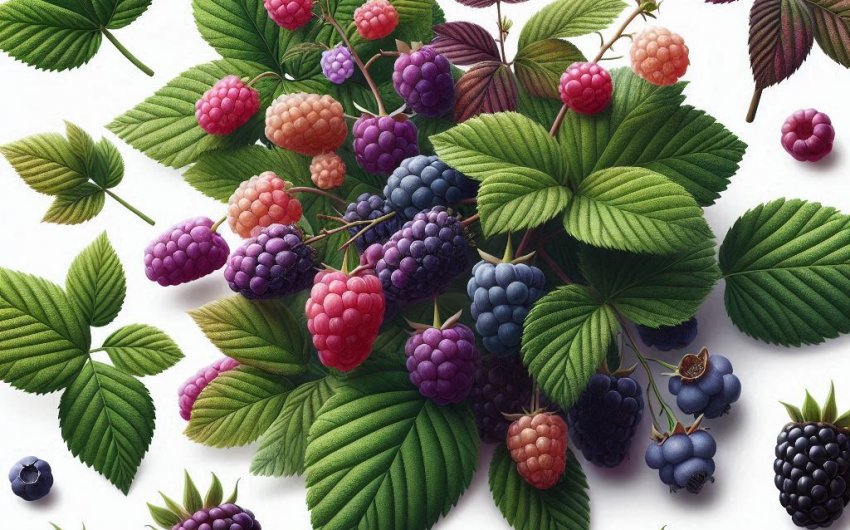
Boysenberry plants primarily come in two main varieties: thorned and thornless, each offering the distinctive large, sweet-tart, reddish-purple fruit. While the genetic makeup of the Boysenberry itself is consistent, the presence or absence of thorns is the most significant differentiating factor for home gardeners and commercial growers.
What is a Boysenberry?
The boysenberry is a fascinating and delicious fruit often described as a hybrid berry, a cross between a red raspberry, a common blackberry, a loganberry, and a dewberry. Its unique parentage gives it a distinct flavor profile: a rich, sweet, and slightly tart taste that is more complex and aromatic than a typical blackberry or raspberry. The fruit itself is large, juicy, and reddish-purple to dark maroon when ripe.
Origin and History
The boysenberry was developed in the 1920s by Rudolph Boysen, a horticulturist in California. He created the cross, but it was Buena Park berry farmer Walter Knott (of Knott's Berry Farm fame) who recognized its potential and cultivated it commercially. Knott is credited with bringing the boysenberry to the public's attention, and it became a signature crop for his farm.
Characteristics of Boysenberry Fruit
- Size: Larger than most raspberries and many blackberries, often reaching 1-1.5 inches in length.
- Color: Deep reddish-purple to dark maroon when fully ripe.
- Flavor: A complex blend of sweet, tart, and aromatic notes, often described as richer and more flavorful than its parent berries.
- Texture: Soft, juicy, and somewhat delicate when ripe, making it a favorite for jams, pies, and fresh eating.
- Seeds: Contains small, edible seeds, similar to blackberries.
Growth Habit
Boysenberry plants are cane berries, similar to blackberries and raspberries. They typically grow as sprawling, vining plants, requiring support like a trellis or wires to manage their growth and facilitate harvesting. They are known for being quite vigorous growers.
Why Grow Boysenberries?
- Exceptional Flavor: The primary reason for growing boysenberries is their superior taste, which many consider unmatched among cane berries.
- Versatility: Excellent for fresh eating, baking (pies, crumbles), making jams, jellies, and sauces.
- Home Growing: While commercially challenging due to their delicate nature, boysenberries are a rewarding crop for home gardeners.
- Nutritional Value: Like other berries, they are rich in vitamins, minerals, and antioxidants.
Understanding the fundamental nature of the boysenberry sets the stage for appreciating the nuances between its available varieties.
What Are the Main Boysenberry Varieties Available?
When discussing boysenberry varieties, the most significant distinction for gardeners is the presence or absence of thorns. While there may be slight regional variations or specific nursery selections, the core boysenberry is essentially the same fruit-producing plant, primarily differentiated by this one key trait.
1. Thorned Boysenberry
This is the original form of the boysenberry, retaining the thorny canes inherited from its blackberry parentage.
- Characteristics:
- Thorns: Produces sharp, stiff thorns along its canes, similar to wild blackberries.
- Vigor: Often noted for being slightly more vigorous and potentially more productive than its thornless counterpart, especially in ideal conditions. Some growers report the thorned varieties having a slightly more intense flavor, though this can be subjective and influenced by growing conditions.
- Growth Habit: Sprawling, vining canes that require substantial support.
- Hardiness: Generally hardy in USDA Zones 5-9, depending on specific conditions and winter protection.
- Advantages:
- Often considered the "authentic" boysenberry experience for flavor and vigor.
- Thorns can act as a deterrent to some browsing animals.
- Disadvantages:
- Difficult to Harvest and Prune: The thorns make harvesting a painful chore and complicate pruning and training the canes. This is the biggest drawback for most home gardeners.
- Requires thicker gloves and careful handling.
- Availability: Widely available from nurseries that specialize in berries.
2. Thornless Boysenberry
Through selective breeding, thornless varieties of boysenberry were developed, making the fruit much more accessible and enjoyable for home gardeners. This is the most popular choice for backyard cultivation.
- Characteristics:
- Thorns: Completely smooth, thornless canes.
- Vigor: May be slightly less vigorous or produce marginally smaller fruit than the thorned variety in some cases, but the difference is often negligible for the average home gardener. The fruit quality and flavor are generally considered identical.
- Growth Habit: Still a sprawling, vining cane that needs support.
- Hardiness: Similar to the thorned variety, typically USDA Zones 5-9.
- Advantages:
- Much Easier to Harvest and Prune: This is the overwhelming advantage. No thorns mean a more pleasant and safer gardening experience.
- Less likely to snag clothing or cause injury.
- Ideal for families with children or those with limited mobility.
- Disadvantages:
- May require slightly more effort to manage vigor, as there are no thorns to naturally deter some growth.
- Availability: The most common variety sold by nurseries for home growers. Thornless Boysenberry Plants are highly sought after.
Regional or Specific Nursery Selections
While not distinct "varieties" in the same way as thorned vs. thornless, some nurseries might offer boysenberry plants with slightly different names or emphasize certain characteristics, which could be due to:
- Clonal Selection: A specific clone of the original thorned or thornless boysenberry that performs particularly well in their region.
- Marketing: Simply a unique name given by the nursery.
For all practical purposes, when you're looking to buy a boysenberry plant, your choice will boil down to whether you prefer a thorned or thornless option. The thornless boysenberry is overwhelmingly recommended for ease of cultivation.
How Do I Choose the Right Boysenberry Variety for My Garden?
Choosing between a thorned and thornless boysenberry variety depends primarily on your gardening style, priorities, and tolerance for prickly situations. Both varieties will produce the same delicious fruit.
Factors to Consider
- Ease of Maintenance:
- Thornless Boysenberry: If you prioritize easy harvesting, pruning, and training, the thornless variety is the clear winner. You won't need heavy gloves, and managing the canes will be much more pleasant. This is especially important if you plan to grow many plants or if children will be involved in harvesting.
- Thorned Boysenberry: Be prepared for a pricklier experience. Thick gloves are a must for any interaction with these plants.
- Perceived Vigor/Yield:
- Some traditionalists and experienced growers claim that thorned varieties are slightly more vigorous and productive. However, for the average home gardener, this difference is often minimal and outweighed by the ease of growing thornless plants. Optimal growing conditions and proper care will have a much larger impact on yield than the presence of thorns.
- Space and Support:
- Both varieties are vigorous, sprawling growers and absolutely require a trellis, fence, or other sturdy support system. Make sure you have adequate space and the means to provide proper support, regardless of the variety chosen. A Berry Trellis System is highly recommended.
- Climate and Hardiness:
- Both thorned and thornless boysenberries generally share similar hardiness zones (USDA Zones 5-9). Ensure your climate provides enough chill hours for the plant to thrive and that temperatures don't consistently drop below what the boysenberry can tolerate.
- In colder zones, choose a protected site and consider winter protection methods.
- Personal Preference:
- Ultimately, it comes down to what you're comfortable with. If you're sensitive to thorns or prefer a more "hands-on" approach without the risk of scratches, thornless is the way to go. If you're a purist and believe the original thorned variety offers a superior (even if subtle) taste or vigor, and you don't mind the thorns, then that's your choice.
Recommendation for Home Gardeners
For the vast majority of home gardeners, the thornless boysenberry is the recommended choice. Its ease of handling, harvesting, and pruning makes it a far more enjoyable plant to grow, especially for a fruit that ripens quickly and requires frequent picking. The minimal perceived differences in flavor or yield are typically not worth the hassle of dealing with thorns.
What are the Best Growing Conditions for Boysenberry Plants?
Regardless of whether you choose a thorned or thornless variety, providing the right growing conditions is key to a healthy, productive boysenberry plant. They generally prefer conditions similar to their blackberry and raspberry relatives.
1. Sunlight Requirements
- Full Sun: Boysenberry plants thrive in full sun, meaning at least 6-8 hours of direct sunlight per day. More sun generally leads to more fruit and sweeter berries.
- Partial Shade (Less Ideal): While they can tolerate some partial shade, especially in very hot climates, fruit production may be reduced, and the berries might be less sweet.
2. Soil Preferences
- Well-Drained Soil: This is critical. Boysenberries do not tolerate soggy or waterlogged soil, which can lead to root rot. If you have heavy clay soil, amend it generously with organic matter to improve drainage.
- Rich in Organic Matter: Boysenberries prefer fertile soil. Incorporate plenty of compost or well-rotted manure before planting. Organic matter improves soil structure, water retention (in well-drained soil), and provides essential nutrients.
- Slightly Acidic pH: They prefer a soil pH range of 5.5 to 7.0, which is slightly acidic to neutral. A Soil pH Testing Kit can help you determine your soil's pH and make necessary adjustments. If your soil is too alkaline, you can lower the pH with elemental sulfur or peat moss.
3. Watering
- Consistent Moisture: Boysenberries need consistent moisture, especially during flowering and fruiting periods. They are not drought-tolerant.
- Deep Watering: Water deeply and regularly, ensuring the soil remains consistently moist but not waterlogged. About 1 inch of water per week, either from rain or irrigation, is a good guideline.
- Mulch: Apply a 2-4 inch layer of organic mulch (straw, wood chips, shredded leaves) around the base of the plants. This helps conserve soil moisture, suppresses weeds, and moderates soil temperature. Organic Straw Mulch is ideal.
4. Support and Trellising
- Essential: Boysenberry plants are vigorous, sprawling growers and will quickly become an unmanageable mess without proper support. Trellising is absolutely essential.
- Types of Support:
- T-Post and Wire Trellis: A common and effective system using sturdy posts and multiple horizontal wires.
- Fence: A strong fence can also serve as a good trellis.
- Arbor/Pergola: For a more decorative approach, boysenberries can be trained over an arbor.
- Training: As canes grow, gently tie or weave them onto the support structure to ensure good air circulation and easy harvesting.
5. Fertilization
- Established Plants: Once established, fertilize in early spring with a balanced granular fertilizer (e.g., 10-10-10) or a slow-release organic option.
- Compost: Top-dressing with compost each spring also provides a steady supply of nutrients.
- Avoid Over-Fertilizing Nitrogen: Too much nitrogen can lead to excessive leafy growth at the expense of fruit production.
By providing these ideal conditions, you will set your boysenberry plants up for years of delicious fruit production, regardless of their variety.
How Do I Plant and Care for Boysenberry Plants?
Once you've chosen your boysenberry variety and identified an ideal planting location, understanding proper planting and ongoing care is crucial for a thriving harvest.
1. Planting Boysenberry Plants
- Timing: The best time to plant boysenberries is in early spring, after the last hard frost, when the soil is workable. Fall planting can also be done in milder climates (Zones 7-9) if done at least 6 weeks before the first hard freeze, allowing roots to establish.
- Source: Purchase bare-root plants or potted plants from a reputable nursery.
- Preparation:
- Bare Root: Soak bare-root plants in water for a few hours before planting.
- Potted Plants: Water thoroughly before removing from the pot.
- Planting Hole: Dig a hole twice as wide as the root ball and deep enough so that the crown of the plant (where the stems meet the roots) is at the same level as, or slightly below, the surrounding soil.
- Spacing: Space plants about 5-8 feet apart in rows, with rows 6-8 feet apart to allow for spread and maintenance.
- Planting:
- Create a small mound of soil at the bottom of the hole.
- Spread the roots over the mound.
- Backfill with amended soil, gently firming it around the roots to remove air pockets.
- Water thoroughly immediately after planting.
- Initial Pruning: For bare-root plants, prune the canes back to about 6-12 inches after planting to encourage root establishment.
2. Trellising and Training
- Install Trellis at Planting: It's easiest to install your trellis or support system at the time of planting, before the canes start growing rapidly.
- Training Canes: Boysenberries produce fruit on second-year canes (floricanes).
- First Year (Primocanes): New canes that emerge in the spring are called primocanes. Train these vigorously growing canes along your trellis during their first year.
- Second Year (Floricanes): These primocanes become floricanes in their second year and will produce fruit.
- Post-Harvest Pruning: After floricanes have finished fruiting, they will die. Prune these spent floricanes back to the ground to make way for new primocanes.
- Weaving/Tying: Gently weave new canes through the trellis wires or tie them loosely with soft ties to the support structure as they grow.
3. Pruning Boysenberry Plants
Pruning is essential for maintaining plant health, maximizing fruit production, and making harvesting easier.
- Post-Harvest Pruning (Late Summer/Early Fall): Once canes have finished fruiting, they will begin to brown and die. Cut these spent floricanes all the way down to the ground. This is the most crucial pruning step.
- Thinning (Late Winter/Early Spring): In late winter or very early spring, before new growth starts, thin out the new primocanes that grew the previous year. Select the strongest 6-8 canes per plant to keep, and remove any weak, damaged, or overcrowded canes. This focuses the plant's energy on the most productive canes.
- Tip Pruning: For very long primocanes, you can tip prune them (cut off the very end) when they reach the top of your trellis or about 5-6 feet in length. This encourages side branching, which can lead to more fruit production next year.
4. Ongoing Care
- Weed Control: Keep the area around boysenberry plants free of weeds, which compete for water and nutrients. Mulch helps significantly.
- Pest and Disease Monitoring: While generally robust, monitor for common berry pests (e.g., Japanese beetles, cane borers) and diseases (e.g., rust, anthracnose). Good air circulation through proper pruning and trellising helps prevent fungal issues.
- Winter Protection (in Cold Climates): In USDA Zones 5 and 6, or if you anticipate extremely cold temperatures, you may need to provide winter protection. This can involve laying the canes down on the ground and covering them with straw, burlap, or a frost blanket after they've gone dormant in late fall. Uncover them in early spring.
By understanding the differences between boysenberry varieties and applying these essential growing and care practices, you can enjoy the unique and abundant harvest of these truly special berries in your home garden.