
How Do I Know When My Huckleberries Are Ripe and Ready to Harvest?
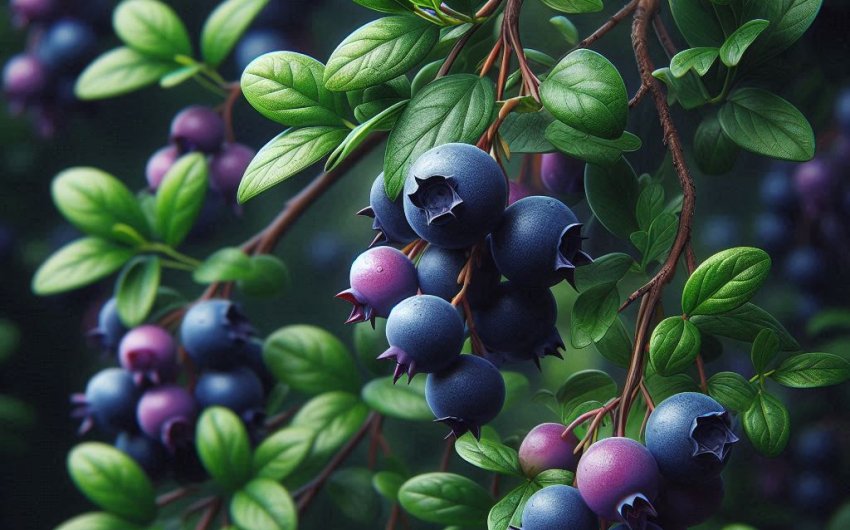
Huckleberries are prized for their delicious flavor and nutritional value, making them a favorite for gardeners and foragers alike. However, one of the most common questions when cultivating or foraging these berries is knowing the right time to harvest them. Picking huckleberries at the peak of ripeness ensures you get the best flavor and nutritional benefits. In this guide, we’ll dive into all the factors that help determine when your huckleberries are ripe and ready to harvest, from visual cues to texture and taste.
Understanding the nuances of huckleberry ripeness will help you maximize your harvest, whether you’re growing these berries at home or venturing into the wild to collect them. Below, we’ll explore the various signs you can look for, as well as tips on how to care for the berries once they’re ripe.
Types of Huckleberries and Their Growing Seasons
Before diving into when to harvest huckleberries, it's essential to understand that there are different types of huckleberries. Each variety has its own growing season and ripening time. The two main categories include:
- Red Huckleberries (Vaccinium parvifolium): These are typically found in coastal areas and prefer moist, acidic soils. Red huckleberries tend to ripen in mid-summer.
- Blue/Purple Huckleberries (Vaccinium membranaceum): These berries grow in higher elevations, especially in rocky mountainous areas. They are most often harvested in late summer to early fall.
Knowing which type of huckleberry you are growing or foraging will help you better gauge when they will be ready for harvest. Pay attention to local conditions and climate, as weather patterns can affect ripening times as well.
Visual Indicators of Ripeness
One of the easiest ways to tell if huckleberries are ripe is by observing their color. This method is particularly useful for both beginner gardeners and seasoned foragers.
Color
Huckleberries are typically green when they first appear, and over time, they will gradually change color as they ripen. Depending on the variety, ripe huckleberries can range from a deep red to a dark purple or even nearly black.
- Red Huckleberries: Ripe berries should be a bright, translucent red color. Immature berries will appear pale or light greenish-red.
- Blue/Purple Huckleberries: These berries should reach a dark blue or purple hue when fully ripe. Be wary of berries that are too dark or shriveled, as they may be overripe.
If you are growing huckleberries at home, check the color progression regularly. A harvest basket can be useful to collect ripe berries easily as you inspect the plants.
Sheen and Texture
In addition to color, pay attention to the sheen of the berries. Ripe huckleberries often have a slight glossy appearance, while underripe ones will appear dull. If the skin looks too shiny, it might indicate that the berries are still immature.
To check the texture, gently press the berry with your fingers. Ripe huckleberries should feel slightly soft and give a little under pressure. If the berry is too firm, it likely needs more time on the bush. However, if the berry feels squishy or mushy, it may be past its prime.
Tasting for Ripeness
Tasting your huckleberries is one of the most reliable ways to determine if they are ripe. Huckleberries are known for their unique blend of sweetness and tartness, but the exact flavor will depend on the variety.
- Red Huckleberries: These berries have a tangy, tart flavor when ripe. If you taste one and it feels too sour or acidic, give it a few more days to ripen.
- Blue/Purple Huckleberries: When ripe, they should have a balanced sweet-tart flavor with a more pronounced sweetness. If they taste bland or overly sour, they are probably not ready yet.
Using a small berry picker can help gather a few berries at a time to sample from different parts of the plant, ensuring that all sections are ripening evenly.
Checking the Stems and Leaves
The condition of the stems and leaves can also indicate the ripeness of your huckleberries. As the berries ripen, the stems holding them should start to weaken slightly. Ripe berries will usually detach from the stem with minimal effort. If the berry clings tightly to the bush, it may not be fully ripe yet.
Look for leaf color changes too. In some varieties, leaves around ripe berries will begin to show slight yellowing or browning. This natural change can help signal that the fruit is almost ready for picking.
Harvest Timing by Season
The time of year plays a significant role in huckleberry harvesting. Typically, huckleberries are ready for harvest between July and September, depending on the region, altitude, and variety. Higher altitudes usually mean a later harvest, while lower altitudes tend to have berries ripening earlier in the season.
For those interested in wild huckleberry foraging, knowing the specific ripening times for your area is key. Local guides or wild berry identification books can provide more precise information about when to expect huckleberries in the wild.
Tools for Harvesting Huckleberries
Once you’ve determined that your huckleberries are ripe and ready for harvest, having the right tools can make the process much easier and efficient. Here are some helpful items to consider:
- Berry Picker: A berry picking rake can help speed up the harvesting process, allowing you to collect multiple berries at once without damaging the plants.
- Harvest Basket: A sturdy harvest basket is perfect for carrying your huckleberries as you move through the bushes.
- Storage Containers: To keep your freshly picked berries in top condition, use airtight containers or freezer bags if you plan to freeze them for later use.
By using these tools, you can ensure that your harvest is collected efficiently while minimizing damage to both the fruit and the plants.
Ideal Conditions for Harvesting
Huckleberries are delicate, and harvesting under the right conditions is essential to preserving their quality. The best time to pick huckleberries is early in the morning or late in the afternoon when the temperature is cooler. This minimizes the stress on the berries and helps them retain their moisture and firmness.
Avoid harvesting huckleberries during the heat of the day, as the sun can cause the berries to soften too quickly. Additionally, try to harvest on dry days, as wet berries can be more prone to mold and spoilage during storage.
How to Handle and Store Huckleberries After Harvest
Once you’ve picked your huckleberries, proper handling and storage are key to preserving their flavor and quality. Here are a few important tips:
Sorting and Cleaning: After harvesting, it’s a good idea to sort through the berries and remove any stems, leaves, or debris. Gently rinse the berries under cool water using a colander, then spread them out on a paper towel or clean kitchen cloth to dry.
Refrigeration: If you plan to consume your huckleberries within a few days, store them in a shallow container lined with paper towels to absorb excess moisture. Place them in the refrigerator to extend their shelf life.
Freezing for Long-Term Storage: To freeze huckleberries, first spread them in a single layer on a baking sheet and place it in the freezer. Once the berries are frozen solid, transfer them to freezer bags or airtight containers for longer storage.
When stored properly, frozen huckleberries can last up to a year and are perfect for making jams, pies, or smoothies at any time of the year.
Signs of Overripe Huckleberries
While harvesting ripe huckleberries is the goal, sometimes you might encounter berries that are past their peak. Recognizing signs of overripe berries can help you avoid harvesting fruit that has lost its flavor or texture.
- Soft and Squishy Texture: Overripe huckleberries tend to feel overly soft and may easily squish between your fingers. They may also appear wrinkled or shriveled.
- Excessive Sweetness: While ripe huckleberries should have a balance of sweetness and tartness, overripe berries often become too sweet and lose their characteristic tang.
- Falling Off the Bush: If berries are dropping from the bush without much effort, they are likely overripe. In some cases, birds or insects may have already started to feed on these berries.
If you encounter overripe huckleberries, they can still be used for making huckleberry jam or huckleberry syrup, but they may not be ideal for fresh eating or freezing.
Protecting Your Huckleberries from Pests and Wildlife
One of the challenges of growing huckleberries is keeping them safe from wildlife and pests. Birds, in particular, are notorious for stealing ripened berries before you have a chance to harvest them. Here are a few ways to protect your crop:
- Bird Netting: Install bird netting over your bushes to prevent birds from feasting on the ripe berries.
- Scare Tactics: Use reflective tape or scarecrows near the bushes to keep birds away.
- Pest Control: If you notice signs of insects or pests damaging your huckleberry plants, consider using organic pest deterrents like neem oil.
Protecting your huckleberries ensures you can enjoy a bountiful harvest without losing too much to local wildlife.
For more in-depth information on growing huckleberries and optimizing your harvest, check out our guide on huckleberry heaven. This comprehensive resource covers everything from planting to harvesting, ensuring you make the most of your berry-growing experience.