
Huckleberry Heaven: A Wild and Wonderful Berry
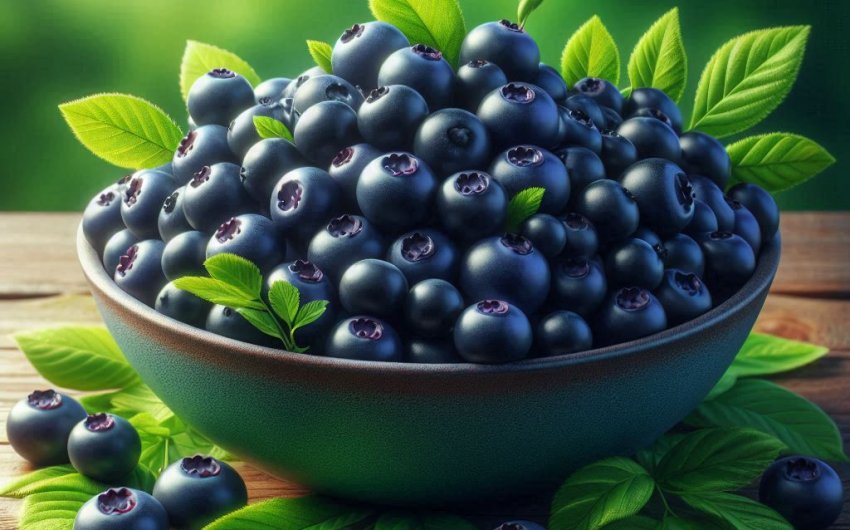
Stepping into Huckleberry Heaven: A Wild and Wonderful Berry is an experience that connects you deeply with nature's bounty. These elusive and intensely flavorful berries, often found in mountain forests and wild landscapes, hold a special place in the hearts of foragers and food enthusiasts alike. Unlike their cultivated cousins, blueberries, huckleberries offer a unique taste that embodies the very essence of the wilderness, making the quest to find or grow them a truly rewarding endeavor.
What Exactly is a Huckleberry?
Huckleberries are a group of small, round berries that are often confused with blueberries due to their similar appearance. However, they belong to different genera and have distinct characteristics.
- Genus Differences:
- Huckleberries: Primarily belong to the genus Gaylussacia (true huckleberries) and also several species within the genus Vaccinium (which also includes blueberries and cranberries).
- Blueberries: Exclusively belong to the genus Vaccinium.
- Key Distinguishing Feature: Seeds!
- The most reliable way to tell them apart is by their seeds. Huckleberries (especially Gaylussacia species) typically have 10 large, hard seeds inside each berry, which can be somewhat noticeable when eaten.
- Blueberries have numerous tiny, soft seeds that are barely noticeable.
- Flavor Profile: Huckleberries generally have a more intense, sometimes tarter, and complex flavor than blueberries. They taste like a wilder, more concentrated version of a blueberry, often with hints of bitterness or a unique sweetness. The flavor can vary greatly depending on the species and growing conditions.
- Appearance: They can range in color from dark blue to purple, reddish, or even black, often with a duller, sometimes waxy, finish compared to the typically powdery "bloom" on blueberries.
Common Huckleberry Species
There are several species of huckleberries, each with its own characteristics and preferred habitats.
Black Huckleberry (Gaylussacia baccata):
- Distribution: Widely found in eastern North America, growing in woodlands and open areas.
- Characteristics: Bears shiny, black berries. These are the "true huckleberries" and contain the distinctive large, hard seeds. They prefer dry, acidic soils.
- Flavor: Often intensely sweet and flavorful.
Mountain Huckleberry (Vaccinium membranaceum):
- Distribution: Abundant in the mountainous regions of western North America (e.g., Rockies, Cascades). This is the iconic huckleberry often sought by foragers in states like Montana and Idaho.
- Characteristics: Large, dark purple to black berries, often without the powdery bloom of blueberries. The seeds are smaller than Gaylussacia but still noticeable.
- Flavor: Highly prized for its strong, sweet, and tart flavor.
Thinleaf Huckleberry (Vaccinium scoparium):
Advertisement- Distribution: Also found in western mountains, often at higher elevations.
- Characteristics: Smaller plants and smaller, often reddish berries.
- Flavor: Sweet, but less intense than the mountain huckleberry.
Dwarf Huckleberry (Gaylussacia dumosa):
- Distribution: Found in sandy, often coastal, plains in eastern North America.
- Characteristics: Low-growing shrub with small, blue-black berries.
Why Are Huckleberries Considered So Special and Elusive?
Huckleberries hold a near-mythical status for several reasons, making their harvest a prized event.
Intense, Unique Flavor:
- Wild Taste: Their flavor is often described as a concentrated, more complex, and sometimes more tart version of a blueberry, with a distinct "wild" quality that cultivated berries lack. It's a taste deeply connected to the wilderness where they grow.
- Regional Delicacy: In areas where they grow abundantly (like the Pacific Northwest or Rocky Mountains), huckleberries are a cherished local delicacy, synonymous with summer.
Difficulty in Cultivation:
- Wild Nature: Unlike blueberries, which have been extensively bred for commercial cultivation, most huckleberry species resist domestication. They have very specific soil and environmental needs that are difficult to replicate outside their natural habitat.
- Slow Growth: Wild huckleberry bushes often grow slowly and take several years to produce significant fruit.
- Lack of Commercial Production: This makes them largely unavailable in supermarkets and contributes to their allure as a wild, foraged fruit.
Foraging Tradition:
- Outdoor Adventure: For many, seeking out huckleberries is an annual tradition and an excuse to get outdoors, explore forests, and connect with nature.
- Scarcity: Their elusiveness and the effort required to find and pick them add to their value and desirability. A bucket of freshly picked huckleberries is a true treasure.
- Respectful Harvesting: Foragers emphasize sustainable and respectful harvesting, leaving plenty for wildlife and future generations.
Ecological Importance:
- Wildlife Food Source: Huckleberries are a critical food source for numerous wildlife species, including bears, birds, deer, and small mammals. Bears in particular rely heavily on huckleberry crops for fattening up before winter hibernation.
- Forest Ecosystem: They are an integral part of many forest ecosystems, contributing to biodiversity and soil health.
Can I Grow Huckleberries in My Home Garden?
While challenging, growing huckleberries in a home garden is possible, especially if you can mimic their preferred wild conditions. Success largely depends on the huckleberry species and your local environment.
True Huckleberries (Gaylussacia species)
- Difficulty: Generally more difficult to cultivate than Vaccinium huckleberries or blueberries.
- Specific Needs: They have very precise requirements for acidic, well-drained, nutrient-poor soil and often need specific soil fungi (mycorrhizae) that are difficult to introduce.
- Availability: Plant starts are less commonly available from nurseries compared to Vaccinium species.
Vaccinium Huckleberries (e.g., Mountain Huckleberry)
- Difficulty: Easier than Gaylussacia but still more challenging than blueberries. They share many cultural requirements with blueberries.
- Availability: Some nurseries, especially those specializing in native plants or in regions where these grow wild, may offer Vaccinium huckleberry plants.
Key Growing Requirements for Vaccinium Huckleberries:
Climate:
- Cold Hardiness: Most huckleberries require a cold winter dormancy period. Check the hardiness zone for the specific species you want to grow.
- Summer Heat: Some species, especially those from high elevations, may struggle in consistently hot, humid summers.
Sunlight:
- Full Sun to Partial Shade: Huckleberries generally prefer full sun (at least 6 hours of direct sun) for best fruit production. In hotter climates, some afternoon shade can be beneficial to prevent scorching.
- Mimic Wild Growth: In their natural habitat, they often grow under a dappled canopy of trees, so filtered light can be ideal.
Soil: This is the most crucial factor.
- Acidity: Huckleberries demand highly acidic soil, with a pH range of 4.5 to 5.5. This is more acidic than what most garden plants prefer. A soil pH meter is essential.
- Organic Matter: They thrive in soil rich in decaying organic matter (like leaf mold and pine needles).
- Drainage: While they like consistent moisture, they hate wet feet. Soil must be very well-drained.
- Amending Soil: If your soil isn't naturally acidic, you'll need to heavily amend it.
- Sphagnum Peat Moss: Dig in large quantities of sphagnum peat moss to lower pH and improve organic content.
- Pine Bark Fines/Pine Needles: Incorporate pine bark fines or aged pine needles to maintain acidity and improve drainage.
- Elemental Sulfur: You can use elemental sulfur to lower pH, but it works slowly and needs time.
- Raised Beds: For challenging soils, consider planting in a raised bed filled with an acidic, well-draining mix.
Watering:
- Consistent Moisture: Huckleberries prefer consistently moist soil, especially during the growing and fruiting season.
- Avoid Overwatering/Drought: Do not let them sit in soggy conditions, but also avoid letting them dry out completely.
- Rainwater: If possible, use rainwater or distilled water, as tap water can often be alkaline and raise the soil pH over time.
Fertilization:
- Acid-Loving Fertilizers: Use fertilizers specifically formulated for acid-loving plants like blueberries or rhododendrons. Look for acid-loving plant fertilizer.
- Organic Matter: Top-dress annually with pine bark fines or leaf mold to maintain acidity and provide slow-release nutrients.
- Avoid Nitrate Fertilizers: Avoid fertilizers containing nitrates, as they can burn the roots of acid-loving plants. Use ammonium-based nitrogen sources.
Mulching:
- Essential: Apply a 2-4 inch layer of pine bark mulch or pine needles around the base of the plants.
- Benefits: Helps retain moisture, suppress weeds, and slowly acidify the soil as it decomposes.
What Are the Nutritional Benefits of Huckleberries?
Beyond their incredible taste, huckleberries are a powerhouse of nutrition, offering numerous health benefits.
Rich in Antioxidants:
- Anthocyanins: Huckleberries are packed with anthocyanins, the pigments that give them their dark blue/purple color. These are potent antioxidants that combat free radicals in the body.
- Benefit: Antioxidants help reduce inflammation, protect cells from damage, and may play a role in preventing chronic diseases like heart disease, cancer, and age-related decline.
High in Vitamins and Minerals:
- Vitamin C: An excellent source of Vitamin C, important for immune function and skin health.
- Vitamin K: Contributes to blood clotting and bone health.
- Manganese: Essential for bone development and metabolism.
- Dietary Fiber: Promotes digestive health, aids in blood sugar regulation, and contributes to a feeling of fullness.
Potential Health Benefits:
- Heart Health: Antioxidants and fiber can contribute to cardiovascular health by reducing cholesterol and improving blood pressure.
- Blood Sugar Regulation: The fiber content and certain compounds in berries can help regulate blood sugar levels, making them a good choice for diabetics (in moderation).
- Anti-Inflammatory Properties: The high antioxidant content helps reduce inflammation throughout the body.
- Eye Health: Anthocyanins are also linked to improved night vision and overall eye health.
- Brain Health: Antioxidants may help protect brain cells and support cognitive function.
Low in Calories: Huckleberries offer a lot of nutritional punch for very few calories, making them a healthy addition to any diet.
How Can I Use Huckleberries in the Kitchen?
The intense flavor of huckleberries makes them a culinary delight, perfect for a wide range of dishes.
Fresh Eating:
- Simple Pleasure: The simplest and arguably best way to enjoy huckleberries is fresh, straight off the bush.
- Toppings: Sprinkle them over yogurt, cereal, oatmeal, or ice cream.
- Salads: Add a pop of flavor and color to fruit salads or green salads with a sweet dressing.
Baking:
- Pies and Crumbles: The quintessential huckleberry dessert is huckleberry pie. They also shine in crumbles, crisps, and tarts.
- Muffins and Scones: Incorporate them into huckleberry muffins, scones, or pancakes for a burst of flavor.
- Bread: Add to sweet breads or quick breads.
Preserves:
- Jams and Jellies: The strong flavor of huckleberries makes them ideal for huckleberry jam or jelly. The large seeds of Gaylussacia huckleberries can be strained out if preferred.
- Syrups: Create a delicious huckleberry syrup for pancakes, waffles, or cocktails.
Beverages:
- Smoothies: Blend into your morning smoothie for a nutrient boost.
- Infused Drinks: Use them to infuse water, lemonade, or iced tea.
- Alcoholic Beverages: Huckleberries are famously used to make huckleberry liqueurs, vodka, and wine.
Savory Dishes:
- Sauces: Create savory sauces for game meats (like venison or duck) or pork. The tartness and sweetness complement rich flavors.
- Relishes/Chutneys: Incorporate into relishes or chutneys for unique flavor profiles.
Freezing and Storing:
- Freezing: Huckleberries freeze beautifully. Lay them in a single layer on a baking sheet, freeze until solid, then transfer to freezer bags. This allows you to enjoy their flavor year-round.
- Drying: You can also dry huckleberries, similar to cranberries, for snacks or trail mix.
What Are the Best Foraging Tips for Wild Huckleberries?
Foraging for wild huckleberries is a cherished outdoor activity, but it requires respect for nature and adherence to safety guidelines.
Identification is Key:
- Know Your Berries: Absolutely crucial. Never eat a berry unless you are 100% certain of its identification. Some poisonous berries can look similar to huckleberries.
- Local Resources: Consult local field guides or knowledgeable foragers in your area.
- Seed Check: Remember the huckleberry's signature large, hard seeds (for Gaylussacia species) as a key differentiator from blueberries.
Timing and Location:
- Peak Season: Huckleberry season typically runs from mid-summer through early fall (July to September), varying by species, elevation, and climate.
- Habitat:
- Western Huckleberries (Vaccinium membranaceum, V. globulare): Found at mid to high elevations (2,000-7,000 feet) in mountainous regions, often in subalpine forests, clear-cuts, or areas recovering from fires. They prefer well-drained, acidic soil.
- Eastern Huckleberries (Gaylussacia baccata): Found in drier, acidic woodlands, often on sandy or rocky soils, along forest edges, and in pine barrens.
- Look for Habitats: Learn about the specific trees and plants that commonly grow alongside huckleberries in your region (e.g., in the Pacific Northwest, they often grow under Western Hemlock or Douglas Fir).
Ethical Foraging Practices:
- Leave Plenty: Never strip a bush clean. Always leave plenty of berries for wildlife (especially bears!) and for other foragers. A good rule of thumb is to take no more than 10-20% from a given bush or patch.
- Minimize Disturbance: Try not to trample other plants or disturb the soil.
- No Commercial Picking: If you're on public land, ensure you're aware of and adhere to any regulations regarding commercial harvesting, which is usually prohibited.
Safety Precautions:
- Bear Awareness: In bear country, be extremely bear aware. Make noise, carry bear spray, and know what to do if you encounter a bear. Do not pick alone.
- Tell Someone: Always let someone know where you are going and when you expect to return.
- Dress Appropriately: Wear long pants and sleeves to protect against scratches, ticks, and insects. Wear sturdy hiking boots.
- Hydrate: Carry plenty of water.
- Maps/GPS: Bring a map or GPS device to avoid getting lost.
- Permits: Check with local authorities (National Forests, State Parks) about any required foraging permits.
Picking Tools:
- Hands-Only: Many experienced foragers prefer to pick by hand for quality control and to minimize damage to the bushes.
- Berry Rakes/Combs: While some foragers use berry rakes or combs to speed up the process, these can damage the bushes and collect leaves and debris. If using one, be gentle.
- Containers: Bring sturdy containers like buckets or baskets.
The journey into Huckleberry Heaven: A Wild and Wonderful Berry offers a taste of the wild that is hard to match. Whether you forage for these prized fruits or carefully cultivate them, their intense flavor and unique place in nature make them a truly special addition to any culinary adventure or garden.