
Boysenberry Bliss: A Delicious and Nutritious Hybrid Fruit
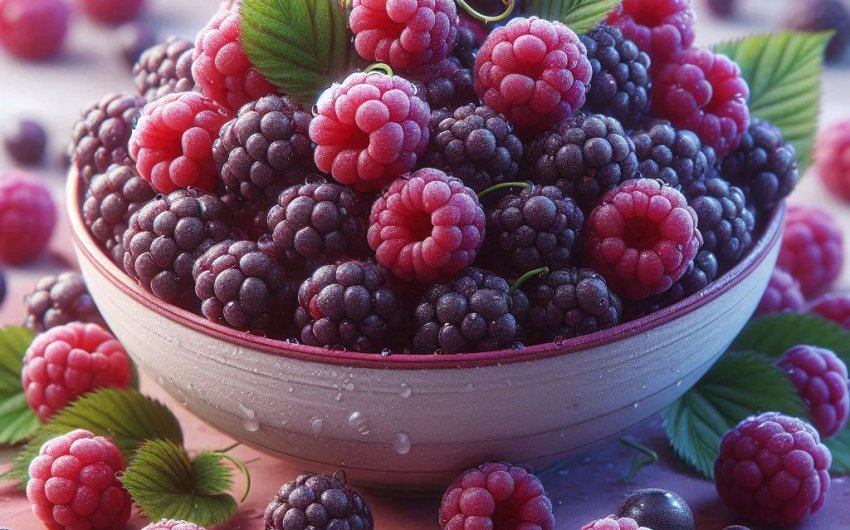
The boysenberry is a delightful hybrid fruit, a cross between a raspberry, blackberry, and loganberry, offering a unique sweet-tart flavor with notes of all its parent berries. This plump, reddish-purple fruit is not only delicious but also packed with beneficial nutrients.
What Exactly is a Boysenberry and Where Did It Come From?
A boysenberry is a complex hybrid berry, belonging to the Rubus genus, which includes raspberries and blackberries. It’s believed to be a cross among the European raspberry (Rubus idaeus), the common blackberry (Rubus allegheniensis), the loganberry (Rubus × loganobaccus), and possibly the Pacific dewberry (Rubus ursinus). Its origins trace back to the early 20th century in California.
The Fascinating History of the Boysenberry
The story of the boysenberry is quite intriguing and involves a bit of horticultural detective work:
- Rudolph Boysen's Creation: The berry is named after its presumed originator, Rudolph Boysen, a horticulturist in Anaheim, California. In the late 1920s, Boysen cultivated a new berry at his farm. The exact parentage and initial crosses are somewhat shrouded in mystery, but it was undoubtedly a hybrid, possibly an accidental cross or one he meticulously developed.
- The Search and Rediscovery: Boysen eventually abandoned his farm and the unique berry. Luckily, George M. Darrow, a berry expert with the U.S. Department of Agriculture, heard rumors of an unusual, large, reddish-purple berry. He tracked down Boysen, who led him to his old, neglected farm. There, Darrow found a few struggling plants of the peculiar berry.
- Walter Knott's Role: Darrow took the plants to Walter Knott, a farmer and berry grower in Buena Park, California. Knott successfully cultivated and propagated the berry, saving it from obscurity. In 1932, Knott began selling the berries at his roadside stand, and their popularity quickly grew.
- Knott's Berry Farm: The success of the boysenberry led to the expansion of Knott's berry stand, which eventually evolved into the famous theme park, Knott's Berry Farm, built on the reputation of this unique fruit.
- Commercial Decline (and Niche Revival): Despite its early popularity, boysenberry cultivation faced challenges due to the fruit's delicate nature, susceptibility to disease, and difficulty in mechanized harvesting. This led to a decline in commercial production in the United States. However, it found a strong foothold in New Zealand, which became a major producer. In recent years, there has been a renewed interest in specialty and heirloom fruits, leading to a small resurgence in boysenberry cultivation in parts of the U.S.
Today, the boysenberry remains a cherished, albeit somewhat rare, fruit, celebrated for its unique flavor and rich history as a true American hybrid.
What Does a Boysenberry Taste Like?
The flavor of a boysenberry is often described as a sophisticated blend of its parent berries, offering a complex and delightful taste experience that sets it apart from other common berries.
A Symphony of Sweet and Tart
- Sweetness: Boysenberries are notably sweeter than most blackberries, often lacking the tartness that can characterize some blackberry varieties. This sweetness is rich and deep.
- Tartness: While sweet, they also possess a refreshing tang or tartness, particularly when fully ripe. This tartness prevents them from being cloyingly sweet and adds to their complexity.
- Notes of Raspberry: You'll often detect the bright, aromatic notes of a raspberry, contributing a delicate fragrance and a slightly floral undertone.
- Hints of Blackberry: The deeper, earthier undertones come from the blackberry lineage, giving the boysenberry a robust, full-bodied flavor.
- Subtle Loganberry Influence: The loganberry, itself a blackberry-raspberry cross, contributes to the boysenberry's overall unique balance of flavors.
- Juicy and Plump: Ripe boysenberries are incredibly juicy, bursting with flavor when eaten fresh. They have a softer texture than blackberries, though still retain some firmness.
- Overall Profile: The consensus is a rich, luscious, sweet-tart flavor with distinct berry aromatics. It's often considered superior to many other berries for its balanced complexity.
This distinctive flavor profile makes the boysenberry highly versatile in culinary applications, from fresh eating to baking and preserves.
What Are the Nutritional Benefits of Boysenberries?
Beyond their delicious taste, boysenberries are packed with an impressive array of nutrients, making them a fantastic addition to a healthy diet. Like many dark-colored berries, they are particularly rich in antioxidants.
Key Nutritional Highlights of Boysenberries
A typical serving (e.g., 1 cup) of boysenberries is a low-calorie, nutrient-dense powerhouse:
- Rich in Vitamin C: Boysenberries are an excellent source of Vitamin C, a powerful antioxidant vital for immune system function, skin health (collagen production), and wound healing.
- High in Dietary Fiber: They are very high in dietary fiber, which is crucial for digestive health, promoting regularity, and aiding in maintaining healthy blood sugar levels. Fiber also contributes to a feeling of fullness, which can be beneficial for weight management.
- Good Source of Vitamin K: They provide a significant amount of Vitamin K, essential for blood clotting and bone health.
- Manganese Content: Boysenberries are a good source of Manganese, an important trace mineral involved in bone development, metabolism, and antioxidant defense.
- Anthocyanins (Antioxidants): The vibrant reddish-purple color of boysenberries comes from anthocyanins, powerful antioxidants that combat free radicals in the body. These compounds are associated with reducing inflammation and potentially lowering the risk of chronic diseases.
- Other Antioxidants: In addition to anthocyanins, boysenberries contain other antioxidants like ellagic acid and quercetin, which further contribute to their health-protective properties.
- Low in Calories: Despite their sweetness, boysenberries are relatively low in calories, making them a guilt-free indulgence.
- Hydrating: Being juicy, they contribute to your daily fluid intake, aiding in hydration.
Incorporating boysenberries into your diet can boost your intake of essential vitamins, minerals, and antioxidants, supporting overall health and well-being.
How Can I Use Boysenberries in the Kitchen?
The unique sweet-tart flavor and juicy texture of boysenberries make them incredibly versatile in the kitchen. From fresh eating to baking and preserving, there are countless delicious ways to enjoy this hybrid fruit.
Culinary Uses for Boysenberries
Fresh Eating:
- Straight from the Bush: The simplest and often best way to enjoy boysenberries is fresh, either as a snack or part of a fruit salad.
- Yogurt and Cereal Topping: Sprinkle fresh boysenberries over yogurt, oatmeal, or cold cereal for added flavor and nutrition.
- Smoothies: Blend frozen or fresh boysenberries into smoothies for a vibrant color and tangy sweetness. Try a Berry Smoothie Blender for easy prep.
Baking and Desserts:
- Pies and Tarts: Boysenberries make exquisite pies and tarts. Their flavor stands up well to baking, and their juiciness creates a delicious filling. Consider making a classic boysenberry pie or small individual tarts.
- Crumbles and Crisps: Combine boysenberries with a buttery, oat topping for a comforting crumble or crisp.
- Muffins and Scones: Fold boysenberries into muffin batter or scone dough for a burst of berry flavor in your baked goods.
- Cakes and Cupcakes: Use boysenberry puree or fresh berries in cake batters, or as a vibrant frosting flavor.
- Cobblers: A bubbling boysenberry cobbler with a biscuit topping is a delightful summer dessert.
- Ice Cream and Sorbet: Homemade boysenberry ice cream or a refreshing boysenberry sorbet allows the fruit's flavor to shine. An Ice Cream Maker for Home is a great investment.
Preserves and Sauces:
- Jams and Jellies: The boysenberry's natural pectin makes it ideal for jams and jellies. Boysenberry jam is a classic and highly sought-after preserve.
- Syrups: Simmer boysenberries with sugar and water to create a delicious syrup for pancakes, waffles, or cocktails.
- Sauces for Meats: A sweet and tangy boysenberry sauce can beautifully complement roasted meats like duck, pork, or lamb.
- Vinaigrettes: Puree boysenberries into a vinaigrette for a fresh, fruity salad dressing.
Beverages:
- Cocktails and Mocktails: Muddle fresh boysenberries into your favorite drinks or use boysenberry syrup for a unique twist.
- Infused Water: Add fresh boysenberries to water for a subtly flavored, refreshing drink.
Tips for Cooking with Boysenberries
- Handle Gently: Boysenberries are delicate when ripe, so handle them with care to avoid bruising.
- Adjust Sweetness: Taste your berries first. If they are very tart, you might need to add a bit more sugar to your recipes.
- Fresh vs. Frozen: Fresh boysenberries are best, but frozen ones work perfectly well for baking, sauces, and smoothies. Do not thaw completely for baking, as this can make the batter too watery.
The versatility of the boysenberry means it can elevate a wide range of dishes, adding its unique "bliss" to your culinary creations.
Can I Grow Boysenberries in My Backyard?
Yes, you can absolutely grow boysenberries in your backyard! While they require a bit of care, successful cultivation can reward you with an abundant harvest of these delicious fruits. They are typically grown as canes, similar to blackberries and raspberries.
Key Considerations for Growing Boysenberries
Climate and Hardiness Zones:
- Boysenberries thrive in USDA Hardiness Zones 5-9. They need a chilling period in winter (around 200-800 hours below 45°F or 7°C) to produce fruit, but too much cold can damage the canes.
- They prefer mild climates, avoiding extreme heat or severe cold.
Sunlight Requirements:
- Like most berries, boysenberries need full sun for optimal fruit production. Aim for at least 6-8 hours of direct sunlight per day.
Soil Requirements:
- They prefer well-draining soil that is rich in organic matter.
- A slightly acidic to neutral pH (5.5-7.0) is ideal.
- Amend heavy clay soils with compost or other organic materials to improve drainage. Consider a soil testing kit to determine your soil's pH.
Planting:
- Timing: Plant bare-root boysenberry canes in early spring, after the last frost.
- Spacing: Space plants about 3-5 feet apart in rows, with rows 6-8 feet apart.
- Support: Boysenberry canes are vigorous and need support. Install a trellis or a two-wire system at the time of planting. Wires can be strung at 3 feet and 5 feet high.
Watering:
- Consistent watering is crucial, especially during dry spells and when fruits are developing. Aim for about 1 inch of water per week, either from rain or irrigation.
- Drip irrigation or soaker hoses are excellent for direct watering to the root zone, reducing fungal issues.
Pruning:
- Boysenberries fruit on floricanes (canes that grew the previous year). After fruiting, these canes die back.
- Post-Harvest Pruning (Summer): After harvest, cut back the floricanes that just produced fruit to the ground.
- Winter Pruning: In late winter or early spring, prune back the primocanes (new canes that grew last year and will fruit this year) to about 6-8 strong canes per plant. Train these onto your trellis.
- Remove any weak, diseased, or damaged canes.
- Thorns: Be aware that most boysenberry varieties are thorny, so wear thick gardening gloves (like thorn-proof gardening gloves) when handling them. Thornless varieties are available but can sometimes be less vigorous or productive.
Fertilization:
- Apply a balanced fertilizer in early spring as new growth emerges. Follow package directions based on a soil test.
Pest and Disease Management:
- Monitor for common berry pests (aphids, cane borers) and diseases (rust, anthracnose). Good air circulation through proper spacing and pruning helps prevent issues.
- Remove diseased canes promptly.
Harvesting:
- Boysenberries ripen in early to mid-summer, typically June to July depending on your climate.
- Harvest when the berries are fully deep reddish-purple and easily detach from the cane. They don't ripen further after picking.
With proper care, a few boysenberry plants can provide you with a bountiful supply of this delicious and nutritious hybrid fruit.
What's the Difference Between Boysenberries and Other Berries?
While the boysenberry shares characteristics with its parent berries—raspberries, blackberries, and loganberries—it also possesses distinct qualities that set it apart. Understanding these differences helps appreciate its unique place in the berry family.
Boysenberry vs. Its Relatives and Other Common Berries
| Feature/Berry | Boysenberry | Raspberry | Blackberry | Loganberry | Strawberry | Blueberry |
|---|---|---|---|---|---|---|
| Parentage | Complex hybrid (Raspberry, Blackberry, Loganberry, Pacific Dewberry) | True species, various types (Red, Black, Purple) | True species, various types (Wild, Cultivated) | Hybrid (Blackberry x Raspberry) | Not a true berry (accessory fruit) | True berry, various types |
| Appearance | Large, plump, dark reddish-purple | Smaller, hollow core, red/black | Varies, generally conical, solid core, dark purple/black | Elongated, reddish-purple | Heart-shaped, red, small seeds on outside | Small, round, blue/purple |
| Flavor Profile | Sweet-tart, rich, complex; notes of raspberry & blackberry | Sweet-tart, distinct "raspberry" aroma, bright | Tart (esp. wild), earthy, sometimes seedy | Tangy, tart, hint of raspberry | Sweet, juicy, aromatic | Sweet-tart, subtle, earthy |
| Texture | Soft, juicy, delicate | Soft, delicate | Firmer than raspberry, juicy | Firmer than raspberry, softer than blackberry | Juicy, fibrous | Soft, slightly waxy skin, juicy |
| Core | Solid (similar to blackberry) | Hollow (separates from receptacle) | Solid | Solid | Solid | Solid |
| Thorns | Most varieties thorny, thornless available | Many thorny, some thornless | Most thorny, thornless common | Thorny | Thornless | Thornless |
| Availability | Niche, specialty fruit; main production in NZ | Widespread | Widespread | Less common than main berries | Widespread | Widespread |
| Commercial Use | Jams, pies, desserts, specialty items | Fresh, jams, desserts, baking | Fresh, jams, desserts, baking | Jams, desserts, specialty | Fresh, jams, desserts, baking | Fresh, jams, desserts, baking |
Key Distinctions of the Boysenberry
- Hybrid Status: The boysenberry is a renowned hybrid, purposely combining desirable traits from its parent berries. This gives it a unique flavor that's more complex than a single berry.
- Size and Plumpness: Boysenberries are generally larger and plumper than raspberries, and often larger than many blackberry varieties.
- Solid Core: Like blackberries, boysenberries have a solid core (the receptacle remains with the fruit when picked), distinguishing them from raspberries which have a hollow core.
- Flavor Balance: What truly sets the boysenberry apart is its exceptional balance of sweetness and tartness, often described as richer and more aromatic than a pure blackberry or a pure loganberry. The raspberry notes add a fragrant dimension not always present in blackberries.
- Delicacy: Boysenberries are known for being quite delicate once picked, which contributes to their lower commercial availability compared to more robust berries.
The boysenberry is truly a unique "bliss" in the berry world, offering a distinctive flavor that makes it a favorite among berry connoisseurs.
Where Can I Find Boysenberries?
Finding boysenberries can sometimes be a delightful challenge, as they are not as widely available as more common berries like strawberries, blueberries, or even raspberries and blackberries. Their delicate nature and lower commercial production mean they are often a specialty item.
Sources for Boysenberries
- Farmers' Markets: This is often the best place to find fresh boysenberries during their relatively short season (typically late spring to mid-summer, depending on your region). Local growers who cultivate specialty berries are more likely to have them.
- U-Pick Farms: Some berry farms, especially those that specialize in cane berries, may offer boysenberries for "U-pick" (pick-your-own). This is a fantastic way to get fresh, ripe berries and experience the harvest.
- Specialty Grocery Stores: High-end grocery stores or those with a strong focus on local and specialty produce might carry fresh boysenberries when in season. Check with your local produce manager.
- Frozen Section: Due to their short fresh season and delicate nature, frozen boysenberries are a more common find in many grocery stores. Check the frozen fruit aisle of larger supermarkets or natural food stores. Frozen boysenberries are excellent for smoothies, baking, and making jams.
- Online Retailers (Frozen/Products): You can sometimes find frozen boysenberries or boysenberry products (jams, syrups, pie fillings) through online specialty food retailers.
- Direct from Growers: If you live near a region known for berry cultivation (e.g., parts of California, Oregon, or New Zealand for imported products), you might find growers who ship fresh or frozen berries.
- Grow Your Own: As discussed, growing boysenberries in your backyard is a rewarding way to ensure a fresh supply. You can purchase boysenberry plants from reputable nurseries, often online.
While not as ubiquitous as other berries, the search for boysenberries is well worth it for their unique flavor and nutritional benefits, offering a true "bliss" to those who seek them out.