
Honeyberry Harmony: A Sweet and Hardy Fruit for Your Garden
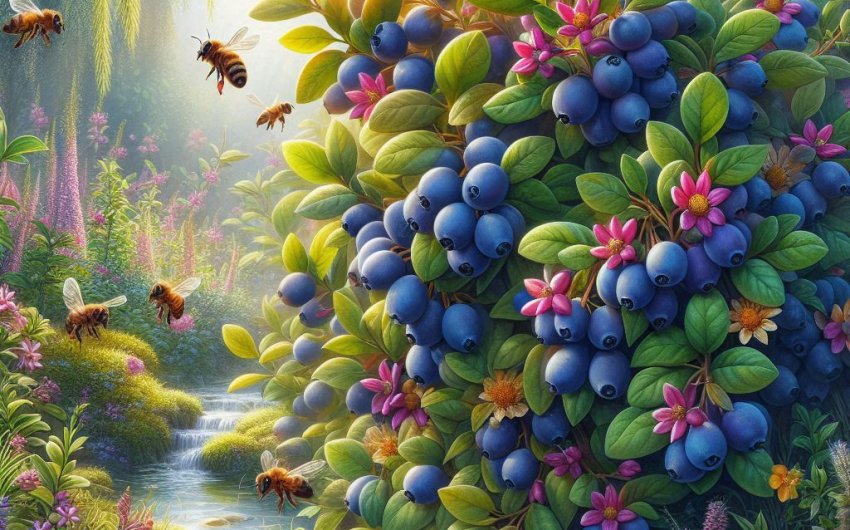
If you're looking for a sweet and hardy fruit to add to your garden, honeyberries are an exceptional choice. These often-overlooked berries, also known as haskap, offer a unique flavor profile, incredible cold hardiness, and an early harvest that can kick off your fruiting season. Discovering the joy of honeyberry harmony in your backyard promises a delightful and low-maintenance addition to your edible landscape.
What Exactly are Honeyberries and Why Grow Them?
Honeyberries are the edible fruit of certain species of Lonicera caerulea, a shrub native to colder regions of the Northern Hemisphere. They are distinct from traditional honeysuckles, though they share a genus. These small, elongated berries, often described as a cross between a blueberry and a raspberry with a hint of blackcurrant, are celebrated for their early ripening, typically weeks before strawberries or blueberries.
What Makes Honeyberries Unique Among Berries?
Several characteristics set honeyberries apart from other common garden fruits. Their unique attributes make them a compelling choice for gardeners seeking something different and robust.
- Exceptional Cold Hardiness: Honeyberry plants are incredibly tolerant of cold temperatures. Many varieties can withstand winter lows down to -40°F (-40°C) and even below. This makes them ideal for gardeners in colder climates where other berries might struggle.
- Early Ripening: This is one of their most exciting features. Honeyberries are often the first berries ready for harvest in late spring or early summer, providing fresh fruit when little else is available.
- Nutritional Powerhouse: These berries are packed with antioxidants, vitamins, and minerals. They boast high levels of anthocyanins, contributing to their deep color and potential health benefits.
- Relatively Pest and Disease Resistant: Compared to many other fruit crops, honeyberries tend to be quite resilient to common pests and diseases, reducing the need for extensive chemical interventions.
- Unique Flavor Profile: The taste of honeyberries is complex and varies by variety. Some are tart and tangy, others are delightfully sweet, often with notes of blueberry, raspberry, or blackcurrant. This versatility makes them excellent for fresh eating, baking, jams, and more.
What are the Benefits of Adding Honeyberries to My Garden?
Beyond their unique characteristics, growing honeyberries offers several practical and culinary advantages for any home gardener.
- Extended Harvest Season: By planting early-ripening honeyberries, you extend the period during which you can harvest fresh fruit from your garden.
- Low Maintenance: Once established, honeyberry bushes require relatively little care compared to some other fruit crops.
- Adaptable to Various Soil Types: While they prefer well-draining soil, honeyberries are quite tolerant of different soil conditions.
- Attractive Shrubs: The plants themselves are attractive, with a bushy growth habit and sometimes attractive fall foliage, making them suitable for edible landscaping.
- Good for Pollinators: Their early blossoms provide a valuable food source for early-emerging pollinators.
- Versatile Culinary Uses: Enjoy them fresh, in smoothies, baked goods, jams, jellies, or even wine.
How Do I Choose the Right Honeyberry Varieties?
Choosing the right honeyberry varieties is crucial for successful cultivation, primarily because most varieties require cross-pollination to produce fruit. This means you generally need at least two different varieties that bloom at the same time to ensure a good harvest.
What are the Best Honeyberry Varieties for My Climate?
While most honeyberry varieties are cold-hardy, some are better suited for specific regions or offer different flavor profiles. Consider your USDA Plant Hardiness Zone when selecting.
- Early-Blooming Varieties (for Zones 2-7):
- 'Borealis': Known for its sweet, slightly tart flavor. A good general-purpose pollinator.
- 'Tundra': Produces firm, flavorful berries. Often pollinated by 'Borealis'.
- 'Honeybee': Excellent pollinator for many early and mid-season varieties, often used with 'Borealis' or 'Tundra'.
- 'Aurora': A very popular variety known for its large, sweet berries and good yield. Often pollinated by 'Borealis', 'Tundra', or 'Honeybee'.
- Mid-to-Late Blooming Varieties (for Zones 2-8):
- 'Indigo Gem': Produces juicy, slightly tart berries. A good pollinator for 'Aurora' and other mid-season types.
- 'Indigo Treat': Similar to 'Indigo Gem', offering a slightly sweeter flavor.
- 'Berry Smart Blue': A newer variety known for its intense blue color and good flavor.
- 'Maxie': Large, elongated berries with a good sweet-tart balance. Requires a late-blooming pollinator.
Why is Cross-Pollination So Important for Honeyberries?
Most honeyberry varieties are not self-fertile. This means a single plant will produce little to no fruit on its own. To achieve a good harvest, you need to plant at least two different varieties that are genetically compatible and bloom at roughly the same time. Bees and other pollinators then transfer pollen between the different plants.
- Tips for successful pollination:
- Select companion varieties: Ensure your chosen varieties are known to pollinate each other. Nurseries often list compatible partners.
- Plant in close proximity: Place pollinator plants within 10-20 feet (3-6 meters) of each other to ensure easy pollen transfer by insects.
- Consider bloom times: Check the bloom times of varieties to ensure they overlap. Early, mid, and late season bloomers are available.
- Buy named varieties: Avoid generic "honeyberry" plants; specify named varieties to ensure compatibility. A honeyberry plant starter pack with multiple varieties is often available.
Where and When Should I Plant Honeyberries?
Proper site selection and planting time are fundamental to the success of your honeyberry bushes. These plants are adaptable but thrive best when their preferred conditions are met from the start.
What is the Ideal Location for Planting Honeyberries?
Choosing the right spot in your garden is crucial for healthy honeyberry growth and abundant fruit production.
- Sunlight: Full sun to partial shade. While they tolerate some shade, for the best fruit production and sweetest berries, aim for at least 6-8 hours of direct sunlight per day. In very hot climates, afternoon shade can be beneficial.
- Soil: Well-draining soil with a pH between 5.0 and 7.5. Honeyberries are adaptable but prefer slightly acidic to neutral soil. Avoid heavy clay soils that retain too much water. If your soil is heavy, amend it with organic matter like compost to improve drainage. You can test your soil with a soil pH testing kit.
- Air Circulation: Good air circulation helps prevent fungal diseases. Avoid planting in overly sheltered, damp locations.
- Spacing: Plant honeyberry bushes 3-5 feet (0.9-1.5 meters) apart. If planting in rows, space rows 8-10 feet (2.4-3 meters) apart to allow for maintenance and harvesting.
When is the Best Time to Plant Honeyberry Bushes?
The best time to plant honeyberry bushes largely depends on whether you are planting bare-root plants or potted plants.
- Fall Planting (preferred for bare-root): This is often ideal as it allows the roots to establish before winter, giving the plant a head start in spring. Plant after the leaves have dropped in late fall but before the ground freezes.
- Spring Planting (suitable for both): Plant as soon as the ground can be worked in early spring, before the plants break dormancy. This is the most common time for potted plants from nurseries.
- Avoid Summer Planting: The heat and stress of summer can be detrimental to newly planted bushes. If you must plant in summer, ensure excellent watering and consider some temporary shade.
How Do I Plant Honeyberry Bushes Correctly?
Proper planting technique ensures your honeyberry bush establishes a strong root system.
- Prepare the Hole: Dig a hole twice as wide as the root ball and just as deep.
- Amend Soil (if needed): If your soil is poor or heavy clay, mix some organic compost or aged manure into the excavated soil.
- Position the Plant:
- Potted Plants: Gently remove the plant from its container. Loosen any circling roots at the bottom. Place the plant in the hole so that the top of the root ball is level with the surrounding soil.
- Bare-Root Plants: Spread the roots out in the hole. Create a small mound in the center of the hole to drape the roots over. The crown (where the roots meet the stem) should be at soil level.
- Backfill: Gently fill the hole with the amended soil, firming it lightly around the roots to remove air pockets.
- Water Thoroughly: Water deeply immediately after planting to settle the soil and eliminate air pockets.
- Mulch: Apply a 2-4 inch (5-10 cm) layer of organic mulch (like wood chips, straw, or pine needles) around the base of the plant, keeping it a few inches away from the stem. Mulch helps retain moisture, suppress weeds, and regulate soil temperature. A good garden mulch is essential.
What are the Essential Care Requirements for Honeyberries?
Once planted, honeyberries are relatively low-maintenance, but consistent care in key areas will ensure strong growth and bountiful harvests.
How Often Should I Water My Honeyberry Plants?
Consistent watering is crucial, especially during the establishment phase and dry periods.
- First Year: Newly planted honeyberries need regular watering. Water deeply 2-3 times a week, ensuring the soil remains consistently moist but not waterlogged.
- Established Plants: Once established (after the first year), honeyberries are more drought-tolerant. However, they still benefit from deep watering during dry spells, especially when fruit is developing. Aim for about 1 inch (2.5 cm) of water per week, either from rain or irrigation.
- Monitoring Soil: The best way to know when to water is to check the soil moisture. Stick your finger 2-3 inches (5-7.5 cm) into the soil. If it feels dry, it's time to water.
Do Honeyberries Need Fertilizer, and When?
Fertilization can promote vigorous growth and fruit production, but it's important not to overdo it.
- First Year: Avoid fertilizing newly planted honeyberries. The root system needs to establish first.
- Established Plants (Year 2+):
- Apply a balanced slow-release granular fertilizer in early spring, just as new growth begins. A slow-release granular fertilizer is a good option.
- Alternatively, use a balanced organic fertilizer or a top-dressing of compost around the base of the plants annually.
- Follow the product instructions for application rates.
- Avoid high-nitrogen fertilizers after early spring, as too much nitrogen can promote leafy growth at the expense of fruit production.
How and When Should I Prune Honeyberry Bushes?
Pruning honeyberry bushes is essential for maintaining plant health, promoting air circulation, and ensuring consistent fruit production. They fruit on old wood, primarily on lateral branches that grew the previous year.
- When to Prune: The best time to prune is in late winter or early spring while the plants are still dormant.
- Pruning Goals:
- Remove dead, damaged, or diseased branches: Cut these back to healthy wood or to the ground.
- Remove crossing or rubbing branches: This improves air circulation and prevents wounds.
- Thin out old, unproductive wood: As bushes mature (after 3-5 years), remove some of the oldest, thickest stems at the base to encourage new, more productive growth. Aim to remove about 10-20% of the oldest stems each year.
- Maintain shape and size: You can lightly prune to maintain a desirable size and shape, but avoid heavy pruning that removes too much fruiting wood.
- Tools: Use sharp, clean pruning shears or loppers for thicker stems.
What are Common Pests and Diseases of Honeyberries?
One of the great advantages of honeyberries is their general resistance to many common fruit pests and diseases. However, occasional issues can arise.
Common Pests:
- Birds: The biggest "pest" for honeyberries are often birds, who love the early-ripening fruit. Netting is often the most effective solution. Consider a bird netting kit to protect your harvest.
- Aphids: Small sap-sucking insects that can sometimes appear on new growth. A strong spray of water can dislodge them, or use insecticidal soap.
- Powdery Mildew: A fungal disease that causes a white, powdery coating on leaves. Good air circulation helps prevent this.
- Root Rot: Primarily caused by overwatering or poorly draining soil. Ensure proper drainage.
Prevention and Management:
- Good cultural practices: Proper watering, good air circulation, and appropriate spacing go a long way in preventing most problems.
- Regular inspection: Check your plants regularly for any signs of trouble.
- Organic solutions: For minor pest issues, try organic sprays like neem oil or insecticidal soap.
When and How Do I Harvest Honeyberries?
One of the most exciting times for any gardener is harvest. With honeyberries, timing is key to getting the sweetest fruit.
When are Honeyberries Ready for Harvest?
Honeyberries are among the earliest fruits to ripen, often in late spring or early summer, weeks before blueberries.
- Color Change is Not Enough: Unlike many berries, honeyberries can look ripe (fully blue) several days or even a week before they are truly sweet.
- The Squeeze Test: The best way to tell if they're ready is to gently squeeze a berry. If it easily separates from the stem, it's likely ripe. If it holds on tightly, it needs more time.
- Taste Test: The ultimate test is to simply taste one! They should be sweet with a hint of tartness. If they're still very tart, wait a few more days.
- Ripening Period: The harvest period for a single variety typically lasts for 2-3 weeks.
How Do I Harvest Honeyberries?
Harvesting honeyberries is usually a simple process.
- Gentle Hand Picking: The easiest way to harvest is by gently plucking the ripe berries from the branches.
- Shake Method (for larger harvests): For larger yields, you can place a tarp or sheet under the bush and gently shake the branches. The ripe berries will fall off.
- Handle Gently: Honeyberries have delicate skins, so handle them carefully to avoid bruising.
- Harvest Regularly: Check your bushes every few days during the harvest season to pick ripe berries and encourage more ripening.
How Do I Store Fresh Honeyberries?
Proper storage helps extend the freshness of your honeyberry harvest.
- Refrigeration: Fresh honeyberries can be stored in the refrigerator for up to a week. Place them in a shallow container, ideally in a single layer, to prevent crushing. Do not wash them until just before use, as moisture can promote spoilage.
- Freezing: Honeyberries freeze exceptionally well.
- Wash and gently pat them dry.
- Spread them in a single layer on a baking sheet.
- Freeze until solid (a few hours).
- Transfer the frozen berries to freezer-safe bags or containers. This prevents them from clumping together. Frozen honeyberries can be stored for 6-12 months.
What are the Best Culinary Uses for Honeyberries?
The unique flavor profile of honeyberries makes them incredibly versatile in the kitchen. From fresh eating to baked goods and preserves, these berries can elevate a wide range of dishes.
How Can I Enjoy Fresh Honeyberries?
The simplest way to appreciate honeyberries is straight from the bush or added to your favorite fresh dishes.
- Snacking: Their small size and unique flavor make them perfect for a healthy snack.
- Breakfast Boost: Add them to oatmeal, yogurt, cereals, or pancakes for a burst of flavor and nutrients.
- Salads: Their sweet-tart taste can be a delightful addition to fresh green salads or fruit salads.
- Smoothies: Blend frozen or fresh honeyberries into your morning smoothie for a vibrant color and delicious taste. A good blender is essential for smoothies.
What are Some Popular Baked Goods Featuring Honeyberries?
Honeyberries perform beautifully in various baked goods, offering a delightful twist on traditional berry recipes.
- Pies and Tarts: Use them as a filling, either on their own or mixed with other fruits like apples or rhubarb.
- Muffins and Scones: Fold them into your favorite muffin or scone batter for a moist and flavorful treat.
- Crumble and Cobbler: A warm honeyberry crumble with a scoop of vanilla ice cream is a perfect dessert.
- Cakes and Quick Breads: Incorporate them into pound cakes, quick breads, or coffee cakes.
Can I Make Jams, Jellies, or Sauces with Honeyberries?
Absolutely! The pectin content and natural acidity of honeyberries make them excellent for preserves and sauces.
- Jams and Jellies: They make a delicious jam with a distinctive flavor. You can make honeyberry jam just like any other berry jam.
- Syrups: Create a simple syrup to pour over pancakes, waffles, or ice cream.
- Sauces: Cook them down into a sauce for savory dishes, like pork or poultry, or for desserts.
- Wine and Liqueurs: For the adventurous, honeyberries can be used to make flavorful homemade wine or liqueurs.
What are Common Challenges When Growing Honeyberries?
While generally easy to grow, new honeyberry growers might encounter a few common challenges. Knowing what to expect can help you overcome them.
Why is My Honeyberry Plant Not Producing Fruit?
This is a common concern, especially for first-time honeyberry growers.
- Lack of Cross-Pollination: The most frequent reason. As discussed, you need at least two genetically distinct varieties that bloom at the same time for good fruit set.
- Solution: Plant another compatible variety nearby. If you only have one bush, acquiring a second, different variety is crucial.
- Plant Immaturity: Young honeyberry plants (first 1-2 years) may produce very little or no fruit as they focus on establishing their root system and vegetative growth.
- Solution: Be patient! Fruit production will increase with age.
- Poor Pollinator Activity: Cold or rainy weather during bloom can reduce bee activity, leading to poor pollination.
- Solution: Consider planting in a more sheltered spot or ensuring good pollinator habitat in your garden.
- Nutrient Imbalance: Too much nitrogen can lead to lush leafy growth at the expense of flowers and fruit.
- Solution: Use a balanced fertilizer and avoid excessive nitrogen.
Why Are My Honeyberries Bitter or Sour?
If your honeyberries are too tart or have a bitter aftertaste, it's usually a sign they haven't fully ripened.
- Under-Ripeness: This is the primary reason. As mentioned, honeyberries turn blue well before they are fully sweet.
- Solution: Wait until the berries easily pull away from the stem with a gentle tug. Taste-testing a few is the best way to determine peak sweetness.
- Variety Choice: Some varieties are naturally more tart than others.
- Solution: If you prefer sweeter berries, choose varieties known for sweetness, such as 'Aurora' or 'Borealis'.
- Stress: Environmental stress (e.g., severe drought or extreme heat) can sometimes affect fruit flavor.
- Solution: Ensure consistent watering and good growing conditions.
Are Honeyberries Vulnerable to Specific Diseases?
Compared to many other fruits, honeyberries are quite disease-resistant. However, no plant is entirely immune.
- Fungal Issues: In very humid or poorly ventilated conditions, some fungal issues like powdery mildew (white powdery coating on leaves) or botrytis (gray mold, especially on fruit) can occur.
- Solution: Ensure good air circulation, proper plant spacing, and avoid overhead watering late in the day. Prune to open up the canopy.
- Root Rot: This is the most serious disease concern and is almost always due to overwatering or poorly draining soil.
- Solution: Ensure excellent drainage in your planting site. Avoid soggy conditions.
How Can I Protect My Honeyberry Harvest from Birds?
Birds are often the biggest challenge to a successful honeyberry harvest because the fruit ripens so early and is a highly desirable food source.
- Bird Netting: This is by far the most effective method. Drape fine mesh bird netting over your bushes as the berries begin to ripen. Ensure the netting is securely fastened to the ground or around the plant to prevent birds from getting underneath. A reusable bird netting is a good investment.
- Visual Deterrents: Shiny objects, reflective tape, or scarecrows can offer temporary deterrents, but birds often become accustomed to them.
- Decoys: Predator decoys (like plastic owls) are rarely effective long-term.
By understanding these potential challenges and implementing proactive solutions, you can enjoy a consistent and abundant harvest of delicious honeyberries from your garden for years to come. The promise of honeyberry harmony in your garden is truly a sweet reward.