
What Soil Is Best for Growing Succulents?
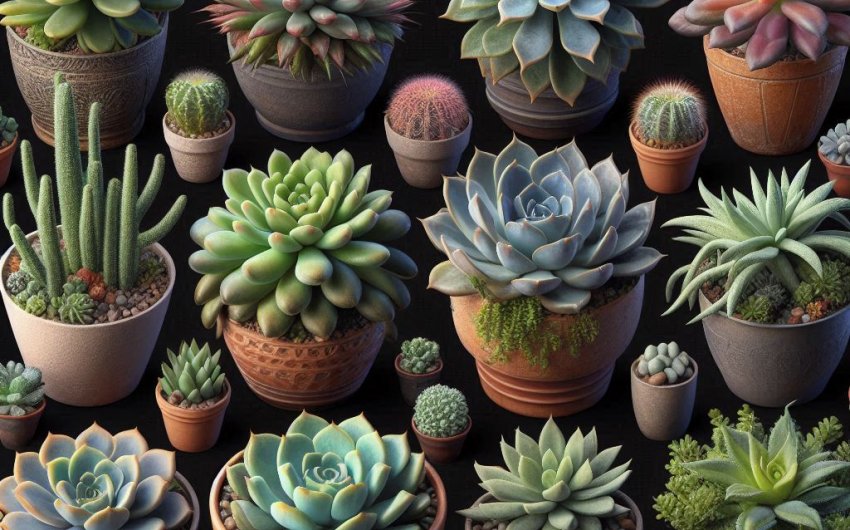
Bringing the striking textures and architectural beauty of succulents into your home or garden is a popular choice for both seasoned plant enthusiasts and eager beginners. Their unique ability to store water in their fleshy leaves and stems makes them incredibly low-maintenance and forgiving, leading many to believe they can thrive in just about any environment. However, there's one critical factor that often trips up even experienced gardeners: the soil. Understanding what soil is best for growing succulents is perhaps the most important secret to their long-term health and vibrant appearance. Get this wrong, and you're likely to face problems like root rot; get it right, and your succulents will flourish, looking their best for years to come. Let's dig into the ideal foundation for these captivating plants.
Why is Specialized Soil Crucial for Succulents?
It's tempting to use standard potting mix for all your plants, but succulents have very specific needs, largely dictated by their natural habitats. Using the wrong soil is the number one cause of succulent demise.
How Does Succulent Anatomy Dictate Soil Needs?
- Water Storage Adaptation: The defining characteristic of succulents is their ability to store water in specialized tissues – their thick leaves, stems, or roots. This adaptation allows them to survive long periods of drought in their native arid or semi-arid environments.
- Implication for Soil: Because they store their own water, they do not need (and in fact, cannot tolerate) soil that holds onto a lot of moisture for extended periods. Their internal reservoirs handle hydration.
- Shallow Root Systems (Often): Many succulents have relatively shallow and fibrous root systems compared to other plants. These roots are primarily designed for quick water absorption during infrequent rainfall events, and then for rapidly drying out.
- Implication for Soil: They don't need a deep, consistently moist soil column. They need a soil that allows their roots to quickly take up water and then quickly dry out.
- Native Habitats: Succulents naturally grow in environments with:
- Lean Soils: Often rocky, sandy, or gritty soils that are not rich in organic matter.
- Excellent Drainage: Water drains through these soils very rapidly, meaning their roots are rarely, if ever, sitting in soggy conditions.
- Low Humidity: Their aerial parts are adapted to dry air. While soil conditions are the primary concern, prolonged soil moisture in conjunction with high humidity can exacerbate problems.
What is the Danger of Standard Potting Soil for Succulents?
Standard potting mixes, while excellent for many common houseplants, are generally a death sentence for succulents.
- High Organic Matter: Standard potting mixes are often composed primarily of peat moss, coir, or other organic materials. These materials are designed to retain a lot of moisture to keep tropical or temperate plants hydrated between waterings.
- Poor Drainage: When wet, these organic-rich soils can become dense and compacted, holding water for days or even weeks. They don't allow for quick drainage.
- Root Rot (Asphyxiation): This is the fatal consequence. When succulent roots sit in constantly wet, oxygen-deprived soil, they essentially suffocate and begin to decay. This "root rot" is a fungal disease that rapidly spreads and can kill the plant.
- Signs of Root Rot: Soft, mushy stems or leaves at the base of the plant; leaves turning yellow or black and falling off; a general wilting despite the soil being wet. It often looks like underwatering, but the soil will be saturated.
- Nutrient Imbalance: While not the primary concern, standard potting mixes often have a higher nutrient content designed for more nutrient-hungry plants. Succulents are adapted to leaner soils; excessive nutrients can sometimes lead to leggy growth or other issues.
- Compaction Over Time: Organic materials in standard potting mix break down over time, leading to compaction. This further reduces air pockets in the soil, exacerbating drainage problems.
In short, standard potting soil creates an environment that is the exact opposite of what succulents need to survive. It's like forcing a desert creature to live in a swamp. The key to healthy succulents is providing them with a fast-draining, well-aerated environment that mimics their natural arid homes.
What Are the Key Characteristics of Ideal Succulent Soil?
Understanding the "why" leads directly to the "what." The best soil for growing succulents prioritizes rapid drainage and good aeration above all else.
Excellent Drainage (The Most Important Factor)
This cannot be stressed enough. If your soil doesn't drain quickly, your succulent will suffer.
- Water Passes Through Rapidly: When you water your succulent, you want the water to flow freely through the pot and out the drainage holes within seconds, not sit on the surface or linger in the soil for minutes.
- Prevents Root Rot: Rapid drainage ensures that the succulent's roots are never sitting in stagnant water, preventing the anaerobic conditions that lead to root rot.
- Simulates Natural Habitat: Mimics the rocky, gritty soils of their native environments where rainfall is infrequent but intense, and then quickly drains away.
Good Aeration (Oxygen for Roots)
Just as important as drainage is ensuring there's plenty of air circulating around the roots.
- Oxygen Exchange: Plant roots, like all living tissues, need oxygen to respire and absorb water and nutrients efficiently.
- Prevents Compaction: Well-aerated soil contains numerous air pockets, which remain even when the soil is moist. Standard organic soils can compact when wet, squeezing out these vital air pockets.
- Promotes Healthy Root Growth: Roots can grow freely and spread in airy soil, leading to a stronger, healthier plant.
Low Organic Matter
While a small amount of organic matter is beneficial, it should not be the primary component.
- Minimal Water Retention: Less organic matter means less water retention. The primary function of organic components (like peat or coir) is to hold moisture, which is precisely what we want to avoid in large quantities for succulents.
- Prevents Compaction: Organic materials break down over time, leading to soil compaction. Using inorganic components helps the soil retain its airy structure for longer.
- Leaner Nutrients: Succulents are not heavy feeders. A leaner soil, mimicking their natural environment, is sufficient. You can add nutrients through controlled fertilization if needed, but the focus is on structure.
Gritty Texture
The ideal succulent soil feels gritty to the touch, not fine and powdery or squishy and dense.
- Provides Structure: The gritty components (like perlite, pumice, or grit) create large pore spaces, facilitating drainage and aeration.
- Resists Compaction: These inert, inorganic materials don't break down quickly, so the soil structure remains stable over time.
When choosing or mixing succulent soil, always prioritize these three characteristics: fast drainage, excellent aeration, and a gritty texture with low organic matter. Your succulents will thank you with robust growth and vibrant health.
What Components Make Up the Best Succulent Soil Mixes?
To achieve the ideal characteristics of succulent soil, you need to combine various components. You can buy pre-made mixes or, for the best results and customization, mix your own.
The Organic Base (The "Loam" Component)
While minimizing organic matter, a small amount is still beneficial for light nutrient retention and microbial activity.
- Coarse Potting Mix: This should be a high-quality, general-purpose potting mix, but avoid those that are very heavy in peat moss or moisture-retentive additives. Look for mixes with some perlite already included. This provides a small amount of initial nutrients and some structure.
- Coconut Coir: A sustainable alternative to peat moss. It offers good water absorption when dry but also releases water more readily than peat. It has a neutral pH.
- Compost (Optional, Small Amount): A very small amount of well-rotted compost can be added for a gentle nutrient boost and beneficial microbes, but use sparingly. The focus is on drainage.
Ratio Tip: Your organic base should ideally make up no more than 30-50% of your total succulent soil mix.
The Inorganic / Gritty Amendments (Crucial for Drainage & Aeration)
These are the non-negotiables. These components provide the rapid drainage and aeration that succulents crave.
- Perlite:
- What it is: Lightweight, white volcanic glass that is heat-treated to expand into small, porous, airy particles.
- Pros: Excellent for drainage and aeration. Very lightweight, which is good for larger pots. Inexpensive and widely available.
- Cons: Can float to the top of the soil over time. Can be dusty when dry, so wear a mask when mixing.
- Tool: A bag of Espoma Organic Perlite is a must-have.
- Pumice:
- What it is: Lightweight, porous volcanic rock. Similar in function to perlite but heavier and less dusty.
- Pros: Superior drainage and aeration. Doesn't float like perlite. Holds some water and nutrients within its porous structure without becoming soggy. Very stable.
- Cons: Can be harder to find than perlite and slightly more expensive.
- Tool: Look for pumice for horticulture.
- Coarse Sand (Horticultural Grade):
- What it is: Sharp, coarse sand, unlike play sand or beach sand which can compact. Look for "horticultural sand" or "paver sand."
- Pros: Improves drainage and adds weight/stability to the mix.
- Cons: Can compact if not coarse enough. Using fine sand is detrimental. Heavy.
- Grit / Small Gravel / Crushed Granite:
- What it is: Small, inert, angular stones, typically 1/8 to 1/4 inch in size.
- Pros: Provides excellent drainage, aeration, and stability. Doesn't break down.
- Cons: Adds significant weight to pots.
- Tool: Available at garden centers or poultry supply stores (as "chicken grit").
- Akadama / Kanuma / Kiryu (Bonsai Soil Components):
- What they are: Clay or volcanic aggregates often used in bonsai mixes. They are highly porous.
- Pros: Excellent drainage and aeration, stable, consistent size.
- Cons: Expensive and often harder to find outside of specialized bonsai nurseries.
Ratio Tip: Your inorganic/gritty amendments should make up 50-70% of your total succulent soil mix.
Recommended DIY Succulent Soil Mix Ratios
Here are a few popular and effective recipes for mixing your own succulent soil:
- Basic Starter Mix:
- 1 part Coarse Potting Mix
- 1 part Perlite
- Improved Drainage Mix (Most Popular):
- 1 part Coarse Potting Mix (or a general "cactus & succulent mix" as a base)
- 1 part Perlite OR Pumice
- 1 part Coarse Sand OR Small Gravel/Grit
- Heavy Drainage Mix (For very humid climates or prone to overwatering):
- 1 part Coarse Potting Mix
- 2 parts Perlite OR Pumice OR a mix of both
- (Optional: small amount of coarse sand or grit for weight/stability)
Key Takeaway: The exact ratio can be adjusted based on your climate (more grit in humid areas, a bit more organic matter in very arid spots), your watering habits (more grit if you tend to overwater), and the specific succulent species (some like slightly more organic matter than others). The most important thing is that the final mix drains incredibly fast. If you're using a pre-made "cactus & succulent mix," it's often still a good idea to amend it with extra perlite or pumice to enhance drainage further.
How to Prepare and Use Your Succulent Soil Mix
Mixing your own succulent soil is straightforward, and using it correctly ensures your plants get the best possible start.
Mixing Your Own Soil
- Clean Workspace: Choose a clean, dry area for mixing, such as a garage floor, a workbench, or even a large tarp laid out outdoors.
- Gloves and Mask: Wear gardening gloves to protect your hands. Always wear a dust mask, especially when handling perlite, as it can create fine dust particles that are irritating to the lungs.
- Large Container: Use a large tub, bucket, or wheelbarrow to contain your ingredients.
- Measure by Volume: Use a scoop, trowel, or even an old container to measure your components by volume (e.g., one scoop of potting mix, one scoop of perlite, etc.).
- Thoroughly Combine: Mix all ingredients thoroughly until they are uniformly distributed. You want to avoid pockets of unmixed material. Get your hands in there and really blend it!
- Test for Drainage: Grab a handful of your mixed soil and wet it thoroughly. Observe how quickly the water drains away. If it seems to cling or drain slowly, add more gritty material (perlite, pumice, sand) and mix again. It should feel crumbly and airy, even when moist.
Potting Your Succulents
- Drainage Holes are Non-Negotiable: Always use pots with at least one drainage hole at the bottom. Without proper drainage, even the best soil mix will eventually lead to root rot. If your pot doesn't have a drainage hole, either drill one or don't use it for succulents.
- Avoid Drainage Layers: Do NOT put a layer of gravel, broken pot shards, or anything similar at the bottom of the pot. This is a common myth. It actually creates a "perched water table," where water accumulates just above the gravel layer, keeping the soil above it saturated for longer and increasing the risk of root rot. The best drainage comes from using the correct soil mix throughout the entire pot.
- Bare Root Planting: If repotting a succulent, gently remove as much of the old soil as possible from the roots. Inspect the roots for any signs of rot (dark, mushy, smelly roots) and trim them off with clean, sharp scissors. Allow the roots to air dry for a few hours (or even a day or two for larger cuts) before repotting.
- Firming the Soil: When potting, gently firm the soil around the roots to provide stability, but don't compact it heavily. You want to maintain the airiness of the mix. Leave about an inch of space from the rim of the pot for watering.
- Delay Watering After Repotting: After potting your succulent in its new, well-draining mix, wait a few days (3-7 days, depending on the plant and environment) before the first watering. This allows any tiny root wounds to heal, preventing potential fungal infections that can occur if roots are exposed to moisture immediately after damage.
Watering Your Succulents in the New Soil
Even with the perfect soil, incorrect watering can still lead to problems. The right soil mix allows for proper watering without the fear of root rot.
- "Soak and Dry" Method: This is the golden rule for watering succulents.
- Soak Thoroughly: When you water, water deeply and thoroughly until water freely drains out of the bottom of the pot. This encourages the roots to grow downwards and absorb water effectively. A small watering can with a narrow spout can help with precision.
- Allow to Dry Completely: Crucially, allow the soil to dry out completely between waterings. This means the soil throughout the pot should be bone dry before you water again.
- How to Check for Dryness:
- Finger Test: Stick your finger deep into the soil (at least 2-3 inches, or even deeper for larger pots). If it feels moist, wait.
- Chopstick/Skewer Test: Insert a wooden chopstick or skewer into the drainage hole. If it comes out with moist soil clinging to it, wait.
- Lift the Pot: A dry pot will feel noticeably lighter than a recently watered one. This method works well once you get a feel for your pots.
- Adjust for Conditions: Your watering frequency will vary based on:
- Temperature: More frequent watering in hot, dry weather. Less in cool, humid conditions.
- Light: Plants in brighter light will use water faster.
- Pot Material: Terracotta pots (unglazed) wick away moisture faster than plastic or glazed ceramic.
- Succulent Species: Some succulents are more drought-tolerant than others.
- Season: Water more frequently during active growth (spring/summer) and much less during dormancy (winter).
By carefully preparing your succulent soil mix and adhering to proper potting and watering practices, you'll provide your beloved succulents with the ideal environment to thrive, showcasing their unique beauty for years to come.