
What Kind of Soil Is Best for Cactus Plants?
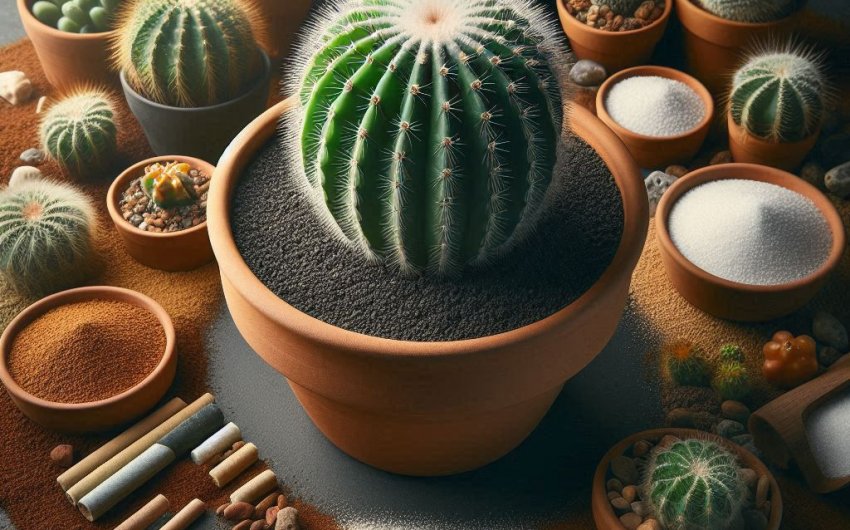
Cacti, those fascinating, spiky residents of arid lands, often mystify new plant parents. Many people wonder how to keep them thriving. The secret to a happy cactus often begins beneath the soil. It's not just dirt; it's the foundation of their well-being. Understanding what kind of growing medium these unique plants prefer is key to their success in your home or garden.
Imagine a desert. What do you see? Sandy, rocky ground, right? Cacti have evolved over millions of years to flourish in these tough conditions. This means their roots are built differently from plants that love rich, moist garden soil. Giving a cactus the wrong kind of soil is like asking a fish to live on land; it just won't work out.
This comprehensive guide will explore the ideal soil components, delve into mixing your own perfect blend, and offer tips on maintaining a healthy environment for your prickly friends. We'll break down the science behind good cactus soil in an easy-to-understand way, ensuring your cacti thrive for years to come.
Why is Specialized Soil Crucial for Cactus Plants?
Cactus plants are experts at surviving with little water. Their unique adaptations, like storing water in their stems, mean they don't like to sit in wet soil. Regular garden soil holds onto a lot of water. If a cactus sits in soggy soil, its roots can rot. This is a common problem for new cactus owners.
Think of it like this: your cactus roots need to breathe. If the soil is too dense, it chokes the roots, preventing air and nutrients from reaching them properly. This can lead to a sick or even dying plant. The right soil mix lets water drain quickly and allows air to circulate around the roots. This balance is super important for a healthy cactus. It mimics their natural desert homes.
What Happens if Cactus is Planted in Regular Potting Soil?
Planting a cactus in regular potting soil is a common mistake. Regular potting soil is designed to hold water. This is great for many house plants, but terrible for cacti. When a cactus sits in this wet soil, its roots can't breathe. This leads to root rot. Root rot is a fungal disease that attacks the roots. The roots turn soft and mushy. Once root rot sets in, it can be very hard to save the plant. You might see your cactus turn yellow or brown. It might also feel soft and squishy at the base. This is a sign of trouble. The plant needs quick action to survive.
How Does Proper Drainage Benefit Cactus Roots?
Proper drainage is vital for cactus health. Cacti roots are not used to sitting in water. In their natural desert homes, rain falls, but the water quickly soaks deep into the sandy or rocky soil. This means their roots dry out fast. When you provide soil with good drainage, you are copying this natural environment. Water flows through the pot quickly. This stops water from pooling around the roots. It also allows air to reach the roots. Air flow is just as important as water drainage. It keeps the roots from suffocating. Healthy roots can absorb water and nutrients efficiently. This makes for a strong and happy cactus plant.
What Are the Key Characteristics of Ideal Cactus Soil?
The perfect cactus soil has a few main characteristics. First, it must be fast-draining. This is the most important part. Water should flow through the pot almost immediately after watering. Second, it needs to be well-aerated. This means it has lots of small air pockets. These pockets allow air to circulate around the roots. Third, it should have low organic matter. Organic matter holds water. Cacti do not need a lot of it. Finally, it should be a bit on the coarse side. This provides good structure and prevents compaction.
What is the Importance of Fast Drainage in Cactus Soil?
Fast drainage is the single most important feature of cactus soil. Without it, your cactus will likely die. When water drains quickly, it means the roots are not sitting in soggy conditions. This prevents root rot, which is the biggest killer of cacti. Imagine a desert floor after a sudden rain. The water quickly disappears into the sand. This is exactly what you want to happen in your cactus pot. A good draining soil allows excess water to escape rapidly. This ensures the roots dry out quickly between waterings. This cycle of wetting and drying is natural for cacti. It helps them stay healthy and strong.
Why is Good Aeration Necessary for Cactus Roots?
Good aeration means there are many tiny air pockets in the soil. These air pockets are super important for cactus roots. Just like we need to breathe, plant roots need to breathe too. They take in oxygen from the air in the soil. If the soil is too dense or waterlogged, there's no air. The roots can't breathe. This suffocates them. When roots can't breathe, they can't absorb water or nutrients. This makes the plant weak. Good aeration prevents this. It also helps beneficial microbes thrive. These microbes help the plant get nutrients. Look for a gritty mix to ensure proper aeration for your cactus.
How Does Low Organic Matter Content Affect Cactus Growth?
Low organic matter content is another key feature for cactus soil. Organic matter includes things like peat moss or compost. While these are great for many plants, they hold a lot of water. Cacti don't need or want a lot of moisture around their roots for long periods. Too much organic matter can lead to the soil staying wet for too long. This increases the risk of root rot. Cacti are adapted to lean, mineral-rich soils, not rich, organic ones. A mix with low organic matter will dry out faster. This mimics the desert conditions where cacti thrive. It helps them stay healthy.
What Are the Best Ingredients for a Cactus Soil Mix?
Creating your own cactus soil mix lets you control what goes into it. This ensures your cacti get exactly what they need. The best ingredients focus on drainage and aeration. You will want a mix of gritty materials and a small amount of something for nutrients. Forget the regular garden soil. Think more about stones and coarse sand. These components work together to provide the ideal home for your prickly friends. Choosing the right ingredients is half the battle.
What Role Does Inorganic Material Play in Cactus Soil?
Inorganic materials are the backbone of good cactus soil. These are things that do not come from living organisms. They do not break down over time like organic matter. They are crucial for providing drainage and aeration. Think of them as tiny pieces that create air pockets and pathways for water to escape quickly. Without enough inorganic material, your soil will be too dense. It will hold too much water. This is why you see so many recommendations for gritty components in cactus mixes. They are essential for mimicking the natural desert environment.
Perlite
Perlite is a very popular inorganic material for cactus soil. It is a white, lightweight material that looks like small foam balls. Perlite is made from volcanic glass that has been heated. When heated, it expands. This expansion creates many tiny air pockets. These air pockets are excellent for aeration. They also help improve drainage. Perlite does not hold water itself, but its porous structure helps to prevent compaction. This means the soil stays loose and fluffy. It's a great addition to almost any cactus mix. You can find perlite at most garden stores.
Pumice
Pumice is another fantastic inorganic ingredient for cactus soil. Like perlite, it comes from volcanic rock. Pumice is porous and lightweight, but often heavier and less prone to floating than perlite. It looks like small, irregular stones. Pumice is excellent for drainage and aeration. It helps to keep the soil from getting too compacted. It also has a slightly rougher texture than perlite. This can help anchor roots. Pumice holds a small amount of water within its pores, but releases it slowly. This provides a tiny bit of moisture without keeping the soil soggy. Look for pumice for your next mix.
Coarse Sand
Coarse sand is a common and useful inorganic material for cactus soil. It's important to use coarse sand, not play sand or builder's sand. Fine sands can actually compact and make drainage worse. Coarse sand has larger particles. These particles create spaces between them. These spaces allow water to drain quickly. They also help with aeration. Coarse sand adds weight to the pot, which can be good for tall cacti. It mimics the sandy soils found in many desert environments. Make sure it's horticultural coarse sand or gritty sand for best results. You can often find coarse sand at garden centers.
Small Gravel or Crushed Granite
Small gravel or crushed granite are excellent for adding weight and significant drainage to cactus soil. These are typically small, angular stones. They don't hold water at all. Instead, they create large air pockets and ensure rapid water runoff. This is especially good for larger cacti or those prone to root rot. They provide excellent stability for the plant in its pot. Think of them as the biggest pieces in your mix. They ensure your soil is super well-draining. Some people use chicken grit, which is often crushed granite, as a component. Ensure the gravel is clean and free of dust.
What Role Does Organic Material Play in Cactus Soil?
While cactus soil is mostly inorganic, a small amount of organic material is still important. Organic material provides a few key benefits. It holds a tiny bit of moisture. This moisture can be helpful for the plant over time. It also contains some nutrients. Cacti don't need a lot of nutrients, but they do need some. Organic matter also helps to bind the other components together a bit. The key is to use a very small amount. Too much, and you'll ruin the drainage. The goal is to provide just enough to support healthy growth without holding excess water.
Peat Moss or Coco Coir
Peat moss and coco coir are common organic materials used in small amounts for cactus soil. Both help hold a little moisture and nutrients. Peat moss is often used in commercial potting mixes. It can be a bit acidic. Coco coir is made from coconut husks. It's more sustainable and often has a more neutral pH. Both materials are good for providing some water retention without being overly soggy. They also help improve the overall texture of the mix. Use them sparingly, as they are absorbent. A small handful for a large batch is often enough. You can find coco coir or peat moss easily.
Compost (Very Small Amount)
A very small amount of compost can be included in cactus soil. This is for providing a gentle, slow release of nutrients. Compost is rich in beneficial microbes. These microbes help the plant take up nutrients. However, compost also holds a lot of water. So, if you use it, use a tiny, tiny amount. We are talking a spoonful, not a cupful. It's optional and many successful cactus growers skip it entirely. If you do use it, ensure it's well-rotted and fine. It should not be chunky. The goal is just a hint of nutrient boost, not a rich feeding.
How to Create Your Own Perfect Cactus Soil Mix?
Making your own cactus soil mix is rewarding. It ensures you have the ideal conditions for your plants. It also helps you understand what cacti truly need. The basic idea is to combine gritty, inorganic materials with a small amount of organic matter. There isn't one single "perfect" recipe. You can adjust it based on your local climate and how often you water. The key is to keep the principles of fast drainage and good aeration in mind. Get a large bucket or tub for mixing.
What is a Basic Recipe for a General Cactus Soil Mix?
A good basic recipe for a general cactus soil mix is quite simple. You'll want to aim for mostly gritty materials. A common ratio is about 1 part organic material to 2-3 parts inorganic material.
For example, try this blend:
- 1 part potting soil or coco coir (ensure it's a fast-draining potting mix, not heavy garden soil)
- 1 part perlite or pumice
- 1 part coarse sand or small gravel
Mix these ingredients thoroughly. Make sure there are no clumps. The final mix should feel loose and gritty. When you water it, the water should drain almost instantly. This mix provides a good balance for most cactus species. It offers enough drainage and aeration. It also has a tiny bit of nutrient retention. This basic recipe is a great starting point for beginners.
How to Adjust the Mix for Different Cactus Types or Climates?
You can adjust the mix based on the specific needs of your cactus or your local climate. Some cacti prefer even faster drainage. Others might handle a tiny bit more moisture.
For example:
- Desert Cacti (e.g., Saguaro, Barrel Cactus): These really need super fast drainage. Increase the inorganic components. Aim for a 1 part organic to 3 or 4 parts inorganic ratio. You might use more pumice or coarse sand.
- Forest Cacti (e.g., Christmas Cactus, Orchid Cactus): These are epiphytic. They grow on trees, not in soil. They prefer a bit more moisture and organic matter. Still, drainage is key. Use a mix with slightly more coco coir or peat moss, maybe a 1 part organic to 1 part inorganic ratio, often with orchid bark added. They are not true desert cacti.
- Humid Climates: If you live somewhere very humid, your soil will dry out slower. You should increase the inorganic components to ensure faster drying. This helps prevent fungal issues.
- Dry Climates: If you live in a very dry climate, your soil will dry out very fast. You might slightly increase the organic component to hold a tiny bit more moisture. But always prioritize drainage.
Always test your mix by watering a small sample. It should drain quickly.
What Tools and Safety Measures Are Needed for Mixing Soil?
When mixing your own cactus soil, a few tools will make the job easier and cleaner. Safety is also important.
Tools:
- Large bucket or tub: For mixing all the ingredients.
- Gardening scoop or trowel: To measure and move components.
- Gloves: To protect your hands. The materials can be abrasive.
- Dust mask: This is very important. Perlite and other dry components can create fine dust. Breathing this dust can be harmful to your lungs. An N95 mask is recommended.
- Watering can: To test the drainage of your final mix.
Safety Measures:
- Work in a well-ventilated area: Especially when dealing with dusty materials.
- Wear a dust mask: Always wear one when mixing dry ingredients.
- Wear gloves: Protect your skin from irritants or sharp bits of gravel.
- Wash your hands: After mixing, even if you wore gloves.
- Keep pets and children away: While mixing, to avoid accidental ingestion of components or dust exposure.
Taking these precautions ensures a safe and effective soil mixing process.
How to Pot Your Cactus with the Ideal Soil Mix?
Potting your cactus correctly is just as important as having the right soil. The right technique ensures the plant settles in well. It also helps the roots establish quickly. A good potting method prevents common issues like settling or air pockets around the roots. Take your time during this step. It sets your cactus up for long-term health.
What is the Importance of the Potting Container?
The potting container plays a big role in cactus health. It needs to have drainage holes. This is non-negotiable. Without holes, excess water cannot escape. This leads to root rot, even with the best soil mix. Terracotta pots are often recommended for cacti. They are porous, meaning they allow air and moisture to pass through their walls. This helps the soil dry out faster. Plastic pots hold more moisture, so you need to be extra careful with watering. Choose a pot that is not too big for your cactus. A pot that is too large means the soil stays wet for longer. This increases the risk of rot. Usually, a pot just slightly larger than the cactus's root ball is best.
What is the Step-by-Step Process for Potting a Cactus?
Potting a cactus is straightforward. Follow these step-by-step instructions for best results:
- Prepare your materials: Have your chosen cactus soil mix, a pot with drainage holes, and your cactus ready.
- Add a layer of soil: Put a small layer of your prepared cactus soil mix at the bottom of the pot. The amount depends on the size of the cactus.
- Position the cactus: Carefully remove the cactus from its old pot. If the roots are very root-bound, gently loosen them a bit. Place the cactus in the new pot. Make sure the base of the cactus is at the same level as it was in its old pot, or slightly below the rim of the new pot. Leave enough space to water.
- Fill with soil: Hold the cactus in place with one hand. Use your other hand to fill the pot around the roots with the cactus soil mix. Gently tap the pot on a hard surface a few times. This helps the soil settle and fills any air pockets around the roots. Do not pack the soil down too firmly. The goal is good aeration, not compaction.
- Water (Optional, depends on circumstances): Some experts recommend waiting a few days to a week after potting to water. This allows any damaged roots to heal, preventing rot from entering open wounds. If your cactus was dry, you can give it a very light watering immediately. If it was already moist, definitely wait.
How to Water a Newly Potted Cactus?
Watering a newly potted cactus needs a careful approach. Many people make the mistake of watering too soon or too much. After repotting, a cactus experiences some stress. Its roots might have gotten slightly damaged. If you water immediately, those tiny wounds can be entry points for rot-causing fungi.
Here’s the general rule:
- Wait a few days to a week before the first thorough watering. This allows any root wounds to heal.
- When you do water, water thoroughly. This means watering until water flows out of the drainage holes.
- Then, do not water again until the soil is completely dry. You can check by sticking your finger deep into the soil. For deeper pots, a wooden chopstick can work. If it comes out clean and dry, it's time to water again.
The waiting period is crucial for preventing root rot in newly repotted plants. Subsequent waterings should always follow the "soak and dry" method.
What Are Common Mistakes to Avoid with Cactus Soil?
Even with the best intentions, it's easy to make mistakes with cactus soil. Knowing these common pitfalls can help you avoid them. Many issues people experience with their cacti stem directly from soil-related problems. Avoiding these mistakes is a big step towards happy and healthy cacti. Pay attention to how your cactus looks and feels. It will often tell you if something is wrong with its environment.
Overwatering Due to Incorrect Soil
Overwatering due to incorrect soil is the number one killer of cactus plants. It's not just about how often you water. It's about how long the soil stays wet. If your soil mix is too dense, like regular garden soil, it will hold onto water for too long. Even if you water infrequently, the soil might stay wet for weeks. This is a death sentence for cacti. Their roots literally drown and then rot. Always use a fast-draining cactus mix. This ensures that even if you accidentally give a bit too much water, the excess will quickly drain away. Proper soil is your best defense against overwatering.
Using Garden Soil or Heavy Potting Mixes
Using garden soil or heavy potting mixes is a critical mistake for cactus plants. These soils are designed for plants that love consistent moisture and rich nutrients. They are dense. They hold a lot of water. They compact easily. None of these traits are good for cacti. Garden soil often contains clay, which makes it even heavier. Heavy potting mixes usually have a lot of peat moss or other organic materials that retain water. When a cactus is planted in such soil, its roots will suffocate and rot. Always choose or create a specialized cactus mix to ensure proper drainage and aeration. This one simple change can make all the difference.
Neglecting Repotting When Needed
Neglecting repotting when needed can slowly harm your cactus. Over time, even the best cactus soil mix can break down. Organic components decompose. Inorganic components can get clogged with fine particles. This causes the soil to lose its drainage and aeration. It becomes more compacted. The plant can also become root-bound, meaning its roots fill the entire pot. This restricts growth.
Signs your cactus needs repotting:
- Water runs straight through without soaking in (soil is too compacted).
- Roots are growing out of the drainage holes.
- The plant looks unhealthy or growth has slowed down significantly.
- The soil level has dropped significantly.
Repotting every 2-4 years (depending on the cactus's growth rate) into fresh, ideal soil is a good practice. This refreshes the growing medium and gives the roots more space.
Can Commercial Cactus and Succulent Mixes Be Trusted?
Many people wonder, can commercial cactus and succulent mixes be trusted? The answer is: sometimes, but with caution. These mixes are convenient. They are readily available. However, not all commercial mixes are created equal. Some are very good, while others are essentially just regular potting soil with a bit of sand mixed in. This is not ideal for true desert cacti. It's important to know what to look for and what to avoid. Always read the ingredients list if possible.
What to Look for in a Good Commercial Mix?
When buying a commercial cactus and succulent mix, look for specific characteristics. A good commercial mix should visibly contain a high percentage of gritty, inorganic materials. You should see things like:
- Perlite
- Pumice
- Coarse sand
- Small gravel or crushed granite
It should feel light and airy when you pick it up. The texture should be very loose and gritty. If it feels heavy and dense like regular potting soil, it's probably not suitable. Look for terms like "fast-draining," "gritty," or "well-aerated" on the bag. A good mix will also specify low organic content. Brands known for specialty soils often offer better options. For example, some gardeners find success with Hoffman Organic Cactus and Succulent Soil Mix or Bonsai Jack Succulent and Cactus Soil Gritty Mix.
When to Amend a Commercial Mix?
You should amend a commercial mix if it looks too dense or has too much organic matter. Many commercial "cactus and succulent" mixes are still too heavy for most desert cacti. If the bag feels heavy, looks dark, and doesn't show much grit, it probably needs help.
How to amend:
- Add more inorganic material: Mix in extra perlite, pumice, or coarse sand. A good starting point is to add at least an equal part of grit to the commercial mix. For example, if you have one bag of commercial mix, add one bag of perlite.
- Increase drainage: The goal is to make the mix even faster draining.
- Observe the final texture: After mixing, the soil should be visibly gritty and feel very light and porous.
Amending a commercial mix is a smart way to ensure your cactus gets the ideal growing conditions without having to source every single ingredient from scratch. It gives you more control.
How Do Different Types of Cacti Influence Soil Choices?
While general rules apply, different types of cacti do have slightly different needs. Understanding these nuances can help you fine-tune your soil choices. Not all cacti live in scorching, sandy deserts. Some grow in rocky crevices, while others, surprisingly, grow in tropical forests. Their native habitats dictate their soil preferences. Knowing your cactus's origin helps you create the best possible home for it.
Desert Cacti vs. Forest Cacti: Soil Differences
The biggest soil differences exist between desert cacti and forest cacti.
Desert Cacti: These are the most common image people have of a cactus. They are adapted to extreme drought. Their native soils are very poor in organic matter. They consist mostly of sand, gravel, and rocks. Therefore, their ideal soil mix is predominantly inorganic. We are talking 70-90% grit (pumice, perlite, coarse sand, gravel) and only a tiny amount of organic material (like a bit of coco coir). This ensures super fast drainage and rapid drying between waterings. Think of Barrel Cacti, Saguaro, or Opuntia.
Forest Cacti: These are epiphytic cacti, meaning they grow on other plants, not in the ground. Examples include Christmas Cactus, Thanksgiving Cactus, and Orchid Cacti. They come from humid, tropical forests. Their "soil" in nature is usually decaying leaf litter and bark that collects in tree branches. They need much more organic matter than desert cacti. Their mix should still be very well-draining, but it will hold more moisture. A good mix might include orchid bark, coco coir, perlite, and a small amount of potting soil. This provides moisture and air circulation. They absolutely do not want heavy soil.
Specific Soil Needs for Popular Cactus Varieties
Beyond desert versus forest, some popular cactus varieties have even more specific soil needs.
- Mammillaria (Pincushion Cacti): These are classic desert cacti. They thrive in a very gritty, fast-draining mix, similar to the general desert cactus guidelines. They are prone to rot if kept too wet.
- Gymnocalycium (Chin Cactus): These also prefer a gritty, well-draining mix. They can tolerate a bit more organic matter than some other desert cacti, but drainage is still paramount.
- Echinopsis (Hedgehog Cactus): These are robust and can be a bit more forgiving. They still require excellent drainage but might tolerate a slightly richer, faster-draining cactus potting mix if given ample airflow and drying time between waterings.
- Opuntia (Prickly Pear): Very tolerant of poor, rocky soils in nature. In pots, they need extremely well-draining, gritty mixes. They are quite hardy but will rot in soggy conditions.
- Cephalocereus senilis (Old Man Cactus): This hairy cactus needs exceptionally sharp drainage. It's highly susceptible to root rot. Emphasize pumice and coarse sand in its mix.
Always research your specific cactus species to confirm its ideal soil composition. When in doubt, lean towards more grit and faster drainage.
What is the Long-Term Care of Cactus Soil?
Even the best cactus soil needs some attention over time. Long-term care involves more than just watering. The soil itself changes. Organic materials break down. Salts can build up. Knowing how to maintain your soil ensures your cactus stays healthy for years. This often means replenishing nutrients and occasionally replacing the soil. It's part of being a responsible plant parent.
How Often Should Cactus Soil Be Replaced?
Cactus soil should generally be replaced every 2 to 4 years. The exact timing depends on several factors:
- Type of soil mix: Mixes with more organic matter tend to break down faster.
- Watering frequency: Frequent watering can flush out nutrients and compact the soil more quickly.
- Plant growth rate: Fast-growing cacti might need repotting and new soil sooner.
- Signs of soil degradation: If the soil looks very compacted, drains poorly, or smells off, it's time for a change.
Replacing the soil provides fresh nutrients. It also restores the vital drainage and aeration that the cactus needs. It's an important part of cactus care. It also gives you a chance to inspect the roots.
What Are the Signs of Depleted or Compacted Soil?
Recognizing the signs of depleted or compacted soil is crucial for cactus health. Your plant will often show you if its soil is no longer performing well.
Signs of Depleted Soil:
- Slowed or stunted growth: The plant isn't getting enough nutrients.
- Pale or yellowish appearance: Lack of essential minerals.
- Increased susceptibility to pests or diseases: A weak plant is more vulnerable.
Signs of Compacted Soil:
- Water pools on the surface: Instead of draining quickly, water sits on top or drains very slowly.
- Soil feels hard and dense: When you poke it, it offers resistance.
- Water runs straight through the sides: This means the soil is too compacted to absorb water properly, or there are channels formed from shrinking.
- Roots are visible on the surface or pushing out of drainage holes: Indicates the plant is root-bound and has no more room to grow.
- Foul or stale smell: Can indicate anaerobic conditions or root rot starting.
If you notice these signs, it's probably time to repot your cactus into fresh, well-draining soil.
How to Fertilize Cactus Plants Appropriately?
Fertilizing cactus plants appropriately is key. Cacti don't need a lot of fertilizer. They are adapted to nutrient-poor soils. Over-fertilizing can harm them.
Key points for fertilization:
- Use a low-nitrogen fertilizer: Look for a fertilizer specifically for cacti and succulents, or one with a lower first number (N-P-K ratio). For example, a 5-10-10 or 1-7-6 ratio is good. Nitrogen promotes leafy growth, which is not what cacti primarily do. Phosphorus and potassium are good for root and flower development.
- Dilute the fertilizer: Always dilute liquid fertilizers to half or even quarter strength. This prevents nutrient burn.
- Fertilize during active growth: Cacti grow most actively in spring and summer. This is the best time to fertilize.
- Reduce or stop in dormant periods: Do not fertilize in fall and winter when most cacti are dormant.
- Do not fertilize a newly repotted cactus: Wait at least a month, preferably longer, for the plant to settle.
- Apply to moist soil: Never fertilize a dry plant, as this can burn the roots. Water first, then fertilize.
An example of a good fertilizer for cacti is Espoma Cactus! Liquid Plant Food. Remember, less is often more with cactus fertilization.