
What Kind of Light Do Phalaenopsis Orchids Need?
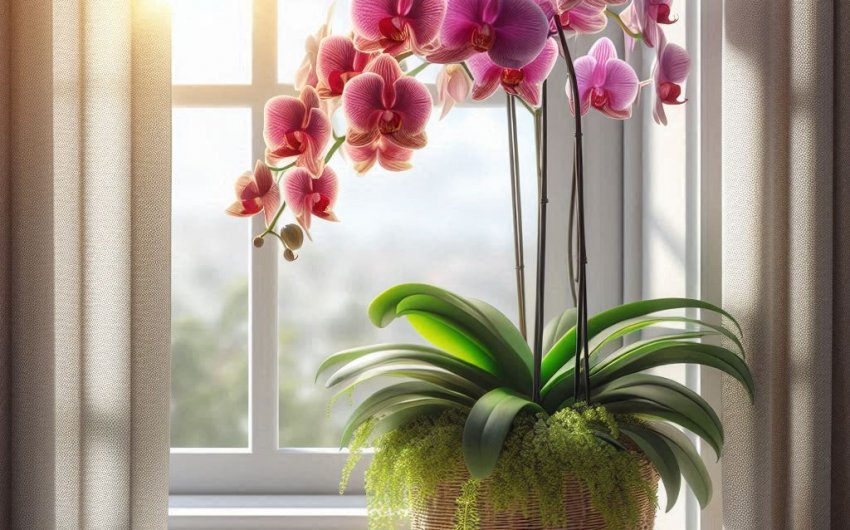
The elegant, long-lasting blooms of Phalaenopsis orchids, often called "moth orchids," have made them one of the most popular and accessible houseplants. Their exotic beauty brings a touch of tropical splendor to any indoor space, gracing windowsills and tabletops with their vibrant colors and graceful forms. While their stunning appearance might suggest a fussy temperament, Phalaenopsis orchids are surprisingly forgiving, provided their basic needs are met. Among these, getting the light right is arguably the most crucial factor for ensuring their continued health and, most importantly, encouraging those magnificent, repeat blooms.
Understanding what kind of light Phalaenopsis orchids need is fundamental to their success. Too much light can scorch their delicate leaves, while too little will result in a lack of flowers and weak growth. This guide will delve deep into the nuances of light requirements for Phalaenopsis orchids, offering practical tips on ideal placement, recognizing signs of incorrect light, and even when to consider supplemental grow lights. Let's unveil the secrets to perfect lighting, transforming your Phalaenopsis into a perpetually blooming garden delight.
Why Is Light So Important for Phalaenopsis Orchids?
How Does Light Influence Photosynthesis and Energy Production?
Light is absolutely paramount for Phalaenopsis orchids because it directly influences photosynthesis and energy production, the very foundation of their survival and ability to bloom.
- Photosynthesis: This is the process by which orchids (like all plants) convert light energy into chemical energy (sugars), which they use as food to grow, develop new leaves, produce roots, and create flowers. The chlorophyll in their green leaves absorbs light for this process.
- Chlorophyll Activity: Optimal light levels activate the chlorophyll efficiently. If there isn't enough light, the orchid cannot produce enough food, leading to stunted growth, weak leaves, and a complete lack of flowers.
- Energy for Blooming: Producing a long-lasting flower spike and stunning blooms requires a significant amount of energy. Without adequate light, the Phalaenopsis orchid simply doesn't have the reserves to initiate or sustain flowering. This is often the primary reason why an otherwise healthy orchid fails to re-bloom.
- Growth and Health: Beyond blooms, light provides the energy for all other metabolic processes, including developing a strong root system and new, healthy leaves.
Essentially, light is the fuel that powers your Phalaenopsis orchid.
What Happens to Phalaenopsis Orchids with Too Much Light?
If your Phalaenopsis orchid receives too much light, it will show distinct signs of stress and damage.
- Sunburn/Scorching: The most common symptom. Leaves will develop yellow patches that turn white or even brown and crispy in direct, intense sunlight. This is permanent damage to the leaf tissue.
- Bleached or Pale Green Leaves: Instead of a healthy, medium-green color, leaves might appear bleached, yellowish-green, or washed out. This indicates that the chlorophyll is being damaged by excessive light.
- Reddish/Purplish Tinge on Leaves: Some Phalaenopsis varieties can develop a reddish or purplish blush on their leaves when exposed to high light levels. While this can sometimes be a harmless indicator of optimal light, if it's accompanied by other signs of stress (like bleaching or scorching), it suggests the light is too intense.
- Stunted Growth: Despite what might seem like ample energy, too much intense light can actually inhibit growth as the orchid tries to protect itself from damage.
- Dry or Shriveled Roots: Excessive light often leads to overheating of the potting medium, causing roots to dry out too quickly or even shrivel from the heat.
Phalaenopsis orchids are adapted to filtered light in their native tropical habitats, so direct, harsh sun is almost always detrimental.
What Happens to Phalaenopsis Orchids with Too Little Light?
If your Phalaenopsis orchid receives too little light, it will also show clear signs of stress and a failure to thrive.
- No Blooms (or infrequent blooms): This is the most common complaint from orchid owners. Insufficient light means the orchid doesn't have enough energy to initiate the flower spike. It might produce healthy leaves, but no flowers.
- Dark Green Leaves: Leaves will appear very dark green, almost dull, and perhaps larger than usual. This is the orchid's attempt to increase its surface area to capture more of the limited light.
- Leggy Growth: New leaves might be smaller than older ones, or the plant may become somewhat "leggy," with elongated stems or widely spaced leaves, as it stretches to find more light.
- Stunted or Slow Growth: Overall growth will be significantly slowed or stop entirely. The orchid won't produce new roots or leaves.
- Soft, Limp Leaves: In severe cases of prolonged low light, leaves can become soft and limp, eventually turning yellow. This also makes the orchid more susceptible to overwatering as the potting mix stays wet for longer.
Balancing these extremes is key to keeping your Phalaenopsis orchid happy and blooming.
What Kind of Light Do Phalaenopsis Orchids Need Exactly?
What Is Bright, Indirect Light?
Phalaenopsis orchids thrive in bright, indirect light, which is the sweet spot between too much and too little sunlight.
- Definition: Bright, indirect light means the orchid is exposed to ample ambient light throughout the day, but it is never in the path of direct, unfiltered sunlight. The light is diffused or filtered before it reaches the plant.
- Examples of Placement:
- East-facing window: Often ideal, providing gentle morning sun (which is generally fine and not too intense) followed by bright, indirect light for the rest of the day.
- North-facing window: Provides consistent, indirect light. It might be too dim for optimal blooming in some regions, but it's safe from scorching.
- South or West-facing window (with a filter): Can be excellent if the direct, intense afternoon sun is filtered by a sheer curtain, blinds, or placed a few feet away from the window.
- Near a large, bright window, but not directly in front: The orchid receives plenty of ambient light without the harshness of direct rays.
- Test: You can check the light intensity by placing your hand between the light source and the orchid. If your hand casts a soft, blurry shadow, the light is likely indirect. If it casts a sharp, distinct shadow, the light is too direct and intense.
This type of light mimics the dappled light that Phalaenopsis orchids receive on tree branches in their native jungle habitats.
How Does Light Intensity Translate to Window Placement?
Understanding how light intensity translates to window placement is crucial for finding the perfect spot for your Phalaenopsis orchid in your home.
- South-Facing Window (Northern Hemisphere):
- Intensity: Receives the most intense and longest duration of direct sunlight, especially during winter. In summer, the sun is higher and might not penetrate as deeply indoors.
- Phalaenopsis Use: Ideal for providing bright, indirect light if the orchid is placed a few feet away from the window, or if the window has a sheer curtain or blinds to filter the direct sun. Direct afternoon sun in a south window can easily scorch leaves.
- North-Facing Window (Northern Hemisphere):
- Intensity: Receives very little to no direct sunlight, providing consistent, diffused light.
- Phalaenopsis Use: Generally safe from scorching. Can be a good spot for Phalaenopsis, but often the light intensity might be too low to trigger regular blooming, especially in winter. It might be better for plants not currently in bloom or as a starting point.
- East-Facing Window:
- Intensity: Receives gentle direct morning sun.
- Phalaenopsis Use: Often considered the ideal window for Phalaenopsis orchids. The morning sun is not as intense and provides valuable light energy without the risk of burn.
- West-Facing Window:
- Intensity: Receives intense afternoon sun.
- Phalaenopsis Use: Can be too harsh. Requires significant filtering (sheer curtains, blinds) or placing the orchid several feet back from the window to provide bright, indirect light.
Observe your chosen window throughout the day and year, as light intensity changes seasonally.
What Is the Ideal Duration of Light Exposure?
Beyond just intensity, the ideal duration of light exposure is also important for Phalaenopsis orchids.
- 10-14 Hours Per Day: Phalaenopsis orchids generally need about 10 to 14 hours of bright, indirect light per day to thrive and encourage blooming.
- Active Photosynthesis: This duration ensures they have enough time to conduct photosynthesis and produce the necessary energy.
- Bloom Trigger: Longer periods of appropriate light (especially shorter days in fall/winter, combined with a slight temperature drop) can act as a trigger for flower spike initiation.
- Avoid Prolonged Darkness: Do not place orchids in consistently dark rooms or closets for long periods, as this will lead to weak growth and no blooms.
- Supplemental Lighting: If natural light is insufficient to meet this duration (e.g., in winter, in very dim rooms), grow lights can be used to extend the light period.
Consistent light duration, combined with the correct intensity, provides the optimal conditions for your Phalaenopsis orchid.
How Can Leaf Color Indicate Light Levels?
The color of your Phalaenopsis orchid's leaves is an excellent visual indicator of whether it's receiving the correct light levels.
- Healthy Light (Optimal):
- Color: A medium, olive to apple green. Not too dark, not too pale.
- Texture: Firm and healthy.
- Significance: This color suggests the orchid is getting enough light for robust photosynthesis without being stressed. This is the light level that usually encourages blooming.
- Too Much Light:
- Color: Pale green, yellowish-green, or bleached. Can have reddish or purplish tinges (especially on the undersides). Eventually develops yellow, white, or brown scorched patches.
- Significance: The chlorophyll is being damaged by excessive light. The orchid is stressed.
- Too Little Light:
- Color: Very dark green, dull, almost blue-green. Leaves might be larger than normal.
- Significance: The orchid is trying to maximize its chlorophyll production to absorb as much of the limited light as possible. It lacks energy and will likely not bloom.
Regularly observing your Phalaenopsis's leaf color will help you fine-tune its light placement.
How to Optimize Light for Phalaenopsis Orchids?
How to Use Sheer Curtains or Blinds for Filtration?
For windows that receive direct or intense sunlight (especially south or west-facing), using sheer curtains or blinds for filtration is an effective way to create bright, indirect light for your Phalaenopsis orchids.
- Sheer Curtains: A simple and elegant solution. A thin, translucent curtain diffuses direct sunlight, softening its intensity while still allowing plenty of ambient light to pass through. This mimics the dappled light in their natural habitat.
- Blinds (Horizontal/Vertical): You can adjust the slats of blinds to filter and redirect direct sunlight, ensuring it doesn't fall directly on your orchid. This provides flexible control over light intensity throughout the day.
- Frosted Window Film: For a permanent solution on a window that consistently provides too much direct sun, applying frosted window film can diffuse the light effectively.
- Consider Placement Distance: Even with filters, the intensity of light decreases with distance from the window. You might still need to place your Phalaenopsis a few feet back from a south or west-facing window even with a sheer curtain, especially if the sunlight is very strong.
These methods allow you to utilize otherwise problematic windows for your orchids.
When Should I Consider Supplemental Grow Lights?
You should consider supplemental grow lights for your Phalaenopsis orchids if natural light is insufficient to meet their needs, especially for consistent blooming.
- Low Natural Light: If your home lacks sufficiently bright windows (e.g., mostly north-facing windows, or rooms with small windows), or if ambient outdoor light is consistently low (e.g., cloudy regions, long winters), grow lights can provide the necessary light energy.
- Winter Months: During winter, daylight hours are shorter, and the sun's intensity is lower. Even a sunny window might not provide enough light duration or intensity to trigger blooming. Grow lights can extend the light period and compensate for lower natural light.
- Encouraging Blooms: If your Phalaenopsis orchid is otherwise healthy (good roots, firm leaves) but consistently fails to re-bloom, insufficient light is often the culprit. Supplemental grow lights can provide the specific spectrum and duration of light needed for flower spike initiation.
- Optimal Growth: For faster growth and larger, healthier plants, grow lights can ensure consistent optimal light levels.
Types of Grow Lights:
- LED Grow Lights: Energy-efficient, long-lasting, produce little heat, and come in various spectra (full-spectrum, specific wavelengths). They are an excellent choice for houseplants. A compact LED Grow Light for Orchids can fit easily.
- Fluorescent Lights (T5 or T8): Effective and affordable, but less energy-efficient than LEDs.
- Positioning: Place grow lights 6-12 inches (or as per manufacturer's instructions) above your Phalaenopsis orchid to provide the correct intensity.
- Timer: Use a timer to provide a consistent 10-14 hours of light per day.
Grow lights allow you to create ideal light conditions regardless of natural limitations.
How to Monitor Light Levels with a Light Meter?
While observing leaf color and shadow quality is helpful, monitoring light levels with a light meter provides precise and objective data, allowing you to fine-tune your orchid's placement scientifically.
- Types of Light Meters:
- Simple Analog Meters: Inexpensive, provide a general reading (low, medium, high).
- Digital Light Meters (Lux or Foot-Candle Readers): More precise, provide numerical readings (Lux or Foot-Candles).
- Smartphone Apps: Many smartphone apps claim to measure light, but their accuracy can vary greatly. Use with caution.
- Recommended Light Levels for Phalaenopsis:
- Generally, 1000 to 1500 foot-candles (FC) is considered the optimal range for Phalaenopsis orchids to thrive and bloom. (Roughly 10,000 to 16,000 Lux).
- How to Use:
- Place the light meter at the exact spot where the orchid's leaves would be.
- Take readings throughout the day (morning, midday, afternoon) and across different seasons, as light intensity changes significantly.
- Compare your readings to the optimal range.
- Adjusting Placement: If readings are too high, move the orchid further from the window or add more filtration. If too low, move it closer to the window or consider supplemental grow lights.
A Digital Light Meter for Plants can be a valuable tool for serious orchid enthusiasts.
What Are Other Factors Influencing Phalaenopsis Health and Bloom?
What Role Does Temperature Play in Blooming?
Temperature plays a significant role in blooming for Phalaenopsis orchids, particularly the subtle drop that can trigger flower spike formation.
- Optimal Daytime Temperature: Phalaenopsis prefer daytime temperatures between (70^\circ\text{F}) and (80^\circ\text{F}) ((21^\circ\text{C}) to (27^\circ\text{C})).
- Nighttime Temperature Drop (Crucial for Blooming): To initiate flower spikes, Phalaenopsis orchids typically need a consistent nighttime temperature drop of about (10^\circ\text{F}) to (15^\circ\text{F}) ((5^\circ\text{C}) to (8^\circ\text{C})) below the daytime temperature, sustained for several weeks (usually 2-4 weeks). This often occurs naturally in fall when you begin heating your home less or open windows at night.
- Example: If your daytime temperature is (75^\circ\text{F}) ((24^\circ\text{C})), a nighttime drop to (60^\circ\text{F}) - (65^\circ\text{F}) ((15^\circ\text{C}) - (18^\circ\text{C})) can trigger blooming.
- Avoid Extremes: Protect orchids from cold drafts (below (55^\circ\text{F}) or (13^\circ\text{C})) or prolonged high heat (above (85^\circ\text{F}) or (29^\circ\text{C})), which can stress the plant.
Providing the right temperature fluctuations, along with optimal light, significantly increases your chances of seeing those beautiful blooms.
How Does Humidity Affect Phalaenopsis Health?
Humidity is another crucial environmental factor that significantly affects Phalaenopsis health, as they are tropical plants.
- Optimal Range: Phalaenopsis orchids thrive in relatively high humidity, ideally between 50% and 70%. Most homes have much lower humidity, especially in winter with heating systems running.
- Benefits of High Humidity:
- Prevents Dehydration: High humidity reduces water loss from leaves through transpiration, keeping foliage supple and preventing crispy leaf tips.
- Supports Aerial Roots: Phalaenopsis often produce aerial roots that absorb moisture directly from the air. High humidity supports their health and function.
- Overall Vigor: A humid environment contributes to the orchid's overall vigor and lush appearance.
- Signs of Low Humidity: Crispy leaf tips, shriveling aerial roots, and increased susceptibility to spider mites.
- Solutions for Low Humidity:
- Pebble trays: Place the orchid's pot on a saucer filled with pebbles and a little water (ensure the pot itself is not sitting in water). The evaporating water increases local humidity.
- Grouping plants: Grouping several houseplants together can create a localized humid microclimate.
- Humidifier: For very dry homes or serious orchid enthusiasts, a Room Humidifier for Plants is the most effective solution.
- Misting: While often recommended, misting generally provides only a temporary boost in humidity and can contribute to fungal diseases if water sits on leaves in cool, still air. It's usually less effective than other methods.
Providing adequate humidity is essential for thriving Phalaenopsis.
What Is the Right Potting Medium and Watering for Orchids?
The right potting medium and watering technique are intrinsically linked for orchids and are vital for their health, especially for preventing root rot.
- Potting Medium (Not Soil): Phalaenopsis orchids are epiphytes, meaning they grow on other plants (like trees) in their native habitat, not in soil. Therefore, they need a potting medium that provides excellent drainage and air circulation, mimicking their natural environment.
- Common Ingredients: Orchid bark (fir bark is common), sphagnum moss, perlite, charcoal, or a mix of these. A Premium Orchid Potting Mix is ideal.
- Watering Technique:
- Thoroughly, Then Dry Out: Orchids should be watered thoroughly, soaking the potting medium completely. Then, allow the potting medium to dry out significantly, but not completely, before watering again. This typically means watering every 7-10 days, but it depends on your environment, pot size, and medium.
- The "Finger Test" (for bark): Stick your finger deep into the bark. If it feels dry, it's time to water.
- Pot Weight: A dry pot will feel significantly lighter than a wet one.
- Root Color: Healthy Phalaenopsis roots are typically green when wet and silvery-white when dry. Water when they turn silvery-white.
- Avoid Standing Water: Never let your orchid sit in standing water. Always ensure excellent drainage.
- Benefits: This "wet-dry" cycle provides the necessary hydration while ensuring vital air circulation to the roots, preventing root rot.
Understanding and consistently applying these watering and potting medium principles is as important as light for Phalaenopsis health.
How Does Fertilization Affect Blooms?
Fertilization is a necessary component to sustain orchid growth and encourage blooms, but it needs to be done carefully.
- Weakly, Weekly: A common mantra for orchids is to fertilize weakly, weekly. This means using a very diluted fertilizer solution at almost every watering (or every other watering) during the active growing season.
- Balanced Formula: Use a balanced orchid fertilizer (e.g., 20-20-20 NPK) or one formulated for continuous feeding. For re-blooming, some growers switch to a "bloom booster" fertilizer (higher phosphorus, e.g., 10-30-20 NPK) for a few weeks once the flower spike appears.
- Why Dilute?: Orchids are sensitive to fertilizer salts. Undiluted fertilizer can burn delicate roots. Diluting ensures a gentle, consistent supply of nutrients.
- Flush Periodically: To prevent salt buildup from fertilizer, flush your orchid's potting medium thoroughly with plain water once a month or every few weeks. Water until excess water runs freely for several minutes.
- Active Growing Season: Fertilize most actively during periods of new growth (new leaves, roots). Reduce or stop fertilizing during dormancy or when temperatures are very cool.
Fertilization, along with proper light and temperature changes, gives your Phalaenopsis the energy it needs to produce those magnificent blooms.