
How Often Should You Water Chinese Evergreen?
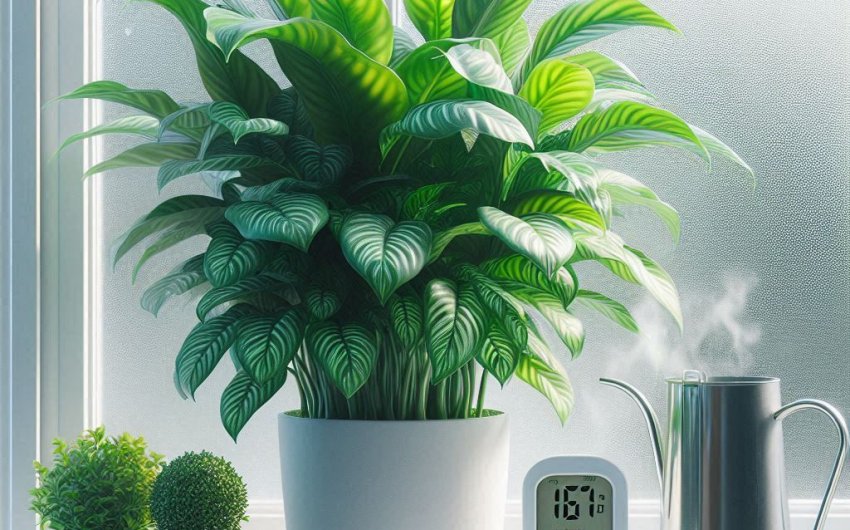
The Chinese Evergreen (Aglaonema) is a popular houseplant, loved for its beautiful variegated leaves and its reputation as an easy-care plant. However, even the most forgiving plants have specific needs, and watering is often where new plant parents make mistakes. Getting the watering right for your Chinese Evergreen is crucial for its health and vibrant appearance. Too much water can be just as damaging as too little, leading to a host of problems.
Understanding your plant's natural habitat and signs of thirst or overwatering will help you provide the perfect amount of moisture. There's no one-size-fits-all schedule, as many factors influence how often your plant actually needs a drink.
Let's dive into the best practices for watering your Chinese Evergreen and keep it thriving.
How Often Should You Water a Chinese Evergreen?
There isn't a fixed "every X days" rule for watering a Chinese Evergreen, because a plant's watering needs depend on many things. Instead, the best approach is to water when the plant actually needs it, which you can tell by checking the soil.
The general rule of thumb for a Chinese Evergreen is to allow the top 1-2 inches of soil to dry out between waterings. This typically translates to watering about once every 1-2 weeks during its active growing season (spring and summer), and less frequently in the dormant winter months (perhaps every 2-4 weeks).
Why "Check the Soil" is Best
Using the "check the soil" method rather than a strict schedule is important for several reasons:
- Environmental Factors Change: Factors like light, temperature, humidity, and airflow around your plant constantly change.
- Pot Size and Material: Larger pots hold moisture longer than smaller ones. Plastic pots hold moisture better than porous terracotta pots.
- Plant Size and Growth: A larger, actively growing plant will use more water than a smaller, slower-growing one.
- Seasonality: Plants use less water when they are not actively growing, such as during winter or cooler periods.
How to Check the Soil Moisture
There are a few reliable ways to check if your Chinese Evergreen needs water:
- The Finger Test: This is the simplest and most common method. Stick your index finger about 1-2 inches deep into the soil (up to your first or second knuckle). If the soil feels dry at that depth, it's time to water. If it still feels moist, wait a few more days and check again.
- Lift the Pot: Over time, you'll learn to judge the weight of your potted plant. A dry pot will feel significantly lighter than a freshly watered one. This method becomes intuitive with practice.
- Moisture Meter: For more accuracy, especially if you're a beginner or have many plants, a soil moisture meter can be very helpful. Insert the probe into the soil, and it will give you a reading (usually on a scale from 1 to 10 or indicating "dry," "moist," "wet"). Aim to water when the meter reads in the "dry" to "mid-moist" range. You can purchase a soil moisture meter online.
When to Water: The Process
Once you determine your plant needs water:
- Water Thoroughly: Pour water slowly and evenly over the entire soil surface until you see it draining out of the drainage holes at the bottom of the pot. This ensures that the entire root ball gets adequately moistened.
- Empty Saucer: Make sure to empty any excess water from the saucer or cachepot after about 15-30 minutes. Allowing the pot to sit in standing water can lead to root rot.
- Consider Tap Water Quality: While Chinese Evergreens are generally tolerant, they can be sensitive to fluoride and chlorine in tap water, which can cause brown tips. Letting tap water sit out for 24 hours can help dissipate chlorine, or consider using filtered water.
By following the "check the soil" method and ensuring thorough watering, you'll provide your Chinese Evergreen with the perfect hydration it needs to thrive.
What Are the Signs of Underwatering a Chinese Evergreen?
Underwatering a Chinese Evergreen can cause stress to the plant, making it look sad and unhealthy. While these plants are somewhat tolerant of a bit of neglect, consistent underwatering will eventually lead to significant problems. Knowing what to look for can help you fix the issue quickly.
1. Drooping or Wilting Leaves
This is often the most noticeable and immediate sign of an underwatered Chinese Evergreen.
- Appearance: The leaves will lose their turgor (firmness) and start to sag downwards, looking limp and lifeless. The stems might also droop.
- Cause: When the plant doesn't have enough water, its cells lose pressure, similar to how a balloon deflates when air escapes. The plant can't hold itself upright.
- Action: If you see drooping, check the soil immediately with your finger. If it's bone dry, give the plant a good, thorough watering. Often, the plant will perk up within a few hours to a day.
2. Crispy or Dry Leaf Edges and Tips
Prolonged underwatering will lead to irreversible damage to the leaves.
- Appearance: The edges or tips of the leaves will turn brown and become dry and crispy to the touch. This browning will be uniform around the edges or concentrated at the very tip.
- Cause: The plant isn't able to transport enough water to the furthest parts of its leaves, causing those tissues to dry out and die.
- Action: While watering will stop the browning from spreading, the already damaged parts of the leaf will not recover. You can trim off the crispy brown bits with clean scissors if you wish.
3. Yellowing Lower Leaves
While yellowing can also be a sign of overwatering, when it's due to underwatering, it typically starts with the lowest, oldest leaves of the plant.
- Appearance: The older leaves at the bottom of the plant will turn yellow, and then often become crispy or shrivel before eventually falling off.
- Cause: The plant is trying to conserve water by shedding older, less efficient leaves to prioritize water for new growth.
- Action: Consistent watering should prevent this, but the yellowed leaves may not recover and might eventually drop.
4. Slowed Growth
An underwatered plant will dedicate its energy to survival rather than growth.
- Appearance: You'll notice that the plant isn't putting out new leaves, or if it does, they are very small and stunted. The overall plant looks dull and lacks vigor.
- Cause: Insufficient water means the plant cannot carry out essential metabolic processes, including photosynthesis and cell expansion, necessary for growth.
- Action: Consistent proper watering will re-energize the plant and encourage new, healthy growth.
5. Soil Pulling Away from the Sides of the Pot
When potting mix becomes extremely dry, it can shrink.
- Appearance: You'll see a noticeable gap between the edge of the dried-out soil ball and the inside of the pot.
- Cause: The soil has completely dehydrated and compacted. When you water, water might just run straight down the sides through this gap without fully saturating the root ball.
- Action: If this happens, you might need to bottom water the plant (sit the pot in a basin of water for 30-60 minutes) to allow the soil to rehydrate from the bottom up, or gently break up the soil surface to allow water penetration.
By recognizing these signs, you can quickly intervene and adjust your watering habits, helping your Chinese Evergreen recover and thrive.
What Are the Signs of Overwatering a Chinese Evergreen?
Overwatering is the single most common cause of problems for houseplants, and Chinese Evergreens are no exception. While they like consistent moisture, too much water suffocates their roots and leads to serious health issues, often more difficult to recover from than underwatering.
1. Yellowing Leaves (Often Spreading)
This is a classic and early sign of overwatering.
- Appearance: Leaves, often starting from the bottom, turn yellow. Unlike underwatering where they might become crispy, overwatered yellow leaves often feel soft or mushy. The yellowing can spread upwards through the plant.
- Cause: Waterlogging in the soil deprives roots of oxygen. The roots begin to rot, becoming unable to absorb water or nutrients, even though the soil is wet. This leads to symptoms similar to underwatering (wilting, yellowing) because the plant isn't actually getting the water it needs due to damaged roots.
2. Drooping or Wilting Leaves (Despite Wet Soil)
This can be confusing because it also happens with underwatering.
- Appearance: The leaves will sag, look limp, and have no stiffness.
- Key Difference: The crucial distinction here is that the soil will feel clearly wet and soggy when you touch it. If the plant is wilting but the soil is wet, it's almost certainly overwatering and potential root rot.
- Cause: As mentioned, damaged roots cannot supply water to the leaves, even with abundant water in the soil.
3. Soft, Mushy Stems or Base
This is a very serious sign of advanced overwatering and root rot.
- Appearance: The stems, especially near the soil line, will feel soft, mushy, or discolored (dark brown/black). They might even smell foul.
- Cause: The plant tissue itself is beginning to rot due to anaerobic (oxygen-less) conditions in the soil.
- Action: If you see this, you need to act immediately. Cut away any affected soft or mushy stems. You might need to unpot the plant to inspect the roots.
4. Root Rot
This is the underlying problem caused by persistent overwatering.
- Appearance: When you unpot the plant, healthy roots are usually firm and white or light tan. Roots affected by rot will be brown or black, mushy, slimy, and might smell foul.
- Cause: Lack of oxygen in saturated soil kills the roots, making them susceptible to fungal and bacterial infections.
- Action: If you find root rot, gently remove as much old soil as possible. Prune away all rotten, mushy roots with clean scissors. Repot into fresh, dry potting mix. Do not water for several days to a week. This is a severe condition, and recovery is not guaranteed.
5. Edema (Uncommon but Possible)
- Appearance: Small, blister-like swellings or bumps appear on the leaves. These might eventually turn brown and corky.
- Cause: Occurs when a plant takes up too much water through its roots faster than it can transpire (release) it through its leaves. The excess water pressure causes cells to burst.
- Action: Reduce watering frequency and ensure good air circulation.
6. Fungus Gnats
While not directly harmful to the plant's health (they primarily feed on decaying organic matter and fungi in wet soil), fungus gnats are a common indicator of consistently overwatered soil.
- Appearance: Small, black, mosquito-like flies hovering around the soil surface.
- Cause: They lay eggs in damp soil, and their larvae thrive in constantly wet conditions.
- Action: Let the soil dry out more between waterings. You can also use sticky traps like Gnat Stix to catch adults.
If you observe any of these signs, especially combined with wet soil, it's crucial to immediately reduce your watering frequency and ensure your Chinese Evergreen has proper drainage. Overwatering is often a silent killer, so prevention is always better than cure.
What Factors Influence Chinese Evergreen Watering Needs?
The "how often" question for watering a Chinese Evergreen isn't a single answer because many things affect how quickly its soil dries out. Understanding these factors will help you truly tailor your watering schedule to your plant's specific situation.
1. Light Levels
Light is arguably the biggest influence on a plant's water usage.
- More Light = More Water: Plants in brighter light (even if it's indirect) photosynthesize more actively. This process uses water, and they also transpire (release water vapor) more. So, a Chinese Evergreen in a brighter room or closer to a window will dry out faster and need more frequent watering.
- Less Light = Less Water: In lower light conditions, photosynthesis slows down, and the plant uses less water. Overwatering is a much greater risk in low-light environments because the soil stays wet for longer periods. If you move your plant to a shadier spot, adjust your watering schedule accordingly.
2. Temperature
Warmth generally means increased water evaporation and plant activity.
- Warmer Temperatures = More Water: In warmer rooms or during hot summer months, water evaporates from the soil surface and transpires from the leaves more quickly. Your Chinese Evergreen will need more frequent watering.
- Cooler Temperatures = Less Water: In cooler rooms or during winter, the plant's metabolism slows down, and water evaporates less quickly. Reduce watering frequency significantly during these times to prevent root rot.
3. Humidity
The amount of moisture in the air impacts how much water a plant loses through its leaves.
- Lower Humidity = More Water: In dry environments (common in heated homes during winter), plants lose more moisture to the air through transpiration. This means the plant will dry out faster and need more frequent watering.
- Higher Humidity = Less Water: In humid environments, less water evaporates from the soil and less transpires from the leaves. The soil will stay moist for longer.
- Misting/Humidifiers: While misting or using a plant humidifier can benefit the plant's foliage, it doesn't significantly reduce watering needs. Always check the soil.
4. Pot Size and Material
The container itself plays a big role in moisture retention.
- Pot Size:
- Smaller Pots: Hold less soil volume, so they dry out faster and need more frequent watering.
- Larger Pots: Hold more soil volume, dry out slower, and require less frequent watering. Be careful not to overwater a plant in an oversized pot, as the excess soil will stay wet for too long.
- Pot Material:
- Terracotta/Clay Pots: These are porous, meaning water can evaporate through the sides of the pot. They dry out faster than plastic pots, which can be beneficial for plants prone to overwatering, but means more frequent watering for you.
- Plastic/Glazed Ceramic Pots: These are non-porous and retain moisture much longer. This reduces watering frequency but increases the risk of overwatering if not managed carefully.
- Fabric Grow Bags: While less common for typical Chinese Evergreens, they allow excellent airflow and prevent root circling, generally leading to faster drying than plastic.
5. Potting Mix and Drainage
The soil type and drainage are fundamental.
- Well-Draining Potting Mix: A good, airy potting mix with ingredients like perlite or vermiculite ensures that excess water drains away quickly, preventing soggy conditions that lead to root rot. If your mix is too dense or heavy, it will retain too much water. A high-quality indoor potting mix is crucial.
- Drainage Holes: As stressed before, a pot must have drainage holes. Without them, water has nowhere to go, and your plant will surely suffer from root rot.
6. Plant Size and Growth Stage
- Larger, Actively Growing Plants: A mature, actively growing Chinese Evergreen with many leaves will transpire more water and absorb more from the soil than a small, newly propagated plant. They will need more frequent watering.
- Dormancy/Slower Growth: During winter or periods of slow growth, the plant's water needs decrease significantly.
By understanding how these factors interact, you can become an expert at knowing exactly when your Chinese Evergreen needs a drink, ensuring its health and beauty for years to come.