
What Are the Best Lighting Conditions for a Jade Plant?
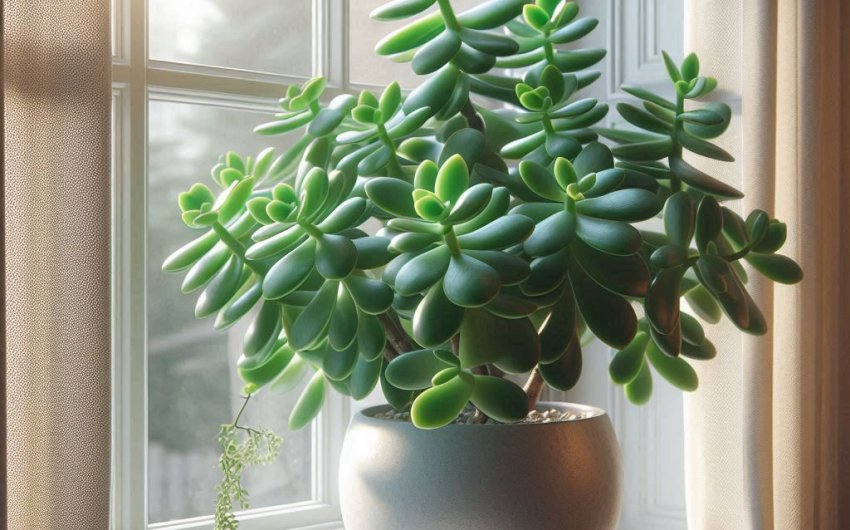
The jade plant ( Crassula ovata ), with its thick, succulent leaves and tree-like appearance, is a beloved houseplant admired for its resilience and symbolic association with good luck and prosperity. Often passed down through generations, these attractive succulents can live for decades, growing into impressive miniature trees with proper care. While generally considered easy to maintain, one of the most critical factors influencing a jade plant's health, vibrancy, and characteristic form is the amount and type of light it receives. Understanding the best lighting conditions for a jade plant is fundamental to unlocking its full potential and ensuring it thrives year after year.
Unlike many houseplants that prefer filtered or indirect light, jade plants are sun-worshippers by nature. They originate from dry, sunny regions of South Africa, where they bask in abundant sunlight. Replicating these conditions indoors is key to preventing common problems like leggy growth, pale leaves, and a general lack of vigor. Providing the right light will not only keep your jade plant compact and bushy but can also encourage its leaves to develop beautiful reddish tips, a sure sign of a happy, well-lit specimen. Let's explore the intricacies of jade plant lighting and how to ensure your green companion gets exactly what it needs to flourish.
What Kind of Light Does a Jade Plant Need?
Understanding the specific light preferences of your jade plant is the first step toward successful care.
Does a Jade Plant Need Direct Sunlight?
Yes, absolutely! Jade plants thrive on direct sunlight.
- Optimal Light: For the healthiest, most compact growth, a jade plant needs a minimum of 4-6 hours of direct sunlight per day. More is generally better, up to 10 hours, especially if the direct sun is morning or late afternoon sun.
- Origin: Remember, they are succulents native to sunny, arid regions. They are adapted to intense light.
- Consequences of Insufficient Direct Sun: Without enough direct light, your jade plant will become etiolated (stretched out and leggy), its leaves will be paler green, and it will be more susceptible to overwatering and rot.
What is Bright, Indirect Light for a Jade Plant?
While direct sun is preferred, jade plants can tolerate bright, indirect light.
- Definition: Bright, indirect light means the plant is in a very well-lit room, but the sun's rays don't directly hit its leaves. Think a few feet away from a very sunny window, or near a window that faces north.
- Tolerance vs. Thrive: A jade plant can survive in bright, indirect light, but it will not thrive as much as it would in direct sun. Growth might be slower, and it might still become a bit leggy over time. Its leaves may also lose their vibrant green color and might not develop the characteristic reddish edges.
What Kind of Light Should a Jade Plant Avoid?
- Low Light: This is the worst scenario for a jade plant. In low light conditions, it will quickly become very leggy, drop leaves, lose its vibrant color, and be highly susceptible to root rot because the soil stays wet for too long.
- Sudden Intense Direct Sun: While jade plants love sun, a sudden move from a low-light environment to intense, full, direct sun can cause sunburn. This appears as bleached or brown spots on the leaves. It's important to acclimate your plant slowly if moving it to a much brighter spot.
How Do I Provide the Best Lighting Conditions Indoors?
Replicating a jade plant's natural sunny habitat indoors requires strategic placement.
Where is the Best Window Placement for a Jade Plant?
Window orientation is key for meeting a jade plant's light needs.
- South-Facing Window: This is often the best location for a jade plant indoors. South-facing windows receive the most intense and prolonged direct sunlight throughout the day, especially in the northern hemisphere.
- West-Facing Window: A west-facing window is also a good option, providing intense afternoon sun. Be cautious during peak summer heat, as the afternoon sun can be very strong.
- East-Facing Window: An east-facing window offers gentle morning sun, which is excellent for jade plants. However, it might not provide enough hours of direct sunlight for optimal growth, especially in winter. You might need to supplement with artificial light.
- North-Facing Window: Generally not sufficient for a jade plant. North-facing windows provide only indirect light and will almost certainly lead to leggy, unhealthy growth.
How Can I Optimize Light Exposure Indoors?
Even in the right window, there are ways to maximize light for your jade plant.
- Rotate Your Plant: To ensure even growth and prevent the plant from leaning towards the light source, rotate your jade plant a quarter turn every few weeks.
- Clean Windows: Dirty windows can block a surprising amount of light. Regularly clean your windows to maximize light penetration.
- Reflective Surfaces: Placing a mirror or a light-colored wall near your jade plant can help bounce more light back onto the plant.
When Should I Consider Using Grow Lights?
If you don't have enough natural light, grow lights are an excellent solution for your jade plant.
- Signs of Insufficient Light: If your jade plant is stretching, looking pale, dropping lower leaves, or struggling to maintain its compact form despite being in your brightest window, it's a strong indicator that it needs more light.
- Types of Grow Lights:
- LED Grow Lights: Energy-efficient and popular. Look for full-spectrum LED grow lights for succulents or houseplants.
- Fluorescent Lights: Less intense than LEDs but can be effective for supplemental lighting.
- Placement: Position the grow light a few inches to a foot above your jade plant, adjusting the distance based on the light's intensity.
- Duration: Provide 12-16 hours of light per day with a grow light, using a grow light timer for consistency.
How Does Light Affect a Jade Plant's Growth and Appearance?
The amount of light your jade plant receives directly impacts its overall health and aesthetic.
How Does Light Influence Compact Growth and Bushiness?
- Sufficient Light: When a jade plant gets enough direct light, it produces strong, sturdy stems and leaves that are closely spaced. This results in the desired compact, bushy, and tree-like appearance. The plant invests energy into strong structure rather than reaching for light.
- Insufficient Light (Etiolation): In low light, the plant literally "stretches" to find more light. This process is called etiolation. The stems become thin and elongated, the leaves are far apart, and the entire plant looks weak and leggy. This leggy growth is often irreversible without significant pruning and a change in light conditions.
How Does Light Affect Leaf Color and Tipping?
- Vibrant Green Leaves: A healthy jade plant in good light will have thick, plump, vibrant green leaves.
- Reddish/Burgundy Edges: One of the most desirable features of a well-lit jade plant is the reddish or burgundy tint that develops on the edges of its leaves. This coloring is a natural response to strong light (and sometimes slight stress from cooler temperatures or less water), indicating the plant is thriving. It's often more pronounced in 'Red Edge' or 'Sunset' varieties, but even common jade can show it.
- Pale or Yellowish Leaves: Leaves that are pale green or yellowish throughout, especially without other signs of overwatering, often indicate insufficient light. The plant isn't producing enough chlorophyll.
How Does Light Affect Flowering?
While primarily grown for their foliage, mature jade plants can produce clusters of small, star-shaped white or pink flowers, typically in late winter or early spring.
- Good Light is Key: Consistent, strong direct light, especially during the fall and winter months, is crucial for encouraging flowering.
- Maturity: Only mature jade plants (several years old) will flower.
- Cooler, Drier Period: A period of cooler temperatures (around 50-55°F / 10-13°C) and reduced watering in the fall can also help induce blooming, assuming sufficient light.
What Are Common Light-Related Problems and How to Fix Them?
Identifying and correcting light-related issues can quickly improve your jade plant's health.
Problem 1: Leggy, Stretched Growth (Etiolation)
- Symptoms: Long, thin stems with widely spaced, pale green leaves. The plant looks "stretched" and weak.
- Cause: Not enough direct sunlight. The plant is desperately trying to reach for more light.
- Fix:
- Increase Light: Move your jade plant to a brighter location, ideally a south or west-facing window, or introduce a grow light for succulents.
- Pruning: To restore a compact shape, you'll need to prune back the leggy stems. Cut just above a leaf node or a pair of leaves. This encourages new, bushier growth. Use sharp pruning shears for houseplants. The pruned cuttings can often be propagated!
Problem 2: Yellowing or Pale Leaves (No Red Tips)
- Symptoms: Leaves are generally pale green or yellowish, lacking vibrancy. Older leaves might drop off.
- Cause: Often insufficient light, but can also be overwatering (root rot) or nutrient deficiency. If the plant is also leggy, it's definitely light-related. If it's compact but pale, check watering first.
- Fix:
- Increase Light: Move to a brighter spot or add supplemental grow lights.
- Check Watering: Ensure the soil is drying out completely between waterings. If overwatered, let it dry out fully before watering again. Consider repotting into fresh, well-draining succulent mix if root rot is suspected.
Problem 3: Sunburn (Brown or Bleached Spots)
- Symptoms: White, yellow, or brown patches appearing on leaves, often on the side facing the window. The spots look bleached or scorched.
- Cause: Sudden exposure to very intense direct sunlight after being in lower light conditions. This is common when moving a jade plant outdoors in spring without proper acclimation.
- Fix:
- Move Gradually: If moving your jade plant from a dimmer spot to a brighter one, do it gradually over 1-2 weeks. Start with an hour or two of direct sun, then increase exposure daily.
- Filter Light: Use a sheer curtain to diffuse intense midday sun if your plant is in a very strong west-facing window during summer.
- Damage is Permanent: Sunburned leaves will not recover. They will eventually drop off, or you can prune them if unsightly. The new growth, if properly acclimated, should be healthy.
Problem 4: Leaf Drop (Especially Lower Leaves)
- Symptoms: Leaves shrivel, turn yellow, and fall off easily, often from the bottom of the plant upwards.
- Cause: This can be caused by various stresses, including overwatering, underwatering, or, relevant to light, a sudden change in light conditions or prolonged insufficient light.
- Fix:
- Assess All Factors: First, check your watering routine. If the soil is consistently wet, it's likely overwatering. If it's bone dry for long periods, it's underwatering.
- Light Adjustment: If watering seems fine, consider if the plant has recently been moved or if its light conditions have significantly changed. Provide consistent, bright light.
- Patience: Some leaf drop is normal when a plant adjusts to a new environment. Provide consistent optimal care, and it should stabilize.
What Are Advanced Tips for Jade Plant Lighting?
Once you've mastered the basics, consider these nuances for even healthier jade plants.
How Do Seasons Affect Light for Jade Plants?
- Winter Light: In winter, sunlight is less intense and days are shorter. Even a south-facing window might not provide enough direct light.
- Adjust: Consider moving your jade plant closer to the window, removing any obstructions (like curtains), or using supplemental grow lights for winter during these months. Reduce watering slightly, as growth slows down.
- Summer Light (Outdoor Exposure): Many gardeners move their jade plants outdoors for the summer.
- Acclimation is Key: Always acclimate gradually to outdoor sun to prevent sunburn. Start in a shaded spot for a few days, then partial sun, then full sun over 1-2 weeks.
- Protection from Extreme Heat: In regions with scorching afternoon sun, a spot that gets morning sun and afternoon shade might be ideal to prevent leaf scorch.
Can Different Jade Plant Varieties Have Different Light Needs?
- Generally Similar Needs: Most common jade plant varieties (Crassula ovata, 'Gollum', 'Hobbit', variegated types) have similar needs for bright, direct light.
- Variegated Varieties: Variegated jade plants (with white, yellow, or pink sections on their leaves) might be slightly more sensitive to intense, direct sun. The lighter parts of the leaves lack chlorophyll and are more prone to sunburn. Keep an eye on them, and consider slightly less direct midday sun if you notice scorching.
What is the Importance of Airflow with Light?
- Complementary Factors: Good air circulation complements proper lighting. It helps to prevent fungal issues (especially if you accidentally overwater) and ensures the plant is healthy overall.
- Avoid Stuffy Corners: Don't tuck your jade plant into a stuffy corner, even if it gets good light. A well-ventilated spot near a window is ideal.
Mastering the lighting conditions for your jade plant is perhaps the single most important factor in its long-term health and beauty. By providing ample direct sunlight, understanding how to acclimate it to new environments, and knowing the signs of too much or too little light, you'll ensure your beloved succulent grows into a stunning, compact, and vibrant specimen. Embrace the sun-loving nature of your jade plant, and it will reward you with years of enchanting green growth and perhaps even a display of delicate blooms.