
What Are the Common Pests and Problems for Bird of Paradise?
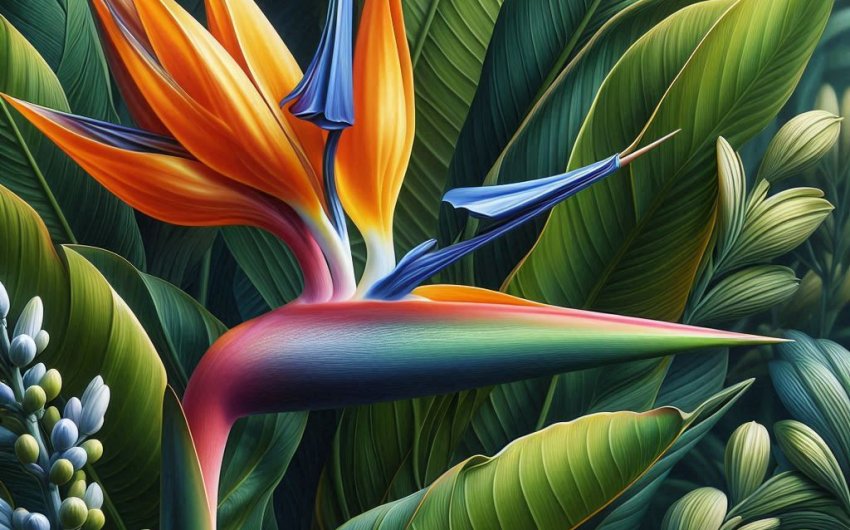
The Bird of Paradise plant (Strelitzia reginae), with its dramatic, crane-like flowers and large, banana-like leaves, is a true symbol of the tropics. Its vibrant orange and blue blooms, resembling exotic birds in flight, bring an unparalleled touch of drama and elegance to gardens and indoor spaces alike. While these plants are remarkably resilient and long-lived when given the right conditions, even such tropical beauties are not entirely immune to the occasional unwelcome attention of pests or various environmental problems.
Discovering distorted leaves, sticky residue, or a general decline in vigor can be disheartening for any owner of a prized Bird of Paradise. These signs are often the plant's way of signaling distress, indicating a battle against tiny invaders or a struggle with unmet environmental needs. Understanding the most common Bird of Paradise pests and typical growing problems is key to maintaining your plant's health and ensuring its spectacular bloom. With a watchful eye and a few simple interventions, you can swiftly identify and address these issues, allowing your Bird of Paradise to continue flourishing with its signature tropical splendor.
What Are the Most Common Pests Affecting Bird of Paradise?
While generally robust, Bird of Paradise plants can fall victim to several common sap-sucking pests, especially when grown indoors or in less-than-ideal conditions.
What Are Spider Mites and Their Signs?
Spider mites are tiny arachnids that thrive in hot, dry conditions and are one of the most common pests for indoor plants.
- Appearance: Nearly invisible to the naked eye. Look for tiny moving specks on the undersides of leaves.
- Damage: They suck sap from plant cells, causing tiny yellow or white stippling (dots) on the leaves. Heavily infested leaves may look dull, bronze, or yellowish.
- Key Sign (Webbing): The most tell-tale sign is fine, delicate webbing on the undersides of leaves, especially around new growth or between leaf veins. A magnifying glass for plant inspection helps confirm.
- Life Cycle: Reproduce very quickly, so infestations can escalate rapidly.
- Solutions:
- Increase Humidity: Mites hate humidity. Misting regularly (daily, or several times a day) can deter them.
- Strong Water Spray: Physically dislodge them by spraying leaves forcefully with water.
- Insecticidal Soap: Effective against soft-bodied pests. Apply thoroughly, especially to leaf undersides.
- Neem Oil: A natural insecticide/repellent that disrupts mite feeding and growth.
- Predatory Mites: For severe or persistent issues, introduce beneficial predatory mites. A spider mite control spray will often use one of these ingredients.
What Are Mealybugs and Their Signs?
Mealybugs are soft-bodied insects covered in a white, cottony, waxy substance.
- Appearance: Look like tiny pieces of fluffy cotton or lint, often clustered in leaf axils (where leaves meet the stem), along veins, or on the undersides of leaves.
- Damage: They suck sap, causing yellowing, distorted, or stunted leaves. They excrete honeydew, a sticky, sugary substance, which can lead to the growth of black sooty mold on leaves.
- Solutions:
- Manual Removal: For small infestations, dab with a cotton swab dipped in 70% isopropyl rubbing alcohol.
- Pruning: Remove heavily infested leaves or stems.
- Insecticidal Soap: Spray affected areas thoroughly.
- Neem Oil: Apply as a systemic treatment.
What Are Scale Insects and Their Signs?
Scale insects are tiny, immobile pests that attach firmly to stems and leaves.
- Appearance: They look like small, oval, raised bumps or scabs on the plant surface, often brown, black, or white. They are covered by a protective waxy or shell-like armor.
- Damage: They suck sap, weakening the plant, causing yellowing leaves, stunted growth, and eventual dieback. Like mealybugs, they produce honeydew, leading to sooty mold.
- Solutions:
- Manual Removal: Gently scrape them off with a fingernail or a soft brush.
- Rubbing Alcohol: Dab directly with a cotton swab dipped in alcohol.
- Neem Oil / Horticultural Oil: Apply thoroughly. Horticultural oil (like a horticultural oil spray) suffocates them.
- Systemic Insecticides: For very severe cases, a systemic insecticide (absorbed by the plant) might be a last resort.
What Are Aphids and Their Signs?
Aphids are small, soft-bodied insects that reproduce rapidly.
- Appearance: Tiny, pear-shaped insects, often green, black, yellow, or pink. They typically cluster on new growth, flower buds, and the undersides of young leaves.
- Damage: They suck sap, causing leaves to curl, yellow, and distort. Like mealybugs and scale, they excrete honeydew, leading to sooty mold. They can also stunt new growth or prevent flowers from opening.
- Solutions:
- Strong Water Spray: Dislodge them with a forceful spray of water.
- Insecticidal Soap: Effective and safe.
- Neem Oil: Works well.
- Beneficial Insects: Introduce ladybugs or lacewings outdoors.
What Are Common Problems Affecting Bird of Paradise Growth?
Beyond pests, various environmental factors or care issues can cause problems for your Bird of Paradise.
Why Are the Leaves Splitting or Tearing?
This is a very common and normal occurrence for Bird of Paradise leaves, not usually a sign of a problem.
- Natural Phenomenon: In their native habitat, the large, banana-like leaves of Strelitzia reginae naturally tear along their veins due to wind and rain. This adaptation helps the leaves withstand strong winds without breaking the entire frond.
- Low Humidity/Dry Air (Exacerbating Factor): While natural, very low indoor humidity or dry, hot drafts can exacerbate the problem, causing the leaves to become brittle and tear more easily.
- Physical Damage: Rough handling, moving the plant, or pets/children bumping into it can also cause tears.
- Solution: Don't worry! This is normal. You can trim the torn edges with clean scissors for aesthetic purposes if desired. Increase humidity to make leaves more pliable.
What Causes Leaves to Turn Yellow or Brown?
Yellowing or browning leaves are classic signs of stress.
- Underwatering:
- Signs: Leaves curl, turn dull green, then yellow, and eventually brown and crispy. The soil will be very dry.
- Solution: Water thoroughly and consistently.
- Overwatering:
- Signs: Leaves turn yellow, often with a soft or mushy feel, and may drop. This happens because root rot is occurring, and the roots can't absorb water even when the soil is wet.
- Solution: Allow soil to dry out between waterings. Ensure excellent drainage. Repot if roots are mushy. A soil moisture meter can prevent overwatering.
- Nutrient Deficiency:
- Signs: General yellowing of older leaves (Nitrogen deficiency). Yellowing between veins on new leaves (Iron deficiency).
- Solution: Fertilize with a balanced tropical plant fertilizer during the growing season. Ensure proper soil pH.
- Lack of Light:
- Signs: Leaves turn pale green, then yellow, especially on older or inner leaves. Plant may become leggy.
- Solution: Move to a brighter spot or provide supplemental grow lights.
- Cold Damage:
- Signs: Leaves may turn brown, black, or mushy after exposure to cold temperatures or frost.
- Solution: Protect from cold drafts. Ensure temperatures above 50°F (10°C).
Why Are the Leaves Curling?
- Underwatering: The most common reason. Leaves curl inward to conserve moisture.
- Solution: Water thoroughly.
- Low Humidity: Can also cause leaves to curl as they try to reduce surface area and moisture loss.
- Solution: Increase humidity.
- Extreme Heat: Combined with insufficient water, heat can cause curling.
- Solution: Move to a slightly cooler spot if possible.
- Pests: Some sap-sucking pests (e.g., aphids, thrips) can cause leaves to curl or distort as they feed on new growth.
- Solution: Inspect for pests and treat.
What Causes No Flowers or Reduced Blooms?
This is a common frustration for Bird of Paradise owners.
- Immaturity: Bird of Paradise plants typically need to be quite mature (3-5 years old from a division, 5-10+ years from seed) before they start flowering. Be patient!
- Insufficient Light: The #1 reason for no blooms. They need abundant, direct sunlight to produce the energy required for flowering. Aim for at least 6 hours of direct sun.
- Lack of Fertilization: They are heavy feeders and need consistent balanced fertilization during the growing season to produce blooms. Ensure enough phosphorus and potassium.
- Insufficient Root Restriction: They sometimes flower better when slightly root-bound. If your plant is in a very large pot and not flowering, it might be putting all its energy into root growth. Avoid potting up too frequently.
- Environmental Stress: Any major stress (improper watering, extreme temperatures, pests) can prevent flowering.
- Dormancy/Seasonal Cycle: Ensure the plant is getting a proper dormant period (reduced watering and cooler temperatures) in winter, if applicable for your type (S. reginae can benefit from a slight cool down to trigger blooms).
Why is There a Foul Smell from the Pot?
This is a clear indicator of root rot due to overwatering.
- Cause: Anaerobic bacteria thriving in constantly waterlogged, oxygen-deprived soil produce gases that cause a rotten, sour, or musty smell.
- Solution: Unpot immediately. Inspect roots. Prune away all rotten tissue. Repot in fresh, well-draining mix. Allow to dry before first watering.
How Can I Maintain a Healthy Bird of Paradise to Prevent Problems?
Consistent, proper care is the best defense against pests and problems for your Bird of Paradise.
What are the Ideal Light Conditions?
- Abundant Sunlight: Bird of Paradise craves light. Provide a minimum of 6 hours of direct sunlight daily for optimal growth and flowering. Indoors, this means a south-facing window.
- Acclimation: If moving outdoors for summer, gradually acclimate to direct sun to prevent scorching.
- Outdoor Performance: In appropriate climates, they thrive outdoors in full sun.
How Should I Water My Bird of Paradise?
- "Soak and Dry" Method: Water thoroughly until water drains from the bottom. Then, allow the top 2-3 inches of soil to dry out before watering again. For larger pots, let the top 3-4 inches dry.
- Avoid Overwatering: The biggest threat. Never let the pot sit in standing water.
- Reduced in Winter: Water less frequently in fall and winter as growth slows.
- Humid Environments: In very humid environments, the soil will dry slower. A watering can with a long spout can help deliver water precisely.
What Kind of Soil and Potting is Best?
- Well-Draining Mix: Use a rich, well-draining, and airy potting mix. A good quality potting mix for tropical plants or a mix for palm/citrus is suitable. You can amend a regular potting mix with extra perlite or bark chips for better drainage.
- Drainage Holes: Essential!
- Pot Size: They prefer to be slightly root-bound to flower. Avoid over-potting. When repotting, only move up one pot size.
Do They Need Regular Fertilization?
- Heavy Feeders: During the spring and summer growing season, fertilize regularly (e.g., every 2-4 weeks).
- Balanced Formula: Use a balanced liquid tropical plant fertilizer or a formula slightly higher in phosphorus and potassium to encourage blooming.
- Avoid in Dormancy: Do not fertilize in fall and winter.
How Important is Humidity for Bird of Paradise?
- High Humidity is Preferred: As tropical plants, they thrive in high humidity (above 50-60%).
- Methods: Mist leaves daily, use a pebble tray, or employ a room humidifier. This helps prevent spider mites and crispy leaf edges.
When Should I Prune My Bird of Paradise?
- Remove Dead/Yellowed Fronds: Prune off any yellow, brown, or damaged fronds at the base of the plant using clean, sharp pruning shears.
- Spent Flower Stalks: After flowers fade, cut the entire flower stalk off at the base.
- No Heavy Pruning: Avoid heavy pruning as it can delay flowering.
By understanding these common issues and consistently providing optimal care, your Bird of Paradise plant can overcome challenges and continue to be a magnificent, long-lived centerpiece, dazzling with its unique blooms for years to come.