
How Do I Propagate a Calathea Plant?
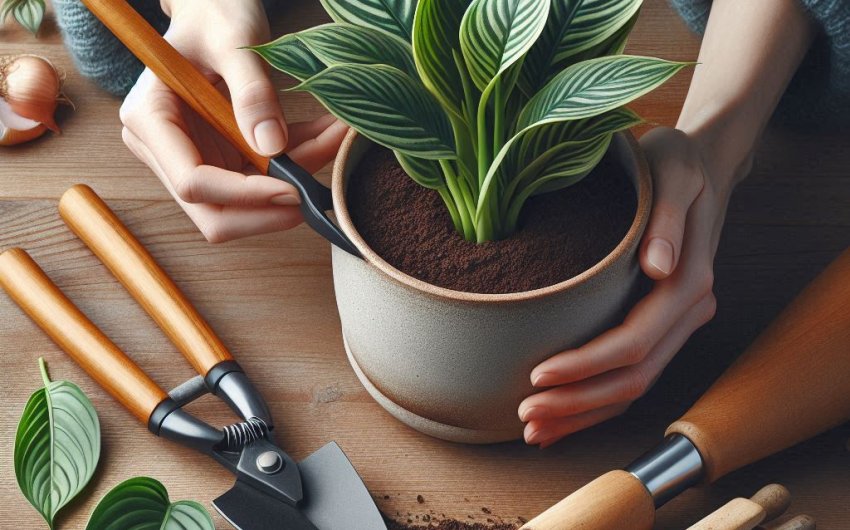
Calathea plants are truly stunning. With their vibrant, intricately patterned leaves, they bring a touch of the tropics and a splash of living art into any home. From the striking stripes of a Calathea Orbifolia to the vibrant pinks of a Calathea Ornata, these plants are known for their beauty and their unique habit of "praying" – folding their leaves upwards at night and unfurling them in the morning.
If you've fallen in love with your Calathea and wish you had more of them, you're in luck! While Calatheas are sometimes thought of as fussy plants, propagating them isn't as difficult as it might seem. Unlike many other houseplants that can be propagated from simple stem cuttings, Calatheas have a different method that involves their roots and rhizomes.
This guide will walk you through the most effective and gentle way to propagate your Calathea plant: division. We'll cover when and how to do it, what tools you'll need, and how to care for your new plant babies to ensure they thrive. Get ready to multiply the beauty in your indoor jungle!
Why propagate Calathea plants?
Propagating your Calathea plant offers several rewarding benefits, making it a popular activity for houseplant enthusiasts. It's not just about getting more plants; it's also about maintaining the health of your existing one.
1. Get more plants for free
This is perhaps the most obvious and exciting reason! Calatheas can be quite pricey to buy at a nursery. By propagating your existing plant, you can create new, healthy plants without spending any extra money. This is perfect for expanding your own collection, filling out different rooms in your home, or even gifting to friends and family who admire your stunning foliage. Imagine turning one beautiful Calathea into three or four!
2. Share the beauty
Houseplant communities thrive on sharing and exchanging plants. If you have a particularly beautiful or rare Calathea, propagating it allows you to share its unique patterns and vibrant colors with others. It's a wonderful way to connect with fellow plant lovers and spread the joy of gardening.
3. Rejuvenate an overgrown or root-bound plant
Over time, your Calathea will grow larger, and its rhizomes (underground stems) will multiply, filling up its pot. When a plant becomes root-bound (meaning its roots have filled all the available space in the pot and are circling), it can struggle to absorb water and nutrients efficiently.
- Symptoms of a root-bound Calathea: You might notice water sitting on top of the soil for a long time, roots growing out of the drainage holes, or the plant looking generally less vigorous.
- Propagation by division is a natural way to alleviate this. When you divide the plant, you're essentially splitting it into smaller, more manageable sections, each with its own root system. This gives the parent plant and the new divisions fresh space to grow, leading to healthier and more robust growth for everyone involved. It's like giving your plant a fresh start!
4. Save a struggling plant
Sometimes, a Calathea might be struggling due to root rot or other issues affecting a portion of its root system. If you catch the problem early enough, you might be able to save healthy sections of the plant by dividing them away from the diseased parts. This involves carefully cutting away any rotten roots or rhizomes and then propagating the healthy divisions. While not the primary reason to propagate, it can be a last resort to save parts of a beloved plant.
5. Learning and connection
For many plant enthusiasts, the act of propagating is a deeply satisfying and educational experience. It allows you to understand your plant's growth habits better and connect with the natural world. Successfully propagating a Calathea can be a rewarding achievement, building your confidence as a plant parent.
By understanding these benefits, you can approach Calathea propagation not just as a task, but as an opportunity to enhance your plant collection and gardening skills.
What is the best method to propagate a Calathea?
The most effective and commonly recommended method for propagating a Calathea plant is by division. Unlike many other popular houseplants that readily root from stem cuttings (like Pothos or Philodendrons), Calatheas have a different growth structure that makes division the ideal approach.
Why division works best for Calatheas
Calatheas grow from rhizomes. Rhizomes are specialized underground stems that grow horizontally and produce roots and shoots from their nodes (growth points). Over time, a mature Calathea will produce multiple shoots or "clumps" of leaves, each with its own set of rhizomes and roots, all connected to the main root ball.
- Self-contained units: When you divide a Calathea, you are carefully separating these existing clumps, each of which is already a self-contained unit with its own leaves, rhizomes, and root system. This means the new "plant" already has everything it needs to survive and grow independently, significantly increasing its chances of success.
- Not suitable for stem cuttings: Calatheas don't have true "stems" in the way many vining plants do that would root in water or soil. If you try to take a simple leaf or stem cutting without a portion of the rhizome and roots, it's highly unlikely to root and survive. The plant simply isn't designed to propagate that way.
What is propagation by division?
Propagation by division involves carefully separating a larger, mature plant into two or more smaller plants. For Calatheas, this means gently teasing apart the root ball and rhizomes into distinct sections, ensuring each section has a healthy clump of leaves, a portion of rhizome, and a good amount of healthy roots.
When is the best time to divide a Calathea?
- During repotting: The ideal time to divide your Calathea is when it's already due for repotting. This is usually when the plant has outgrown its current pot, typically every 1-2 years, or when you see roots growing out of the drainage holes.
- Spring or early summer: This is the best season for division. During the active growing season, plants are more resilient, will recover faster from the stress of division, and are more likely to put out new roots quickly. Avoid dividing during the dormant winter months.
- Healthy, mature plant: Only divide a healthy, well-established Calathea. Do not attempt to propagate a stressed, sick, or newly purchased plant. Allow it to acclimate and thrive first.
While there might be anecdotal success stories of other Calathea propagation methods, division remains the most reliable and effective technique for these beautiful plants, giving your new Calathea babies the best possible start.
What tools and materials do you need for Calathea division?
Gathering all your tools and materials before you begin propagating your Calathea plant by division will make the process much smoother and less stressful for both you and your plant.
Essential tools
- Sharp, sterile cutting tool: This is crucial for making clean cuts and preventing the spread of diseases.
- Options: A very sharp knife (a kitchen knife will do if thoroughly cleaned), a pair of sharp pruning shears, or strong scissors.
- Sterilization: Always sterilize your tool before and between cuts. You can do this by wiping the blade with rubbing alcohol (isopropyl alcohol) or by holding it over a flame for a few seconds (allow it to cool completely before touching the plant). This step is important to prevent transferring any pathogens to your plant's open wounds.
- Work surface protection: Lay down an old newspaper, a tarp, or a large plastic sheet to protect your table or floor from spilled soil.
- Gloves (optional but recommended): If you have sensitive skin, gloves can protect your hands from soil and potential irritants.
- Trowel or small shovel (optional): If your Calathea is in a larger pot and heavily root-bound, a small trowel might help gently loosen the soil from the pot.
Necessary materials
- Original Calathea plant: A mature, healthy, and preferably slightly root-bound Calathea that is ready for repotting.
- New pots:
- You'll need several new pots, one for the divided "mother" plant (if you're putting it back in a pot) and one for each new division you create.
- Drainage holes are non-negotiable! Calatheas are very prone to root rot, so proper drainage is absolutely essential.
- Choose pots that are only slightly larger than the size of the root ball of your individual divisions. A general rule is to go up only one pot size at a time (e.g., from a 4-inch pot to a 6-inch pot). Terracotta pots can be a good choice as they promote airflow and help dry out soil faster, but any pot with good drainage will work.
- Well-draining potting mix:
- Calatheas need a chunky, airy, and moisture-retentive but well-draining soil mix. Standard potting soil is usually too heavy and holds too much water, leading to root rot.
- Look for a mix specifically formulated for Aroids or tropical plants, or create your own by mixing:
- Standard potting soil (1 part)
- Perlite or pumice (1 part - for drainage and aeration)
- Orchid bark or coco coir (1 part - for moisture retention and chunkiness).
- You can also buy specialized blends like FoxFarm Ocean Forest Potting Soil, and then amend it with extra perlite or bark for better drainage.
- Water: For watering the newly repotted plants.
- Watering can: For controlled watering. A Haws indoor watering can is perfect for precise watering.
Having everything laid out and ready will make the division process less messy and more efficient, contributing to the success of your Calathea propagation.
How do you prepare the Calathea plant for division?
Properly preparing your Calathea plant before division is essential for minimizing stress to the plant and increasing the success rate of your propagation efforts. It’s all about creating the best conditions for a smooth transition.
1. Water your Calathea the day before
- Hydrate the plant: Give your Calathea a good, thorough watering about 12-24 hours before you plan to divide it.
- Why?: A well-hydrated plant is less stressed by the process of being unpotted and handled. Moist soil also makes it easier to work with the roots; dry, compacted soil can make the root ball difficult to separate and increase the risk of damaging delicate roots. The roots will be more flexible and less likely to break during separation.
- Avoid soaking: Don't water so much that the soil is soggy or dripping. You want it moist, not saturated, which could make the roots too mushy and prone to breaking.
2. Choose the right time of year
- Active growing season: The ideal time for dividing Calatheas is during their active growing season, typically in spring or early summer.
- Why?: During this period, the plant is putting out new growth and has more energy reserves. This means it will recover more quickly from the stress of division and be more efficient at establishing new roots in its new pot. Dividing during dormancy (winter) can shock the plant and lead to failure.
3. Select a healthy and mature plant
- Vigorous growth: Only attempt to divide a Calathea that is showing signs of robust, healthy growth. It should have plenty of leaves, a good size for its pot, and ideally, feel a bit "tight" in its current pot.
- Avoid stressed plants: Never divide a Calathea that is already stressed, diseased, or struggling (e.g., suffering from pests, root rot, or severe leaf problems). This would add too much additional stress, likely leading to the demise of both the parent plant and the divisions. Address any underlying health issues first before considering propagation.
- Look for multiple shoots: A good candidate for division will have several distinct "clumps" or groups of leaves emerging from the soil. These individual clumps indicate separate rhizomes that can be easily separated. If your plant only has one main stem or clump, it's not ready for division.
4. Prepare your workspace
- Clean and spacious: Lay down your newspaper or tarp in a clean, well-lit area. Have all your tools and new pots with their prepared potting mix within easy reach. This prevents fumbling and minimizes the time the plant is out of its pot.
- Sterilize tools: As mentioned in the tools section, ensure your cutting tool (knife or shears) is thoroughly sterilized before you even touch the plant.
By taking these preparatory steps, you'll ensure that your Calathea is in the best possible condition for division, setting the stage for successful propagation and new, thriving plants.
How do you divide a Calathea plant step-by-step?
Now that your Calathea plant is prepared and you have all your tools ready, it's time for the actual division process. Take your time and be gentle; the goal is to cause as little stress to the roots as possible.
1. Carefully remove the Calathea from its pot
- Loosen the soil: Lay the potted Calathea on its side on your protected work surface. Gently tap the sides and bottom of the pot to loosen the soil and the root ball. For plastic pots, you can gently squeeze the sides.
- Ease it out: Place one hand over the top of the pot, supporting the base of the plant (between your fingers). Gently tip the pot upside down and ease the entire plant, with its root ball, out of the pot. If it's stubborn, you might need to use a clean trowel or knife to loosen the soil around the edges of the pot. Avoid pulling the plant by its stems or leaves, as they can break easily.
2. Gently loosen and untangle the root ball
- Shake off excess soil: Once the plant is out of the pot, gently shake off as much of the old potting mix as possible from the root ball. You want to expose the roots and rhizomes.
- Tease apart the roots: With your fingers, very carefully and gently start to loosen and untangle the roots. Work from the bottom upwards. The goal is to identify natural sections or clumps of rhizomes, each with its own set of leaves and roots.
- Rinse (optional): If the root ball is extremely dense or compacted, you can gently rinse some of the soil off under a very weak stream of lukewarm water. This helps you see the rhizomes more clearly, but do not let the roots soak.
3. Identify natural divisions
- Look for clumps: A healthy, mature Calathea will likely have several distinct "clumps" of leaves, each originating from its own rhizome and root system. These are your natural divisions.
- Minimum size: Each division should have at least 3-5 leaves (or more), a healthy section of rhizome, and a good mass of healthy roots. Trying to divide too small a section can result in a weak plant that struggles to survive.
4. Separate the divisions
- Gentle pulling or cutting: Once you've identified your natural divisions, try to gently pull or tease them apart with your hands. Often, the rhizomes will separate fairly easily where they are loosely connected.
- Sterile cut (if necessary): If the rhizomes are too tangled or firmly connected to pull apart without damaging them, use your sharp, sterilized cutting tool to make a clean cut through the rhizome, ensuring each separated section has its own roots and leaves. Make as few cuts as possible.
- Inspect roots for rot: While you're dividing, take the opportunity to inspect all the roots. If you spot any mushy, brown, or black roots (signs of rot), prune them away with your sterile tool, cutting back to healthy, firm white roots. If the rot extends into a rhizome, cut that portion away as well, ensuring your division is completely healthy.
5. Repot the divisions
- Prepare new pots: Fill your prepared new pots (with drainage holes!) partially with your fresh, well-draining Calathea potting mix.
- Place the division: Gently place one separated division into each new pot, ensuring the rhizome and roots are adequately covered with soil, and the base of the stems is at the same level as they were in the original pot.
- Fill with soil: Carefully backfill around the roots with more potting mix, gently firming the soil around the base of the plant to provide stability. Don't compact it too much; you still want good airflow.
- Repeat for all divisions: Continue this process until all your healthy divisions are repotted.
6. Initial watering and placement
- Water thoroughly: Immediately after repotting, give each newly divided Calathea a thorough watering. Water until you see water draining from the bottom of the pot. This helps settle the soil around the roots.
- Bright, indirect light: Place your newly repotted Calatheas in a location that receives bright, indirect light. Avoid direct, harsh sunlight, especially for the first few weeks, as this can stress the recovering plants. A spot with good humidity is also beneficial.
By following these steps carefully, you will have successfully propagated your Calathea, creating new beautiful plants for your collection!
How do you care for new Calathea divisions?
After the division and repotting process, your new Calathea divisions are in a vulnerable state. They've experienced a degree of shock and need specific care to help them recover and establish a strong new root system. Consistent and attentive care during this period is crucial for their success.
1. Humidity is key
- Calatheas love humidity: These tropical plants thrive in high humidity. The division process can be stressful, and higher humidity will help prevent the leaves from drying out and encourage new growth.
- Methods to increase humidity:
- Pebble tray: Place the potted Calathea on a pebble tray filled with water (ensure the pot itself is not sitting directly in the water). As the water evaporates, it creates a localized humid environment.
- Humidifier: If you have one, a room humidifier is excellent for providing consistent humidity, especially if you have multiple Calatheas or other humidity-loving plants. A small room humidifier can make a big difference.
- Grouping plants: Place your new divisions near other plants. Plants release moisture through transpiration, creating a mini-ecosystem with higher humidity.
- Mist lightly (with caution): While generally not recommended as a sole humidity solution (as it can promote fungal growth on leaves), a very light misting of the air around the plants (not directly on the leaves) can sometimes provide a temporary boost.
- Terrarium or cloche (for very small divisions): For very small or delicate divisions, temporarily placing them inside a clear plastic bag, mini-greenhouse, or under a cloche can create a high-humidity "recovery ward." Just ensure there's still some airflow to prevent fungal issues.
2. Watering during establishment
- Consistent moisture, not soggy: Continue with the "moist but not wet" watering strategy. The soil should be consistently slightly damp, but never soggy.
- Check frequently: In the initial weeks, check the soil moisture more frequently than you would for an established plant. Small pots tend to dry out faster.
- Water thoroughly when dry: When the top inch or two of soil feels dry, water thoroughly until it drains from the bottom. Discard any excess water in the saucer.
3. Light requirements
- Bright, indirect light: For the first few weeks, keep your new Calathea divisions in a location that receives bright, indirect light. Avoid any direct sun, as the recovering plants are more susceptible to leaf scorch.
- Consistent light: Try to keep the light conditions stable. Sudden changes can cause stress.
4. Temperature and airflow
- Warm and stable: Maintain a consistent room temperature, ideally between 65-80°F (18-27°C). Avoid cold drafts or sudden temperature fluctuations.
- Good airflow: Ensure there is good air circulation around your plants to prevent stagnant conditions, which can lead to fungal problems.
5. Fertilizing (wait!)
- No fertilizer initially: Do NOT fertilize your new Calathea divisions for at least 6-8 weeks, or until you see clear signs of new growth (new leaves emerging). The plant is focusing its energy on root development, and fertilizer can burn sensitive new roots.
- When to fertilize: Once established, fertilize sparingly during the growing season (spring and summer) with a diluted liquid houseplant fertilizer.
6. Be patient and observe
- Recovery takes time: It can take several weeks for new roots to fully establish and for the plant to start showing significant new leaf growth. Don't be discouraged if you don't see immediate changes.
- Monitor for stress: Watch for signs of stress like droopy leaves, yellowing, or browning tips. These often indicate a need for adjusted watering or humidity.
By providing this nurturing environment, you'll give your Calathea divisions the best chance to grow into vibrant, healthy mature plants, adding even more beauty to your indoor plant collection.