
What Are the Different Varieties of Honeyberry Plants Available?
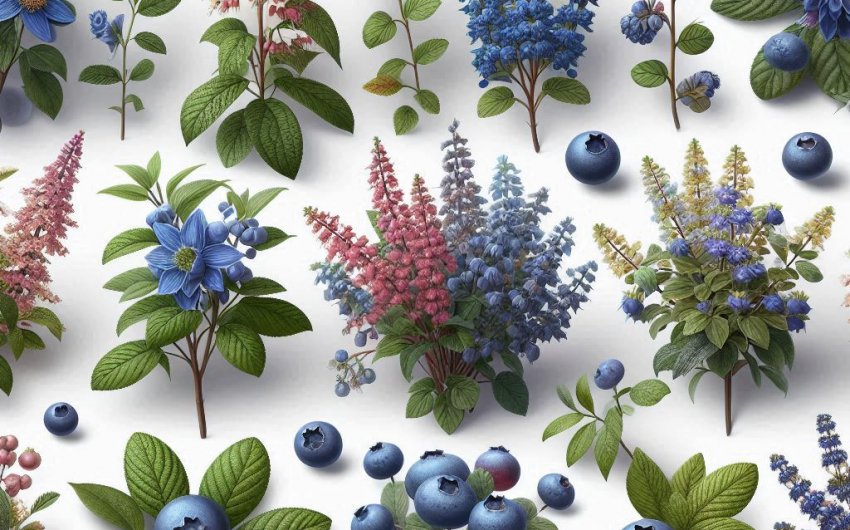
The different varieties of Honeyberry plants available can be broadly categorized by their origin (Siberian, Japanese, or Russian lineages) and further distinguished by fruit shape, flavor profile (ranging from sweet to tart with berry notes), and bloom time, which is crucial for cross-pollination. Modern breeding efforts continue to expand the range of cultivars, offering options for diverse climates and preferences.
What is a Honeyberry and Why Should I Grow It?
A Honeyberry is a fascinating and increasingly popular fruit, scientifically known as Lonicera caerulea. Often called Haskap (especially in Canada, referring to a specific group of cultivars) or edible blue honeysuckle, it's a deciduous shrub native to cold regions of the Northern Hemisphere, including Russia, Japan, and Canada. Its berries are a deep blue-purple, elongated shape, and taste like a unique blend of blueberry, raspberry, and blackcurrant. Understanding what a Honeyberry is and why you should grow it illuminates why exploring the different varieties of Honeyberry plants available is so worthwhile.
Key Characteristics of Honeyberry Plants
- Appearance: Honeyberry bushes are medium-sized shrubs, typically growing 4-8 feet tall and wide, with a somewhat rounded or spreading habit. They are deciduous, meaning they lose their leaves in winter.
- Early Bloomer: One of their most remarkable features is their extreme cold hardiness and very early bloom time. Honeyberry flowers can withstand temperatures down to 15°F (-9°C), making them one of the first fruit plants to flower in early spring, often before the last frost.
- Early Fruiter: Consequently, Honeyberries are among the very first fruits to ripen in late spring to early summer, often weeks before strawberries and blueberries. This makes them a highly anticipated early harvest for gardeners.
- Berries: The berries are typically elongated, cylindrical, or oval, varying in size from 0.5 to 1.5 inches long, and mature to a deep blue or purple color with a dusty bloom.
- Flavor Profile: The flavor is complex and depends heavily on the variety. It can range from sweet-tart to tangy, with notes often described as a blend of blueberry, raspberry, blackcurrant, or even plum.
- Nutritional Powerhouse: Honeyberries are incredibly nutrient-dense. They are exceptionally high in antioxidants (anthocyanins), Vitamin C, and fiber, making them a superfood.
Why Should I Grow Honeyberries?
There are numerous compelling reasons to consider adding Honeyberry plants to your garden:
Extreme Cold Hardiness: Honeyberries are incredibly resilient, thriving in very cold climates (USDA Zones 2-7, sometimes 8). They can withstand harsh winters and still produce fruit, making them ideal for gardeners in northern regions where many other fruits struggle. This also means flowers tolerate late frosts, a common issue for other early bloomers.
Very Early Harvest: If you crave fresh fruit as soon as possible, Honeyberries are your answer. They ripen weeks before most other berries, providing a much-anticipated early summer treat. This fills a crucial gap in the harvest season.
Unique Flavor: The distinct, complex flavor profile of Honeyberries offers a refreshing alternative or complement to more common berries. They are versatile for fresh eating, jams, jellies, pies, smoothies, and more.
AdvertisementNutritional Benefits: As a genuine superfood, consuming Honeyberries provides a powerful boost of antioxidants, which are vital for overall health and combating free radicals. Their high Vitamin C content also supports the immune system.
Easy to Grow: Honeyberries are relatively low-maintenance once established. They are not prone to many serious pests or diseases. They don't require specific pH adjustments like blueberries (they tolerate a wide range of soil types, preferring slightly acidic to neutral).
Pollinator Friendly: Their early flowers provide a critical food source for early emerging bees and other pollinators, supporting the garden ecosystem even before many other plants begin to bloom.
No Netting Needed (Often): Unlike blueberries or raspberries, Honeyberries are less attractive to birds in some regions, or their early ripening may precede the heaviest bird pressure, sometimes reducing the need for protective netting.
Versatile Use: Beyond fresh eating, they are excellent for processing into delicious and healthy preserves, sauces, and baked goods. Their unique flavor makes for interesting culinary experiments.
In short, if you're looking for a hardy, low-maintenance fruit that offers a unique, early-season superfood packed with flavor and nutrition, then exploring the different varieties of Honeyberry plants available is an excellent gardening decision.
What Are the Key Breeding Programs and Types of Honeyberry Cultivars?
The different varieties of Honeyberry plants available today are largely a result of dedicated breeding programs that have worked to improve fruit size, flavor, yield, and adaptability. Understanding these breeding lineages helps explain the diverse characteristics of modern Honeyberry cultivars.
Historical Background and Wild Species
Honeyberries derive from various subspecies of Lonicera caerulea, found across different cold regions:
- Lonicera caerulea var. kamtschatica (Siberian/Russian Honeyberry): These are traditionally the most common in cultivation. They are extremely cold-hardy, ripen very early, but often have smaller, softer berries with a tarter flavor (sometimes described as astringent or bitter). Many early Canadian cultivars have a strong Kamtschatica influence.
- Lonicera caerulea var. edulis (Russian Honeyberry): Similar to Kamtschatica, often grouped together for their hardiness and early ripening.
- Lonicera caerulea var. emphyllocalyx (Japanese Honeyberry / Haskap): Native to Hokkaido, Japan. These tend to produce larger, firmer berries with a sweeter, more complex flavor profile and better fresh-eating quality. Many of the newer, more desirable cultivars from Canada and the USA have a significant Japanese influence.
- Lonicera caerulea var. villosa (North American Honeyberry): Native to North America. Often smaller berries, but contribute to hardiness in some crosses.
Major Breeding Programs and Their Contributions
The vast majority of modern, improved Honeyberry cultivars come from a few key breeding programs, primarily in Canada and the United States. These programs cross different subspecies to combine desirable traits like large fruit size, excellent flavor, high yields, and continued cold hardiness.
1. University of Saskatchewan (Canada) - 'Haskap' Series
This is perhaps the most renowned and influential breeding program for Honeyberries, spearheaded by Dr. Bob Bors. Their cultivars are specifically branded as "Haskap" (meaning "little branch fruit" in the indigenous Ainu language of Hokkaido, Japan), reflecting their strong focus on the Japanese genetics for improved fruit quality.
- Focus: Larger berry size, sweeter flavor, firmer texture, good yields, mechanical harvestability, and continued extreme cold hardiness.
- Breeding Strategy: Extensively crossing Russian/Siberian varieties with Japanese varieties to combine hardiness with superior fruit characteristics.
- Cultivar Groups (Early, Mid, Late Season): The University of Saskatchewan varieties are typically grouped by ripening time and often require specific pollination partners from within their group (or complementary groups) for optimal fruit set.
- Early-Mid Season:
- 'Borealis': One of the first released. Known for good flavor, soft fruit (best for processing).
- 'Tundra': Firmer fruit, good for fresh eating. Very vigorous.
- 'Honeybee': Excellent pollinator for many varieties, good yields, but berries are smaller and more tart. Essential cross-pollinator.
- Mid-Late Season (often referred to as 'Boreal' series): These are newer, highly anticipated releases with improved flavor and texture, often touted as truly "sweet."
- 'Boreal Blizzard': Very large berries, excellent sweet-tart flavor, productive.
- 'Boreal Beast': A key pollinator for 'Boreal Blizzard' and other late bloomers, with large, flavorful fruit itself.
- 'Boreal Beauty': Another large-fruited, flavorful pollinator for the late-season group.
- 'Aurora': Very popular, excellent flavor, good productivity, and a versatile pollinator for many mid-season varieties (often paired with 'Borealis' or 'Tundra').
- 'Indigo Gem', 'Indigo Treat', 'Indigo Yum': Early releases known for good productivity and flavor, often paired with 'Aurora' or 'Borealis'.
- Early-Mid Season:
2. Oregon State University (USA)
This program, led by Dr. Maxine Thompson, focused on developing varieties suited for milder climates (USDA Zone 6 and above) while still offering good flavor.
- Focus: Flavor, yield, and adaptability to slightly warmer zones than traditional Siberian types.
- Examples:
- 'Maxine' (or 'Marquise'): Large, flavorful fruit.
- 'Katie': Good flavor.
3. Private Breeders / Other Universities
Various other programs and individual breeders are also contributing to the expanding range of Honeyberry varieties, often focusing on specific traits or regional adaptability.
- Russian Varieties: Many older Russian varieties exist (e.g., 'Blue Bird', 'Blue Belle', 'Tana', 'Cinderella', 'Karamel'), which are extremely hardy but often smaller and more tart than the newer Canadian/Japanese crosses. They are often used as pollinators for early-season Canadian varieties.
- Polish Varieties: Some newer cultivars are emerging from Poland, known for vigor and yield.
When selecting Honeyberry cultivars, it's crucial to understand their lineage and the specific traits (flavor, size, ripeness, pollinator needs) each program aimed to achieve. The modern "Haskap" types from the University of Saskatchewan are generally considered superior for fresh eating due to their improved flavor and fruit characteristics.
What Are the Sweetest and Most Flavorful Honeyberry Varieties?
For many gardeners, the quest for the sweetest and most flavorful Honeyberry varieties is paramount. While early Honeyberry plants (especially the older Siberian types) often had a tart or even astringent aftertaste, modern breeding programs have made significant strides in developing cultivars with truly superior flavor profiles suitable for fresh eating.
When evaluating sweetness and flavor, remember that individual perception can vary, and ripeness is key. A Honeyberry picked too early will always be tart. Let them hang on the bush for an extra week or two after they turn blue for optimal sweetness.
Here are some of the most highly regarded Honeyberry varieties for their sweetness and flavor:
University of Saskatchewan 'Boreal' Series (Late Season)
These are widely considered to be the pinnacle of Honeyberry flavor development from the University of Saskatchewan's breeding program. They tend to ripen later in the season (mid to late summer, depending on climate), which correlates with their larger size and improved sweetness.
- 'Boreal Blizzard':
- Flavor: Often described as having an excellent sweet-tart balance with rich berry notes, sometimes leaning towards sweeter. Considered one of the best for fresh eating.
- Size: Very large berries, contributing to their appeal.
- Pollination: Needs a compatible late-blooming pollinator like 'Boreal Beast' or 'Boreal Beauty'.
- 'Boreal Beast':
- Flavor: Very good flavor, often described as sweet and tangy, with a complex berry taste. It's not just a pollinator; its fruit quality is excellent for fresh eating.
- Size: Large berries.
- Pollination: An essential pollinator for 'Boreal Blizzard' and 'Boreal Beauty'.
- 'Boreal Beauty':
- Flavor: Sweet and juicy with a pleasant tartness, making it highly palatable for fresh consumption.
- Size: Large, good for fresh eating or processing.
- Pollination: A strong pollinator for 'Boreal Blizzard' and 'Boreal Beast'.
University of Saskatchewan 'Aurora' (Mid-Season)
'Aurora' has become incredibly popular due to its excellent all-around qualities, including a fantastic flavor profile. It ripens in the mid-season.
- 'Aurora':
- Flavor: Sweet, juicy, and very flavorful, with less tartness than many earlier varieties. It's often recommended as the first choice for fresh eating.
- Size: Good medium-to-large size.
- Pollination: A versatile pollinator for many mid-season varieties, often paired with 'Borealis', 'Tundra', or 'Indigo Gem'. It's known for its consistent pollination success. Find Aurora Honeyberry Plants.
University of Saskatchewan 'Indigo' Series (Early-Mid Season)
These were among the earlier releases from the University of Saskatchewan, offering a significant improvement over the older Russian types. They ripen earlier than the 'Boreal' series.
- 'Indigo Gem':
- Flavor: Good sweet-tart flavor. While not as sweet as 'Aurora' or the 'Boreal' series, it's a solid performer and widely grown.
- Size: Medium-sized.
- Pollination: Can be pollinated by 'Aurora', 'Borealis', 'Tundra'. Find Indigo Gem Honeyberry Plants.
- 'Indigo Treat' & 'Indigo Yum':
- Flavor: Similar to 'Indigo Gem', offering a good balance of sweet and tart, with slightly varied notes between them.
Considerations for Flavor:
- Ripeness: The most crucial factor for sweetness is allowing the berries to fully ripen on the bush. They turn blue before they are truly ripe. Wait at least 7-10 days (or even longer, up to 2-3 weeks in cooler climates) after they turn blue for optimal sugar development. A truly ripe Honeyberry should detach easily with a gentle tug.
- Pollination: Proper cross-pollination ensures a full set of well-developed berries, which are generally larger and more flavorful.
- Climate: Growing conditions (sunlight, soil health, water) can influence sugar content.
- Fresh vs. Processed: Varieties that might be too tart for fresh eating can be fantastic for jams, jellies, and baking, where their tartness is balanced by sugar.
When selecting Honeyberry varieties for the sweetest flavor, prioritizing the newer 'Boreal' series or the versatile 'Aurora' from the University of Saskatchewan is generally recommended, ensuring you select appropriate pollination partners.
What Are the Best Honeyberry Varieties for Yield and Vigor?
While flavor is important, a high yield and vigorous growth are crucial for a productive Honeyberry plant. Varieties known for their robust growth habit and abundant fruit production ensure a generous harvest. When exploring the different varieties of Honeyberry plants available, considering yield and vigor helps maximize your efforts.
University of Saskatchewan Cultivars
The University of Saskatchewan breeding program has consistently focused on improving yield and vigor alongside fruit quality.
- 'Tundra':
- Yield: Consistently high yields. Known for being a very productive bush once established.
- Vigor: Very vigorous, upright, and relatively compact growth habit, making it a strong grower and good for small spaces. Its upright nature can also make harvesting easier.
- Fruit Characteristics: Medium-to-large, firm, good for fresh eating and excellent for mechanical harvesting due to its firmness. Flavor is sweet-tart.
- Pollination: Benefits from cross-pollination with 'Aurora', 'Borealis', or 'Indigo Gem'. Find Tundra Honeyberry Plants.
- 'Borealis':
- Yield: Very good yields, though sometimes slightly less than 'Tundra'. A reliable producer.
- Vigor: Good vigor, with a spreading habit.
- Fruit Characteristics: Softer fruit, very good flavor, often described as sweet-tart. Best for fresh eating or processing into jams/jellies due to its softer texture.
- Pollination: Pairs well with 'Tundra', 'Aurora', or 'Honeybee'. Find Borealis Honeyberry Plants.
- 'Aurora':
- Yield: Excellent, consistent yields. Very reliable producer.
- Vigor: Moderately vigorous with a rounded, well-branched growth habit. Good disease resistance.
- Fruit Characteristics: One of the best for fresh eating, sweet and flavorful.
- Pollination: Highly versatile pollinator, especially good for 'Tundra', 'Borealis', 'Indigo Gem', 'Indigo Treat', and 'Indigo Yum'. Its consistent bloom time makes it a popular choice.
- 'Boreal Blizzard' / 'Boreal Beast' / 'Boreal Beauty' (Late Season Trio):
- Yield: This trio is specifically bred for very high yields of large fruit. As they are newer, their full long-term production potential is still being observed, but initial reports are very promising.
- Vigor: All three are described as robust, vigorous growers. Their larger size indicates strong plant health.
- Fruit Characteristics: Very large berries with excellent flavor.
- Pollination: Designed to cross-pollinate each other ('Boreal Beast' and 'Boreal Beauty' are primary pollinators for 'Boreal Blizzard').
- 'Honeybee':
- Yield: Produces very heavy crops of smaller, more tart berries. While the fruit isn't the best for fresh eating, its exceptional yield and pollen production make it a valuable pollinator.
- Vigor: Very vigorous and hardy.
- Pollination: An outstanding pollinator for many early-to-mid season varieties like 'Borealis', 'Tundra', and the 'Indigos'.
Older Russian/Siberian Varieties
While generally producing smaller, more tart berries than the newer Canadian hybrids, some older varieties are known for their exceptional vigor and extreme hardiness, often used as resilient pollinators.
- 'Blue Belle':
- Yield: Good productivity.
- Vigor: Very vigorous and cold-hardy, creating a robust bush.
- Fruit Characteristics: Tart, but good for processing.
- Pollination: Can be a good pollinator for early-season types.
- 'Blue Bird':
- Yield: Reliable yields.
- Vigor: Known for strong, healthy growth.
- Fruit Characteristics: More tart.
- Pollination: Good early-season pollinator.
Factors Influencing Yield and Vigor:
- Proper Cross-Pollination: This is the single most important factor for maximizing yield. Honeyberries are not self-fertile. You need at least two genetically different varieties that bloom at the same time for successful fruit set. Aim for at least two, preferably three, compatible varieties planted within 50 feet of each other.
- Sunlight: While tolerant of partial shade, full sun (at least 6-8 hours) will lead to the best yields and most vigorous growth.
- Soil Health: Well-draining, organically rich soil promotes strong root development and overall plant health.
- Watering: Consistent watering, especially during establishment and fruit development, is crucial.
- Pruning: Proper pruning to maintain bush health and encourage new productive wood will improve yields over time.
- Pest and Disease Management: While Honeyberries are relatively resistant, keeping them healthy ensures energy goes into production, not fighting issues.
When selecting Honeyberry varieties for maximizing yield and vigor, consider a combination of a reliable pollinator like 'Aurora' or 'Honeybee' with a high-yielding producer such as 'Tundra' or the 'Boreal' series, always ensuring bloom time compatibility.
What Are the Best Honeyberry Varieties for Specific Climate Considerations?
The remarkable cold hardiness of Honeyberry plants makes them a go-to choice for northern gardeners, but even within this hardy fruit, there are subtle differences in how different varieties of Honeyberry plants available perform under specific climate considerations. Understanding these nuances can help you select the ideal cultivars for your region's particular challenges.
1. Extreme Cold Hardiness (USDA Zones 2-3)
All Honeyberries are exceptionally cold hardy, tolerating winter temperatures down to -40°F (-40°C) or even lower. However, some lineages are particularly well-suited for the most frigid regions. Their flowers are also very cold-tolerant, surviving down to about 15°F (-9°C).
- Best Varieties:
- Older Russian/Siberian Cultivars: Varieties like 'Blue Belle', 'Blue Bird', 'Cinderella', 'Karamel', and 'Tana' (often referred to as 'Lonicera kamtschatica' or 'Lonicera edulis' types) are legendary for their ironclad cold hardiness. They are often the safest bet for the absolute coldest zones where other plants might struggle.
- University of Saskatchewan 'Indigo' and 'Boreal' Series: These Canadian cultivars, particularly 'Tundra', 'Borealis', and the 'Boreal' series ('Blizzard', 'Beast', 'Beauty'), maintain excellent extreme cold hardiness due to their Siberian/Japanese parentage. They are bred for Canadian prairies, which experience brutal winters.
- Key Consideration: Ensure you select compatible pollinators that also share a similar level of extreme cold hardiness and bloom timing. For instance, 'Honeybee' is an excellent cold-hardy pollinator.
2. Adaptation to Milder Winters (USDA Zones 7-8 and Up)
Honeyberries require a significant period of winter chill (typically 800-1,200 chill hours) to break dormancy and fruit properly. This means they are generally not well-suited for very warm climates (USDA Zone 9 and above) where winters are consistently mild. However, some breeding efforts have aimed to expand their range slightly.
- Challenges in Milder Climates:
- Insufficient Chill Hours: Without enough cold, plants may not break dormancy evenly, leading to poor flowering and fruiting.
- Premature Bud Break: Milder winters can cause buds to swell and break too early, making them vulnerable to any sudden, unseasonable cold snaps.
- Reduced Vigor: Overall plant vigor and productivity might decline without adequate chill.
- Best Varieties (for warmer edge of their range):
- Oregon State University Varieties: Cultivars like 'Maxine' (also called 'Marquise') and 'Katie' were specifically bred to have a slightly lower chill hour requirement, making them potentially more adaptable to USDA Zones 7 and 8 than the Siberian-dominant types.
- Look for Specific Recommendations: If you are in Zone 7 or 8, actively seek out varieties explicitly recommended for "lower chill" or "warmer climates" by growers in your region.
- Key Consideration: Always check the chill hour requirements of specific cultivars against your local climate data before planting in warmer zones.
3. Late Spring Frost Tolerance (Crucial for Early Bloomers)
While Honeyberry flowers are remarkably cold-tolerant (down to 15°F / -9°C), a hard freeze after they've opened can still damage the delicate stigmas or ovules, leading to reduced fruit set.
- Consideration: All Honeyberries bloom early. Their natural hardiness offers a significant advantage over other early fruit bloomers (like apricots or some peaches).
- Best Varieties for Avoiding Late Frost Damage:
- Later-Blooming Cultivars: If late spring frosts are a persistent issue in your area, choosing later-blooming varieties can reduce the risk. The University of Saskatchewan's 'Boreal' series ('Blizzard', 'Beast', 'Beauty') typically blooms later than the 'Indigo' series or older Russian types. This slightly delayed bloom can sometimes help them escape the very last killing frost.
- Strategic Planting: Planting on a slight slope or in a spot with good air drainage (cold air flows downhill) can sometimes help.
- Key Consideration: Even with hardy flowers, a combination of prolonged cold, strong winds, or a very sudden deep freeze during peak bloom can still impact yield. Always ensure compatible pollinators are blooming at the same time.
4. Heat Tolerance (for Hot Summers)
While Honeyberries prefer cooler climates, they can tolerate hot summers if certain conditions are met.
- Challenges in Hot Summers:
- Reduced Production: Prolonged heat stress can lead to reduced flowering and fruit set.
- Sunscald: Berries can sometimes suffer sunscald in intense heat if not adequately protected by foliage.
- Reduced Vigor: Plants may look stressed or growth might slow significantly.
- Management for Hot Climates (beyond variety selection):
- Partial Shade: Provide afternoon shade, especially in the hottest regions. Planting on the east side of a building or under a dappled tree canopy can help.
- Mulching: A thick layer of organic mulch helps keep the soil cool and retains moisture.
- Consistent Watering: Ensure consistent watering to prevent drought stress.
- Best Varieties: No specific Honeyberry variety is truly "heat-tolerant" in the way a desert plant is. They all prefer cooler conditions. However, healthy, vigorous varieties that are well-suited to the area's chill hours and given proper site selection and watering are more likely to perform reasonably well under heat stress.
In summary, when selecting among the different varieties of Honeyberry plants available for specific climates, prioritize cultivars known for their extreme cold hardiness in northern zones. In marginally warmer zones, seek out varieties with lower chill hour requirements, and for areas prone to late frosts, consider slightly later-blooming types from the 'Boreal' series. Always remember that site selection and good cultural practices (mulching, watering) can further enhance your plants' resilience.