
How to Handle Lawn Stress from Too Much Sun Exposure?
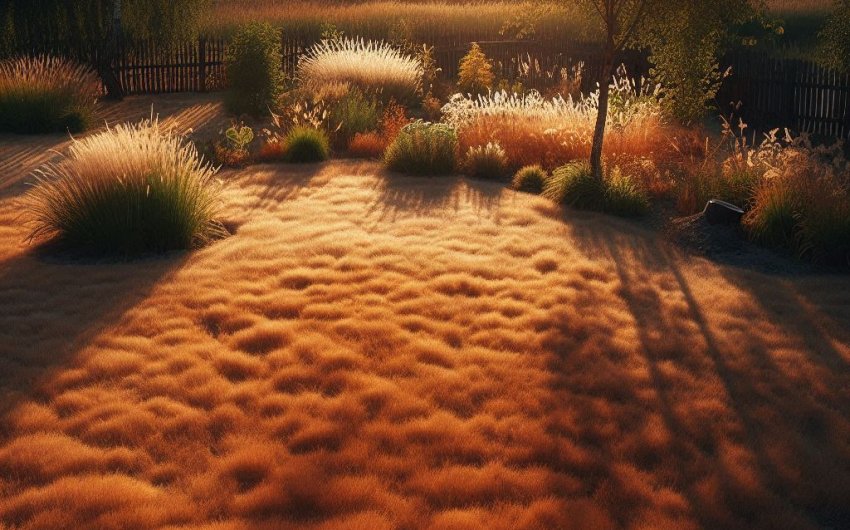
A lush, green lawn is the dream of many homeowners, but sometimes, a little too much of a good thing – specifically sun exposure – can turn that dream into a struggle. Lawn stress from too much sun exposure is a common issue, leading to brown, crispy patches, thinning turf, and an overall unhealthy appearance. Understanding how intense sunlight affects your grass and implementing specific care strategies are key to helping your lawn survive and even thrive under the summer sun.
What Are the Signs of Lawn Stress from Too Much Sun Exposure?
Recognizing the symptoms of lawn stress from too much sun exposure is the first critical step in addressing the problem. While some signs might mimic other issues, a combination of these indicators in sunny, exposed areas points directly to sun stress.
Browning or Yellowing of Grass Blades:
- Description: This is often the most noticeable symptom. Grass blades start to lose their vibrant green color, turning dull, then yellow, and eventually brown.
- Distinguishing Factor: This browning typically occurs in exposed, unshaded areas of the lawn, or on south-facing slopes that receive intense, prolonged sunlight throughout the day. The browning might be widespread or appear as distinct patches.
- Why it Happens: Excessive heat and UV radiation essentially "scorch" the chlorophyll (the green pigment involved in photosynthesis) in the grass blades. The grass becomes dehydrated and cells die.
Crispy or Brittle Texture:
- Description: When you walk across the affected grass, it doesn't feel soft or springy; instead, it feels crunchy underfoot. Individual blades will easily snap or crumble if you try to bend them.
- Why it Happens: This indicates severe dehydration. The plant has lost its turgor pressure (internal water pressure) and the cellular structure is breaking down due to lack of moisture.
Footprints Remain Visible:
- Description: If you walk across your lawn and your footprints remain compressed in the grass for a long time (minutes or even hours), this is a classic sign of water stress, often exacerbated by sun exposure.
- Why it Happens: Healthy, well-hydrated grass blades have enough elasticity to spring back up quickly after being stepped on. Sun-stressed grass lacks this turgor, indicating it's too dehydrated to recover its upright position.
Slow or Stunted Growth:
Advertisement- Description: The grass in affected areas grows much slower than in other parts of the lawn, or new growth is sparse and weak.
- Why it Happens: The grass is diverting all its limited energy resources to survival, rather than to producing new blades or vigorous growth. Its metabolic processes are slowed down or damaged by the heat.
Thinning Turf or Bare Patches:
- Description: Over time, individual grass plants may die off entirely, leading to thinning of the turf and the appearance of bare spots, especially in the most exposed areas.
- Why it Happens: Prolonged and severe sun stress eventually overwhelms the grass's ability to survive, leading to plant death. These bare patches are then susceptible to weed invasion.
Weed Invasion (Secondary Symptom):
- Description: While not a direct sign of sun stress, weakened, thin grass patches are prime targets for opportunistic weeds that might be more tolerant of hot, dry conditions. You might notice an increase in crabgrass, purslane, or other drought-tolerant weeds.
- Why it Happens: The competitive advantage shifts from the struggling turf to the more resilient weeds.
Identifying these symptoms in areas consistently subjected to intense sunlight is key to understanding and tackling lawn stress from too much sun exposure.
Which Grass Types are Most Susceptible to Sun Stress?
Not all grass varieties handle intense sunlight and heat equally. Understanding which grass types are most vulnerable to lawn stress from too much sun exposure allows you to make informed decisions about turf selection or targeted care.
Cool-Season Grasses (Generally More Susceptible):
- Definition: These grasses thrive in cooler temperatures (ideal growth around 60-75°F or 15-24°C) and are typically found in northern climates. They go dormant or struggle significantly in prolonged summer heat and intense sun.
- Why They Suffer:
- Heat Intolerance: Their metabolic processes slow down or shut off in high temperatures, leading to stress and dormancy.
- Shallow Roots: Many cool-season grasses naturally have shallower root systems compared to warm-season grasses, making them less efficient at drawing water from deeper soil layers during dry, sunny periods.
- Water Needs: They generally require more consistent moisture than warm-season grasses during hot periods.
- Common Susceptible Types:
- Kentucky Bluegrass: While popular for its lush appearance, it goes dormant readily in heat and strong sun without consistent irrigation. It will turn brown to conserve energy.
- Perennial Ryegrass: Tolerates some heat but can quickly decline in prolonged intense sun and drought.
- Fine Fescues (e.g., Creeping Red Fescue, Chewings Fescue): While known for their shade tolerance, they can also struggle in full, direct, scorching sun combined with drought, preferring more moderate sun. They are often thin in these conditions.
Warm-Season Grasses (More Tolerant, But Not Immune):
- Definition: These grasses thrive in warmer temperatures (ideal growth around 80-95°F or 27-35°C) and are typically found in southern climates. They handle heat and sun much better.
- Why They Are More Tolerant:
- Heat Adaptation: They are physiologically adapted to perform photosynthesis more efficiently at higher temperatures.
- Deep Roots: Many warm-season grasses develop deeper, more extensive root systems, allowing them to access water from lower soil profiles.
- Drought Tolerance: Can enter dormancy (turn brown) during severe drought but typically recover when moisture returns.
- Common Tolerant Types (Still need water):
- Bermuda Grass: One of the most sun and heat-tolerant grasses. Thrives in full sun.
- Zoysia Grass: Excellent heat and drought tolerance once established, tolerates full sun well.
- St. Augustine Grass: Good heat tolerance and moderately good drought tolerance. Can handle full sun but also has some shade tolerance.
- Centipede Grass: Fairly heat tolerant, but not as drought-tolerant as Bermuda or Zoysia.
- Still Need Water: Even these resilient warm-season grasses will suffer lawn stress from too much sun exposure and turn brown if they don't receive adequate water during prolonged hot, dry spells. Their tolerance means they are less likely to die outright but will go dormant to survive.
Understanding your grass type is fundamental to tailoring your lawn care strategy. If you have cool-season grass in a very sunny, hot climate, you'll need to be especially vigilant in managing lawn stress from too much sun exposure through proper watering and cultural practices, or consider transitioning to a more suitable grass type.
How Do You Adjust Watering to Counter Sun Stress?
Proper watering is the most immediate and impactful way to combat lawn stress from too much sun exposure. It's not just about how much, but also when and how you deliver moisture to your stressed turf.
Water Deeply and Infrequently:
- The Goal: Encourage grass roots to grow deep into the soil. Deep roots can access more moisture stored in the soil, making the grass more resilient to dry, sunny conditions.
- How Deep? Aim to water enough to moisten the soil to a depth of 4-6 inches.
- Test: After watering, wait a few hours, then use a soil probe or a long screwdriver to see how far the water penetrated. Adjust your watering time accordingly.
- Infrequent: Once you've watered deeply, allow the soil to dry out significantly before watering again. This forces the roots to seek deeper moisture. Frequent, shallow watering encourages shallow roots, making the grass highly dependent on surface moisture and very susceptible to sun stress.
Water Early in the Morning:
- Ideal Timing: The best time to water is between 4 AM and 9 AM.
- Why Morning:
- Less Evaporation: Temperatures are cooler, and winds are typically calmer, reducing water loss to evaporation.
- Absorption: The grass has all day to absorb the water before the heat of the afternoon.
- Foliage Drying: Grass blades have ample time to dry off before evening. This is crucial for preventing fungal diseases, which thrive in prolonged dampness.
- Avoid Evening/Night Watering: Watering in the evening leaves the grass wet overnight, creating a perfect breeding ground for fungal diseases.
- Avoid Midday Watering: Watering during the hottest part of the day leads to significant water loss through evaporation and can shock the grass with cold water.
Monitor Soil Moisture, Not Just a Schedule:
- Feel the Soil: The ultimate test. Stick your finger 2-3 inches into the soil. If it feels dry, it's time to water.
- Footprint Test: If your footprints remain visible on the grass after walking on it, it's a clear sign of water stress and indicates a need for watering.
- Wilting: While wilting is a clear sign, it means the grass is already stressed. Aim to water before this point.
- Technology: Use a sprinkler timer to automate watering in the morning, but remember to adjust duration and frequency based on actual weather conditions (rainfall, extreme heat). Some smart timers can even account for local weather.
Consider Zone-Specific Watering:
- Sunniest Areas: Lawns with severe lawn stress from too much sun exposure might need more frequent or longer watering cycles than shadier parts of your lawn.
- Slopes: Slopes tend to dry out faster. They might require shorter, more frequent watering cycles to prevent runoff, or deeper watering might be needed.
By implementing these strategic watering practices, you directly address lawn stress from too much sun exposure, providing your grass with the hydration it desperately needs to recover and stay healthy.
How Can Cultural Practices Reduce Sun Stress?
Beyond watering, several routine lawn care practices can significantly enhance your grass's resilience against lawn stress from too much sun exposure. These cultural adjustments strengthen the turf from the ground up.
Mow Higher:
- The Rule: This is one of the most effective and easiest ways to help grass in sunny areas. Raise your mower blade to the highest recommended setting for your grass type (typically 3-4 inches or even higher).
- Why it Helps:
- Shades Soil: Taller grass blades naturally shade the soil surface, keeping it cooler and significantly reducing water evaporation.
- Promotes Deeper Roots: Taller blades encourage a deeper, more robust root system, making the grass more resilient to drought and heat.
- More Photosynthesis: More leaf surface area means more photosynthesis, even in intense sun, producing more energy for the plant to cope with stress.
- Frequency: Mow only as needed. Don't scalp the lawn.
- Sharp Blade: Always use a sharp mower blade. Dull blades tear the grass, leaving ragged edges that are more susceptible to disease and stress. Consider a lawnmower blade sharpener.
Fertilize Wisely:
- Avoid High-Nitrogen in Summer: Do not apply high-nitrogen "weed and feed" type fertilizers during periods of intense heat and sun. High nitrogen promotes rapid top growth, which increases water demand and stresses the grass further when water is scarce.
- Slow-Release Options: If you must fertilize during the warmer months, use a slow-release granular fertilizer or an organic fertilizer. These provide nutrients gradually and are less likely to cause a surge of growth. A slow-release summer lawn fertilizer can be beneficial.
- Focus on Potassium (K): Potassium is known to help plants with stress tolerance (including heat and drought). A fertilizer with a higher potassium ratio can be beneficial in preparation for summer stress.
- Late Spring/Early Fall: The best times to apply a balanced fertilizer are generally in late spring and early fall, to build strength before and after the most stressful periods.
Improve Soil Health:
- Aeration: Compacted soil prevents water and air from reaching grass roots efficiently. Aerate your lawn annually, especially in high-traffic or heavily sun-exposed areas. This creates small holes, allowing water, nutrients, and oxygen to penetrate deeper. Rent a [core aerator machine](https://www.amazon.com/s?k=core+aerator+machine+rental&linkCode=ll2&tag=core aerator machine&linkCode=ll2&tag=onlinestorebo-20) or use a manual spike aerator for smaller spots.
- Topdressing with Compost: After aeration, apply a thin layer (1/4 to 1/2 inch) of good quality compost or other organic matter. This slowly improves soil structure, increases water retention, and provides a continuous supply of nutrients, making your grass more resilient. You can buy organic lawn topdressing compost.
- Soil Test: A soil test can identify underlying nutrient deficiencies or pH imbalances that weaken the lawn, making it more susceptible to sun stress.
Consider Drought-Tolerant Seed/Sod:
- If you consistently struggle with lawn stress from too much sun exposure, especially in areas with cool-season grass, consider overseeding with or completely transitioning to more drought and heat-tolerant varieties (e.g., turf-type Tall Fescue for cool climates, or Bermuda/Zoysia for warm climates). This is a long-term solution.
By combining smart watering with these essential cultural practices, you can build a stronger, more resilient lawn capable of withstanding the rigors of intense sunlight and heat, truly combating lawn stress from too much sun exposure.
How Can You Provide Temporary or Permanent Shade?
Sometimes, cultural practices and adapted grass types aren't enough to fully mitigate lawn stress from too much sun exposure. In these cases, introducing shade, either temporarily or permanently, can be the most effective solution.
Temporary Shade Solutions:
- Shade Cloth:
- Description: A woven mesh fabric that comes in various "shade percentages" (e.g., 30%, 50%, 70%). It blocks a portion of the sunlight while still allowing air and some light through.
- Application: You can drape it over stakes or a simple frame erected over the most sun-stressed areas of your lawn. It's often used for vegetable gardens or tender plants, but can protect small lawn patches. A roll of garden shade cloth is easy to work with.
- Benefits: Provides immediate relief from intense sun, easy to install and remove as needed.
- Limitations: Best for smaller, isolated patches, can be visually intrusive.
- Pop-Up Canopies or Awnings:
- Description: Temporary structures like pop-up canopy tents or portable patio awnings can provide shade for specific areas during peak sun hours.
- Benefits: More substantial shade, can be moved.
- Limitations: Not ideal for large lawn areas, can be cumbersome, and might not be aesthetically pleasing for long periods.
- Large Umbrellas:
- Description: A large cantilever patio umbrella can be positioned to shade a problem area for a few hours a day.
- Benefits: Flexible, relatively easy to move.
- Limitations: Limited coverage area.
- Shade Cloth:
Permanent Shade Solutions:
- Planting Shade Trees:
- Strategic Placement: Plant deciduous trees (those that lose their leaves in winter) to the south or west of the lawn area. They will provide shade during the hot summer months but allow sunlight through in winter when the leaves have fallen, which is beneficial for cool-season grasses.
- Species Selection: Choose fast-growing shade trees like Red Maple, Oak, or Elm, but consider their mature size. Ensure they are planted far enough from your house or structures to avoid future issues.
- Benefits: Natural, aesthetically pleasing, long-term solution. Also helps with cooling your home.
- Limitations: Takes many years for trees to mature enough to provide significant shade. Tree roots can compete with grass for water and nutrients.
- Building Permanent Structures:
- Pergolas or Awnings: A permanent garden pergola kit or fixed awning can provide consistent shade over a patio and adjacent lawn area.
- Benefits: Defined outdoor living space, reliable shade.
- Limitations: High cost, requires professional installation, fixed location.
- Tall Shrubs or Hedges:
- Strategic Planting: If the sun is coming from a specific direction, planting tall, dense shrubs or hedges along that boundary can provide some relief, similar to how a fence would.
- Benefits: Provides privacy and natural screening.
- Limitations: Can eventually compete with grass for nutrients. Requires maintenance.
- Planting Shade Trees:
By considering these temporary and permanent shade solutions, you can directly alleviate lawn stress from too much sun exposure, offering your grass the respite it needs to thrive.
What Are Alternatives to Grass for Sun-Stressed Areas?
Despite best efforts, some areas are simply too hot, dry, and intensely sunny for any grass to thrive. In these situations, instead of battling perpetual lawn stress from too much sun exposure, embracing alternatives can create a more resilient and beautiful landscape.
Drought-Tolerant Groundcovers:
- Description: Low-growing plants that spread to form a dense mat, often requiring less water and tolerating more intense sun than traditional turfgrass.
- Benefits: Reduce maintenance (no mowing), conserve water, suppress weeds, and add texture/color.
- Popular Choices:
- Sedum (Stonecrop): Many low-growing varieties (e.g., 'Dragon's Blood', 'John Creech') are incredibly drought-tolerant and thrive in full sun and poor soil. Some also have attractive blooms.
- Thyme (Creeping Thyme): A fragrant, low-growing option that tolerates light foot traffic and intense sun. Creates a beautiful, soft carpet. A creeping thyme groundcover plant is perfect for hot spots.
- Phlox subulata (Creeping Phlox): Forms a dense mat of evergreen foliage with a spectacular spring bloom. Needs good drainage and full sun.
- Delosperma (Ice Plant): Succulent groundcover with bright, daisy-like flowers. Extremely drought-tolerant and loves heat.
- Dianthus (Pinks): Many varieties form low mats of blue-green foliage with charming, often fragrant, flowers.
- Considerations: Ensure good drainage. Choose varieties appropriate for your hardiness zone.
Native Plants and Xeriscaping:
- Definition: Using plants that are naturally adapted to your local climate and rainfall patterns. Xeriscaping is a landscaping approach that reduces or eliminates the need for supplemental water from irrigation.
- Benefits: Highly drought-tolerant once established, require minimal water and fertilizer, support local wildlife and pollinators, and are generally low-maintenance.
- Approach: Design a landscape using native grasses (bunching ornamental grasses), wildflowers, shrubs, and trees that naturally thrive in sunny, dry conditions in your region.
- Example: For many arid/hot regions, this might involve various cacti, succulents, and desert shrubs. For other regions, native prairie grasses and wildflowers. A native wildflower seed mix can be a beautiful alternative.
Hardscaping:
- Definition: Using non-living materials to create functional and aesthetic elements in your landscape.
- Benefits: Eliminates the need for plants, requires very low maintenance, and provides defined outdoor living spaces.
- Options for Sunny Areas:
- Patios: Create a paved patio with patio pavers or natural stone.
- Walkways: Install pathways with gravel, stepping stones, or brick.
- Decks: Build a deck for elevated living space.
- Rock Gardens/Xeriscaping Features: Incorporate decorative rocks, boulders, and gravel. These reflect heat but require no water.
Dry Stream Beds/Rain Gardens:
- Concept: While they might get wet during rain, dry stream beds are designed to handle occasional water flow and blend aesthetically into a landscape. They don't require constant watering like a lawn.
- Benefits: Provide visual interest, help with drainage issues, and don't require maintenance in dry periods.
- Rain Gardens: Specifically designed to capture and filter stormwater runoff, often incorporating plants that tolerate both wet and dry conditions.
By strategically considering these viable alternatives, you can transform areas prone to lawn stress from too much sun exposure into beautiful, resilient, and low-maintenance features of your landscape, moving beyond the traditional turf paradigm.