
Handpicking Perfection: How to Choose the Best Quality Guava Tree for Your Garden
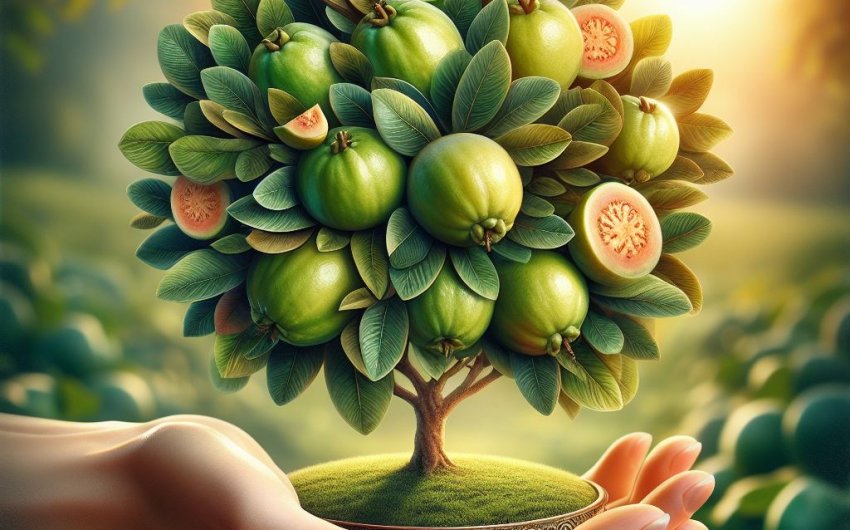
To choose the best quality guava tree for your garden, focus on selecting a healthy, vigorous specimen with strong roots, clear foliage, and a reputable cultivar known for fruit quality and climate suitability. Handpicking perfection ensures a thriving, productive guava tree that yields delicious fruit.
What Factors Influence Guava Tree Quality?
When you're looking to choose the best quality guava tree for your garden, several interconnected factors contribute to the overall health, vigor, and future productivity of the plant. Understanding these elements will help you make an informed decision and ensure you're setting yourself up for success with your guava tree.
1. Cultivar (Variety) Selection
- Fruit Characteristics: Guavas come in numerous cultivars, each offering unique fruit qualities. Consider:
- Flesh Color: White, pink, red, or yellow.
- Sweetness/Acidity: Some are very sweet, others have more tartness.
- Seediness: Some varieties are nearly seedless, others have many seeds.
- Size: From small cherry-sized to large apple-sized.
- Flavor Profile: Distinct aromatic nuances (strawberry, pear, citrus notes).
- Climate Adaptability: Different cultivars have varying tolerances to cold. Ensure the chosen variety is suitable for your USDA Plant Hardiness Zone. Some are more cold-hardy than others.
- Disease Resistance: While guavas are generally robust, some cultivars may offer better natural resistance to specific local pests or diseases.
- Growth Habit: Consider the mature size and growth habit (dwarf, semi-dwarf, standard) if you have limited space or plan to grow in a container.
- Self-Pollination: Most common guava varieties are self-fertile, meaning a single tree can produce fruit. However, planting two different cultivars can sometimes improve pollination and yield.
2. Rootstock Quality (if Grafted)
- Vigor and Disease Resistance: If you're purchasing a grafted guava tree, the rootstock (the bottom part of the tree with the roots) is crucial. A strong, disease-resistant rootstock can improve the scion's (the top, fruiting part) vigor, adaptability to different soil types, and resistance to soil-borne diseases.
- Dwarfism: Some rootstocks are used to create dwarf or semi-dwarf trees, which are ideal for smaller gardens or container growing.
- Compatibility: Ensure the scion and rootstock are compatible for a strong, long-lasting graft union.
3. Tree Health at Purchase
This is where "handpicking perfection" truly comes in. Inspect the physical tree carefully.
- Vigorous Growth: Look for a guava tree that appears robust and actively growing, with plenty of new shoots.
- Healthy Foliage: Leaves should be a uniform, vibrant green (or typical for the variety, e.g., some have reddish new growth). Avoid trees with yellowing leaves (unless it's normal new growth), brown spots, insect damage, or signs of disease.
- Strong Branch Structure: Look for a well-balanced framework of branches. Avoid trees with weak, spindly growth or branches that are crossing and rubbing.
- No Pests: Carefully inspect the undersides of leaves and stems for any signs of pests (e.g., aphids, scale, mealybugs, spider mites) or their sticky residue.
- Healthy Root System: If possible (often difficult in pots), gently lift the tree to examine the roots. They should be firm, light-colored, and not circling excessively around the pot. Avoid trees with roots pushing out of the bottom drainage holes, indicating it's severely pot-bound.
4. Nursery Practices
The quality of the nursery directly impacts the guava tree you purchase.
- Reputation: Buy from reputable nurseries or online suppliers that specialize in fruit trees. They are more likely to offer disease-free, properly labeled, and well-cared-for stock.
- Growing Conditions: Observe how the trees are cared for at the nursery. Are they well-watered? Are they spaced appropriately? Is the area clean and free of obvious disease?
- Labeling: Ensure the tree is clearly and correctly labeled with its cultivar name, rootstock (if applicable), and size.
By considering all these factors, you significantly increase your chances of selecting the best quality guava tree, leading to a productive and rewarding addition to your garden.
What are the Best Guava Cultivars for Different Tastes?
To truly choose the best quality guava tree for your garden, understanding the diverse range of cultivars and their unique fruit characteristics is key. Guavas offer a spectrum of flavors, textures, and seediness, ensuring there's a perfect match for every palate.
Here's a breakdown of some popular guava tree cultivars known for their distinct fruit qualities:
1. 'Mexican Cream' (White-Fleshed)
- Fruit Characteristics:
- Flesh: Creamy white, smooth texture.
- Flavor: Very sweet, aromatic, with a rich, complex, somewhat vanilla-like flavor. Low acid.
- Seeds: Relatively few, small, and soft seeds compared to other varieties, making it very pleasant to eat fresh.
- Size: Medium (golf ball to tennis ball size).
- Tree Characteristics: Prolific bearer, vigorous, and one of the more cold-hardy common guava varieties (can tolerate brief dips to 20°F / -6.7°C once mature).
- Best For: Fresh eating, desserts, juice. Considered by many to be one of the best for flavor.
2. 'Pineapple Guava' (Feijoa, Acca sellowiana)
- Important Note: This is a different species, often grown in temperate climates where tropical guavas won't survive. It's botanically distinct from true Psidium guajava.
- Fruit Characteristics:
- Flesh: Creamy white to pale yellow, grainy texture.
- Flavor: Sweet and aromatic, often described as a blend of pineapple, guava, and mint.
- Seeds: Small, edible, and unobtrusive.
- Size: Small to medium (egg to kiwi size).
- Tree Characteristics: Evergreen shrub or small tree, ornamental value with silvery foliage and edible flowers. More cold-hardy (USDA Zones 8-10, sometimes 7b). Some varieties need cross-pollination.
- Best For: Fresh eating, preserves, unique flavor. A Pineapple Guava Plant can be a great addition for milder climates.
3. 'Strawberry Guava' (Psidium cattleianum)
- Important Note: Another distinct species, smaller fruit with strawberry-like flavor. Available in red ('Red Strawberry Guava') and yellow ('Yellow Strawberry Guava' or 'Lemon Guava') forms.
- Fruit Characteristics:
- Flesh: Red or yellow, creamy.
- Flavor: Distinctive strawberry-like tang, very aromatic. More acidic than common guava.
- Seeds: Numerous, but very small.
- Size: Small (cherry to golf ball size).
- Tree Characteristics: Can be grown as a shrub or small tree. More cold-tolerant than common guava (USDA Zones 9-11).
- Best For: Jams, jellies, desserts, fresh eating if you enjoy the tangy flavor.
4. 'Red Malaysian' (or 'Red Apple Guava')
- Fruit Characteristics:
- Flesh: Pinkish-red.
- Flavor: Sweet, aromatic, good balance of sweetness and acidity.
- Seeds: Moderate number.
- Size: Medium to large.
- Tree Characteristics: Very ornamental with striking red new leaves and reddish bark. Prolific.
- Best For: Fresh eating, juice, preserves.
5. 'Fan-Retief' (Pink-Fleshed)
- Fruit Characteristics:
- Flesh: Deep pink to reddish-pink.
- Flavor: Very sweet, strong tropical aroma, excellent for fresh eating.
- Seeds: Relatively few.
- Size: Large.
- Tree Characteristics: Productive and popular in many guava-growing regions.
6. 'Supreme' (Pink-Fleshed)
- Fruit Characteristics:
- Flesh: Deep pink.
- Flavor: Sweet and fragrant.
- Seeds: Moderate to high seed count.
- Size: Large.
- Tree Characteristics: Very vigorous and productive. A good commercial variety.
7. 'Beaumont' (Pink-Fleshed)
- Fruit Characteristics:
- Flesh: Pink.
- Flavor: Sweet, good flavor.
- Seeds: Moderate.
- Size: Large.
- Tree Characteristics: Popular commercial variety in Hawaii. Prolific.
Table: Popular Guava Cultivar Comparison
| Cultivar | Species | Flesh Color | Flavor Profile | Seediness | Cold Hardiness (USDA) | Primary Use |
|---|---|---|---|---|---|---|
| 'Mexican Cream' | Psidium guajava | Creamy White | Very sweet, vanilla-like, aromatic, low acid | Relatively low | 9-11 (brief 20°F) | Fresh eating, desserts |
| 'Pineapple Guava' | Acca sellowiana | Creamy White | Pineapple, guava, mint blend, aromatic | Low | 7-10 | Fresh eating, preserves |
| 'Strawberry Guava' | Psidium cattleianum | Red or Yellow | Tart-sweet, strawberry-like | Numerous, very small | 9-11 | Jams, fresh eating |
| 'Red Malaysian' | Psidium guajava | Pinkish-Red | Sweet, aromatic | Moderate | 9-11 | Fresh eating, juice |
| 'Fan-Retief' | Psidium guajava | Deep Pink | Very sweet, strong tropical aroma | Relatively low | 9-11 | Fresh eating |
| 'Supreme' | Psidium guajava | Deep Pink | Sweet, fragrant | Moderate to high | 9-11 | Fresh eating, juice |
When you're ready to choose the best quality guava tree, tasting the fruit of different varieties (if possible at a local nursery or fruit stand) can be the ultimate way to find your perfect flavor match.
How Do You Select a Healthy Guava Tree at the Nursery?
When you arrive at the nursery ready to choose the best quality guava tree, a thorough visual inspection is your most powerful tool. Handpicking a healthy specimen ensures a strong start for your guava tree and increases its chances of thriving in your garden.
Here’s a step-by-step guide to what to look for:
1. Inspect the Foliage
- Color: Leaves should be uniformly green, vibrant, and characteristic of the specific cultivar (some may have reddish new growth, which is normal). Avoid trees with:
- Yellowing leaves (chlorosis): Unless it's just a few older leaves, this could indicate nutrient deficiency, overwatering, or root problems.
- Brown or Crispy Edges: Often a sign of inconsistent watering, over-fertilization, or salt burn.
- Spots or Lesions: Look for any suspicious spots, rings, or lesions on leaves, which could indicate fungal or bacterial diseases.
- Pest-Free: Thoroughly check both the top and undersides of the leaves, as well as stems and branch crotches. Look for:
- Aphids: Small green, black, or reddish insects, often clustered on new growth.
- Spider Mites: Tiny specs that cause stippling (tiny dots) on leaves, often accompanied by fine webbing.
- Mealybugs: White, cottony masses in leaf axils or along stems.
- Scale: Small, immobile bumps on stems or leaves.
- Sticky Residue (Honeydew): A tell-tale sign of sap-sucking pests like aphids or scale.
- Chewing Damage: While minor imperfections are normal, extensive chewing could indicate a significant pest problem that may have followed the tree from the nursery.
- Good Leaf Density: The tree should have a full, dense canopy of leaves, indicating vigorous growth. Avoid trees with sparse foliage.
2. Examine the Trunk and Branches
- Strong, Straight Trunk: The main trunk should be straight and sturdy, not spindly or bent.
- Good Branch Structure: Look for a well-balanced framework of branches that are evenly spaced around the trunk. Avoid trees with:
- Crossing or Rubbing Branches: These can cause wounds as they grow, inviting disease.
- Weak or Acute Angles: Branches that form very tight "V" shapes with the trunk are weaker and more prone to splitting later on. Look for wider "U" or "Y" crotches.
- Wounds or Cracks: Any open wounds, cracks, or signs of fungal growth (e.g., cankers, powdery substances) on the trunk or branches are red flags.
- Graft Union (if applicable): If it's a grafted tree, the graft union (the swollen area where the scion meets the rootstock) should be clean, smooth, and well-healed, with no swelling or signs of rejection.
3. Check the Root System
- Look for Roots in Drainage Holes: If roots are extensively circling the inside of the pot or pushing out of the bottom drainage holes, the tree is severely pot-bound. While not always a deal-breaker, it means more root pruning will be needed.
- Gently Lift (if possible): If the tree slides easily out of the pot, gently inspect the roots. They should be firm, light-colored (white or tan, not dark or mushy), and well-distributed throughout the soil ball.
- Avoid:
- Mushy or Foul-Smelling Roots: Signs of root rot from overwatering.
- Dense, Tangled Mass: Indicates severe circling and being pot-bound.
- Roots Breaking Apart Easily: Could indicate poor root development or rot.
4. Assess Overall Vigor
- Active Growth: Look for signs of recent new growth: fresh, tender shoots, expanding leaves, or even flower buds or small developing fruit (depending on the season). This indicates the plant is actively thriving.
- Proportionate Size: The tree's size should be proportionate to its container. A very small plant in a large pot might have underdeveloped roots; a very large plant in a small pot is likely pot-bound.
By thoroughly inspecting these areas, you can confidently choose the best quality guava tree at the nursery, ensuring you bring home a vigorous and healthy specimen ready to thrive in your garden.
How Do You Plant Your Best Quality Guava Tree?
Once you've managed to choose the best quality guava tree at the nursery, proper planting is the next critical step to ensure its successful establishment and long-term health in your garden. Guavas are relatively adaptable, but giving them an ideal start will significantly impact their future growth and fruit production.
1. Choose the Right Location
- Sunlight: Guava trees thrive in full sun (at least 6-8 hours of direct sunlight per day). Choose the sunniest spot in your garden.
- Drainage: Ensure the site has excellent drainage. Guavas hate "wet feet" and prolonged soggy conditions can lead to root rot. If your soil is heavy clay, consider planting in a raised bed or mounding the soil.
- Space: Consider the mature size of your chosen guava tree cultivar. Allow adequate space for its root system and canopy to develop without overcrowding. Standard varieties can reach 10-20 feet (3-6 meters) tall and wide, though dwarf types are smaller.
- Protection: In cooler climates, choose a location that offers some protection from cold winds or frost, such as a south-facing wall or near a building that provides some radiating heat.
2. Prepare the Soil
- Soil Test (Recommended): If possible, conduct a soil test beforehand to determine your soil's pH and nutrient levels. Guavas prefer a slightly acidic to neutral pH (5.0 to 7.0).
- Improve Drainage: For heavy clay soils, amend the planting area generously with coarse sand and plenty of organic matter (compost). For sandy soils, organic matter will help with water and nutrient retention.
- Dig a Wide Hole: Dig a planting hole that is at least two to three times wider than the tree's root ball, but no deeper than the root ball itself. This encourages roots to spread outwards into the loosened soil.
3. Plant the Guava Tree
- Hydrate: Water the guava tree thoroughly in its nursery pot a few hours before planting.
- Remove from Pot: Gently remove the tree from its container. You may need to lay the pot on its side and tap it to loosen the root ball.
- Inspect and Untangle Roots: Carefully inspect the root ball. If roots are circling tightly around the outside of the ball, gently tease them apart with your fingers or make a few shallow vertical cuts with a clean knife to encourage them to grow outwards. Remove any dead or damaged roots.
- Planting Depth: Place the guava tree in the center of the hole so that the top of the root ball is level with or slightly above the surrounding soil line. The point where the trunk widens at the base (the root flare) should be visible and not buried. If it's a grafted tree, ensure the graft union is well above the soil line.
- Backfill: Carefully backfill the hole with the amended soil, gently firming it around the root ball to remove any large air pockets.
- Water Thoroughly: Water deeply immediately after planting. This helps settle the soil around the roots.
- Form a Water Basin (Optional): Create a small soil berm around the edge of the planting hole to help retain water for initial irrigation.
4. Mulch
- Benefits: Apply a 2-4 inch (5-10 cm) layer of organic mulch (wood chips, straw, shredded leaves, or aged compost) around the base of the tree.
- Purpose: Mulch helps conserve soil moisture, suppresses weeds (which compete for nutrients), and moderates soil temperature.
- Caution: Keep the mulch a few inches away from the trunk to prevent moisture buildup and potential rot.
5. Initial Watering and Care
- Consistent Moisture: Water your newly planted guava tree regularly and deeply, especially during its first year, to ensure it establishes a strong root system. Avoid letting the soil dry out completely, but also don't let it become waterlogged.
- Staking (Optional): If your tree is particularly tall or in a windy location, you may need to stake it for the first 6-12 months. Use flexible ties that won't girdle the trunk. A Tree Staking Kit can provide proper support.
By following these planting guidelines, you give your newly acquired best quality guava tree the ideal start, paving the way for years of delicious harvests in your garden.
How Do You Care for a Guava Tree for Optimal Fruit Production?
Once you've planted your best quality guava tree, proper ongoing care is vital for ensuring its health, vigor, and optimal fruit production. Guava trees are relatively low-maintenance once established, but providing their specific needs will lead to a bountiful harvest in your garden.
1. Watering
- Consistency is Key: Guavas prefer consistently moist soil, especially during flowering and fruit development. They are susceptible to fruit drop if water is scarce during these critical periods.
- Establishment: Water newly planted trees regularly and deeply during their first year.
- Mature Trees: Once established, guavas are somewhat drought-tolerant, but regular deep watering (especially during dry spells) will result in larger, juicier fruit.
- Technique: Water deeply, allowing the water to penetrate the root zone. Drip irrigation or a soaker hose is ideal. Avoid shallow, frequent watering, which encourages shallow roots.
- Drainage: Ensure the soil drains well; guavas hate soggy roots.
2. Fertilization
- Regular Feeding: Guavas are relatively heavy feeders, especially once they start producing fruit.
- Balanced Fertilizer: Use a balanced organic fertilizer, often with a slightly higher phosphorus and potassium content, especially as the tree matures and begins to fruit (e.g., a granular N-P-K ratio like 5-5-5 or 6-2-4 or 6-6-6).
- Timing: Fertilize 3-4 times a year, typically in early spring, late spring, mid-summer, and early fall (adjust based on your climate and growing season length). Reduce or stop feeding during dormancy in cooler climates.
- Organic Options: Well-rotted compost, aged manure, bone meal (for phosphorus), and greensand or kelp meal (for potassium and micronutrients) are excellent organic choices. Top-dress with compost annually. A Organic Citrus and Fruit Tree Fertilizer can simplify this.
- Trace Minerals: Guavas can sometimes benefit from micronutrient supplements if your soil is deficient, especially iron and zinc, which can be applied via chelated foliar sprays if needed.
3. Pruning
- Purpose: Pruning is essential for shaping the guava tree, promoting air circulation, removing dead/diseased wood, and encouraging fruit production.
- Timing: The best time for major pruning is after the main fruiting season, or in late winter/early spring before new growth begins (in cooler climates where they may have a dormant period).
- Techniques:
- Initial Training: When young, train the guava tree to have 3-5 strong scaffold (main) branches evenly spaced around the trunk.
- Maintenance Pruning: Annually remove dead, diseased, or crossing branches.
- Thinning: Thin out overly dense growth in the center of the canopy to improve light penetration and air circulation. This helps reduce fungal infections.
- Height Control: Guavas fruit on new growth. Prune to maintain a manageable height for easy harvesting. Cut back branches by 1/4 to 1/3 of their length to encourage new flowering and fruiting shoots.
4. Pest and Disease Management (Organic)
- Monitor Regularly: Inspect your guava tree frequently for any signs of pests (e.g., fruit flies, aphids, scale) or diseases (e.g., anthracnose, rust, algal spot).
- Good Air Circulation: As mentioned, proper pruning and spacing are key to preventing fungal infections.
- Sanitation: Promptly remove and discard any diseased leaves, fallen fruit, or dead branches. Do not compost diseased material.
- Organic Controls:
- Physical Barriers: Netting for birds and some insects. Bagging individual fruits (especially for fruit flies).
- Insecticidal Soap/Neem Oil: For soft-bodied pests like aphids.
- Cultural Practices: Hand-picking larger pests, encouraging beneficial insects.
- Organic Fungicides: Copper or sulfur-based sprays for some fungal diseases, used judiciously and according to label directions.
5. Mulching
- Consistent Layer: Maintain a 2-4 inch (5-10 cm) layer of organic mulch around the base of the guava tree, keeping it a few inches away from the trunk. This helps conserve moisture, suppress weeds, and enrich the soil.
By providing this consistent and thoughtful care, your best quality guava tree will reward you with abundant, flavorful fruits, becoming a productive and beautiful addition to your garden.
How Do You Harvest Guavas for Peak Flavor?
Harvesting your guavas at the absolute right moment is crucial for experiencing their peak flavor and aroma, a reward truly unique to growing organic fruits in your backyard. Unlike some fruits that ripen significantly off the tree, guavas develop their full sweetness and characteristic scent while still attached.
1. Signs of Ripeness
Knowing when to pick a guava comes down to a combination of visual cues, scent, and slight changes in texture.
- Color Change: This is the most noticeable indicator.
- Green to Yellow/Pink: Ripe guavas typically change from a dull green to a lighter yellow, yellowish-green, or even a blush of pink/red, depending on the cultivar. Some varieties (like 'Mexican Cream') turn fully creamy yellow. Others (like 'Red Malaysian') develop distinct reddish-pink skins.
- Uniform Color: Ensure the entire fruit has changed color, not just one side.
- Aroma: This is perhaps the best indicator of peak ripeness for many varieties.
- Strong, Sweet Scent: A ripe guava will emit a strong, sweet, and characteristic tropical fragrance. If you can smell it from a few feet away, it's likely ready. Unripe guavas have little to no scent.
- Slight Softening: Gently press the fruit with your thumb. A ripe guava will yield slightly to gentle pressure, feeling soft but not mushy. Unripe guavas are hard and firm.
- Easy Detachment: A perfectly ripe guava will detach easily from the branch with a slight twist or gentle pull. If you have to tug hard, it's not ready yet.
2. When to Harvest
- Timing: Guavas can produce fruit year-round in tropical climates, often with a main peak season. In subtropical areas or with container-grown trees, fruiting might be more seasonal (e.g., late summer through fall).
- Frequency: During peak season, you may need to check your guava tree daily, as fruits ripen quickly and can become overripe very fast.
3. How to Harvest
- Gentle Handling: Guavas are delicate, especially when fully ripe. Handle them with care to avoid bruising.
- Method: Gently cup the fruit in your hand and give it a slight twist. If it's ripe, it will easily separate from the stem. If it resists, leave it for another day or two.
- Avoid Pulling: Do not yank the fruit, as this can damage the branch or cause unripe fruit to fall.
- Collection: Place harvested guavas carefully in a single layer in a shallow basket or container to prevent bruising.
4. Post-Harvest Care and Storage
- Room Temperature (for ripening): If you harvest guavas that are slightly under-ripe (still firm but showing color change), they can ripen further at room temperature for a day or two.
- Refrigeration: Once fully ripe, guavas are highly perishable. Store them in the refrigerator in a breathable bag or container for 3-7 days.
- Freezing (for longer storage): For longer storage, guavas can be peeled, seeded (optional), sliced, and frozen. They can also be pureed and frozen as pulp for smoothies, sauces, or desserts. A Fruit Freezing Kit can be useful.
- Processing: Ripe guavas are excellent for making jams, jellies, juices, sauces, or baking into desserts.
By understanding these signs and techniques for harvesting, you can ensure that every fruit picked from your best quality guava tree in your garden is a delicious, aromatic masterpiece, truly reflecting the success of growing organic fruits in your backyard.
Can You Grow Guava Trees in Containers?
Yes, absolutely! Growing organic fruits in your backyard is entirely possible even if you have limited space, and guava trees are excellent candidates for container gardening. Growing them in pots offers significant advantages, especially for those in cooler climates where outdoor cultivation is challenging, allowing anyone to choose the best quality guava tree and enjoy its tropical bounty.
Advantages of Growing Guava in Containers:
- Portability/Winter Protection: This is the primary benefit. In USDA Hardiness Zones colder than 9 (or 8 for hardier varieties), you can move your guava tree indoors to a protected location (e.g., garage, greenhouse, sunroom) during winter months when temperatures drop below freezing.
- Climate Control: Allows you to provide ideal growing conditions (e.g., ensuring consistent warmth and light) even if your outdoor climate isn't perfectly tropical.
- Soil Control: You have complete control over the potting mix, ensuring perfect drainage and nutrient levels. This is especially beneficial if your native garden soil is unsuitable.
- Space Saving: Ideal for patios, decks, balconies, or small urban gardens where planting directly in the ground isn't feasible.
- Aesthetic Appeal: A well-grown guava tree in an attractive pot can be a beautiful ornamental feature.
Choosing the Right Pot and Potting Mix:
- Pot Size: Start with a pot at least 15-20 gallons (57-76 liters) or 18-24 inches (45-60 cm) in diameter for a young tree. As the tree grows, you'll need to re-pot it into progressively larger containers (up to 30-50 gallons or more for mature trees) or maintain its size with regular root pruning.
- Material: Choose heavy, stable pots (ceramic, terra cotta, thick plastic, grow bags) that won't easily tip over. Ensure excellent drainage holes. A Large Grow Bag for Fruit Trees can be ideal.
- Potting Mix: Do NOT use regular garden soil. Use a high-quality, well-draining potting mix specifically formulated for fruit trees or tropical plants.
- Components: Look for mixes containing perlite, vermiculite, and coco coir or peat moss to ensure aeration and drainage while still retaining some moisture. Avoid mixes with excessive amounts of heavy compost that might compact.
Care for Container-Grown Guava Trees:
- Watering (More Frequent!): Container-grown plants dry out much faster than in-ground plants. You'll likely need to water daily, or even twice daily, during hot, dry weather. Ensure water drains freely from the bottom.
- Fertilization (More Frequent!): Nutrients leach out of pots more quickly. Fertilize more frequently than in-ground trees, using a balanced slow-release granular organic fertilizer or a diluted liquid organic feed (e.g., fish emulsion, kelp meal) every 2-4 weeks during the growing season.
- Sunlight: Ensure your potted guava tree receives full sun (6-8+ hours) as much as possible, even indoors. Supplement with a grow light if natural light is insufficient during winter.
- Pruning: Regular pruning is essential to maintain a manageable size and shape in containers, and to encourage fruit production. You may also need to perform light root pruning every 2-3 years when re-potting.
- Winter Care:
- Timing: Bring indoors before the first hard frost, and move outdoors again after all danger of frost has passed in spring.
- Location: Indoors, provide the brightest possible light. Reduce watering and cease fertilization during winter dormancy. Keep away from direct heating vents.
- Pollination: Most common guavas are self-fertile, but for improved yield, you can hand-pollinate the flowers with a small brush or cotton swab by transferring pollen between flowers.
By following these specific container care tips, you can successfully choose the best quality guava tree and enjoy the delicious benefits of growing organic fruits in your backyard, no matter your climate zone or space limitations.
What Are Common Pests and Diseases of Guava Trees (and Organic Solutions)?
While guava trees are generally considered robust, they can still encounter various pests and fungal diseases that impact their health and fruit production. When growing organic fruits in your backyard, managing these issues requires vigilance and a commitment to natural, non-toxic solutions.
Common Pests of Guava Trees
- Fruit Flies (e.g., Mediterranean Fruit Fly, Guava Fruit Fly):
- Damage: Larvae (maggots) tunnel into ripening fruit, causing rot and rendering fruit inedible. A major concern in many regions.
- Organic Solutions:
- Bagging Fruits: Individually bag developing fruits (small paper or mesh bags) after fruit set to create a physical barrier. A Fruit Protection Mesh Bag is effective.
- Sanitation: Promptly pick up and discard (do not compost!) all fallen or infested fruit to break the life cycle.
- Traps: Use homemade (e.g., apple cider vinegar traps) or commercial fruit fly traps to monitor and reduce populations.
- Aphids:
- Damage: Tiny, soft-bodied insects clustered on new growth, sucking sap, causing distorted leaves, and leaving sticky honeydew.
- Organic Solutions:
- Strong Water Spray: Blast them off with a strong stream of water from a hose.
- Insecticidal Soap/Neem Oil: Apply thoroughly, especially to undersides of leaves.
- Encourage Beneficials: Attract ladybugs and lacewings, which are natural predators of aphids.
- Scale Insects:
- Damage: Small, immobile bumps (hard or soft scale) on stems and leaves, sucking sap and causing yellowing or stunted growth. Also produce honeydew.
- Organic Solutions:
- Hand-Scraping: Gently scrape off small infestations with a fingernail or soft brush.
- Horticultural Oil (Neem Oil/Mineral Oil): Apply as a dormant spray (if dormant) or summer spray (diluted) to smother scales. Thorough coverage is essential.
- Mealybugs:
- Damage: White, cottony masses in leaf axils or on stems, sucking sap, and causing yellowing.
- Organic Solutions: Similar to aphids and scale. Dab with rubbing alcohol on a cotton swab for small infestations. Horticultural oil.
- Whiteflies:
- Damage: Tiny, white, winged insects found on undersides of leaves, flying up in a cloud when disturbed. Suck sap, cause yellowing, and produce honeydew.
- Organic Solutions: Insecticidal soap, neem oil, yellow sticky traps.
Common Diseases of Guava Trees (Organic Solutions)
- Anthracnose (Colletotrichum gloeosporioides):
- Symptoms: Dark, sunken spots on fruit (often leading to rot), leaf spots, twig dieback. Common in humid conditions.
- Organic Solutions:
- Sanitation: Remove all infected plant parts and fallen debris.
- Pruning: Improve air circulation by thinning the canopy.
- Watering: Water at the base of the plant to keep foliage dry.
- Copper-Based Fungicides: Apply preventatively during humid weather or at first sign, following label instructions for edible crops.
- Algal Leaf Spot (Cephaleuros virescens):
- Symptoms: Velvety, raised, greenish-grey to reddish-brown spots on leaves, giving them a crusty appearance. Rarely fatal but unsightly.
- Organic Solutions:
- Pruning: Improve air circulation.
- Nutrition: Ensure proper tree nutrition; healthy trees are more resistant.
- Copper-Based Fungicides: Can be used in severe cases.
- Root Rot (Various Fungi):
- Symptoms: Yellowing, wilting leaves, stunted growth, sudden decline. Roots may be mushy and dark.
- Cause: Primarily caused by overwatering and poor soil drainage.
- Organic Solutions:
- Prevention: Ensure excellent drainage at planting (amend heavy clay, plant in raised beds). Avoid overwatering.
- Improve Drainage: For existing trees, try to improve drainage around the root zone if possible.
- Leaf Spot (Various Fungi):
- Symptoms: Various brown or black spots on leaves.
- Organic Solutions: Sanitation, good air circulation, watering practices. Copper or sulfur-based fungicides for persistent issues.
General Organic Management Tips:
- Vigilance: Regular inspection of your guava tree is key to catching issues early.
- Strong, Healthy Plants: The best defense against pests and diseases is a healthy, vigorous plant. Provide optimal growing conditions (sun, well-draining soil, proper nutrition, and water).
- Native/Resistant Cultivars: As always, choosing a naturally resistant guava tree cultivar is your first and most effective organic strategy.
By applying these organic solutions, you can successfully manage common pests and diseases, ensuring your best quality guava tree remains productive and continues to yield delicious organic fruits in your backyard.