
Unlock the Bounty: Harvesting Guava Gold from Your Tree
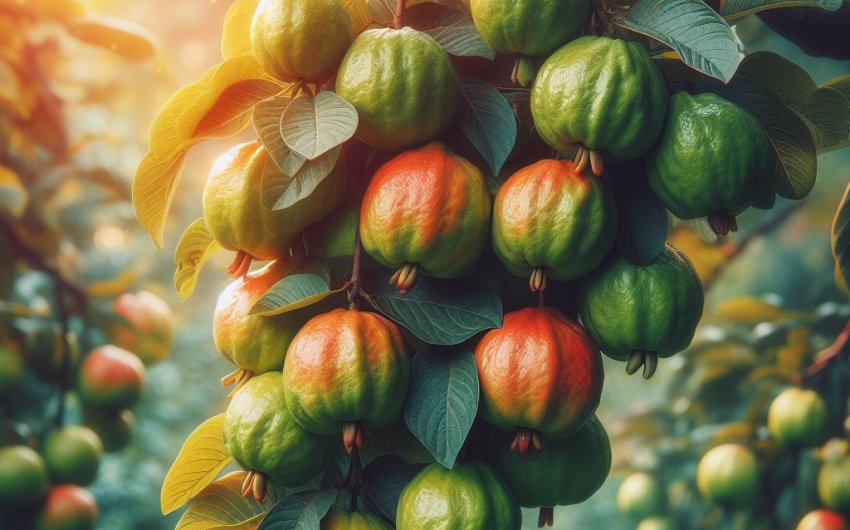
There's a special kind of delight that fills the air when your fruit trees begin to ripen. For those lucky enough to cultivate guava trees, that moment brings the promise of tropical sweetness right to your backyard. The fragrant, vibrant fruits, often called "guava gold," are a true treasure. Plucking a perfectly ripe guava from its branch offers a taste sensation unlike any other, a blend of sweet, tangy, and aromatic notes that transport you to a sun-drenched paradise.
Cultivating a guava tree is an investment in time and care, and the reward is a bounty of unique, delicious fruit. But knowing exactly when and how to gather these gems can make all the difference between a good harvest and a truly spectacular one. It's not just about waiting for them to change color; there are subtle cues that signal peak ripeness and flavor. We'll delve into the art of unlocking the richness from your guava tree, guiding you through the signs of readiness, the best methods for picking, and how to enjoy your homegrown tropical harvest.
What is a Guava and Why Grow It?
Guava fruits are truly special. They come from the guava tree (Psidium guajava), a small tropical tree or shrub. While less common in temperate climates, they are a beloved fruit in many parts of the world for their unique taste and aroma.
What Makes Guava Fruits Unique?
- Flavor Profile: Guavas have a complex and often intense flavor. They are usually described as a blend of strawberry, pear, and pineapple, with a musky sweetness and often a slightly tart edge. The aroma is equally distinct and highly fragrant.
- Texture: The flesh can range from creamy and smooth to slightly gritty near the center, where many small, hard seeds are found. Some varieties are nearly seedless.
- Color: The skin is typically green when unripe and turns yellow, yellowish-green, or sometimes even pink/red when ripe. The pulp inside can be white, yellow, or various shades of pink to red, depending on the variety.
- Nutritional Powerhouse: Guavas are packed with vitamins and minerals. They are exceptionally high in Vitamin C (often much more than oranges!), and also provide good amounts of Vitamin A, fiber, and potassium.
- Uses: Delicious eaten fresh, but also popular in juices, jams, jellies, desserts, and savory dishes.
Where Do Guava Trees Come From and What Climates Do They Like?
Guava trees are native to tropical and subtropical regions of the Americas, particularly Mexico, Central America, and South America. They thrive in warm climates and are sensitive to frost.
- Hardiness Zones: Most common guava trees are hardy in USDA Zones 9-11. This means they can tolerate very light, brief frosts (down to about 28-30°F or -1 to -2°C), but prolonged freezing temperatures will damage or kill the tree.
- Fruiting: In ideal warm climates, guava trees can fruit almost year-round or have multiple fruiting seasons. In cooler parts of their hardiness zone, they might have one main season, typically late summer to fall.
Why Grow Guava in Your Garden?
- Exotic Fruit: Brings a unique, tropical flavor to your homegrown produce that's hard to find fresh in many stores.
- Nutritional Value: A highly nutritious addition to your diet.
- Ornamental Value: The tree itself is attractive, with lovely peeling bark and glossy leaves.
- Fragrance: Ripe guavas fill the air with their sweet, musky aroma.
- Relatively Easy: Once established in the right climate, guava trees are relatively low-maintenance fruit trees.
Having your own guava tree allows you to unlock a true bounty of tropical flavor and freshness, directly from your garden to your table.
What are the Signs of Guava Ripeness?
Harvesting guavas at their peak ripeness is crucial for enjoying their best flavor and aroma. Unlike some fruits, guavas can ripen both on and off the tree, but tree-ripened fruits generally have the best taste.
What are the Visual Cues?
- Skin Color Change: This is the most obvious sign. Unripe guavas are typically hard and dark green. As they mature, the skin will start to change color.
- For most common varieties, this means turning from green to yellow or yellowish-green. Some varieties might develop a pinkish or reddish blush.
- The skin should look duller, less shiny, than an unripe fruit.
- Make sure the green color has truly faded and given way to the ripe color, especially around the stem end.
- Size: While size isn't a direct indicator of ripeness (it indicates maturity), ripe guavas will generally be plump and fully sized for their variety.
What are the Touch and Feel Cues?
This is often the most reliable way to tell if a guava is ready.
- Softness: Gently press the fruit with your thumb. A ripe guava should give slightly to gentle pressure, similar to a ripe avocado or a slightly soft pear. It shouldn't be rock hard, nor should it be mushy.
- Texture of Skin: The skin might feel slightly less smooth, perhaps a bit bumpy, as it ripens.
What are the Olfactory (Smell) Cues?
The aroma of a guava changes dramatically as it ripens.
- Fragrance: A perfectly ripe guava will have a strong, sweet, and characteristic musky aroma. You should be able to smell it without holding it right up to your nose, especially if you're near the tree. Unripe guavas have little to no scent.
What are the Taste Cues (if all else fails)?
If you're still unsure, especially with a new variety:
- Try One: Pick one fruit that shows most of the signs, and taste it. This is the ultimate test. If it's still tart and crunchy, give the others more time. If it's sweet and aromatic, you're ready to harvest!
How Does Ripening Off the Tree Work?
Guavas are climacteric fruits, meaning they continue to ripen after being picked.
- Early Harvest for Transport/Storage: For commercial growers or if you need to transport guavas, they are often picked when mature but still firm and green/light yellow. They will then ripen at room temperature.
- Best Flavor On-Tree: However, for the absolute best flavor and aroma, it's always best to let guavas ripen as much as possible on the tree. Tree-ripened fruit develops a more complex sugar content and fragrance.
By paying attention to these multiple cues – color, feel, and smell – you'll become an expert at identifying when your guava gold is at its peak readiness for harvest.
How Do You Harvest Guava Fruits?
Once your guava fruits show all the signs of ripeness, the actual harvesting process is quite simple. A gentle touch and a few simple tools are all you need to collect your bounty.
What is the Best Method for Picking Guava?
- Gentle Twist and Pull: The most common method is to gently twist and pull the ripe guava from the branch.
- Hold the fruit firmly but gently.
- Twist it slightly while pulling downwards or sideways.
- A ripe guava should detach easily from the stem. If it resists strongly, it's likely not fully ripe yet.
- Cutting (for Tougher Stems): If the stem is particularly tough or you want to avoid damaging the tree, you can use clean, sharp Pruning Shears or kitchen scissors to snip the stem just above the fruit. This is especially useful for fruits that are hard to reach.
- Catching Fallen Fruit: While tree-ripened is best, some fully ripe guavas may fall to the ground, especially after a gentle shake of the branch. If picking up from the ground, inspect them for bruising or pest damage before consuming.
What Tools Might Be Helpful?
- Gloves: Optional, but can be helpful if you find the tree's bark or branches a bit rough, or just for cleanliness. You can use comfortable Garden Gloves.
- Basket or Container: A wide, shallow basket or container is ideal for collecting guavas. Avoid piling them too high to prevent bruising. A Fruit Picking Basket can protect delicate fruit.
- Fruit Picker (for Tall Trees): If your guava tree is tall and you can't reach the ripe fruits, a Fruit Picker Tool with a long handle can be very useful. This typically has a small basket or prongs at the end to gently pluck or dislodge the fruit.
- Ladder: For taller trees, a sturdy ladder might be necessary to reach upper branches. Always use a ladder safely.
How Often Should You Harvest?
- Regular Checks: Guava trees can produce fruit over an extended period, and not all fruits ripen at the same time. Check your tree daily or every other day during the ripening season.
- Continuous Ripening: By harvesting ripe fruits regularly, you encourage the tree to continue producing and ripening more. Leaving overripe or fallen fruit can also attract pests.
Harvesting your guava gold is a rewarding experience. With gentle hands and consistent checks, you'll ensure a steady supply of perfectly ripe, fragrant fruits for your enjoyment.
How Do You Store and Preserve Guavas?
Once you've harvested your guava gold, knowing how to store and preserve them properly is key to enjoying their bounty for as long as possible. Ripe guavas are perishable, but there are good ways to keep them fresh or extend their life.
How to Store Fresh, Ripe Guavas?
- Countertop (Short-Term): If the guavas are perfectly ripe and you plan to eat them within a day or two, you can store them at room temperature on your kitchen counter. Their fragrance will fill your kitchen!
- Refrigerator (Short to Medium-Term): For longer storage of ripe guavas, place them in a plastic bag (like a perforated produce bag) or an airtight container in the refrigerator.
- Duration: They will last for about 5-7 days in the refrigerator. The cold slows down the ripening process.
- Check for Ripeness: If you pick them slightly under-ripe, they will continue to ripen in the refrigerator, but slower than at room temperature.
- Avoid Washing Until Ready to Eat: Only wash guavas just before you are ready to consume them. Washing them prematurely can remove their natural protective coating and speed up spoilage.
What are the Best Ways to Preserve Guavas?
If you have a large harvest, preserving guavas is a fantastic way to enjoy their unique flavor all year round.
- Freezing: This is one of the easiest ways to preserve guavas.
- Whole or Halved: Wash the guavas, cut them in half or quarters, and remove any blemishes. You can choose to scoop out the seeds or leave them in.
- Tray Freeze: Place the cut guavas in a single layer on a baking sheet and freeze until solid. This prevents them from sticking together.
- Bag: Transfer the frozen pieces to airtight freezer bags or containers.
- Duration: Frozen guavas can last for 8-12 months. They are great for smoothies, sauces, or jams after thawing.
- Guava Puree/Pulp:
- Method: Wash, peel (optional), and cut guavas. Cook them down with a little water until soft. Push the pulp through a food mill or fine-mesh sieve to remove the seeds.
- Storage: The pureed pulp can be frozen in ice cube trays (for small portions) or larger freezer bags, or canned using a water bath canner if acidified (check safe canning recipes).
- Uses: Perfect for making juices, sauces, jellies, or desserts later.
- Jams and Jellies: Guavas are naturally high in pectin, making them excellent for jams and jellies.
- Recipe: Follow a tested canning recipe for guava jam or jelly. You'll need sugar, and sometimes lemon juice for balance.
- Storage: Properly canned jams and jellies can last for a year or more in a cool, dark place.
- Guava Paste (Guayabate): A thick, firm paste, very popular in Latin American cuisine.
- Method: Made by cooking down guava pulp with sugar until very thick and spreadable.
- Storage: Can be stored in airtight containers at room temperature or refrigerated.
- Dehydrating:
- Method: Slice guavas thinly, remove seeds, and place in a food dehydrator at a low temperature until fully dry and leathery.
- Storage: Store in airtight containers.
- Uses: A healthy snack or for adding to trail mix. A Food Dehydrator is helpful here.
By utilizing these storage and preservation methods, you can extend the enjoyment of your guava gold harvest far beyond its fresh season.
How Do You Enjoy Your Homegrown Guavas?
Harvesting your own guava gold is a culinary delight! The unique flavor of fresh, homegrown guavas can elevate countless dishes and drinks. Here are some of the best ways to savor your bounty.
What are the Best Ways to Eat Fresh Guava?
- Simply Fresh: This is often the best way to appreciate their unique flavor.
- Method 1 (Apple-Style): Wash the guava and eat it whole, like an apple. Some people eat the skin, while others prefer to peel it (the skin can be slightly bitter or waxy depending on the variety).
- Method 2 (Halved with Spoon): Cut the guava in half and scoop out the flesh with a spoon. You can eat the seeds or discard them (they are hard and crunchy).
- Method 3 (Sliced): Slice it into wedges or cubes for fruit salads.
- With a Sprinkle of Salt: In many cultures, a dash of salt is sprinkled on fresh guava to enhance its sweetness and complexity.
- With a Squeeze of Lime/Lemon: A squeeze of citrus juice can brighten the flavor and cut through the richness.
- In Fruit Salads: Guava adds an exotic twist to any fruit salad, pairing well with berries, mango, papaya, and citrus.
How to Use Guavas in Beverages?
Guavas make fantastic, refreshing drinks.
- Juice: Blend fresh guava pulp (seeds removed) with a little water and strain for fresh guava juice. You can sweeten to taste.
- Smoothies: Add frozen or fresh guava pulp to your favorite smoothie recipes. It pairs well with banana, mango, pineapple, and yogurt.
- Cocktails/Mocktails: The sweet-tart flavor of guava puree or juice is excellent in tropical cocktails like mojitos, margaritas, or non-alcoholic refreshers.
- Agua Fresca: A simple, light, and refreshing Mexican drink. Blend guava pulp with water, a touch of sugar, and lime juice, then strain and serve over ice.
What About Guavas in Desserts?
The tropical flavor of guava shines in desserts.
- Guava Jam/Jelly/Paste: Use your homemade preserves on toast, with cheese, or as a filling for pastries.
- Guava Tarts/Pies: Use fresh or frozen guava pulp as a filling for tarts, hand pies, or turnovers.
- Ice Cream/Sorbet: Guava puree makes a delightful and refreshing homemade ice cream or sorbet. You might need an Ice Cream Maker.
- Baked Goods: Incorporate diced guava into muffins, quick breads, or cakes.
Can Guavas Be Used in Savory Dishes?
While primarily a sweet fruit, guavas can add a unique dimension to savory dishes, especially in Latin American cuisine.
- Salsas: Finely diced firm guava can be added to fruit salsas for grilled fish or chicken.
- Sauces for Meat: A sweet and tangy guava glaze or sauce can complement roasted pork, chicken, or duck.
- Chutneys: Cook down with spices, vinegar, and sugar for a delicious chutney to serve with curries or meats.
Your homegrown guava gold offers a versatile and delicious culinary adventure. Experiment with different recipes to discover all the ways this tropical fruit can bring joy to your kitchen!