
DIY Garden Projects: Unleash Your Creativity and Transform Your Space
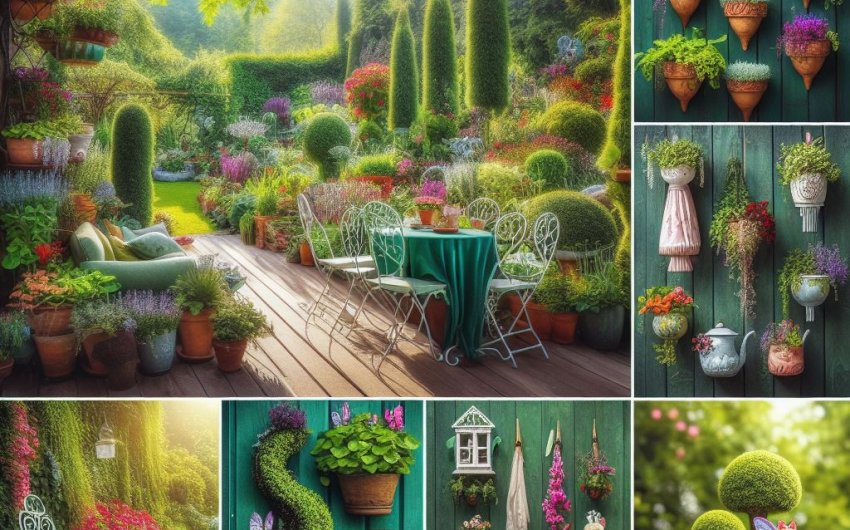
Why Dive into DIY Garden Projects?
Have you ever looked at your garden, patio, or even a small balcony and wished it felt more like you? More inviting, more functional, more beautiful? That's where DIY garden projects come in! DIY stands for "Do It Yourself," and it's all about making things with your own hands. Instead of buying everything, you create it. There are so many great reasons to roll up your sleeves and get crafty with your outdoor space. It's not just about saving money; it’s about making something truly special.
Boost Your Creativity
One of the biggest perks of DIY garden projects is how they spark your imagination. You get to think outside the box. How can you turn an old tire into a planter? Can a pallet become a vertical herb garden? When you DIY, you're not limited by what's available in stores. You can dream up unique solutions and bring them to life. This process of planning, designing, and building is incredibly rewarding. It’s a chance to truly express your personal style and create something no one else has. You’ll be amazed at what you can invent with a few simple tools and some clever ideas.
Save Money and Recycle Materials
Let's be honest, gardening can get expensive. Pots, decorations, raised beds – it all adds up fast. DIY garden projects are often much cheaper than buying ready-made items. You can use reclaimed materials, things you might already have lying around, or items that would otherwise be thrown away. This is not only budget-friendly but also great for the planet! Recycling materials like old tires, plastic bottles, or wooden pallets helps reduce waste. It turns trash into treasure, giving everyday items a new purpose and a fresh look in your garden. Imagine the satisfaction of knowing your beautiful planter came from something old and discarded.
Personalize Your Outdoor Space
Your home should reflect who you are, and that includes your outdoor areas. Store-bought items can feel generic. When you take on DIY garden projects, every piece you create tells a story. You can pick colors, textures, and designs that truly match your personality and the vibe you want for your garden. Do you love bright, whimsical colors? Or do you prefer a more natural, rustic feel? DIY lets you make those choices. Your garden becomes a unique extension of your home, a space that feels truly lived-in and loved. It's about crafting an environment that brings you joy every time you step outside.
Learn New Skills
Never used a drill before? Don't know how to mix concrete? DIY garden projects are a fantastic way to pick up new skills. You might learn basic carpentry, how to use power tools safely, painting techniques, or even simple plumbing for a water feature. There are tons of online tutorials and resources to guide you. Starting with simple projects and working your way up can build your confidence. And once you master one skill, it opens up a whole world of other possibilities. Learning new things is always exciting, and doing it in the context of creating something beautiful for your garden makes it even better.
Connect with Nature
Working on DIY garden projects often involves being outdoors, surrounded by plants and fresh air. This direct interaction with nature is incredibly grounding. You're thinking about plants, soil, water, and sunlight. This hands-on experience strengthens your connection to the natural world. It’s a chance to slow down, breathe deeply, and appreciate the simple beauty of growing things. It can be a very meditative experience, away from screens and everyday stresses. This closer connection to nature also helps you understand what your plants need to thrive, making you a better gardener.
Boost Your Well-being
There’s something incredibly satisfying about completing a project with your own hands. Seeing your ideas come to life and enjoying the finished product can give you a huge sense of accomplishment. This boost to your self-esteem is fantastic for your mental well-being. Plus, the physical activity involved in many DIY garden projects is a great way to get some exercise. It’s a rewarding hobby that combines creativity, practical skills, and a deeper connection to your environment. It can reduce stress, improve your mood, and give you a positive outlet for your energy.
What Easy Projects Can Beginners Tackle?
Starting your DIY garden journey doesn't mean you need to be an expert builder. There are tons of easy projects perfect for beginners. These don't require fancy tools or advanced skills, but they deliver a big impact. They're great for building confidence and getting your hands dirty without feeling overwhelmed.
Decorative Planters from Recycled Materials
This is one of the most popular and accessible DIY garden projects. Instead of buying new pots, look around for things you already have that can be repurposed.
- Old Tires: Clean them thoroughly. You can paint them vibrant colors with outdoor paint for a bold statement. Stack them for tiered planting, or cut out sections to create unique shapes (be careful with cutting!). Fill with soil and plant flowers, herbs, or even small vegetables.
- Plastic Bottles & Jugs: Cut larger plastic water jugs or milk cartons in half horizontally. Punch drainage holes in the bottom. You can decorate them with paint, fabric, or markers. Smaller soda bottles can be cut to make hanging planters for herbs or succulents.
- Tin Cans: Remove labels and clean well. Punch drainage holes in the bottom. Paint them or wrap them with twine or burlap for a rustic look. They’re perfect for small herbs or succulents on a windowsill. A set of metal hole punch pliers can make adding drainage holes easier.
- Wooden Pallets: Break down a pallet (carefully!) into individual boards. These can be nailed together to form simple square or rectangular planters. They give a great rustic vibe.
Simple Raised Garden Beds
Raised garden beds make gardening easier on your back and can improve soil quality. For beginners, choose a simple design.
- Wood Planks: The simplest way is to buy some untreated lumber (like cedar or pine) from a hardware store. Cut four pieces of equal length for the sides. Screw them together at the corners using long wood screws and a drill. That's it! Fill with good quality soil. Look for untreated cedar lumber for a natural, long-lasting option.
- Cinder Blocks: These are incredibly easy! Just arrange cinder blocks in a rectangle or square on the ground. The holes in the blocks can even be used as mini planting pockets themselves. No cutting or screwing needed! Just stack and fill.
- Corrugated Metal: You can buy corrugated metal sheets and form them into a circle or rectangle, securing the ends with bolts. This creates a modern, sleek raised bed. Just make sure the metal is safe for gardening (food-grade if growing edibles).
Creative Plant Markers
Don't use those flimsy plastic plant markers that break easily. Make your own! This is a super fun and quick DIY garden project.
- Painted Rocks: Collect smooth, flat rocks. Wash them thoroughly. Use outdoor acrylic paint or paint pens to write the plant names. You can also draw small pictures of the plants. Seal them with a clear outdoor sealer to protect the paint from weather. A pack of outdoor acrylic paint pens will make labeling a breeze.
- Wine Corks: Glue a wooden skewer or sturdy stick to the back of a wine cork. Write the plant name on the cork with a permanent marker.
- Broken Pottery Shards: If you have a broken terracotta pot, don't throw it away! Use a piece as a marker. Write on the unglazed side with a permanent marker.
- Wooden Spoons/Sticks: Old wooden spoons or popsicle sticks can be painted and labeled. Push them into the soil next to your plants.
Bird Feeders and Bird Baths
Attracting birds to your garden adds life, sound, and natural pest control.
- Bottle Bird Feeder: Clean a plastic soda bottle. Cut small holes near the bottom. Insert wooden dowels or pencils through the holes for perches. Fill with birdseed. Hang it from a branch using twine around the neck.
- Plate Bird Bath: Find an old, shallow plate or bowl. Place it on a stable tree stump, a stack of rocks, or a short pedestal. Fill with a few inches of fresh water. Make sure it's not too deep for small birds. You could even use a decorative ceramic plant saucer for a unique look.
- Pinecone Feeder: Spread peanut butter (xylitol-free for pets!) or suet on a large pinecone. Roll it in birdseed. Hang it from a tree branch with string.
Vertical Gardens for Small Spaces
If you're short on horizontal space, go vertical! These DIY garden projects are perfect for balconies or small patios.
- Pallet Garden: Stand a wooden pallet upright. Staple landscape fabric to the back and bottom of the "pockets" formed by the pallet slats to hold soil. Fill with soil and plant herbs, strawberries, or small flowers in each section. Ensure it's sturdy and doesn't tip over. You might need a heavy-duty staple gun for this project.
- Shoe Organizer Garden: Get an over-the-door fabric shoe organizer. Hang it on a sunny wall or fence. Fill each pocket with soil and plant small herbs, succulents, or leafy greens. Make sure it's a sturdy fabric that can handle moisture.
- Stacked Pots: Use varying sizes of pots. Stack them one on top of the other, often using a central rod for stability, to create a tiered planter that uses vertical space efficiently.
These beginner-friendly DIY garden projects are a great way to start transforming your outdoor space. They prove that you don't need a lot of money or experience to make a big difference and express your creativity.
How to Create Amazing Garden Decor?
Beyond just planting, DIY garden projects let you create unique decorations that add character and charm to your outdoor living area. These projects let your personality shine through and turn your garden into a truly magical place.
Whimsical Garden Art
Bring a playful touch to your garden with homemade art.
- Painted Stones & Pebbles: Collect smooth stones of various sizes. Clean them well. Use outdoor acrylic paints or paint pens to create ladybugs, bees, flowers, or even abstract designs. Once dry, seal them with a clear outdoor sealer to protect them from the elements. These can be placed along pathways, nestled in flowerbeds, or used to decorate planters.
- Bottle Trees: If you have access to old glass bottles (wine bottles, soda bottles), you can create a fascinating "bottle tree." Find a sturdy, dead tree branch or a metal pole with branches. Slide the bottles over the branches, with the open end facing out. The sun shining through the colored glass creates beautiful light effects.
- Recycled CD Spinners: Old CDs can be painted or have reflective tape added to them. Hang them from trees or pergolas using fishing line. They'll spin in the breeze, reflecting light and adding a shimmering effect.
- Melted Crayon Art Planters: Take a plain terracotta pot. Place crayons (different colors) on the rim of the upside-down pot. Use a hairdryer to gently melt the crayons, letting them drip down the sides for a colorful, marbled effect. Seal with a clear coat.
Creative Lighting Solutions
Lighting can transform your garden into an enchanting evening retreat. DIY garden lighting adds ambiance and helps extend your time outdoors.
- Jar Lanterns: Collect glass jars (mason jars, old food jars). You can decorate them with paint, glitter, or twine. Place a small LED tea light or string of fairy lights inside. Hang them from trees using wire or place them along pathways. A set of solar-powered fairy lights can make your jar lanterns glow without needing batteries.
- Tin Can Luminaries: Punch patterns of holes into clean tin cans using a hammer and nail. Be careful! You can draw a design first. Place a candle (LED or real) inside and arrange them along a path or on steps. The light will shine through the holes, creating pretty patterns.
- Recycled Bottle Torches: For outdoor use, you can turn glass bottles into oil torches. You'll need specific wicks and lamp oil. This requires careful handling and fire safety precautions. Make sure you use a proper fiberglass oil lamp wick designed for outdoor use.
- Upcycled Chandelier: Take an old chandelier frame (thrift store find!) and remove the electric parts. Attach solar-powered lights or hang small battery-operated lanterns from it. Hang it under a patio cover for a charming, rustic lighting fixture.
Unique Water Features
The sound of trickling water is incredibly soothing. Creating your own DIY water feature can be a surprisingly straightforward project.
- Container Fountain: Find a large, watertight pot or barrel. You'll need a small submersible pump, some tubing, and a decorative spout or stack of stones. Place the pump in the bottom, run the tubing up through the spout/stones, and fill with water. Plug in the pump. This creates a simple, recirculating fountain. A small submersible pump kit will have everything you need.
- Pebble Fountain: Similar to a container fountain, but you can hide the pump and reservoir under a layer of pebbles or gravel, with the water bubbling up through the stones. This gives a very natural look.
- Watering Can Dripper: Hang an old metal watering can from a hook or shepherd's hook. Drill a small hole in the spout. Place a bucket or large basin underneath. The water will slowly drip into the basin, creating a gentle sound. You can also run a hidden tube to a small pump to make it recirculate.
Garden Benches and Seating
Comfortable seating invites you to spend more time in your garden.
- Cinder Block Bench: A super easy option! Stack cinder blocks in two parallel rows to form the legs. Place long, sturdy wooden beams (like 4x4s) across the top to form the seat. No tools required! Just arrange and sit.
- Log Slice Stools: If you have access to tree stumps or large log slices, they make natural and rustic stools or side tables. Just ensure they are level and stable. You might want to sand and seal them for durability.
- Pallet Sofa/Bench: Use multiple wooden pallets. Stack two pallets for the base and one for the backrest. Secure them with screws. Add outdoor cushions for comfort. This creates a surprisingly sturdy and stylish outdoor sofa. You might want a powerful cordless drill for this.
These DIY garden projects for decor allow you to infuse your outdoor space with personality, comfort, and unique charm. They prove that with a little imagination and effort, you can turn ordinary items into extraordinary garden features.
Practical DIY Projects for Garden Functionality
Beyond looking pretty, your garden can also be highly functional. DIY garden projects can help you organize tools, manage water, and create spaces that truly work for you. These practical additions make gardening easier and more enjoyable.
Composting Bins: Reduce Waste, Enrich Soil
Composting is an amazing way to turn kitchen scraps and yard waste into rich, nutrient-filled soil for your plants. A DIY compost bin is a straightforward project.
- Pallet Compost Bin: This is one of the easiest and most common. Stand three or four wooden pallets upright to form three or four sides of a square or rectangle. Secure them together using zip ties, bolts, or sturdy wire. Leave one side open for easy access to turn the compost. You can also create two or three connected bins for different stages of compost.
- Wire Mesh Bin: Get a roll of strong, galvanized wire mesh (like hardware cloth). Form it into a cylinder and secure the ends with wire. This creates a simple, breathable compost bin. It's easy to move and allows for good airflow, which is important for composting. A pair of heavy-duty wire cutters will be useful.
- Plastic Storage Bin Compost: Take a large, sturdy plastic storage bin with a lid. Drill plenty of holes all around the sides and bottom for air circulation and drainage. Fill with compostable materials and keep the lid on to maintain moisture and heat. You'll need to turn the contents every few days.
Rain Barrels: Conserve Water
Collecting rainwater is an eco-friendly way to water your plants and reduce your water bill. A DIY rain barrel is a smart addition to any garden.
- Repurposed Barrel: Find a large, food-grade plastic barrel (often available from food manufacturers or farms for free or cheap). Make sure it was used for safe materials.
- Installation: Cut a hole in the top for water to flow in from a downspout. Install a spigot near the bottom for easy access to the water. You might also want an overflow spout near the top to direct excess water away from your house foundation. Place the barrel on a sturdy, level base to support its weight when full. A rain barrel connector kit will often include the necessary spigot and overflow fittings.
- Screening: Place a screen or mesh over the top opening to prevent mosquitoes from breeding and to filter out leaves and debris.
Tool Storage Solutions: Keep it Tidy
No one likes searching for misplaced gardening tools. DIY tool storage keeps everything organized and within reach.
- Pallet Tool Rack: Stand a wooden pallet upright against a shed wall or fence. The spaces between the slats are perfect for holding long-handled tools like shovels, rakes, and hoes. You can add hooks for smaller tools.
- PVC Pipe Organizers: Cut lengths of large-diameter PVC pipe (about 4-6 inches in diameter). Screw or nail them to a piece of plywood or directly to a wall, angled slightly. Insert tools into the pipes for neat storage.
- Recycled Container Organizer: Use old plastic buckets, large tin cans, or even sturdy cardboard boxes (if indoors or protected from rain). Decorate them and label them for different tool types (e.g., "Hand Tools," "Pruners").
- Magnetic Strip for Small Tools: Attach a strong magnetic strip (like those used for kitchen knives) to a wall in your shed or garage. Perfect for holding small metal hand tools, pruners, or scissors. A heavy-duty magnetic tool bar can hold multiple items.
Potting Bench or Workstation: Your Gardening Hub
A dedicated space for potting plants, mixing soil, and organizing supplies makes gardening much more enjoyable.
- Repurposed Dresser/Cabinet: Find an old dresser or cabinet at a thrift store or salvage yard. Remove drawers from the top section to create an open workspace. The remaining drawers can store supplies. You can add a sturdy top (like plywood) if needed. Paint it with outdoor paint for durability.
- Pallet Potting Bench: Similar to the pallet sofa, you can use multiple pallets to create a simple potting bench. One pallet can be the tabletop, supported by others as legs. Add shelves or hooks for storage.
- Simple Wooden Bench: Build a straightforward workbench using planks of wood. It doesn't need to be fancy, just sturdy and at a comfortable working height. Add a shelf underneath for extra storage. Consider using plans for a basic wooden workbench if you're comfortable with more involved carpentry.
These practical DIY garden projects not only enhance the beauty of your garden but also make it more efficient and sustainable. They prove that creativity can solve everyday challenges and help you enjoy your outdoor space even more.
Advanced DIY Garden Projects for the Ambitious Gardener
Feeling more confident after tackling some easy projects? Ready to take your DIY garden skills to the next level? These advanced projects require a bit more planning, tools, and effort, but the results are incredibly rewarding and can truly transform your outdoor space into a showstopper.
Building a Greenhouse or Cold Frame
Extend your growing season and protect delicate plants with a homemade greenhouse or cold frame.
- PVC Pipe Greenhouse: A relatively simple and cost-effective option for a small greenhouse. Use PVC pipes for the frame, bent into arches. Cover with greenhouse plastic sheeting or thick clear polyethylene film. Secure the plastic with clamps or tape. This provides a warm, humid environment for starting seeds early or overwintering plants. You'll want sturdy UV-resistant greenhouse film for durability.
- Old Window Cold Frame: Repurpose old windows (check for lead paint first!). Build a wooden frame the size of your window. Hinge the window to the top of the frame to act as a lid. Place it over a garden bed to protect plants from cold snaps or to extend the growing season.
- Pallet Greenhouse: With more pallets, you can construct a sturdy frame and cover it with clear panels or plastic sheeting. This is a more substantial structure.
- Planning is Key: For any greenhouse project, consider ventilation (vents or roll-up sides), sunlight exposure, and a solid foundation.
Constructing a Pergola or Arbour
A pergola or arbour adds architectural interest, provides shade, and offers a beautiful support structure for climbing plants.
- Wooden Pergola: This requires basic carpentry skills and accurate measurements. Use sturdy lumber (like treated pine or cedar) for posts and crossbeams. Dig post holes, set posts in concrete, and then attach the top beams. It’s a multi-person job for safety. You might need a post hole digger and a level.
- Simple Arbour: For a smaller, simpler structure, two arched pieces of wood or metal joined at the top, with latticework on the sides, can create a charming entryway to a garden path. This is great for climbing roses or clematis.
- Considerations: Choose wood suitable for outdoor use, ensure all connections are strong, and consider how climbing plants will attach.
Building a Deck or Patio Section
Expanding your outdoor living space with a DIY deck or patio can significantly enhance your home's value and enjoyment.
- Simple Ground-Level Deck: For a beginner-friendly deck, build a simple rectangular frame on the ground, supported by concrete blocks or adjustable deck supports. Lay deck boards over the frame. This avoids complex ledger boards and railings.
- Paver Patio: This is more labor-intensive but doesn't require carpentry. Prepare the ground by leveling it, laying down a weed barrier, and then a base of gravel and sand. Carefully lay pavers in your desired pattern, tapping them level. Sweep sand into the joints to lock them in place. A large spirit level will be essential for ensuring an even surface.
- Important: Proper site preparation, drainage, and level surfaces are crucial for longevity and safety. Research local building codes if you're building a more substantial structure.
Creating a Pond or Water Garden
A pond adds a serene and lively element to your garden, attracting wildlife and offering a tranquil focal point.
- Pre-Formed Pond Liner: The easiest way to start. Dig a hole shaped to fit the pre-formed liner. Level the hole, place the liner, and then backfill around it. Install a small pump and filter system. Add aquatic plants and fish (if desired).
- Flexible Pond Liner: For custom shapes, use a flexible pond liner. Dig your desired shape, lay down an underlayment (like old carpet or sand) to protect the liner, then drape the liner into the hole. Anchor the edges with rocks or paving stones. Install pump and filter. You'll need a durable EPDM pond liner for a long-lasting pond.
- Key Considerations: Proper filtration is essential for clear water. Consider location (sunlight vs. shade), electricity for pumps, and safety for children or pets.
Outdoor Kitchen or Bar Station
For the ultimate entertainer, a DIY outdoor kitchen can be a game-changer.
- Simple Grill Surround: Build a sturdy frame from cinder blocks or treated lumber to house your existing grill, providing counter space on either side. You can top it with concrete slabs or outdoor tiles.
- Outdoor Bar Cart/Station: Use reclaimed wood, pallets, or even an old dresser base to build a simple outdoor bar. Add a waterproof top, shelves for drinks and glasses, and maybe a small sink (if you want plumbing).
- Full Outdoor Kitchen (Advanced): This is a serious undertaking involving masonry, plumbing, and potentially electrical work. This might be a long-term project to plan for or one where you call in professionals for certain parts.
- Safety: Always prioritize fire safety around grills and gas lines. Use materials suitable for outdoor weather.
These advanced DIY garden projects are not for the faint of heart, but they offer immense satisfaction and can truly elevate your outdoor living experience. They demonstrate the incredible power of your own two hands to transform your space into something truly spectacular.
Essential Tools and Safety Tips for DIY Gardeners
Before you dive into your DIY garden projects, it’s smart to have the right tools and to know how to use them safely. Having the right equipment makes projects easier and more enjoyable. Safety should always be your number one priority!
Must-Have Tools for DIY Garden Projects
You don't need a huge workshop, but a basic set of tools will go a long way.
- Measuring Tape: Essential for accurate cuts and layouts. Look for a steel measuring tape that's at least 25 feet long.
- Pencils/Markers: For marking cuts and drilling spots.
- Utility Knife: Great for cutting cardboard, plastic, and general-purpose tasks. A retractable utility knife with spare blades is very useful.
- Hammer: For nailing and tapping. A claw hammer is versatile.
- Screwdriver Set (or Multi-bit Driver): For various screws.
- Cordless Drill/Driver: A game-changer! Makes driving screws and drilling holes much faster and easier. Invest in a good quality one with a spare battery. Look for a 18V cordless drill driver for ample power.
- Saw:
- Hand Saw: For basic wood cuts.
- Jigsaw: Great for cutting curves and smaller pieces of wood.
- Circular Saw: For faster, straighter cuts on larger pieces of wood (use with caution and proper safety!).
- Spirit Level: To ensure things are straight and level. A small torpedo level is good for smaller projects.
- Clamps: To hold pieces of wood or other materials together while you work. Makes projects much safer and easier.
- Shovel and Trowel: For digging and moving soil.
- Work Gloves: Protect your hands from splinters, dirt, and chemicals.
- Safety Glasses: ALWAYS protect your eyes when cutting, drilling, or hammering.
- Ear Protection: For noisy tools like circular saws or drills, protect your hearing.
- Dust Mask: If working with sawdust or other airborne particles.
Smart Tool Care: Make Them Last
Proper tool care not only makes your tools last longer but also keeps them safe to use.
- Clean After Use: Wipe down tools after each use to remove dirt, sawdust, and grime.
- Store Properly: Store tools in a dry place to prevent rust. Hang them up or keep them in a toolbox.
- Sharpen Blades: Keep saw blades, utility knives, and other cutting tools sharp. A sharp tool is safer than a dull one, as it requires less force and is less likely to slip.
- Check Cords/Batteries: Inspect electrical cords for damage before use. Keep batteries charged and store them in a cool, dry place.
Top Safety Tips for DIY Garden Projects
Safety first, always! A few simple rules can prevent accidents.
- Read Instructions: Always read the instruction manual for any new tool before using it.
- Wear Protective Gear: Always wear safety glasses when operating power tools, hammering, or anything that could produce flying debris. Wear gloves to protect your hands from splinters, thorns, and rough materials. Consider a dust mask when creating sawdust.
- Clear Your Workspace: Make sure your work area is clear of clutter, tripping hazards, and anything that could interfere with your tools.
- Secure Your Materials: Use clamps to hold wood or other materials steady when cutting, drilling, or gluing. This prevents movement and reduces the risk of injury.
- Use the Right Tool for the Job: Don't force a tool to do something it wasn't designed for. Using the correct tool makes the job easier and safer.
- Unplug Before Adjusting: Always unplug power tools before changing blades, bits, or making any adjustments.
- Be Aware of Your Surroundings: Know where your hands are, where the blade is going, and where anyone else in the vicinity is. Keep children and pets away from your work area.
- Lift Safely: If lifting heavy objects (like bags of soil, pavers, or lumber), bend with your knees, not your back. Get help if something is too heavy.
- Stay Sober: Never operate tools, especially power tools, under the influence of alcohol or drugs.
- Take Breaks: Don't overdo it. Take regular breaks to avoid fatigue, which can lead to mistakes.
- First Aid Ready: Have a basic first aid kit nearby, just in case of minor cuts or scrapes.
By equipping yourself with the right tools and always prioritizing safety, you'll be well on your way to successfully completing many rewarding DIY garden projects and transforming your outdoor space with confidence and creativity.
Upcycling & Repurposing: Turning Trash into Garden Treasures
One of the most exciting aspects of DIY garden projects is the art of upcycling and repurposing. This means taking old items, things that might otherwise end up in the landfill, and giving them a new life and a new purpose in your garden. It’s a win-win: you save money, reduce waste, and create truly unique and charming garden features. This is where your creativity can really shine!
Why Upcycle for Your Garden?
- Eco-Friendly: Reduces landfill waste and conserves resources.
- Cost-Effective: Often free or very cheap materials.
- Unique Aesthetic: Creates a one-of-a-kind look that store-bought items can't match.
- Character and Story: Each upcycled item brings its own history and charm to your garden.
Common Items to Upcycle for Your Garden
Keep an eye out for these treasures at thrift stores, yard sales, or even in your own garage!
- Old Furniture:
- Dressers: Remove drawers from the top to create a potting bench. The remaining drawers can be used for storage, or you can stack them and plant in them for a tiered planter. Paint with outdoor paint.
- Chairs: Remove the seat of an old chair and replace it with a pot or planter. Paint the chair a bright color for a whimsical touch.
- Bed Frames: Metal bed frames can be used as trellises for climbing plants. Wooden headboards can be turned into decorative garden backdrops.
- Tables: Old tables can become outdoor serving stations or potting tables. Cut them down to size if needed.
- Kitchenware & Utensils:
- Colanders: Perfect hanging planters! The holes provide natural drainage. Line with coffee filters or landscape fabric to keep soil in.
- Teapots & Kettles: Charming individual planters for succulents or small flowers.
- Silverware: Bend old forks and spoons into decorative plant markers or wind chimes. A set of metal stamping tools could personalize them with plant names.
- Bundt Pans/Muffin Tins: Can be used as molds for stepping stones or mini-planters.
- Old Tires:
- Planters: Paint them, stack them, or cut them (carefully!) into different shapes. The rubber is very durable.
- Tiered Garden: Stack tires of different sizes to create a multi-level planter.
- Compost Bins: Stack a few tires on top of each other to create a contained area for composting.
- Wooden Pallets:
- Vertical Gardens: As mentioned, stand them up, add landscape fabric, and plant in the slats.
- Compost Bins: Easily assembled into sturdy compost bins.
- Benches/Sofas: Stacked and screwed together, they make rustic outdoor seating.
- Potting Benches: A simple tabletop and legs can be fashioned from pallet wood.
- Fencing/Dividers: Disassembled pallets provide planks for simple fences or garden dividers.
- Plastic Bottles & Containers:
- Self-Watering Planters: Cut a large plastic bottle in half. Invert the top half into the bottom half, with a wick from the plant extending into water in the bottom reservoir.
- Mini Greenhouses: Cut the bottom off clear plastic bottles and place them over seedlings to protect them.
- Edging: Larger plastic containers can be cut and used as flexible garden edging.
- Glass Jars & Bottles:
- Lanterns/Luminaries: Place LED lights or candles inside for ambiance.
- Bird Feeders: With a few modifications, they can become seed dispensers.
- Mini Vases: For cut flowers from your garden.
- Edging/Borders: Bury them upside down along a path for a decorative border.
- Clothing & Textiles:
- Old Jeans: Cut off the legs of old jeans, sew the bottom, and fill with soil for whimsical planters.
- T-Shirt Yarn: Cut old t-shirts into strips to make "yarn" for tying plants or creating macrame hangers.
- Burlap Sacks: Use old coffee bean sacks as rustic planters or decorative covers for pots. A roll of natural burlap fabric can also be used.
- Hardware & Metal Scraps:
- Old Tools: Hang old shovels or rakes as decorative wall art.
- Metal Grates: Can be used as trellises or supports for climbing plants.
- Car Parts: (With caution) Old hubcaps can become unique wall decor.
Tips for Successful Upcycling
- Cleanliness: Always clean items thoroughly before using them in your garden, especially if they came from unknown sources or held chemicals.
- Drainage: If using as planters, ensure adequate drainage holes are added.
- Safety First: Be mindful of sharp edges, splinters, or rust. Wear appropriate safety gear.
- Weather Protection: If your upcycled item is made of wood or metal, consider painting it with outdoor-grade paint or sealing it to protect it from the elements.
- Functionality: Always think about how the item will function in your garden. Will it hold up to water? Is it stable?
- Be Creative: Don't limit yourself to obvious uses. Think about shapes, textures, and colors, and how they can be combined in unexpected ways.
Upcycling and repurposing are at the heart of many of the most charming and unique DIY garden projects. It’s about seeing potential where others see trash, and transforming it into something beautiful and meaningful for your outdoor space. It truly lets you unleash your creativity!
The Benefits of DIY Garden Projects for Well-being
Beyond the beauty and functionality they bring to your outdoor space, engaging in DIY garden projects offers significant benefits for your overall well-being. It's not just about what you make, but how the process of making impacts you. From reducing stress to boosting your mood, these hands-on activities are a wonderful way to nourish your mind and body.
Stress Reduction and Mindfulness
In our fast-paced world, finding moments of calm is crucial. DIY garden projects offer a perfect escape.
- Focused Activity: When you're absorbed in a project – measuring wood, painting a pot, or arranging plants – your mind becomes focused on the task at hand. This acts as a powerful distraction from daily worries and anxieties. It's a form of mindfulness, where you are fully present in the moment.
- Repetitive Motion: Simple, repetitive actions like sanding, painting strokes, or digging can be incredibly calming and meditative, helping to quiet a busy mind.
- Nature Connection: Being outdoors and working with natural elements like soil, wood, and plants has a proven calming effect. The fresh air, the sounds of nature, and the sight of growing things all contribute to a sense of peace. Studies even show that beneficial microbes in soil can act as natural antidepressants.
- Achieving Flow State: Often, when engaged in creative projects, people enter a "flow state" – a deep, joyful immersion in an activity. Time seems to disappear, and you feel a sense of effortless focus and enjoyment. This is highly beneficial for mental health.
Boosted Mood and Self-Esteem
There's a unique satisfaction that comes from creating something tangible with your own hands.
- Sense of Accomplishment: Seeing a project from start to finish, from a raw idea to a beautiful finished product, provides an immense sense of accomplishment. This boosts your self-esteem and confidence. You know you're capable of more than you thought.
- Creative Expression: Having an outlet for your creativity is vital for emotional well-being. DIY garden projects allow you to express your personal style and bring your unique vision to life, which can be incredibly liberating and empowering.
- Positive Distraction: When you're feeling down or stressed, channeling your energy into a creative project can act as a healthy distraction, shifting your focus from negative thoughts to something constructive and positive.
- Joy of Transformation: Witnessing the transformation of discarded items into beautiful garden features, or a bland space into a vibrant oasis, brings a genuine sense of joy and wonder.
Physical Activity and Outdoor Time
Many DIY garden projects involve physical movement, offering a gentle form of exercise.
- Light Exercise: Digging, lifting, carrying, bending, and reaching all contribute to physical activity. It's often more engaging and less daunting than a formal workout.
- Vitamin D Boost: Spending time outdoors exposes you to sunlight, which helps your body produce Vitamin D. This is essential for bone health, immune function, and mood regulation.
- Fresh Air: Simply being in the fresh air, away from indoor pollutants, is beneficial for your respiratory system and overall vitality.
- Improved Sleep: Regular physical activity and exposure to natural light during the day can contribute to better sleep patterns at night.
Problem-Solving and Skill Development
Every DIY garden project presents small challenges that require you to think critically and adapt.
- Practical Skills: You learn practical skills like measuring, cutting, joining, and problem-solving. These skills are transferable to many other areas of life.
- Patience and Persistence: Projects often take time and sometimes involve setbacks. Learning to be patient, persistent, and to work through challenges builds resilience.
- Adaptability: Sometimes, your initial plan won't work perfectly. DIY garden projects teach you to adapt, find alternative solutions, and not be afraid to try again. This flexibility is a valuable life skill.
By embracing DIY garden projects, you're not just improving your outdoor space; you're investing in your own well-being. It's a holistic hobby that nurtures creativity, reduces stress, boosts confidence, and connects you more deeply with nature. So, go ahead, get started on your next project – your mind and body will thank you!