
Innovative Garden Ideas to Transform Your Outdoor Oasis into a Sanctuary
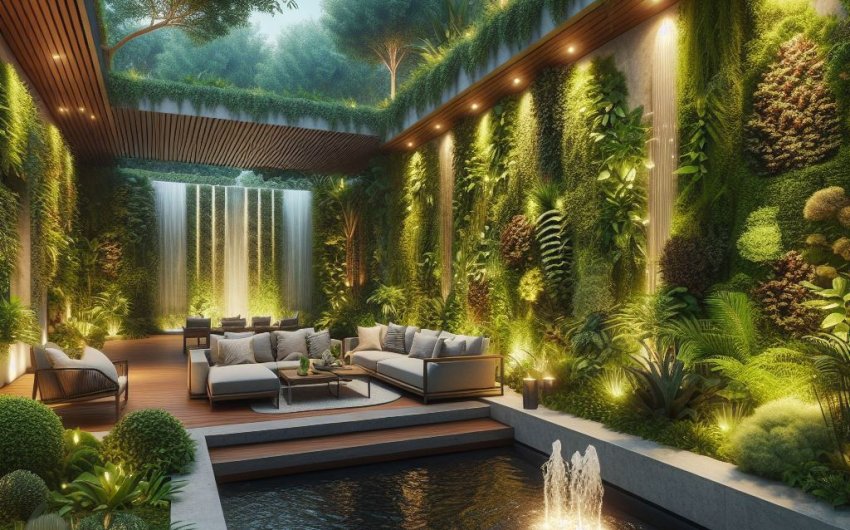
Your garden can be more than just a place to grow plants. It can be a peaceful escape, a personal sanctuary where you relax, recharge, and connect with nature. With some innovative garden ideas, you can transform any outdoor space, big or small, into your very own oasis. Let's explore how to make your garden a truly special place.
How Can You Design Your Garden for Peace and Relaxation?
Creating a sanctuary starts with good design. It's about thinking about how you want to feel in your garden and arranging elements to encourage that feeling.
What is Zen Garden Design and How Can You Achieve It?
Zen gardens, also known as Japanese rock gardens or karesansui, are designed for meditation and reflection. They usually feature carefully arranged rocks, gravel or sand raked into patterns, and sometimes a few plants. The goal is to create a sense of peace, simplicity, and natural beauty.
To bring Zen garden design into your space:
- Choose a Quiet Spot: Find an area in your garden that is naturally calm and away from noisy distractions.
- Define Your Space: Use borders like low walls, bamboo fencing, or neatly trimmed hedges to create a clear boundary for your Zen garden.
- Use Rocks: Rocks are the "mountains" and "islands" in a Zen garden. Choose rocks of different sizes and shapes. Arrange them in odd numbers (usually three) to create balance and a sense of movement. Bury them slightly to make them look naturally placed. You can find beautiful garden accent rocks in various sizes.
- Gravel or Sand: This represents water. Spread a layer of fine gravel or sand evenly.
- Rake Patterns: Use a Zen garden rake to create flowing, wave-like patterns in the gravel. These patterns symbolize water currents and are part of the meditative practice. A quality Zen garden rake is essential for this.
- Minimal Plants: If you add plants, keep them few and simple. Moss, small evergreen shrubs, or a dwarf conifer can add subtle greenery without distracting from the main elements.
- Add a Bench: A simple wooden bench or cushion can provide a place to sit and meditate.
The beauty of a Zen garden is in its simplicity and the quiet invitation it offers for contemplation.
How Do You Create a Secret Garden Nook?
Everyone loves a little mystery, and a secret garden nook offers just that. It’s a hidden gem in your outdoor oasis, a private spot where you can escape.
To design your secret garden nook:
- Find a Hidden Corner: Look for an existing corner in your yard, or create one with tall plants, trellises, or garden screens.
- Use Vertical Elements: Tall shrubs like lilacs or hydrangeas, climbing vines on a garden trellis, or a living wall can create a sense of enclosure.
- Pathways: Guide visitors to the nook with a winding path made of stepping stones, gravel, or wood chips. Make it slightly indirect to build anticipation.
- Comfortable Seating: A cozy bench with cushions, a comfortable armchair, or even a swinging egg chair can make the space inviting. Consider a weather-resistant outdoor cushion for added comfort.
- Sensory Plants: Choose plants with fragrant flowers (jasmine, gardenia, roses), soft textures (lamb's ear), or interesting sounds (bamboo rustling in the wind).
- Subtle Lighting: Add a few solar-powered lanterns or string lights for a magical glow in the evening.
- Small Water Feature: A tiny bubbling fountain or a bird bath can add soothing sounds.
A secret garden nook becomes your private escape, a place to read, sip tea, or simply enjoy the quiet.
What are Sensory Gardens and How Can They Enhance Your Experience?
A sensory garden is designed to engage all five of your senses: sight, sound, touch, smell, and taste. It's about creating a rich, immersive experience that helps you feel more connected to nature.
To build a sensory garden:
- Sight:
- Color: Use a variety of flower colors, but also consider foliage colors (red maples, purple heuchera, variegated hostas).
- Texture: Mix plants with different leaf shapes and textures (spiky, feathery, broad, delicate).
- Movement: Plants that sway in the breeze (ornamental grasses, tall perennials) add visual interest.
- Lighting: Incorporate outdoor lighting to highlight features at night. A set of solar garden lights can add a magical touch.
- Sound:
- Water features: A bubbling fountain, a small waterfall, or a pond creates soothing sounds.
- Wind chimes: Choose chimes with a pleasant, calming tone.
- Plants that rustle: Bamboo or ornamental grasses.
- Attract wildlife: Bird feeders and bird baths will bring birdsong.
- Touch:
- Soft plants: Lamb's ear (Stachys byzantina), fuzzy succulents, soft ornamental grasses.
- Rough textures: Tree bark, rough stones, brick pathways.
- Cool surfaces: Smooth river rocks, a stone bench.
- Smell:
- Fragrant flowers: Roses, jasmine, lavender, sweet alyssum, honeysuckle.
- Aromatic herbs: Rosemary, thyme, mint, basil. Plant them where you can brush against them.
- Scented foliage: Geraniums with scented leaves.
- Taste:
- Edible plants: Herbs, fruits (berries, dwarf fruit trees), vegetables. Choose plants that are easy to snack on while walking through the garden. A selection of edible garden seeds can get you started.
A sensory garden is a living masterpiece that continuously delights and calms.
How Can You Incorporate Water Features and Sound?
Water is a powerful element in any sanctuary. Its sight and sound bring a sense of peace and tranquility, masking unwanted noises and inviting wildlife.
What are the Benefits of Adding a Pond or Water Garden?
A pond or water garden is more than just a decorative element; it's a miniature ecosystem that adds life and serenity to your outdoor oasis.
- Soothing Sounds: The gentle bubbling of a fountain or the soft splash of a waterfall creates a natural white noise that masks urban sounds and promotes relaxation.
- Visual Beauty: The shimmering surface of the water, reflections of the sky, and the movement of aquatic plants and fish are visually calming.
- Attracts Wildlife: A pond becomes a magnet for birds, dragonflies, frogs, and other beneficial insects. This adds to the natural feel of your sanctuary.
- Microclimate: A pond can help cool the air around it, making your garden more comfortable on hot days.
When planning a pond:
- Size and Location: Consider the size of your garden and the amount of sun. Most pond plants and fish need some sunlight.
- Liner: A pond liner is essential to hold the water.
- Filtration System: A pond filter helps keep the water clean and healthy for plants and fish.
- Water Plants: Choose a variety of aquatic plants, like water lilies, lotus, cattails, and submerged oxygenating plants.
- Fish (Optional): Koi or goldfish can add a dynamic element, but require proper care and filtration.
Even a small container water garden with a few floating plants and a tiny bubbler can bring these benefits to a patio or balcony.
How Can Fountains and Water Features Enhance Ambiance?
If a full pond feels too big a project, a smaller fountain or water feature can still provide significant tranquility.
- Soothing Sounds: The sound of flowing or bubbling water is instantly calming and helps block out noise from traffic or neighbors.
- Visual Appeal: Fountains come in countless styles, from classical tiered designs to modern, sculptural pieces, adding a focal point to your garden.
- Versatility: Fountains can be placed anywhere, on a patio, tucked into a garden bed, or even as a centerpiece in a small courtyard. Many are self-contained and recirculate water.
- Bird Attraction: Birds love to drink and bathe in moving water, adding more life and natural sounds to your sanctuary.
Consider these types:
- Tiered Fountains: Water cascades from one level to the next.
- Bubbling Rocks/Urns: Water bubbles up from a hidden reservoir, often through a natural stone or decorative urn.
- Wall Fountains: Mounted on a wall, water flows into a basin below.
- Self-Contained Fountains: Easy to set up, these include their own pump and reservoir. A beautiful outdoor garden fountain can instantly elevate your space.
Choose a fountain that fits the scale and style of your garden. Make sure to keep it filled with water, especially in hot weather.
What Role Do Wind Chimes and Natural Sounds Play?
Sound is a powerful but often overlooked element in garden design. Beyond water features, natural sounds and the subtle chime of wind chimes can greatly enhance the peacefulness of your sanctuary.
- Wind Chimes: Choose wind chimes with a gentle, harmonious tone. Avoid overly loud or clanky ones. Metal chimes can have bright, clear sounds, while bamboo chimes create a softer, woody clatter. Place them where they will catch the breeze but won't be overly exposed to strong winds. A soothing bamboo wind chime can add a meditative quality.
- Rustling Plants: Plant trees or large grasses whose leaves or stalks create gentle sounds in the wind. Bamboo, aspens, or certain ornamental grasses like Miscanthus or Calamagrostis can provide this natural rustle.
- Bird Feeders and Baths: Encourage birds to visit your garden. Their songs and chirps are among the most delightful natural sounds. Provide fresh water in a bird bath and appropriate food in a feeder.
- Bells: Small, subtle bells or prayer bells can be placed in hidden spots to create a soft, occasional tinkling sound.
By consciously incorporating these sound elements, you create a dynamic auditory landscape that calms the mind and connects you more deeply with your outdoor oasis.
How Can You Create Cozy Seating and Relaxation Zones?
A sanctuary needs comfortable spots where you can actually sit, unwind, and enjoy your garden. Think of these as dedicated zones for pure relaxation.
What are Outdoor Living Rooms and How Do You Set Them Up?
An outdoor living room extends your indoor comfort into your garden. It’s designed for lounging, entertaining, and simply enjoying the fresh air in style.
To set up your outdoor living room:
- Define the Space: Use an outdoor rug, a pergola, or even a large umbrella to define the area. This helps it feel like a distinct "room."
- Comfortable Seating: Invest in comfortable outdoor furniture. A deep-seated sofa, cushioned armchairs, or even a sectional can create a cozy gathering spot. Look for weather-resistant outdoor sofa sets.
- Coffee Table: A low table provides a place for drinks, books, or decorative items.
- Lighting: String lights, outdoor lanterns, or solar path lights create a warm, inviting glow in the evening.
- Accessories: Add outdoor pillows and throws for extra comfort and color. Consider an outdoor throw blanket for cooler evenings.
- Privacy: Use tall potted plants, bamboo screens, or curtains on a pergola to create a sense of seclusion.
- Heating (Optional): A fire pit or outdoor heater can extend the usability of your outdoor living room into cooler seasons.
This space becomes the heart of your outdoor oasis, perfect for lazy afternoons or evening gatherings.
Why is a Hammock or Swing a Must-Have?
For ultimate relaxation, a hammock or a garden swing is hard to beat. These pieces invite you to slow down, sway gently, and let your worries drift away.
- Hammock: A classic symbol of relaxation. You can hang a hammock between two sturdy trees, on a dedicated hammock stand, or even indoors. Choose a comfortable material like cotton or quick-drying synthetic fabric. A durable outdoor hammock with stand offers flexibility.
- Garden Swing/Bench Swing: These can be freestanding or hung from a pergola or sturdy porch. They offer a comfortable seat for one or more people to gently sway.
- Egg Chair: A popular modern choice, these usually hang from a stand and offer a cozy, enclosed "cocoon" for singular relaxation.
Position your hammock or swing in a peaceful part of the garden, perhaps under the shade of a tree, where you can enjoy the sounds of nature.
How Can Fire Pits Create a Warm Ambiance?
A fire pit instantly creates a focal point and a cozy gathering spot, perfect for evening relaxation and connecting with loved ones. The flickering flames and warmth add a primal comfort to your sanctuary.
- Warmth: Extends the time you can spend outdoors into cooler evenings.
- Ambiance: The dancing flames are mesmerizing and create a magical, inviting atmosphere.
- Gathering Spot: Naturally draws people together for conversation, storytelling, or roasting marshmallows.
- Variety of Types:
- Wood-burning fire pits: Offer the classic crackle and smell of a real fire. They can be portable or built-in. Consider a sturdy wood burning fire pit.
- Propane/Natural Gas fire pits: Offer instant flames with no smoke or ash, very convenient for quick use.
- Tabletop fire pits: Smaller versions for patios or outdoor tables.
- Safety: Always place a fire pit on a non-combustible surface (like stone or concrete) away from structures, overhanging branches, and flammable materials. Have a water source or extinguisher nearby.
A fire pit transforms your garden evenings into memorable experiences, making your outdoor oasis usable and inviting even after the sun sets.
What Are Innovative Planting Techniques for Unique Gardens?
Beyond traditional rows and beds, creative planting can make your garden stand out and add layers of interest to your sanctuary.
How Do Living Walls and Vertical Gardens Maximize Space?
Living walls and vertical gardens are fantastic ways to add greenery and beauty, especially when space is limited. They turn unused vertical surfaces into lush plant displays.
- Space Saving: Perfect for small patios, balconies, or narrow urban gardens where horizontal space is at a premium.
- Visual Impact: Create stunning green backdrops, privacy screens, or artistic displays.
- Air Quality: Plants improve air quality and can help cool surrounding areas.
- Types:
- Pocket Planters: Fabric or plastic pockets that hang on a wall, holding individual plants.
- Modular Systems: Interlocking panels or trays that attach to a frame.
- Pallet Gardens: Upcycled wooden pallets turned on their side with plants inserted into the slats.
- Hydroponic Systems: More advanced setups where plants grow in water with nutrients, often indoors or in controlled outdoor environments.
You can grow herbs, succulents, flowers, or even small vegetables in a vertical garden. A good vertical garden planter can get you started. Remember to consider watering, as vertical gardens can dry out faster.
What Are Rain Gardens and How Do They Help the Environment?
A rain garden is a shallow depression designed to capture and absorb rainwater runoff from hard surfaces like roofs, driveways, or sidewalks. Instead of water rushing away and causing erosion or pollution, it soaks into the ground, filtering pollutants and recharging groundwater.
- Eco-Friendly: Reduces stormwater runoff, which helps prevent pollution in local waterways. It also helps conserve water.
- Attracts Wildlife: Planted with native plants that tolerate both wet and dry conditions, rain gardens attract pollinators, birds, and other beneficial wildlife.
- Low Maintenance: Once established, rain gardens require little upkeep.
- Aesthetic Appeal: Can be designed to be beautiful landscape features.
To create a rain garden:
- Identify a Location: Choose a spot at least 10 feet from your house foundation, where water naturally flows.
- Dig a Depression: Create a shallow basin (usually 6-12 inches deep) with gently sloping sides.
- Amend Soil: Improve the soil with compost and sand to ensure good drainage and absorption.
- Choose Native Plants: Select native plants that can handle occasional flooding but also periods of dryness. Examples include Swamp Milkweed, coneflowers, asters, and certain ornamental grasses. Look for hardy rain garden plants suited for your region.
A rain garden is an innovative garden idea that blends beauty with environmental responsibility.
How Can Container Gardening and Repurposing Add Creativity?
Container gardening is incredibly versatile and allows for great creativity, especially in smaller spaces or for areas where you want flexibility. Repurposing old items for planters adds a unique, personal touch.
- Flexibility: Move plants around to change the look of your garden, chase the sun, or protect tender plants from frost.
- Space Saving: Ideal for patios, balconies, decks, or entryways.
- Control Soil: You can create ideal soil conditions for specific plants.
- Repurposing Ideas:
- Old Tires: Paint them vibrant colors and stack them for tiered planters.
- Bathtubs/Sinks: Create quirky raised beds or water features.
- Drawers/Dressers: Stack drawers for unique vertical planting.
- Wagons/Wheelbarrows: Use them as mobile garden beds.
- Old Boots/Shoes: Fun for small succulents or herbs.
- Colanders: Great for plants needing excellent drainage.
- Tin Cans: Paint them and use for herbs or annuals.
When using containers, ensure they have drainage holes. Use a good quality potting mix for containers to give your plants the best start. Repurposing not only makes your garden unique but also helps the environment by reducing waste.
What Lighting Solutions Can Transform Your Garden at Night?
The magic of a sanctuary shouldn't end when the sun goes down. Thoughtful lighting transforms your outdoor oasis into an enchanting nighttime retreat.
What are Pathway Lighting and Ambiance Lighting?
Garden lighting serves two main purposes: safety and atmosphere.
- Pathway Lighting:
- Purpose: Guides you safely along paths, steps, and around obstacles in the dark.
- Placement: Place lights evenly along pathways, ensuring they illuminate the walking surface without blinding.
- Types:
- Solar Pathway Lights: Easy to install, no wiring needed. They charge during the day and automatically turn on at dusk. Look for solar powered pathway lights with good reviews.
- Low-Voltage Wired Lights: More reliable light output, but require wiring.
- Spotlights: Used to highlight specific features like a beautiful tree or statue along a path.
- Ambiance Lighting:
- Purpose: Creates a warm, inviting, and magical atmosphere.
- Placement: Used to define spaces, highlight features, and add a glow.
- Types:
- String Lights (Fairy Lights/Bistro Lights): Drape them across a patio, weave them through trees, or hang them from a pergola. They create a festive, cozy feel. Consider outdoor string lights with warm white bulbs.
- Lanterns: Place on tables, hang from hooks, or group on steps. Can be solar, battery-operated, or even candle-lit (with caution).
- Uplighting: Lights placed on the ground, pointing upwards, to illuminate trees, walls, or sculptures, creating dramatic shadows.
- Downlighting: Lights placed high up (e.g., in a tree), shining downwards, to create a moonlit effect.
Combine different types of lighting to create layers and depth in your nighttime garden.
How Can Feature Lighting Highlight Key Elements?
Feature lighting is all about drawing attention to the most beautiful or interesting parts of your garden when it's dark. It's like painting with light.
- Sculptures and Art: Use spotlights or small uplights to illuminate garden statues, fountains, or decorative elements, making them stand out as nighttime focal points.
- Architectural Elements: Highlight interesting features of your home or garden structures, such as a beautiful stone wall, an archway, or a unique gate.
- Specimen Plants and Trees: Showcase a majestic tree, a striking ornamental grass, or a group of particularly beautiful plants by directing lights towards them. This creates dramatic shadows and emphasizes their form. A powerful outdoor spotlight can create stunning effects.
- Water Features: Lighting a pond or fountain from within or around it creates a magical glow and highlights the movement of water.
- Seating Areas: Use subtle lighting around outdoor seating areas to make them inviting and functional without being overly bright.
Careful placement of feature lighting can completely change the perception of your garden after dark, transforming it into a magical, illuminated sanctuary.
What are Safety and Smart Lighting Options?
Beyond beauty, lighting plays a crucial role in garden safety and convenience. Smart lighting takes this a step further.
- Safety Lighting:
- Steps and Ramps: Ensure all changes in elevation are well-lit to prevent trips and falls.
- Entryways: Brightly light gates and doors for security and ease of access.
- Dark Corners: Eliminate dark spots where intruders might hide.
- Smart Lighting:
- Timers and Sensors: Automatically turn lights on at dusk and off at dawn, or only when motion is detected. This saves energy and adds security.
- Dimmable Lights: Adjust the brightness to suit the mood or activity.
- Color-Changing Lights: Create different ambiances for special occasions or seasons.
- Remote Control/App Control: Manage your lights from your phone or a remote, allowing for easy adjustments without leaving your seat.
- Integration with Smart Home Systems: Connect your garden lights to your existing smart home setup for seamless control.
Investing in smart outdoor lighting can make your garden safer, more energy-efficient, and incredibly convenient, elevating its status as a true sanctuary.
How Can You Incorporate Art and Personal Touches?
A sanctuary should reflect your personality and interests. Adding garden art and unique personal touches makes your outdoor oasis truly yours.
What are Garden Sculptures and Statues?
Garden sculptures and statues can act as focal points, add character, or provide a sense of calm and beauty to your outdoor oasis. They introduce an artistic element and a touch of refinement.
- Focal Points: A striking statue at the end of a pathway or in the center of a bed draws the eye and defines a space.
- Themes: Choose sculptures that fit a particular theme, whether it's classical, whimsical, modern, or nature-inspired.
- Material: Sculptures come in various materials:
- Stone/Concrete: Durable, natural look, can weather beautifully over time.
- Metal: (e.g., bronze, copper, steel) Can be shiny, rusted, or patinated, offering a wide range of styles. A beautiful metal garden sculpture can add a modern touch.
- Wood: Can be carved into intricate designs, often blending well with natural surroundings.
- Ceramic/Glass: Adds color and shimmer, especially when lit.
- Placement: Consider how the sculpture will interact with the plants around it. Will it be partly hidden, revealed as you walk, or prominently displayed?
A well-chosen sculpture can evoke emotion, inspire thought, or simply bring a smile, making your garden sanctuary more meaningful.
How Do Mosaics and Stepping Stones Add Character?
Mosaics and decorative stepping stones are wonderful ways to add custom, artistic flair to your garden pathways, walls, or even tabletops. They invite closer inspection and add a handcrafted feel.
- Personalization: Create unique designs using colorful tiles, broken pottery, glass pieces, or even smooth pebbles.
- Pathways: Lay custom mosaic stepping stones to create a winding, artistic path through your garden. A set of decorative garden stepping stones can quickly transform a plain path.
- Feature Areas: Use mosaics to create a pattern on a patio table, a bird bath, or even a low garden wall.
- Durability: When properly sealed, mosaics are durable and weather-resistant.
- DIY Project: Making mosaic stepping stones can be a fun and rewarding DIY project. You'll need supplies like cement mix, grout, and your chosen mosaic materials.
These touches add unexpected beauty and tell a story, making your garden sanctuary truly one-of-a-kind.
What About Repurposed Items as Garden Art?
Repurposing old items as garden art is a fantastic way to add whimsy, personality, and an eco-friendly touch to your outdoor oasis. It's about seeing potential in everyday objects.
- Old Bicycle: Paint it a bright color and lean it against a fence with a basket full of flowers.
- Vintage Tools: Arrange old garden tools or farming implements on a shed wall.
- Dishes/Glassware: Create a "dish flower" by gluing colorful plates and bowls onto a rebar stake, or use antique glass bottles as whimsical borders.
- Furniture: An old dresser with drawers pulled out can become a tiered planter. A vintage chair can hold a single potted plant.
- Mirrors: Strategically placed outdoor mirrors can create the illusion of more space or reflect beautiful garden views.
- Worn Boots/Shoes: Plant small succulents or herbs in old boots for a charming touch.
- Woven Baskets: Hang old baskets from trees or pergolas and fill them with trailing plants.
The key is to think outside the box and ensure the items are weather-resistant or properly treated. A little creativity can turn forgotten objects into cherished pieces of garden art, adding character and narrative to your sanctuary.