
Journey Through Outdoor Gardens: Captivating Spaces Inspired by Nature's Palette
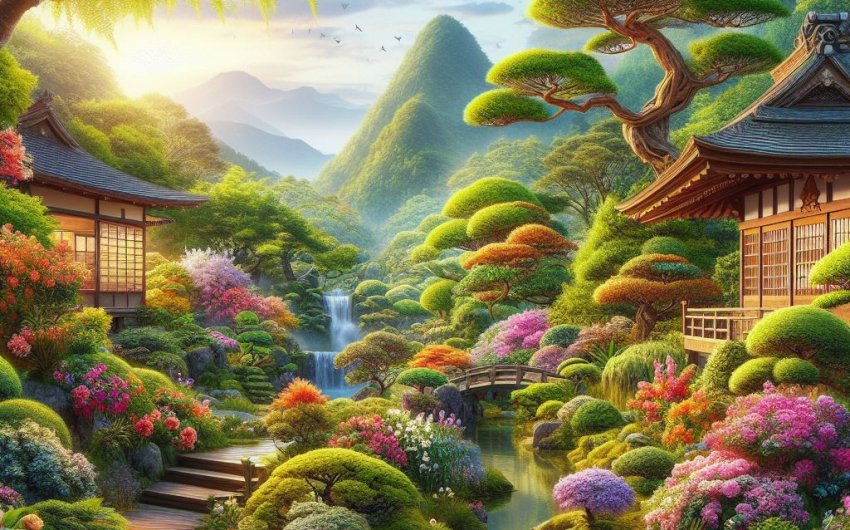
An outdoor garden is more than just a collection of plants; it's a living canvas, a sanctuary, and a personal connection to the natural world. While human hands shape and guide its elements, the most captivating gardens are often those that draw profound inspiration from nature's own palette – the organic flow of landscapes, the interplay of light and shadow, and the incredible diversity of plant life found in wild spaces. These gardens invite us on a journey, evoking a sense of wonder and tranquility, making us feel truly immersed in beauty. From the rugged charm of a cottage garden to the serene simplicity of a Japanese landscape, let's embark on a virtual tour through different styles of outdoor gardens, uncovering the secrets to creating your own captivating space inspired by the artistry of nature itself.
What Makes an Outdoor Garden Captivating?
A truly captivating garden doesn't just look pretty; it engages your senses, draws you in, and offers a sense of escape. It's a space that feels alive, dynamic, and purposeful.
Sensory Engagement
- Sight: Beyond just color, a captivating garden uses varied textures (smooth leaves, spiky plants, feathery grasses), forms (tall trees, sprawling groundcovers, arching shrubs), and layers to create visual depth and interest year-round. Light and shadow play a crucial role.
- Sound: The rustle of leaves, the gentle gurgle of a water feature, the buzz of pollinators, or the cheerful chirping of birds all add to the immersive experience.
- Scent: Fragrant flowers and herbs (like lavender plants, roses, jasmine) release delightful aromas that change with the day and season.
- Touch: Inviting pathways, varied plant textures you can feel, and comfortable seating encourage interaction with the space.
Sense of Journey or Discovery
- Vistas and Focal Points: A captivating garden guides your eye, leading you through different "rooms" or sections. It has inviting paths that hint at what's around the corner, and strategic focal points (a statue, a special plant, a water feature) that draw you in.
- Surprise: Unexpected plantings, a hidden bench, or a sudden burst of color can add an element of delight.
Connection to Nature
- Naturalistic Design: The most captivating gardens often don't look overly manicured or artificial. They blend seamlessly with the surrounding landscape, using native or well-adapted plants that thrive in the local climate.
- Biodiversity: They support local wildlife, attracting pollinators, birds, and beneficial insects, making the garden feel truly alive.
Purpose and Function
- Living Spaces: A captivating garden is also functional. It provides areas for relaxation, dining, entertaining, or quiet contemplation. Thoughtful placement of seating, shade structures (patio umbrella), and gathering spots makes it truly usable.
Inspired by Nature's Palette: Garden Styles
Nature offers endless inspiration for garden design. Let's explore several captivating outdoor garden styles that draw heavily from natural principles and aesthetic palettes.
1. The Wild and Whimsical: Cottage Gardens
The cottage garden style is known for its informal, abundant, and romantic charm. It evokes a sense of natural beauty, as if plants have happily self-seeded and grown together with joyous abandon.
Key Characteristics:
- Abundant Planting: No bare soil! Plants are densely packed, creating lush, overflowing borders.
- Mix of Florals and Edibles: Often includes a delightful blend of colorful flowers, herbs, and even vegetables woven throughout. Think hollyhocks towering over lavender and calendula.
- Layered Look: Informal layers, from tall spires to sprawling groundcovers, create depth and texture.
- Soft Edges: Borders are often irregular or gently curved, blending into the surrounding landscape rather than having sharp lines.
- Sense of Romance: Often features climbing roses, clematis, and other vining plants on fences or arbors.
- Charming Hardscape: Rustic pathways (gravel, stepping stones), weathered benches, birdbaths, and whimsical garden decor.
Nature's Palette Inspiration:
- Wildflower Meadows: The informal mix of colors and forms, as if plants simply sprouted where they pleased.
- Hedgerows: The dense, diverse plantings found in countryside hedgerows.
- Countryside Charm: Captures the feeling of a vibrant, naturalized landscape.
Key Plants for a Cottage Garden:
- Tall Backdrops: Hollyhocks, Delphiniums, Foxgloves, Sunflowers.
- Mid-Ground Fillers: Roses, Lavender, Peonies, Salvia, Coneflowers, Daisy varieties, Phlox.
- Edging/Groundcovers: Alyssum, Thyme, Catmint, Pinks, Dianthus, Lady's Mantle.
- Climbers: Climbing Roses, Clematis, Honeysuckle, Sweet Peas.
- Herbs: Rosemary, Sage, Oregano, Chives.
2. The Serene and Meditative: Japanese Gardens
Japanese gardens are designed to be tranquil, contemplative spaces that evoke the beauty of natural landscapes in miniature. Every element has symbolic meaning.
Key Characteristics:
- Asymmetry: Avoids perfect symmetry, mimicking the natural world's imperfections.
- Simplicity and Restraint: Less is more. Careful placement of a few elements creates powerful impact.
- Symbolism: Rocks represent mountains, ponds represent oceans, gravel represents flowing water.
- Borrowed Scenery (Shakkei): Integrating distant views (mountains, trees) into the garden design.
- Elements: Water (real or implied), rocks, moss, carefully pruned trees, lanterns, and bridges.
- Controlled Views: Paths often wind, revealing new vistas gradually.
Nature's Palette Inspiration:
- Mountain Landscapes: Incorporating stones, waterfalls, and evergreen trees.
- Forest Understory: Lush mosses, ferns, and dappled light.
- Rivers and Lakes: The calming presence of water.
Key Plants for a Japanese Garden:
- Trees (often pruned): Japanese Maple (especially for fall color), Pines, Cherry Trees.
- Shrubs: Azaleas, Rhododendrons, Bamboo (clumping varieties).
- Groundcovers: Various types of Moss, Mondo Grass, Irish Moss.
- Accents: Ferns, Hostas, Irises.
3. The Modern and Minimalist: Contemporary Gardens
Contemporary gardens often feature clean lines, geometric shapes, and a restrained plant palette. They prioritize structure, texture, and negative space.
Key Characteristics:
- Strong Lines and Shapes: Often uses squares, rectangles, circles, or intersecting lines in pathways, beds, and water features.
- Limited Plant Palette: Fewer types of plants, but used in bold masses or striking individual specimens.
- Emphasis on Texture: Focus on varying textures of foliage, hardscaping materials (concrete, steel, wood), and water.
- Negative Space: Open areas of lawn, paving, or simple groundcover are as important as planted areas.
- Integrated Hardscape: Features like built-in seating (patio sectional sofa), fire pits, and water features are often central to the design.
- Architectural Plants: Plants chosen for their sculptural form, bold foliage, or dramatic effect.
Nature's Palette Inspiration:
- Desert Landscapes: The stark beauty of succulents, ornamental grasses, and rock formations.
- Grasses and Prairies: The movement of grasses, subtle color shifts.
- Minimalist Landscapes: Stripped-down forms found in nature, highlighting essential beauty.
Key Plants for a Contemporary Garden:
- Grasses: Tall ornamental grasses (Miscanthus, Pampas Grass, Feather Reed Grass) for movement and texture.
- Succulents/Cacti: Agaves, Aloes, Yuccas, Sedums for sculptural form.
- Architectural Shrubs: Boxwood (clipped), Bamboo (clumping), Nandina.
- Trees: Columnar evergreens, slender birches, Japanese maples (as focal points).
- Foliage Plants: Hostas (large-leaved varieties), Hakonechloa grass for subtle color.
4. The Functional and Productive: Edible Gardens / Food Forests
While often seen as practical, edible gardens and food forests can be incredibly captivating, showcasing the beauty of abundant food production integrated with aesthetics.
Key Characteristics:
- Focus on Edibles: Dominant plants are fruit trees, berry bushes, vegetables, herbs, and edible flowers.
- Layers and Guilds: Particularly in food forests, plants are arranged in multiple layers (canopy, understory, shrub, herbaceous, groundcover, root, vertical) with beneficial plant groupings (guilds).
- Biodiversity: Designed to attract pollinators, beneficial insects, and birds to support the ecosystem.
- Productivity: Maximizes harvests through intelligent plant choices and companion planting.
- Sustainability: Emphasizes soil health, water conservation, and natural pest control.
Nature's Palette Inspiration:
- Forests and Woodlands: The multi-layered structure of a natural forest.
- Hedgerows and Fencerows: Diverse edible and beneficial plants found in rural boundaries.
- Wild Abundance: The sheer generosity of nature's bounty.
Key Plants for an Edible Garden/Food Forest:
- Canopy/Understory: Apple, Pear, Cherry, Peach, Persimmon, Pawpaw, Hazelnut, Mulberry.
- Shrub Layer: Blueberries, Raspberries, Blackberries, Currants, Elderberry.
- Herbaceous: Asparagus, Rhubarb, Artichokes, Perennial Herbs (Mint, Oregano, Rosemary, Lavender), Comfrey (for chop & drop).
- Groundcover: Strawberries, Creeping Thyme, White Clover (nitrogen fixer).
- Vertical: Grapes, Kiwifruit, Edible Beans (annual).
- Fruit tree nursery stock and berry bush varieties are good starting points.
5. The Low-Water and Resilient: Xeriscape / Drought-Tolerant Gardens
Xeriscape gardens prioritize water conservation while creating captivating landscapes using drought-tolerant plants and often incorporating hardscaping elements.
Key Characteristics:
- Water Conservation: Uses plants that thrive with minimal supplemental irrigation once established.
- Native Plants: Often features native plants that are naturally adapted to the local climate and rainfall patterns.
- Mulch: Extensive use of mulch (rock, gravel, wood chips) to retain soil moisture and suppress weeds.
- Zoning: Grouping plants with similar water needs together.
- Hardscaping: Incorporates stone, gravel, and other non-plant elements as integral parts of the design.
- Texture and Form Focus: Relies heavily on the varied textures and forms of drought-tolerant plants (succulents, grasses, spiky forms) rather than abundant flowers.
Nature's Palette Inspiration:
- Deserts and Arid Regions: The subtle beauty of desert flora, unique textures, and rock formations.
- Mediterranean Landscapes: Olives, lavenders, and cypresses thriving in dry conditions.
Key Plants for a Xeriscape Garden:
- Succulents/Cacti: Agave, Sedum, Yucca, Prickly Pear.
- Ornamental Grasses: Blue Fescue, Little Bluestem, Fountain Grass.
- Drought-Tolerant Perennials: Lavender, Russian Sage, Coneflower, Penstemon, Sedum.
- Shrubs/Trees: Juniper, Sumac, certain Oaks, Manzanita.
- Drought-tolerant plant seeds are widely available.
Crafting Your Own Captivating Outdoor Space
Bringing these inspirations to life in your own garden involves a process of observation, planning, and hands-on work.
1. Observe Your Site (Again!)
Before anything else, truly understand your own outdoor space.
- Sunlight: Map sun exposure throughout the day and year.
- Soil: Get a soil test to understand its type, pH, and nutrient levels. This informs plant choices and necessary amendments.
- Drainage: Where does water collect, and where does it drain?
- Existing Features: Work with what you have – existing trees, structures, slopes.
2. Define Your Vision and Purpose
- What's Your Style? Do you lean towards rustic charm, serene simplicity, modern minimalism, or productive abundance?
- What Activities? Will it be for entertaining, quiet reading, growing food, or kids' play? This impacts layout and features like patio dining sets.
3. Create a Plan (On Paper)
- Draw it Out: Sketch your yard, including existing features. Start placing major elements like trees, pathways, and seating areas.
- Layer by Layer: Think about your layers of plants. Start with the tallest trees, then shrubs, then perennials and groundcovers.
- Color Palette: Choose a dominant color scheme based on your chosen style (e.g., cool blues and purples for serenity, warm reds and oranges for energy, or natural greens and browns for wildness).
- Texture and Form: Incorporate a variety of plant textures and forms for year-round interest.
4. Choose the Right Plants
- "Right Plant, Right Place": Select plants that are suited to your specific climate (hardiness zone, chill hours), sun exposure, and soil conditions.
- Native Plants: Prioritize native plants as they are best adapted to your local climate, require less water and fertilizer, and support local wildlife.
- Disease Resistance: Opt for disease-resistant varieties to reduce maintenance.
- Succession of Bloom/Interest: Choose plants that offer interest across all seasons – spring blooms, summer foliage, fall color, winter structure.
5. Prepare the Soil
- Amendments: Improve soil quality based on your soil test, incorporating organic compost generously.
6. Consider Hardscaping and Features
- Paths: Define your journeys through the garden with appropriate pathways (gravel, stepping stones, pavers). Use garden pathway stepping stones.
- Seating: Integrate benches, chairs, or built-in seating where you can enjoy the garden.
- Water Features: A bird bath, fountain, or small pond adds sound and attracts wildlife.
- Lighting: Landscape lighting (solar pathway lights) extends the garden's enjoyment into the evening.
7. Installation and Maintenance
- Start Small: Don't try to do everything at once. Develop one section at a time.
- Mulch: Apply a thick layer of organic mulch to conserve moisture, suppress weeds, and enrich the soil.
- Watering: Water new plants consistently until established.
- Observation: Continually observe your garden, learning how plants interact and grow. Adjust and adapt over time.
Journeying through diverse outdoor garden styles reveals a universal truth: the most captivating spaces are those that honor and draw from nature's own palette. By understanding the characteristics of different garden aesthetics, and thoughtfully applying principles of design, you can transform your outdoor area into a truly immersive and beautiful sanctuary. Whether you dream of a whimsical cottage escape or a serene Japanese retreat, your garden can become a living masterpiece, reflecting the artistry of the natural world and providing endless joy and inspiration.