
Crafting Harmony: The Art of Garden Design and Creating Tranquil Retreats
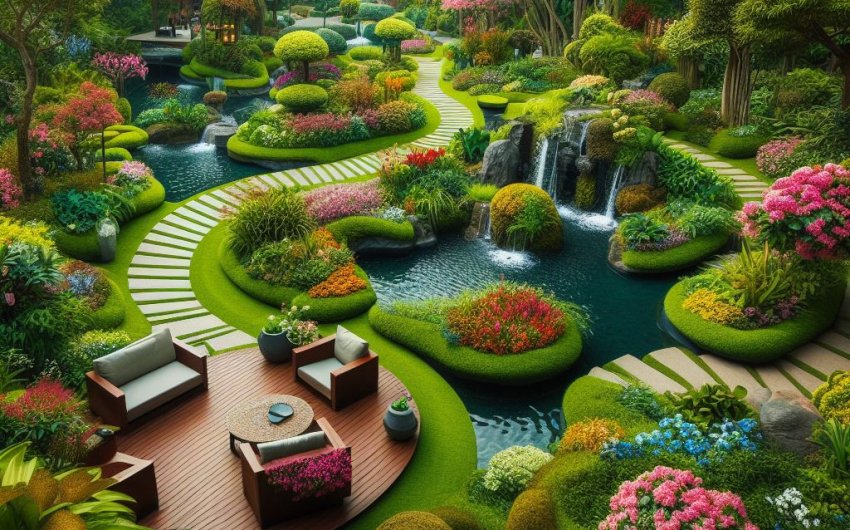
Have you ever stepped into a garden that just feels right? A place where you instantly feel calmer, more at peace, and connected to nature? That feeling isn't by accident. It's the result of thoughtful garden design, where every element works together to create harmony and a sense of tranquility. A garden isn't just a collection of plants; it's an outdoor living space, an extension of your home, and a potential tranquil retreat from the hustle and bustle of daily life.
Many people think garden design is only for experts with huge budgets, but that's not true! Anyone can learn the basic principles and apply them to even a small backyard or balcony. It's about understanding how to use space, shapes, colors, and textures to evoke a certain feeling. It’s about crafting an outdoor haven that nurtures your soul and provides a peaceful escape.
This guide will unveil the art of garden design, focusing on how to create your very own tranquil retreat. We'll explore core principles, practical elements, and inspiration to help you transform your outdoor space into a harmonious sanctuary. Get ready to unlock your creativity and design the garden of your dreams!
What is Garden Design and Why Does It Matter?
At its heart, garden design is the art and process of creating a plan for the layout and planting of a garden or landscape. It's about arranging elements in a way that is both beautiful and functional, achieving a desired feeling or purpose. It's more than just putting plants in the ground; it's about making a cohesive and intentional outdoor space.
Garden Design: More Than Just Plants
Think of it like designing a room inside your house. You don't just randomly throw furniture and decor together. You consider the purpose of the room, who will use it, the flow of traffic, the colors, textures, and lighting. Garden design applies these same principles to your outdoor area. It considers:
- Hardscaping: Non-living elements like paths, patios, walls, fences, gazebos, and water features.
- Softscaping: Living elements like trees, shrubs, flowers, and groundcovers.
- Features: Seating areas, fire pits, sculptures, lighting.
- The Big Picture: How all these elements work together to create a unified and appealing space.
Why Does Good Garden Design Matter?
A well-designed garden offers far more than just pretty scenery. It profoundly impacts how you use and enjoy your outdoor space, and even how you feel.
1. Creates Cohesion and Harmony
Without design, a garden can feel chaotic or jumbled. Good garden design creates a sense of order and flow.
- Visual Appeal: It’s simply more beautiful and pleasing to the eye when elements are intentionally placed and balanced.
- Unified Look: All parts of the garden relate to each other, creating a sense of harmony and completeness.
- Flow and Movement: Paths lead invitingly, and different areas connect logically, guiding you through the space.
2. Enhances Functionality and Usability
A designed garden is a usable garden. It meets your practical needs.
- Defined Spaces: It creates "rooms" outdoors – an eating area, a quiet reading nook, a play space, a productive vegetable patch.
- Easy Navigation: Well-placed paths make it easy to move around without stepping on plants.
- Purposeful Areas: Every part of the garden has a reason for being there, whether for relaxation, entertaining, or growing food.
- Accessibility: Design can ensure paths are wide enough, and features are accessible for everyone.
3. Boosts Property Value and Curb Appeal
A beautiful, well-designed garden significantly increases the attractiveness of your home.
- First Impressions: It creates a strong positive first impression for visitors or potential buyers.
- Outdoor Living Space: It effectively adds usable square footage to your home by transforming outdoor areas into inviting living spaces.
- Mature Gardens: A mature, well-planned garden adds lasting value that grows over time.
4. Expresses Personal Style and Personality
Your garden is an extension of your home and your personality.
- Unique Space: Design allows you to tailor your garden to your tastes, whether you love formal elegance, rustic charm, modern simplicity, or wild abundance.
- Creative Outlet: It's a wonderful way to express your creativity and build something that truly reflects who you are.
5. Creates a Tranquil Retreat and Enhances Well-being
This is one of the most powerful reasons for thoughtful garden design.
- Sense of Peace: When a garden is designed for harmony, it naturally evokes feelings of calm and relaxation.
- Connection to Nature: It creates inviting spaces where you can disconnect from daily stresses and reconnect with the natural world.
- Mental and Physical Health: Spending time in a beautiful, calm garden has proven benefits for mental clarity, stress reduction, and overall well-being. It becomes your personal tranquil retreat.
By understanding and applying the principles of garden design, you can move beyond simply planting things and begin to craft an intentional, beautiful, and deeply satisfying outdoor sanctuary that nurtures both your plants and your soul.
What Are the Core Principles of Garden Design?
Before you even pick a plant, understanding the core principles of garden design is like learning the alphabet before you write a story. These principles are the building blocks that help you create a harmonious, functional, and beautiful outdoor space. You don't need to be an expert, but being aware of these ideas will greatly improve your garden's overall look and feel.
1. Unity and Harmony: Bringing It All Together
This is the big picture goal. Unity and harmony mean that all the elements in your garden (plants, paths, structures, decor) feel like they belong together, creating a cohesive and pleasing overall impression. Nothing feels out of place or jarring.
- Achieving It:
- Repetition: Repeat certain colors, plant forms, materials, or shapes throughout the garden. For example, using the same type of paving stone for all paths.
- Continuity: Ensure paths and sightlines flow smoothly from one area to another.
- Simplicity: Don't try to cram too many different ideas or items into one space. Sometimes less is more.
- Theme/Style: Choose a general style (e.g., cottage, modern, formal, naturalistic) and stick to it.
2. Balance: Visual Weight and Symmetry
Balance refers to the visual weight of elements in your garden. It ensures the garden doesn't feel lopsided or top-heavy.
- Symmetrical Balance (Formal): Achieved when elements on one side of a central axis (like a path or a doorway) are mirrored exactly on the other side. Think formal gardens with identical hedges or planters on either side. Creates a sense of order, formality, and calm.
- Asymmetrical Balance (Informal/Naturalistic): Achieved when elements on either side are different but have equal visual weight. For example, a large tree on one side might be balanced by a group of smaller shrubs or a bold sculpture on the other. Creates a more natural, dynamic, and relaxed feel.
3. Proportion and Scale: Right Size for the Space
Proportion is how parts of the garden relate to each other in size. Scale is how the garden elements relate to the size of your home and you.
- Right Size: Don't put a tiny bird bath in a huge, sprawling lawn, or a giant oak tree next to a small cottage. Elements should be appropriately sized for the space they occupy.
- Human Scale: Paths should be wide enough for comfortable walking. Benches should be a comfortable height. Tall structures should not dwarf the house.
- Sense of Enclosure: Taller plants or structures can create a sense of enclosure and intimacy in seating areas.
4. Focal Point and Emphasis: Drawing the Eye
A focal point is something that immediately draws your eye and becomes a key feature in the garden. Emphasis is about making certain elements stand out.
- Examples: A beautiful sculpture, a striking specimen tree, a dramatic water feature, a colorful planting bed, a unique garden gate.
- Placement: Place focal points strategically where they can be appreciated (e.g., at the end of a path, visible from a window or seating area).
- Too Many is No Focus: Avoid having too many competing focal points, as this can make the garden feel cluttered and confusing. One or two main focal points are usually enough for a space.
5. Repetition, Rhythm, and Flow: Guiding the Eye
Repetition involves using the same elements multiple times. Rhythm is created by the regular repetition of elements, guiding the eye through the garden. Flow is the sense of easy movement and connection.
- Repetition: Repeating certain plants, colors, shapes (e.g., circular stepping stones, square planters), or materials (e.g., brick for paths and retaining walls).
- Rhythm: Creates a sense of movement. Imagine a path bordered by clumps of the same ornamental grass, repeated every few feet. Your eye moves along with the repeated pattern.
- Flow: Paths should curve gracefully or lead clearly. Planting beds should transition smoothly from one area to the next.
6. Variety and Contrast: Adding Interest
While unity and repetition are important, too much of the same thing can be boring. Variety and contrast add interest and prevent monotony.
- Shapes: Mix tall, spiky plants with rounded shrubs and sprawling groundcovers.
- Textures: Combine coarse leaves with fine, feathery foliage. Use smooth stones with rough-hewn timber.
- Colors: Use contrasting colors (e.g., purple flowers against yellow foliage) to make elements pop.
- Materials: Mix different hardscaping materials (e.g., wood decking with stone paths).
- Light/Shadow: Use trees or structures to create interesting patterns of light and shadow throughout the day.
7. Simplicity: Less is Often More
Especially for beginners, starting with simplicity is a powerful design principle.
- Avoid Overwhelm: A simple design is easier to execute, maintain, and less likely to feel cluttered or overwhelming.
- Clarity: Clear, uncluttered spaces feel more serene and peaceful.
- Focus on Key Elements: Choose a few elements you love and make them shine, rather than trying to include everything.
By keeping these core principles of garden design in mind, you'll be able to make intentional choices that transform your outdoor space from a haphazard collection of plants into a thoughtfully crafted, harmonious, and beautiful tranquil retreat.
How to Create a Tranquil Retreat in Your Garden?
The desire for a tranquil retreat is often the driving force behind many garden design projects. A peaceful garden space can be a sanctuary, a place to de-stress, meditate, read, or simply enjoy nature. Creating this feeling of calm involves incorporating specific elements and engaging your senses.
1. Define Your Space: Create a Sense of Enclosure
A sense of enclosure makes a space feel cozy, protected, and private – perfect for a tranquil retreat.
- Walls or Fences: These provide immediate privacy and define the boundaries of your retreat. Consider wood fence panels for a natural look.
- Tall Hedges or Shrubs: Living walls offer softness, attract birds, and provide seasonal interest.
- Pergolas or Arbors: These overhead structures create a ceiling effect, making the space feel more intimate and can be draped with climbing plants for added softness and shade.
- Strategic Planting: Use taller plants (like ornamental grasses, bamboo, or narrow evergreens) to create "green walls" that partially screen the area from views or noisy distractions.
- Seating Area: Place your seating (bench, swing, comfortable chairs) within this enclosed or semi-enclosed space to enhance the feeling of seclusion.
2. Engage Your Senses: A Holistic Experience
A truly tranquil retreat isn't just about what you see; it's about what you hear, smell, touch, and even taste.
- Sound:
- Water Feature: The gentle trickle of a water feature (a small fountain, bubbling rock, or bird bath) is incredibly soothing and helps mask unwanted noises. A solar-powered garden fountain can create a peaceful sound without electricity.
- Wind Chimes: Soft, melodic wind chimes can add a gentle, calming auditory element.
- Rustling Plants: Choose plants like ornamental grasses (e.g., Miscanthus, Panicum) whose leaves rustle softly in the breeze.
- Attract Birds: Bird feeders and baths encourage birds, whose chirping adds natural ambiance.
- Scent:
- Fragrant Plants: Plant herbs and flowers with appealing scents near your seating area. Examples: Lavender, Jasmine, Gardenia, Roses (fragrant varieties), Sweet Alyssum, Heliotrope, Peonies, Rosemary, Thyme, Mint.
- Night-Scented Plants: Consider plants that release their fragrance in the evening for enjoyment during cooler hours.
- Touch:
- Soft Textures: Include plants with soft, fuzzy leaves or delicate grasses.
- Smooth Surfaces: Use smooth seating surfaces or polished stones for pathways.
- Comfortable Seating: Choose cushions and textiles that are soft and inviting.
- Sight:
- Calming Colors: Use a limited color palette of cool, soft colors (greens, blues, whites, pastels) to evoke peace. Avoid overly bright or clashing colors in your primary relaxation zone.
- Varying Textures: Mix plants with different leaf shapes, sizes, and textures to add visual interest without overwhelming the eye.
- Focal Point: A small sculpture, a perfectly pruned bonsai, or a peaceful statue can serve as a calming focal point.
- Lighting: Soft, subtle lighting for evening ambiance. Solar path lights or low-voltage landscape lighting can create a magical glow.
- Taste (Optional):
- Edible Herbs/Plants: Plant edible herbs or small berries nearby for a sensory treat.
3. Choose the Right Seating: Comfort is Paramount
Your seating is the heart of your tranquil retreat.
- Comfort: This is not the place for hard, uncomfortable chairs. Opt for a cushioned bench, an Adirondack chair, a hammock, or soft garden chairs.
- Placement: Position seating to take advantage of the best views, shade, or sun at different times of day. Consider facing a calming water feature or a beautiful plant.
4. Pathways and Circulation: Gentle Guidance
- Soft Pathways: Create paths with soft, natural materials like stepping stones, pea gravel, or wood chips. Avoid harsh, highly contrasting pathways.
- Gentle Curves: Curved paths feel more natural and inviting than straight lines. They also encourage you to slow down and explore.
5. Personal Touches: Make it Yours
Your tranquil retreat should reflect your personality and bring you joy.
- Meaningful Decor: Add elements that have personal significance – a cherished statue, a piece of art, or even photos in outdoor frames.
- Books and Music: Keep a basket with a favorite book or a small portable speaker for soft music.
- Mindful Objects: Consider a meditation cushion or chime.
By carefully considering these elements and engaging all your senses, you can transform any corner of your garden into a truly harmonious and deeply satisfying tranquil retreat, a personal sanctuary where you can recharge and reconnect.
What Are the Key Elements of Garden Design?
When you're embarking on garden design, you're working with a set of tools – the key elements of garden design. These are the tangible parts that you arrange to bring your design principles to life and create your desired outdoor space, whether it's a vibrant flower bed or a tranquil retreat.
1. Hardscaping: The Bones of Your Garden
Hardscaping refers to all the non-living, built elements in your garden. These are the foundational structures that define your space and often provide permanence.
- Paths and Walkways: Guide movement, provide access, and can be made from various materials like pavers, gravel, stepping stones, bricks, or wood. They create circulation and define areas.
- Patios and Decks: Create outdoor living rooms for dining, lounging, or entertaining. Materials include concrete, pavers, wood decking, or natural stone.
- Walls and Fences: Define boundaries, provide privacy, offer security, and create vertical interest. Can be made from wood, stone, brick, or metal.
- Retaining Walls: Used to manage slopes and create level terraces, adding structure and often planting opportunities.
- Structures: Pergolas, arbors, gazebos, sheds, and greenhouses. These add vertical elements, shade, and architectural interest. A sturdy wooden pergola kit can add a significant architectural element.
- Water Features: Ponds, fountains, bird baths. They add sound, movement, and attract wildlife.
2. Softscaping: The Living Elements
Softscaping refers to all the living plant material in your garden. This is where you bring color, texture, scent, and life to your design.
- Trees: Provide shade, vertical height, structure, and can be focal points. Consider their mature size.
- Shrubs: Provide evergreen structure, seasonal color, privacy, and fill space. They can be deciduous (lose leaves in winter) or evergreen.
- Perennials: Plants that live for more than two years, often returning each spring. They provide recurring color and texture.
- Annuals: Plants that complete their life cycle in one season. They offer continuous, vibrant color, often used to fill gaps or for seasonal displays.
- Groundcovers: Low-growing plants that spread to cover bare soil, suppressing weeds and preventing erosion.
- Vines/Climbers: Add vertical interest to walls, trellises, fences, or pergolas.
- Edibles: Vegetables, fruits, and herbs. These combine beauty with utility.
3. Color: Setting the Mood
Color is a powerful tool in garden design that evokes emotions and creates mood.
- Warm Colors: Reds, oranges, yellows. Tend to be vibrant, energetic, draw attention, and make spaces feel smaller or closer. Great for exciting areas.
- Cool Colors: Blues, greens, purples, whites. Tend to be calming, serene, create a sense of depth, and make spaces feel larger. Ideal for a tranquil retreat.
- Monochromatic: Using different shades of one color for a sophisticated, peaceful look.
- Contrasting: Using opposite colors (e.g., yellow and purple) for high impact and energy.
- Harmonious: Using colors next to each other on the color wheel (e.g., blue, green, violet) for a softer, blended look.
4. Texture: Adding Depth and Interest
Texture refers to the visual and tactile quality of surfaces – how rough or smooth, fine or coarse elements appear.
- Plant Textures:
- Fine: Ferns, ornamental grasses, baby's breath. Creates an airy, soft feel.
- Coarse: Hostas, rhubarb, some succulents. Creates a bold, dramatic feel.
- Medium: Most common leafy plants.
- Mix textures for interest. For example, a coarse-leaved plant next to a fine-textured grass creates contrast.
- Hardscape Textures: Smooth paving, rough stone walls, gritty gravel paths, weathered wood.
5. Form and Shape: Structure and Flow
Form refers to the overall three-dimensional shape of plants or objects. Shape refers to the two-dimensional outline.
- Plant Forms: Spiky (iris, delphinium), mounding (boxwood, hosta), columnar (evergreen trees), weeping (willow), spreading (groundcovers).
- Hardscape Shapes: Straight paths, curving beds, round patios, square planters.
- Using Form: Mix different forms for visual interest and to create rhythm. Tall, vertical forms can provide exclamation points, while mounding forms offer softness. Curved shapes evoke movement and a natural feel.
6. Light: The Dynamic Element
Light changes throughout the day and seasons, dynamically impacting how your garden looks and feels.
- Sunlight: Understand how sun moves across your garden. This determines where plants will thrive and where you might need shade.
- Shadows: Shadows create depth and drama. A tree's shadow dancing on a wall adds visual interest.
- Artificial Lighting: Use landscape lighting to extend garden enjoyment into the evening. Spotlights highlight features, path lights ensure safety, and string lights create ambiance in seating areas. Consider upward lighting on trees or walls for dramatic effect.
- Reflection: Water features or shiny surfaces can reflect light, adding sparkle.
By thoughtfully combining these key elements of garden design, you gain the power to truly craft your outdoor space into a harmonious, functional, and deeply personal haven, transforming it into your ideal tranquil retreat.
What Are Some Popular Garden Design Styles?
When diving into garden design, understanding different garden design styles can provide a fantastic starting point. A style acts like a guiding theme, helping you make consistent choices about plants, materials, and overall layout. While you don't have to stick rigidly to one, knowing these styles can help you define the feeling you want for your tranquil retreat.
1. Formal Gardens: Order and Symmetry
Formal gardens are all about precision, symmetry, and order. They evoke a sense of grandeur, control, and calm through their structured nature.
- Characteristics:
- Symmetry: Elements are mirrored on either side of a central axis.
- Geometric Shapes: Straight lines, perfect circles, squares, and rectangles are common for beds, paths, and hedges.
- Manicured Plants: Clipped hedges (like boxwood or yew), topiary (sculpted plants), and often limited plant palettes for uniformity.
- Grand Features: Large statues, ornate fountains, elegant urns, precise parterres (ornamental garden beds with paths between them).
- Materials: Often use cut stone, brick, gravel, and wrought iron.
- Feeling: Elegant, stately, serene, disciplined.
- Best For: Larger spaces where a sense of order is desired. Can be high maintenance due to pruning.
2. Cottage Gardens: Romantic and Abundant
A complete contrast to formal, cottage gardens are celebrated for their charming, informal abundance and romantic feel. They feel natural, overflowing, and inviting.
- Characteristics:
- Informal Layout: No strict lines, often winding paths, and soft, overflowing beds.
- Dense Planting: Plants are packed tightly, with flowers, herbs, and even vegetables mixed together in joyful profusion.
- Heirloom Plants: Traditional, old-fashioned flowers and self-seeding annuals are common.
- Layers and Textures: Rich variety of heights, forms, and textures creating a "plant hug" effect.
- Quaint Features: Picket fences, arbors covered in climbing roses, bird baths, vintage garden tools as decor, stepping stones.
- Materials: Often use natural stone, weathered wood, and reclaimed items.
- Feeling: Romantic, whimsical, welcoming, abundant, cozy.
- Best For: Creating a relaxed, lush tranquil retreat. Requires regular deadheading but less rigid pruning.
3. Modern/Contemporary Gardens: Clean Lines and Simplicity
Modern gardens emphasize simplicity, strong lines, and often a minimalist approach. They offer a sleek, sophisticated tranquil retreat.
- Characteristics:
- Clean Lines: Strong geometric shapes, often rectangular or linear.
- Limited Plant Palette: Fewer types of plants, but chosen for their architectural form, texture, or singular impact. Often feature ornamental grasses, succulents, and plants with striking foliage.
- Emphasis on Hardscaping: Concrete, steel, composite decking, smooth stone, glass. Often with stark contrasts in materials.
- Water Features: Often simple, reflective pools or linear fountains.
- Minimal Decor: Intentional placement of a single, striking sculpture or piece of art.
- Color Palette: Often muted tones, grays, whites, greens, with pops of vibrant color.
- Feeling: Sleek, sophisticated, uncluttered, minimalist, serene.
- Best For: Urban spaces, homes with modern architecture, or anyone seeking a clean, low-maintenance aesthetic.
4. Naturalistic/Wildlife Gardens: Embracing Wild Beauty
These gardens strive to mimic nature, using plants adapted to the local environment to support wildlife and create a natural, flowing look. They are inherently sustainable tranquil retreats.
- Characteristics:
- Native Plants: Focus on plants native to your region, as they are adapted to the climate and support local pollinators and wildlife.
- Informal Layout: Sweeping curves, irregular shapes, and plants allowed to self-seed and spread naturally.
- Habitat Creation: Incorporates elements like log piles, rock piles, water features, and diverse planting to provide food and shelter for birds, insects, and small mammals.
- Minimal Intervention: Less rigid pruning, allowing plants to express their natural form.
- Seasonal Interest: Design focuses on multi-seasonal beauty, from spring blooms to fall berries and winter structure.
- Materials: Natural materials like local stone, rough-hewn wood, and unpaved pathways.
- Feeling: Wild, authentic, connected to nature, serene, alive.
- Best For: Gardeners passionate about ecology and those wanting a truly low-maintenance, evolving garden.
5. Zen/Japanese Gardens: Meditation and Serenity
Zen gardens are designed for quiet contemplation and reflection, creating deeply peaceful tranquil retreats.
- Characteristics:
- Simplicity and Symbolism: Every element has meaning. Often minimalist.
- Asymmetry: Balanced but not symmetrical.
- Key Elements: Rocks (representing mountains or islands), sand or gravel (raked to represent water), moss, carefully pruned trees (especially pines), small water features.
- Limited Plant Palette: Evergreen shrubs and trees, moss, bamboo.
- Materials: Natural stone, raked gravel, wood.
- Feeling: Peaceful, contemplative, minimalist, profound.
- Best For: Small, enclosed spaces or a dedicated corner for quiet reflection.
When choosing a garden design style, think about your home's architecture, the amount of maintenance you're willing to do, and most importantly, the feeling you want to create in your outdoor space. You can even combine elements from different styles to create your own unique blend!