
A Symphony of Petals: Cultivating a Vibrant Flower Garden That Delights the Senses
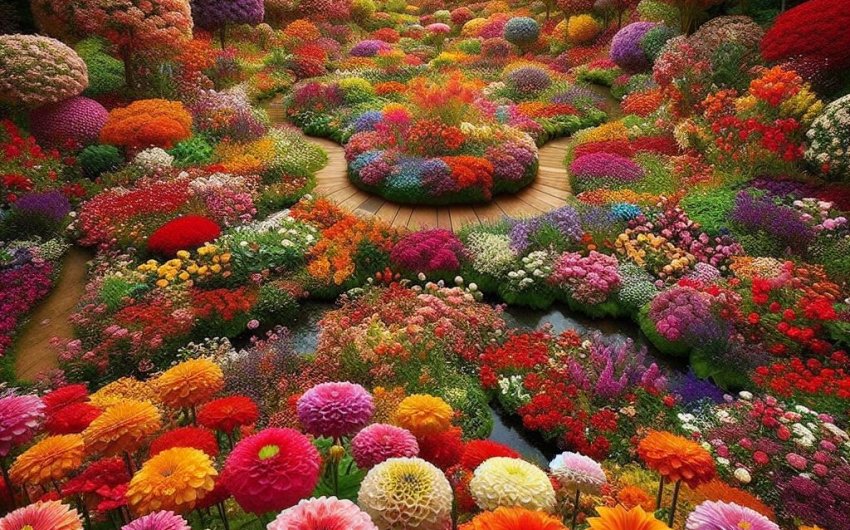
Envision a place where every glance reveals a kaleidoscope of hues, where the air hums with the gentle buzz of pollinators, and subtle fragrances drift on the breeze. This is the essence of a vibrant flower garden, a living tapestry designed not just for visual appeal, but to engage all your senses. It's an invitation to step into a world of natural beauty, where the rhythmic unfurling of petals and the dynamic interplay of light and shadow create an ever-changing masterpiece. Cultivating such a garden is a deeply rewarding endeavor, a continuous journey of discovery that brings joy and serenity to your outdoor space.
Moving beyond mere planting, creating a truly sensory flower garden involves thoughtful selection and strategic placement, aiming for a harmonious blend of sights, smells, and even sounds. It’s about building a living ecosystem that supports local wildlife while providing a personal sanctuary for relaxation and enjoyment. From the delicate flutter of a butterfly's wings to the rich earthy scent after a spring rain, every element contributes to this immersive experience. Let's delve into the art and science of nurturing a symphony of petals, transforming your yard into a delightful retreat that truly awakens the senses.
Why Create a Sensory Flower Garden?
A flower garden is often admired for its beauty, but going a step further to create a sensory flower garden elevates the experience. It turns your outdoor space into a dynamic place that engages more than just your eyes, making it a truly immersive retreat.
How Does a Garden Engage All Five Senses?
- Sight: This is the most obvious one. A vibrant flower garden is a feast for the eyes, with its myriad of petals in every color, shape, and size. Think about the way light plays on different textures, the movement of swaying grasses, or the intricate patterns on a butterfly's wing as it visits a bloom.
- Smell: Many flowers release delightful fragrances. From the sweet scent of roses and honeysuckle to the calming aroma of lavender or the fresh, clean smell of a dewy morning garden. Even the earthy smell of soil after rain contributes to the sensory experience.
- Sound: A flower garden isn't silent. Imagine the gentle rustle of leaves in the breeze, the buzz of bees as they collect nectar, the chirp of crickets in the evening, or the cheerful song of birds attracted to the plants. If you add a small water feature, the soothing sound of trickling water can also be present.
- Touch: The textures in a garden are incredibly diverse. Feel the velvety softness of lamb's ear leaves, the smoothness of rose petals, the rough bark of a tree, or the crispness of a newly unfurled fern frond.
- Taste: While not all garden elements are for eating, a sensory garden can certainly include edible flowers (like nasturtiums or pansies), herbs, or berry bushes, adding a literal taste of the garden's bounty.
Engaging all these senses creates a richer, more profound connection with nature and your outdoor space, transforming it into a truly delightful haven.
What are the Benefits of a Sensory Garden for Well-being?
A sensory flower garden offers numerous benefits beyond just aesthetics, contributing significantly to your well-being.
- Stress Reduction: Spending time in a natural, beautiful environment has been proven to lower stress hormones and promote relaxation. The sights, sounds, and smells of a garden can be incredibly calming.
- Mindfulness and Focus: Engaging multiple senses encourages mindfulness, pulling you into the present moment. This can be a form of meditation, helping to clear your mind and improve focus.
- Improved Mood: The beauty and vibrancy of flowers, combined with fresh air and gentle activity, can significantly boost mood and feelings of happiness.
- Physical Activity: Gardening itself is a form of gentle exercise, improving physical health and coordination.
- Connection to Nature: A sensory garden fosters a deeper connection with the natural world, which is increasingly important in our fast-paced, digital lives. A study on garden therapy shows the numerous benefits.
Can a Sensory Garden Attract Wildlife?
Yes, absolutely! A vibrant flower garden designed with sensory elements often naturally becomes a haven for pollinators and other beneficial wildlife, contributing to the local ecosystem.
- Nectar and Pollen: Fragrant, colorful flowers provide essential food sources for bees, butterflies, hummingbirds, and other insects.
- Habitat: Dense plantings, diverse plant types, and features like a bird bath or a bee house offer shelter and nesting sites.
- Food for Birds: Seed heads from spent flowers, berries from shrubs, and insects attracted to the garden provide food for various bird species. By inviting wildlife, you add another layer of sensory delight – the joyful buzzing of bees, the delicate flutter of butterfly wings, and the cheerful songs of birds, creating a truly lively and vibrant flower garden.
What is the Art of Visual Design for a Flower Garden?
Designing a vibrant flower garden is like painting a living canvas. It involves carefully choosing colors, textures, and forms to create a beautiful picture that changes with the seasons. This visual appeal is the first layer of your symphony of petals.
How Do I Choose a Color Palette?
The color palette you choose will set the mood for your entire flower garden.
- Monochromatic: Using different shades of a single color (e.g., various blues, from pale sky blue to deep indigo). This creates a calm, sophisticated, and harmonious feel.
- Analogous: Using colors that are next to each other on the color wheel (e.g., yellows, oranges, and reds, or blues, purples, and pinks). This creates a harmonious, flowing, and vibrant look without strong contrasts.
- Complementary: Using colors directly opposite each other on the color wheel (e.g., purple and yellow, blue and orange, red and green). This creates strong contrast and high energy, making each color pop.
- Mixed/Rainbow: Combining many different colors for a cheerful, exuberant, and informal feel.
- Consider the Light: Colors appear differently in various lighting conditions. Pastels might wash out in bright sun but glow in morning or evening light. Bright colors often look best in full sun.
- Reflect Your Home's Style: Choose colors that complement your house's exterior and existing outdoor decor. Start with a color wheel for gardeners to experiment.
How Can I Use Texture and Form Effectively?
Beyond color, texture and form are crucial for adding depth and interest to your flower garden, especially when blooms are not present.
- Texture: Refers to how a plant looks or feels.
- Fine Texture: Wispy grasses, delicate ferns, baby's breath. These create a soft, airy feel.
- Medium Texture: Most common garden plants, like rose leaves or coneflowers.
- Coarse Texture: Large-leaved plants like hostas, elephant ears, or plants with bold flowers like sunflowers. These add drama and visual weight. Mix these textures for dynamic contrast. Imagine fine ornamental grasses swaying next to bold-leaved hostas and the delicate petals of daisies.
- Form: Refers to the overall shape of the plant.
- Upright/Spiky: Delphiniums, salvias, gladiolus. Add vertical interest.
- Mounding/Bushy: Hydrangeas, mums, many annuals. Provide bulk and fullness.
- Trailing/Spreading: Creeping thyme, petunias, sweet potato vine. Soften edges and fill in gaps.
- Irregular/Architectural: Yuccas, some conifers. Act as focal points. Varying plant forms creates visual rhythm and prevents the garden from looking flat.
What About Layering and Seasonal Interest?
To create a garden that delights the senses throughout the year, think about layering and seasonal interest.
- Layering: This means arranging plants by height in your beds.
- Background: Taller plants, shrubs, or small trees at the back.
- Midground: Medium-height perennials and annuals in the middle.
- Foreground: Shorter plants, groundcovers, or edging plants at the front. This creates depth and ensures all plants are visible.
- Seasonal Interest: Choose plants that bloom, have interesting foliage, or show off appealing bark/berries in different seasons.
- Spring: Bulbs (tulips, daffodils), early flowering shrubs (forsythia, lilac).
- Summer: Peak bloom time for many annuals and perennials (roses, coneflowers, zinnias).
- Fall: Late-blooming perennials (asters, sedum), colorful fall foliage (maples, some hydrangeas), ornamental grasses with seed heads.
- Winter: Evergreen shrubs and trees provide structure. Plants with attractive bark or persistent berries add color. Planning for continuous interest means your garden is always "on," providing a symphony of petals year-round. A gardening plan book can help you sketch out your ideas.
Which Plants Contribute to a Multi-Sensory Experience?
To build a true symphony of petals that delights all the senses, you need to choose plants not just for their looks, but also for their fragrances, sounds, textures, and even taste. Here are some categories of plants that excel in multi-sensory engagement.
What are the Best Fragrant Flowers?
Scent is a powerful element in a sensory garden, evoking memories and adding an unseen layer of beauty.
- Roses: Many varieties offer classic, rich perfumes. Consider old garden roses or highly fragrant modern varieties.
- Lavender: Known for its calming, earthy, and herbaceous scent. Great for sunny, dry areas.
- Jasmine: Heavenly sweet, often grown as a vine to release its fragrance in the evening.
- Honeysuckle: Intoxicatingly sweet, especially at dusk. Many varieties are vigorous climbers.
- Freesia: Has a strong, sweet, somewhat fruity scent. Often grown from bulbs.
- Lilac: A quintessential spring scent, sweet and heady.
- Dianthus (Pinks): Many varieties have a spicy, clove-like fragrance.
- Stock: A lovely, sweet, slightly spicy scent, perfect for cooler weather.
- Night-Blooming Plants: Consider plants like Nicotiana (Flowering Tobacco) or Moonflower that release their perfume after dark, creating a magical evening experience. A well-placed garden bench near fragrant plants enhances the experience.
How Can I Add Textural Plants?
Touch is an often-overlooked sense in garden design, but it adds depth and interest.
- Lamb's Ear (Stachys byzantina): Soft, fuzzy, velvety leaves that are irresistible to touch.
- Grasses (Ornamental Grasses): Offer a wide range of textures, from fine and feathery (Miscanthus, Stipa) to broad and architectural (Pennisetum). They also provide sound as they rustle in the wind.
- Succulents and Sedums: Smooth, fleshy leaves that are cool to the touch.
- Coleus: Vibrant foliage with diverse leaf shapes and textures, from smooth to ruffled.
- Certain Conifers: Soft, feathery needles (e.g., some junipers) versus prickly ones (spruce).
- Velvet Petals: Some flowers, like certain roses or petunias, have incredibly soft petals that invite a gentle touch. Planting these tactile plants along pathways or near seating areas encourages interaction.
Which Plants Attract Pollinators for Sound and Movement?
Inviting pollinators brings your vibrant flower garden to life with buzzing, fluttering, and vibrant movement, adding natural sound and visual dynamism.
- Bee Magnets: Lavender, Bee Balm (Monarda), Coneflower (Echinacea), Salvia, Catmint (Nepeta), Sunflowers, Zinnias. Bees will hum as they busy themselves.
- Butterfly Attractors: Butterfly Bush (Buddleia), Milkweed (Asclepias), Phlox, Joe Pye Weed, Lantana. Their graceful fluttering adds visual beauty and a sense of calm.
- Hummingbird Favorites: Cardinal Flower (Lobelia cardinalis), Bee Balm, Salvia, Trumpet Vine, Honeysuckle, Fuchsia. The rapid wingbeats of hummingbirds create a distinctive whirring sound.
- Plants with Seed Heads: Leave some spent blooms on plants like coneflowers or sunflowers. Their seeds will attract birds, bringing their cheerful chirps and songs to your garden. Provide a shallow bird bath with a bubbler to attract more feathered friends, adding soothing water sounds. Choosing native plants often provides the best support for local pollinators.
Are There Edible Flowers or Herbs for Taste?
Adding edible elements directly to your flower garden creates a unique sensory experience – taste!
- Edible Flowers:
- Nasturtiums: Peppery taste, beautiful in salads.
- Pansies and Violas: Mild, slightly sweet, often used as garnishes.
- Calendula: Slightly spicy, adds color to dishes.
- Borage: Fresh, cucumber-like flavor.
- Rose Petals: Sweet, fragrant, good for desserts or jams (ensure they are organic and unsprayed).
- Culinary Herbs: Many herbs have beautiful flowers and strong aromas.
- Lavender: Edible flowers (use sparingly) and calming scent.
- Mint: Refreshing scent and taste, can be invasive, so plant in a container.
- Rosemary: Pungent, woody scent and flavor.
- Thyme: Earthy aroma and flavor, low-growing.
- Basil: Sweet, aromatic leaves and small, edible flowers.
- Small Fruits: Consider adding berry bushes like blueberries or strawberries for a sweet treat. Always be sure a flower is truly edible and has not been sprayed with pesticides before consuming. A herb garden starter kit can be a great way to introduce edible elements.
How Do I Ensure My Flower Garden Thrives?
A vibrant flower garden that delights the senses requires not just good design, but also healthy plants. Understanding the basic needs of your plants and providing consistent care will ensure your symphony of petals flourishes throughout the seasons.
What are the Best Practices for Soil and Sun?
The foundation of a healthy garden lies in its soil and sunlight.
- Sunlight: Most flowering plants need plenty of sun.
- Full Sun: (6+ hours of direct sun daily) is ideal for most annuals and many perennials like roses, coneflowers, and zinnias.
- Partial Sun: (3-6 hours of direct sun) suits plants like impatiens, fuchsias, and some hydrangeas.
- Shade: (less than 3 hours of direct sun) is for plants like hostas, ferns, and traditional impatiens. Observe your garden throughout the day to map sun exposure. A sunlight meter can provide accurate readings.
- Soil: Good soil is paramount. Most flowers prefer well-draining soil that is rich in organic matter.
- Drainage: If your soil is heavy clay, amend it with plenty of compost to improve drainage. If it's very sandy, compost will help it retain moisture and nutrients.
- Soil Test: Consider a soil test kit to determine your soil's pH and nutrient levels. This information will guide your soil amendments and fertilizer choices.
- Organic Matter: Regularly adding organic garden compost or aged manure improves soil structure, fertility, and microbial activity, which are vital for healthy plants.
How Often Should I Water My Flowers?
Watering is a critical task, and consistency is key.
- Deep and Infrequent: It's generally better to water deeply and less frequently than shallowly and often. Deep watering encourages roots to grow deeper, making plants more drought-tolerant.
- Check Soil Moisture: Don't water on a strict schedule. Instead, stick your finger about 2 inches into the soil. If it feels dry, it's time to water. If it's still moist, wait.
- Consider Weather: On hot, sunny, windy days, plants will need more water. On cooler, cloudy days, less.
- Water at the Base: Aim your garden hose with a gentle nozzle or watering can at the base of the plant to get water directly to the roots, avoiding wetting the foliage too much, especially in the evening, which can encourage fungal diseases.
- Mulch: A 2-4 inch layer of organic mulch around your plants will significantly reduce water evaporation from the soil, suppress weeds, and regulate soil temperature.
What is the Role of Fertilizing and Deadheading?
These two practices significantly impact your garden's bloom production and overall vigor.
- Fertilizing:
- Soil Test First: If you know your soil's deficiencies from a soil test, choose a fertilizer that addresses those needs.
- Balanced or Bloom-Boosting: Most flowering plants benefit from a balanced fertilizer (like a 10-10-10 NPK ratio) or one slightly higher in phosphorus (the middle number) to encourage blooming.
- Frequency: Apply a slow-release granular fertilizer in spring, or use a liquid fertilizer every 2-4 weeks during the growing season. Always follow product instructions to avoid over-fertilization, which can burn roots or encourage leafy growth at the expense of flowers. A liquid flower fertilizer can provide quick boosts.
- Deadheading: This involves removing spent or faded flowers.
- Encourages More Blooms: By removing old flowers, you prevent the plant from putting energy into seed production. Instead, it directs that energy into producing more flowers, extending the bloom season.
- Improves Appearance: Keeps the garden tidy and prevents diseased or unsightly blooms from detracting from the overall beauty. Use sharp pruning snips for clean cuts. Consistent deadheading is a key secret to a continuous symphony of petals.