
Elevate Your Space with Container Gardening: Creative Tips and Tricks
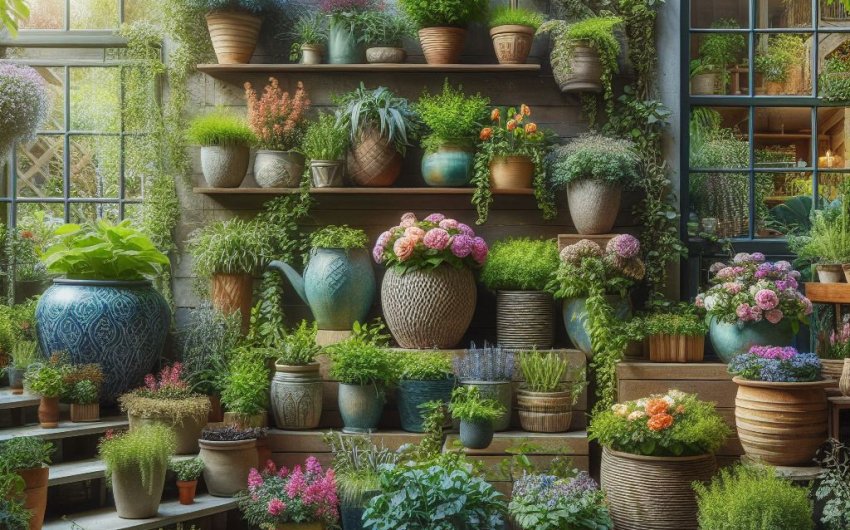
Transforming any area, big or small, into a vibrant green oasis is entirely possible with container gardening. Whether you have a tiny balcony, a sunny patio, or just a window ledge, pots and planters open up a world of possibilities for growing flowers, herbs, vegetables, and even small shrubs. It's an incredibly versatile way to add beauty, freshness, and personal flair to your living space, offering flexibility and control over your plants' environment.
What Makes Container Gardening So Appealing for Any Space?
Container gardening is a fantastic choice for many reasons, especially if you have limited traditional garden space. Its adaptability means you can create a lush garden display almost anywhere. Plus, you get to play with different styles, colors, and textures, making your outdoor or indoor area truly unique.
Why is Flexibility a Major Benefit of Container Gardening?
The ultimate advantage of container gardening is its incredible flexibility. Unlike in-ground gardens, you can easily move your plants around. This is perfect for chasing the sun or moving delicate plants indoors when the weather turns bad. For example, if you have a sun-loving petunia container that needs full sun in the morning and a bit of afternoon shade, you can simply move its pot.
This flexibility also means you can rearrange your garden layout whenever you want a fresh look. Want to switch out seasonal flowers? No problem. Need to bring your herb planters closer to the kitchen door? Easy peasy. It's like having a garden that can change with your mood or the seasons, offering endless creative opportunities for your outdoor or indoor spaces.
How Does Container Gardening Give You More Control Over Growing Conditions?
With container gardening, you have a lot more control over your plants' environment than you would with an in-ground garden. This is a huge benefit, especially if your native soil isn't ideal or if you're dealing with pests and diseases. You choose the exact soil mix your plants need. For instance, a succulent planter needs sandy, well-draining soil, which you can easily provide in a pot, even if your garden soil is heavy clay.
You can also control watering more precisely, preventing both waterlogging and drought. And if a plant gets a disease or a pest infestation, you can isolate it easily, preventing the problem from spreading to your other plants. This level of control helps your plants thrive, as you can tailor conditions to their specific requirements.
What Are the Key Elements for Successful Container Gardening?
Getting started with container gardening involves a few important choices: the right pots, the best soil, and knowing how to water and feed your plants. Getting these basics right sets you up for success and ensures your plants stay healthy and beautiful.
How Do You Choose the Perfect Containers?
Choosing the right containers is about more than just looks; it's about what's best for your plants and your space. First, always make sure your pots have drainage holes. This is super important to prevent water from sitting at the bottom and causing root rot. A good ceramic pot with drainage is essential. If a pot doesn't have holes, you'll need to drill some or use it as a decorative cover for a smaller pot that does have holes (this is called "double potting").
Consider the material of your containers:
- Terracotta pots are classic and breathable, which is great for plants that like to dry out a bit between waterings. However, they can dry out quickly in hot weather.
- Plastic pots are lightweight, inexpensive, and retain moisture well, but they might not always be the most attractive.
- Glazed ceramic pots are beautiful, come in many colors, and retain moisture well. They can be heavy.
- Metal containers, like galvanized tubs, offer a rustic or modern look but can heat up quickly in direct sun, potentially cooking roots.
- Fabric grow bags are great for aeration and drainage, lightweight, and often used for vegetables like potatoes. A fabric grow bag for tomatoes is a popular choice.
Also, think about size. Plants need enough room for their roots to grow. A pot that's too small will dry out quickly and stunt growth. A general rule is to choose a container that's at least twice the size of the plant's root ball for new plants. For larger plants, select large patio planters to give them ample space to thrive.
What's the Secret to the Best Potting Mix?
The soil you use in containers is incredibly important – it's not the same as garden soil. You need a potting mix that is light, drains well, and holds moisture and nutrients. Regular garden soil is too heavy, compacts easily in pots, and can introduce pests or diseases.
Look for a high-quality all-purpose potting mix as your base. You can then amend it to suit specific plants:
- For plants that need extra drainage, like succulents or cacti, mix in more perlite or coarse sand.
- For plants that like more moisture, add vermiculite or coco coir.
- For specific plants like orchids, you'll need specialized orchid bark mix.
Never put gravel or rocks at the bottom of the pot. This actually hinders drainage by creating a "perched water table" where water accumulates just above the gravel layer, potentially drowning roots. The best practice is to simply use good potting mix all the way to the bottom.
How Often Should You Water and Fertilize Container Plants?
Watering and fertilizing are critical for container plants because they can't access nutrients or moisture from the surrounding earth. They rely entirely on you.
Watering:
- Check the soil moisture daily, especially in hot weather. Stick your finger an inch or two into the soil. If it feels dry, it's time to water.
- Water until it drains out the bottom. This ensures the entire root ball gets wet.
- Don't let plants sit in standing water in saucers, as this can lead to root rot. Empty the excess water after about 30 minutes.
- The type of container affects watering frequency: terracotta dries out faster than plastic.
- Consider a self-watering planter for plants that need consistent moisture or if you travel often.
Fertilizing:
- Potting mixes usually come with some nutrients, but these get used up quickly.
- Start fertilizing about 3-4 weeks after planting.
- Use a liquid plant food diluted to half strength every 2-4 weeks during the active growing season (spring and summer).
- For longer-lasting nutrients, you can mix slow-release fertilizer granules into the potting mix when planting.
- Always follow the instructions on the fertilizer package. Too much fertilizer can burn roots.
What Are Creative Design Ideas for Your Container Garden?
Beyond just picking plants and pots, the true fun of container gardening comes from how you arrange and combine them. Think of it as decorating your outdoor or indoor space with living art.
How Can You Use the "Thriller, Filler, Spiller" Technique?
The "Thriller, Filler, Spiller" method is a popular and effective way to create stunning, balanced container arrangements. It ensures your pots look full and interesting from every angle.
- Thriller: This is your tall, dramatic plant that provides height and a focal point. It draws the eye upwards. Good thrillers include ornamental grasses like fountain grass, tall cannas, or even small shrubs like a dwarf Alberta spruce.
- Filler: These plants are medium-sized and bushy, filling out the middle of the container around the thriller. They add volume, texture, and often a contrasting color. Examples include petunias, marigolds, coleus, or geraniums.
- Spiller: These are trailing plants that cascade over the sides of the container, softening the edges and adding a lush, flowing look. Popular spillers include sweet potato vine, creeping Jenny, or bacopa.
Combining these three types creates a dynamic and visually appealing arrangement that truly elevates your container garden design.
How Can Grouping Pots Create Impact?
Instead of scattering single pots, try grouping them together to create a more impactful and cohesive display. This technique works wonders in making a small space feel fuller and more luxurious.
When grouping:
- Vary heights: Use plant stands or elevate some pots on bricks or overturned smaller pots to create different levels. This adds dimension and prevents the arrangement from looking flat.
- Mix textures and shapes: Combine tall, slender pots with wide, shallow ones. Blend rough terracotta with smooth glazed ceramic. This adds visual interest.
- Repeat colors or themes: Choose pots that share a common color family or style, or select plants with similar color palettes, even if they're different species. This creates a unified look.
- Consider the background: Group your pots against a wall, fence, or even a piece of outdoor art to provide a backdrop that makes your plants pop.
- Create vignettes: Think of your grouped pots as a small scene. Add decorative elements like garden gnomes, small lanterns, or a miniature fountain to enhance the charm.
What Are Some Smart Ways to Maximize Small Spaces?
Even the tiniest balcony or patio can become a lush garden with clever use of space. Maximizing small spaces in container gardening often involves going vertical.
- Vertical planters: Vertical wall planters that hang on a wall or fence are excellent for growing herbs, succulents, or small flowers. Some are modular, allowing you to create a living wall.
- Hanging baskets: Utilize overhead space with hanging baskets filled with trailing plants like fuchsias, petunias, or ivy. Make sure your hanging hardware is secure.
- Tiered planters: A tiered plant stand allows you to stack multiple pots vertically, saving floor space while displaying many plants.
- Window boxes: Window boxes are perfect for adding greenery and color to your windowsills or railings.
- Shelving units: An outdoor shelving unit can hold numerous small pots, creating a mini plant display or a compact herb garden. Look for weather-resistant outdoor shelves.
- Rail planters: If you have a balcony or deck railing, rail planters are designed to hook directly onto it, freeing up floor space.
What Kinds of Plants Thrive in Containers?
Almost any plant can be grown in a container, but some are better suited than others, especially when considering the available space and growing conditions. Choosing the right plants is key to a flourishing container garden.
Which Flowers Are Best for Colorful Displays?
For vibrant, long-lasting color, several flowers are stars in container gardening:
- Petunias: Especially the cascading varieties, like Supertunias, they are prolific bloomers that spill beautifully over edges.
- Geraniums: Classic, sturdy, and come in a wide range of colors. They are quite forgiving and handle full sun well.
- Impatiens: Perfect for shady spots, providing a continuous burst of color. Make sure to get New Guinea Impatiens as they are more disease-resistant than traditional impatiens.
- Marigolds: Easy to grow, cheerful, and come in shades of yellow, orange, and red. They are also known to deter some pests.
- Begonias: Offer beautiful foliage and flowers, with varieties for both sun and shade. Dragon Wing Begonias are particularly stunning.
- Verbena: Trailing varieties are excellent spillers, producing clusters of small, colorful flowers.
When selecting flowers, always consider their light requirements and combine plants that have similar needs in the same container.
What Vegetables and Herbs Grow Well in Pots?
You don't need a huge garden to grow your own food! Many vegetables and herbs are perfectly happy in containers, bringing fresh flavors right to your doorstep.
Vegetables for containers:
- Tomatoes: Look for bush varieties or dwarf tomatoes that are specifically bred for pots. They often require sturdy cages or stakes.
- Peppers: Both sweet and hot peppers do well in containers.
- Lettuce and leafy greens: Great for continuous harvesting; plant small amounts every few weeks for a steady supply.
- Radishes and Carrots: Choose short or round varieties of carrots to ensure they have enough room.
- Bush Beans: Avoid pole beans, as bush varieties are more compact.
- Eggplant: Many varieties are well-suited for larger pots.
Herbs for containers:
- Almost all herbs thrive in pots! Basil, mint (which is best kept in a pot anyway, as it spreads aggressively), rosemary, thyme, oregano, and parsley are excellent choices.
- Create a dedicated herb garden planter for easy access from your kitchen.
Ensure your chosen vegetables and herbs get enough sunlight – most need at least 6-8 hours of direct sun per day to produce well.
Can Shrubs and Small Trees Grow in Containers?
Absolutely! Shrubs and small trees can become stunning, long-term features in your container garden, offering structure, height, and year-round interest. This is especially great for patios, entryways, or even large balconies.
Good choices for containers include:
- Dwarf Conifers: Like dwarf evergreens such as dwarf Alberta spruce or globe blue spruce, which offer year-round greenery and interesting textures.
- Boxwood: Boxwood shrubs in pots are perfect for formal designs, often pruned into spheres or cones.
- Hydrangeas: Many dwarf varieties of hydrangeas do beautifully in large containers, providing big, showy blooms.
- Japanese Maples: Especially the dwarf Japanese maples with their stunning fall foliage, they can be a focal point in a large pot.
- Citrus Trees: In warmer climates, or if you can bring them indoors for winter, dwarf citrus trees (like Meyer lemons or kumquats) thrive in pots, offering fragrant blooms and fruit.
When planting shrubs or small trees, choose very large, sturdy containers to accommodate their root systems. They will also need more frequent watering and feeding than smaller plants. Repot them every few years into slightly larger containers or prune their roots to keep them healthy in the same pot.
How Do You Care for Your Container Garden Through the Seasons?
Caring for a container garden is a bit different than an in-ground garden because pots have their own unique needs, especially when it comes to seasonal changes. Understanding these needs helps your plants thrive year-round.
What Are Seasonal Care Tips for Containers?
Spring:
- Start fresh: Clean out old potting mix if you're reusing containers.
- Planting time: This is the ideal time to plant most annuals, vegetables, and herbs as the danger of frost passes.
- Begin fertilizing: Start a regular feeding schedule as plants begin to actively grow.
- Repotting: Repot any perennial plants that have outgrown their containers.
Summer:
- Watering is key: In hot weather, you might need to water daily, sometimes even twice a day for thirsty plants. Check soil moisture frequently.
- Monitor for pests: Warm weather can bring pests. Inspect your plants regularly and address any issues promptly with insecticidal soap or neem oil.
- Deadhead: Remove spent flowers (deadhead) from flowering plants to encourage more blooms.
Fall:
- Enjoy the last blooms: Many annuals will continue to flower until the first hard frost.
- Transition perennials: For perennial plants in containers, decide whether they are hardy enough to stay outside through winter or if they need to be brought indoors or into a sheltered area.
- Reduce watering and fertilizing: As temperatures drop and daylight shortens, plants need less water and no fertilizer.
Winter:
- Protect tender plants: Move non-hardy plants indoors to a sunny window or a garage. Reduce watering significantly for dormant plants.
- Insulate outdoor containers: For hardy plants left outside, cluster pots together, wrap them in burlap, or place them in a larger wooden box filled with straw to insulate roots from freezing temperatures.
- Check drainage: Ensure drainage holes don't freeze shut in winter, as standing water can kill roots.
How Can You Protect Plants in Extreme Weather?
Extreme weather can be tough on container garden plants, but with a few precautions, you can keep them safe.
Heatwaves:
- Move to shade: If possible, move sun-sensitive plants to a shadier spot during the hottest parts of the day.
- Increase watering frequency: You might need to water more often, even twice a day, on very hot days.
- Mulch: Add a layer of wood chips or coco coir mulch to the top of the soil to help retain moisture and keep roots cooler.
- Group pots: Grouping plants together can create a microclimate that offers a bit of shade and humidity to each other.
Cold Snaps/Frost:
- Move indoors: Bring tender plants (those not hardy in your zone) indoors before the first expected frost.
- Cover plants: For hardier plants that might withstand a light frost, cover them with a frost blanket or even an old bedsheet overnight. Remove it in the morning.
- Insulate pots: As mentioned above, insulating the pots helps protect the roots from freezing solid.
Strong Winds:
- Choose heavy pots: For taller plants, use heavy containers (like ceramic or concrete) that won't easily tip over.
- Use plant weights: You can place heavy rocks or bricks at the bottom of larger pots to stabilize them.
- Stake taller plants: Use plant stakes or cages for tall or top-heavy plants.
- Move to sheltered spots: If high winds are predicted, move vulnerable pots to a more sheltered area, such as against a wall or in a corner.
By being mindful of the weather and adjusting your care routine, your container garden can remain healthy and vibrant throughout the year.