
Unveiling Your Garden Dreams: Practical Steps to Achieving Your Ideal Landscape
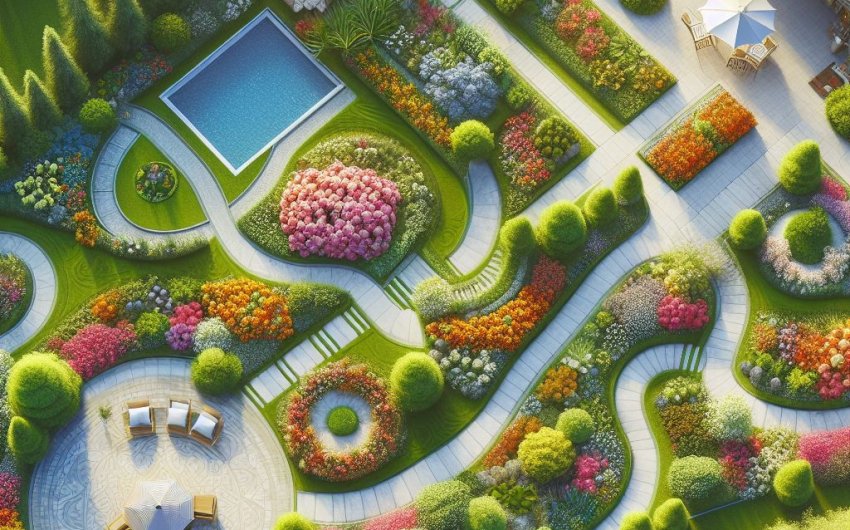
Envisioning your perfect outdoor space, whether it's a sprawling backyard retreat, a cozy patio garden, or a vibrant urban balcony, is the exciting first step toward creating your personal Eden. It’s easy to get lost in dreamy Pinterest boards and glossy magazine images, but turning those aspirations into a tangible reality requires a structured approach. This guide will walk you through the practical steps to achieving your ideal landscape, breaking down the complex process of garden design and implementation into manageable stages. From initial concept to ongoing care, we'll help you navigate the journey to a garden that not only looks beautiful but also functions perfectly for your lifestyle.
Where Do I Begin My Garden Transformation?
Before you even think about buying plants or moving soil, the most crucial phase of any successful landscape project is the initial planning and assessment. This lays the groundwork for all subsequent decisions.
What are the Initial Planning Steps for a New Garden?
A well-thought-out plan saves time, money, and prevents costly mistakes.
- Dream Big, Then Get Real: Define Your Vision and Needs:
- Brainstorm Your Desires: What do you want to do in your garden? Do you dream of a quiet reading nook, a vibrant entertaining space, a bountiful vegetable patch, or a play area for kids and pets? Make a list of all your desired functions.
- Gather Inspiration: Collect images from magazines, websites, and social media (like Pinterest or Instagram). Create a "mood board" to visualize your preferred styles, colors, and features. Look at garden design books for ideas.
- Consider Your Lifestyle: How much time and effort are you willing to put into maintenance? Are you a hands-on gardener or do you prefer low-maintenance landscapes? Your answer will influence plant choices and design complexity.
- Budget Assessment: Be realistic about how much you can spend. This will guide your choices in materials, plants, and whether you'll DIY or hire professionals. Break down potential costs for hardscaping, plants, soil, tools, and labor.
- Assess Your Site: The Lay of the Land:
- Sunlight Mapping: This is critical. Observe and map how sunlight hits your garden throughout the day, in different seasons. Note areas of full sun (6+ hours direct sun), partial sun (4-6 hours direct sun), and shade (less than 4 hours direct sun). This will determine where certain plants can thrive. A light meter for plants can help.
- Existing Features: Note everything currently in your garden: trees, shrubs, existing patios, sheds, utilities (water spigots, electrical outlets), slopes, drainage issues, and fences. Decide what to keep, remove, or work around.
- Soil Analysis: Get your soil tested. A soil testing kit can tell you your soil type (sand, clay, loam) and pH level, which greatly affects what plants will grow well. You can send samples to local university extension offices for more comprehensive results.
- Water Drainage: Observe how water drains (or pools) after rain. Poor drainage can lead to root rot and structural issues. Identify areas that need improvement.
- Wind Patterns: Note areas particularly exposed to strong winds, especially in open spaces or on rooftops. Strong winds can damage plants and make outdoor spaces uncomfortable.
- Views (Good and Bad): Identify attractive views to enhance and unattractive views (e.g., neighbor's trash cans, busy road) to screen or block.
- Microclimates: Within your garden, some areas might be warmer, cooler, wetter, or drier than others due to structures, paving, or existing trees.
- Measure and Sketch: Creating Your Base Map:
- Accurate Measurements: Measure the dimensions of your entire garden area, including the house, existing structures, and any fixed elements.
- Draw a Base Plan: On graph paper (or using a simple online tool), draw a to-scale bird's-eye view of your garden. Mark all existing features, including windows and doors. This becomes your canvas.
- Overlay Tracing Paper: Use tracing paper overlays to sketch different design ideas without altering your base map.
Designing Your Dream Garden: From Concept to Blueprint
With your initial assessment complete, it's time to start putting your ideas onto paper, creating a functional and aesthetically pleasing layout.
How Do I Design My Ideal Garden Layout?
This phase involves creative thinking combined with practical considerations for landscape design for beginners.
- Define Functional Zones: Based on your needs list, divide your garden into distinct areas or "zones."
- Entry/Transition Zone: The path from your home to the garden.
- Social/Entertainment Zone: Patio, deck, outdoor kitchen, fire pit.
- Relaxation Zone: Quiet seating, hammock.
- Utility/Service Zone: Storage, compost bins, trash cans, clothesline.
- Growing Zone: Flower beds, vegetable garden, herb garden, fruit trees.
- Play Zone: Lawn, play structure.
- Consider Hardscaping First: Hardscaping (non-living elements like patios, paths, fences, walls, pergolas) forms the "bones" of your garden.
- Patios and Decks: Decide on size, shape, and material (pavers, stone, wood, composite). Think about how they connect to your house and other zones. Find outdoor patio pavers or decking tiles.
- Pathways: Plan logical routes between zones. Materials can vary (gravel, stepping stones, flagstone).
- Retaining Walls: If you have slopes, retaining walls might be necessary for creating level planting beds or seating areas.
- Fencing and Gates: Define boundaries, provide privacy, and offer security.
- Pergolas and Arbors: Add vertical interest, provide shade, and support climbing plants.
- Develop a Planting Plan: Once your hardscaping is mapped out, layer in the plants.
- "Right Plant, Right Place": Match plants to your specific sun, soil, and climate conditions (USDA Hardiness Zone is key for perennial plants). Don't fight nature.
- Consider Size and Shape at Maturity: Research the mature size of trees, shrubs, and perennials. Don't plant something that will quickly outgrow its space.
- Texture and Form: Mix plants with different leaf shapes, sizes, and textures (e.g., fine grasses next to bold-leaved hostas). Vary plant heights to create depth.
- Color Palette: Decide on a color scheme. Will it be a riot of vibrant colors or a soothing monochromatic scheme? Consider bloom times for continuous color throughout the seasons.
- Layering: Plant taller plants at the back, medium ones in the middle, and shorter, sprawling plants at the front of beds.
- Native Plants: Incorporate native plants. They are adapted to your local climate, require less water and care, and support local wildlife.
- Evergreens vs. Deciduous: Include evergreens for year-round structure and winter interest.
- Container Plants: For flexibility and seasonal color, incorporate pots and containers. Find durable outdoor planters.
- Add Decorative Elements and Features: Integrate decor early in the design process, not as an afterthought.
- Lighting: Plan for functional (paths, steps) and ambient (accenting plants, seating areas) lighting. Consider solar garden lights for easy installation.
- Water Features: A small bird bath, pond, or garden fountain can add sound and attract wildlife.
- Garden Art: Sculptures, gazing balls, or decorative stepping stones can add personality.
- Seating: Benches, chairs, or outdoor dining sets are crucial for enjoying the space. Look for weather-resistant outdoor furniture.
- Privacy Screens: If needed, integrate screens, tall plants, or trellises to create secluded spots.
- Draw Your Master Plan: Combine all your ideas onto a final scaled drawing. This blueprint will guide your implementation. Consider breaking it into smaller phases if the project is large.
Preparing Your Site: Getting Ready for the Transformation
With a solid plan in hand, it's time to get your hands dirty and prepare the ground for your new garden. This often involves significant physical labor.
What are the Essential Steps for Site Preparation?
Proper preparation is crucial for plant health and structural stability.
- Clear the Area: Remove all unwanted existing vegetation (weeds, old shrubs, dead grass), debris, rocks, and old structures. This may involve digging, raking, or even renting equipment for larger areas.
- Rough Grading and Drainage: Address any major drainage issues. This might involve creating gentle slopes away from your house, installing French drains, or building raised beds. This is easier to do before new soil and plants are in place.
- Improve the Soil: This is one of the most impactful steps for long-term plant health.
- Amend Existing Soil: Based on your soil test results, amend your soil with organic matter. For clay soil, add compost and expanded shale to improve drainage. For sandy soil, add compost and peat moss to improve water retention.
- Raised Beds: If your existing soil is very poor or you want to control soil conditions precisely (especially for edibles), consider building raised garden beds and filling them with a high-quality blend of topsoil and compost.
- Install Irrigation (Optional but Recommended): While the ground is clear, it's the ideal time to install a drip irrigation system or sprinkler lines. This saves time and water in the long run. A drip irrigation kit can be DIY-friendly.
- Install Hardscaping: Build any patios, pathways, retaining walls, or fences now. These are heavy construction projects that are best completed before delicate plants are introduced. Lay down a landscape fabric weed barrier under paths and beds to suppress weeds.
Planting and Softscaping: Bringing Your Garden to Life
With the "bones" of your garden in place, it's time for the exciting part: bringing in the plants!
How Do I Plant and Arrange My Garden's Softscaping?
Careful planting ensures your plants establish well and thrive.
- Acquire Plants: Purchase healthy plants from reputable nurseries. Inspect them for pests or diseases before bringing them home.
- Timing is Key: Plant at the right time of year for your climate. Spring and fall are generally ideal for most regions, allowing plants to establish roots before extreme heat or cold.
- Planting Technique:
- Dig a Hole: Dig a hole twice as wide as the root ball and just as deep.
- Loosen Roots: Gently tease apart any circling roots on potted plants.
- Position: Place the plant in the hole so that the top of the root ball is level with or slightly above the surrounding soil.
- Backfill: Fill with amended soil, gently firming it around the roots to remove air pockets.
- Water Thoroughly: Water deeply immediately after planting to settle the soil.
- Install Mulch: Once planting is complete, apply a 2-4 inch layer of organic mulch (like wood chips, shredded bark, or compost) around your plants, keeping it a few inches away from stems and trunks.
- Benefits of Mulch: Suppresses weeds, retains soil moisture (reducing watering needs), insulates soil from temperature extremes, and adds nutrients as it breaks down. Find garden mulch options.
- Plant in Layers for Visual Appeal: Remember your design plan: taller plants in the back, medium in the middle, and shorter/trailing plants in the front of beds. Create drifts or groups of the same plant for a natural look.
- Add Container Plants: Place your chosen containers with colorful annuals or accent plants strategically around patios, pathways, or entryways to add instant color and versatility.
Decorating and Personalizing: The Finishing Touches
With your hardscaping and plants in place, it's time to infuse your personality into the garden with decorative elements.
What are the Best Decor Ideas for a Finished Garden?
These details make your garden feel uniquely yours and inviting.
- Strategic Lighting: Install your planned garden lighting. Use uplighting to highlight trees or architectural features, path lights for safety, and string lights or lanterns for ambiance in seating areas. Consider outdoor pathway lights.
- Comfortable Seating: Arrange your outdoor furniture to define lounge or dining areas. Add outdoor throw pillows and blankets for extra comfort and color.
- Garden Art and Ornaments: Place sculptures, gazing balls, wind chimes, bird baths, or other decorative items to add focal points and reflect your style. Ensure they are weather-resistant and securely placed.
- Water Features: Install your selected fountain or water feature. The sound of trickling water can be incredibly soothing.
- Outdoor Rugs: Define outdoor "rooms" and add warmth and texture to patios or decks with outdoor area rugs.
- Outdoor Curtains or Drapes: If you have a pergola or patio structure, hanging outdoor curtains can add a touch of elegance, provide privacy, and offer extra shade.
- Fire Features: A fire pit or outdoor fireplace can extend the usability of your garden into cooler evenings and create a cozy gathering spot. Always prioritize safety.
- Edible Accents: Integrate a few attractive edible plants into your ornamental beds, like colorful Swiss chard, bell peppers, or dwarf fruit trees.
- Vertical Gardening: Maximize space and add visual interest with hanging baskets, wall planters, or a vertical garden planter on a fence or wall.
Ongoing Care and Maintenance: Nurturing Your Garden Oasis
A garden is a living, evolving space. It requires consistent care to thrive and mature beautifully.
What Regular Maintenance Does a Garden Need?
Consistent attention ensures your garden remains healthy and vibrant for years to come.
- Watering: Even with irrigation, monitor your plants. New plants need more frequent watering to establish. Adjust watering based on weather, plant type, and season. A rain gauge helps track natural rainfall.
- Weeding: Regularly remove weeds to prevent them from competing with your plants for water and nutrients. Mulch helps significantly, but some weeds will always pop through.
- Pruning and Deadheading:
- Pruning: Remove dead, diseased, or damaged branches. Prune shrubs and trees to maintain their shape and size, and to encourage healthy growth.
- Deadheading: Remove spent flowers to encourage more blooms and prevent plants from putting energy into seed production.
- Fertilizing: Based on your soil test results and plant needs, fertilize appropriate plants during their active growing season. Follow product instructions carefully.
- Pest and Disease Management: Regularly inspect your plants for signs of pests or diseases. Address issues early with organic solutions whenever possible. A garden sprayer is useful for applying treatments.
- Mulch Replenishment: Replenish your mulch layer annually or as needed to maintain its benefits.
- Seasonal Chores:
- Spring: Clean up winter debris, prune, fertilize, and plant annuals.
- Summer: Water regularly, deadhead, prune for shape, and manage pests.
- Fall: Clean up fallen leaves, cut back perennials (if desired), plant bulbs, and apply winter mulch.
- Winter: Protect tender plants, ensure proper drainage, and enjoy the garden's dormant beauty.
- Tools: Keep your gardening tools clean and sharp for efficient work.
Achieving your ideal landscape is a journey, not a destination. It involves careful planning, dedicated effort during implementation, and ongoing care. By breaking down the process into these practical steps, you can confidently transform your outdoor space into a beautiful, functional extension of your home, a place where you can relax, entertain, and connect with nature for years to come.