
What Soil Composition Is Best for a Haworthia Plant (Haworthia spp.)?
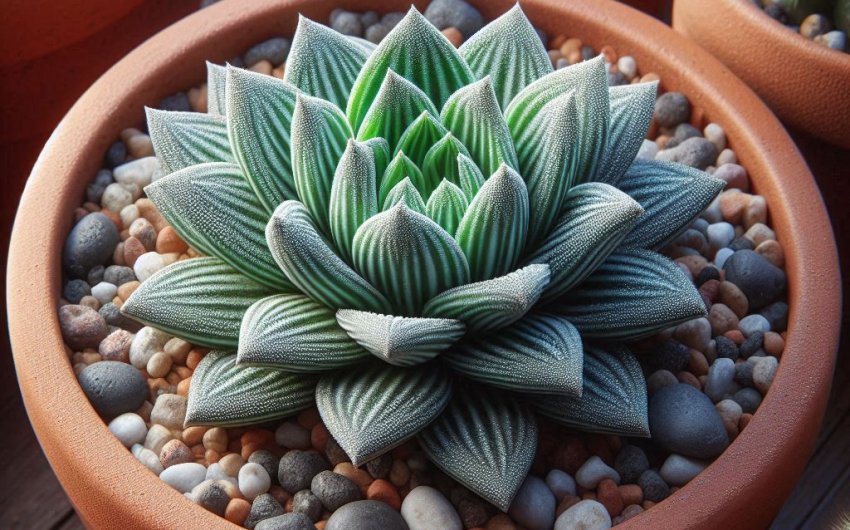
You've fallen for the charm of a Haworthia plant – those delightful, often miniature succulents with their intriguing textures, translucent "windows," or bold stripes. They're easy to care for, compact, and bring a unique touch to any indoor space. But just like a comfortable home needs the right foundation, your Haworthia needs the perfect soil composition to truly thrive.
Choosing the right soil might seem like a small detail, but for succulents like Haworthia, it's the single most important factor after light in preventing their most common killer: root rot. These desert-dwelling beauties are adapted to lean, gritty soils that drain water instantly and provide plenty of air to their roots. Planting them in dense, moisture-retentive soil is a recipe for disaster.
This guide will demystify what soil composition is best for a Haworthia plant (Haworthia spp.). We'll break down the ideal characteristics of their perfect potting mix, explain why each component matters, and give you practical tips for creating or buying the ultimate soil blend. Get ready to provide your Haworthia with the foundational support it needs for robust health and a long, happy life!
Why Soil Composition is Crucial for Haworthia (and All Succulents!)
You might think "soil is soil," but for a Haworthia plant and other succulents, the soil composition is incredibly specific and vital for their survival. Using the wrong type of soil is the most common mistake new succulent owners make, leading directly to the dreaded root rot.
1. Preventing Root Rot: The #1 Killer of Succulents
- Haworthia's Natural Habitat: Haworthia species originate from arid and semi-arid regions of Southern Africa. In their natural environment, they grow in rocky, gritty, or sandy soils that drain water almost instantly after infrequent rainfall. Their roots are adapted to pull water quickly from these fast-draining soils and then prefer to dry out quickly.
- The Danger of "Wet Feet": When planted in dense, moisture-retentive soils (like standard potting mix or garden soil), water sits around their roots for too long. Succulent roots are not designed for prolonged wetness. They need oxygen!
- Root Suffocation: Standing water in the soil deprives the roots of oxygen. This leads to the breakdown of root tissue, making them soft, mushy, and black – this is root rot.
- Plant Death: Once root rot sets in, the plant can no longer absorb water or nutrients, even though the soil is wet. The plant will eventually wilt, turn yellow, and die. It's often a silent killer because the damage happens below ground.
2. Providing Essential Aeration
- Roots Need to Breathe: Just like leaves, plant roots need to "breathe" (respire), meaning they need access to oxygen.
- Gritty Soil's Role: A gritty, coarse soil composition creates tiny air pockets throughout the mix. These air pockets ensure that oxygen is available to the roots, preventing suffocation and promoting healthy root growth.
- Compact vs. Airy: Dense soils (like garden soil) compact easily, squeezing out air and creating an anaerobic (oxygen-lacking) environment that unhealthy bacteria thrive in.
3. Preventing Salt and Mineral Buildup
- Flushing: Fast-draining soil, combined with appropriate watering, allows excess salts and minerals from tap water and fertilizers to be flushed out of the pot.
- Accumulation: In slow-draining soils, these salts and minerals can accumulate, reaching toxic levels that can "burn" delicate succulent roots or interfere with nutrient absorption.
4. Supporting Root Structure
- Anchoring: A gritty mix provides stable anchoring for the Haworthia's roots, allowing them to grow robustly and provide strong support for the plant.
5. Managing Moisture Levels
- Rapid Drying: The ideal soil composition for Haworthia promotes rapid drying between waterings. This mimics their natural habitat's conditions and prevents the constant wetness that they abhor.
- Controlled Hydration: It allows the gardener to have better control over when the plant gets water and ensures the roots have a crucial dry period.
In essence, the right soil composition is the fundamental pillar of Haworthia care. It's not just a preference; it's a critical requirement that directly addresses their specific physiological needs, ensuring they avoid the deadly trap of root rot and continue to bring their unique charm to your home.
What is the Ideal Soil Composition for Haworthia? (The Recipe for Success)
For a Haworthia plant to truly flourish, its soil composition must provide rapid drainage and excellent aeration. Forget standard potting soil; you need a special blend that mimics their arid, gritty native habitat. Here's the recipe for the ideal mix.
The "Gritty Mix" Philosophy: Drainage, Drainage, Drainage!
The core principle for Haworthia soil (and most succulents) is the "gritty mix" philosophy. This means a blend that is largely composed of inorganic, coarse particles, with very little or no traditional organic potting soil components like peat moss or coco coir.
Key Components of the Best Haworthia Soil
The ideal mix focuses on components that do not retain much moisture themselves but provide structure, drainage, and aeration.
1. Inorganic Components (The Bulk of Your Mix)
These are crucial for drainage and aeration. Aim for 70-80% of your mix to be these gritty, inorganic materials.
- Pumice:
- Description: A lightweight, porous volcanic rock.
- Why it's Great: Excellent for drainage and aeration. It absorbs some water and nutrients, slowly releasing them, but never becomes waterlogged. It's also lightweight.
- Preferred Size: 1/8 to 1/4 inch pieces. You can find pumice for plants from gardening suppliers.
- Perlite:
- Description: White, lightweight volcanic glass that is expanded by heat.
- Why it's Great: Creates excellent air pockets and improves drainage. It does not absorb water itself, but its irregular shape prevents compaction.
- Why it's a Good Substitute (If No Pumice): Often easier to find than pumice.
- Preferred Size: Standard horticultural perlite. A bag of perlite is a common amendment.
- Coarse Sand (Horticultural Grade):
- Description: Sharp, gritty sand, larger than play sand or builder's sand.
- Why it's Great: Provides excellent drainage and weight.
- Important: Never use fine play sand or builder's sand! These fine sands can actually compact and hinder drainage, which is the opposite of what you want.
- Gritty Horticultural Grit / Fine Gravel:
- Description: Small, crushed rock particles, often granite or lava rock, specifically sized for horticulture.
- Why it's Great: Provides excellent drainage and aeration. Adds weight for stability in pots.
- Crushed Lava Rock / Scoria:
- Description: Porous, lightweight volcanic rock. Similar properties to pumice.
- Why it's Great: Good drainage, aeration, and stable structure.
2. Organic Components (A Small, Controlled Amount)
These provide some moisture retention, nutrients, and a place for roots to anchor, but should only be a small part. Aim for 20-30% of your mix.
- Coir (Coconut Fiber):
- Description: Fibrous material from coconut husks.
- Why it's Great: A more sustainable alternative to peat moss. It offers some moisture retention but drains relatively well and is very airy.
- Coarse Peat Moss:
- Description: Decomposed sphagnum moss.
- Why it's Great: Retains moisture and provides some nutrients. Use coarse grades, not fine.
- Compost (Well-Drained/Gritty):
- Description: Well-rotted organic matter.
- Why it's Great: Provides nutrients. Ensure it's a well-drained, mature compost. Use sparingly.
- Orchid Bark (Small Chips):
- Description: Small pieces of bark.
- Why it's Great: Adds aeration and some organic matter that decomposes slowly.
Example Haworthia Soil Recipes (Mix Your Own!)
Here are a few popular recipes you can try, adjusting based on what materials are available to you:
- Simple Mix:
- 1 part Cactus and Succulent Potting Mix (pre-made)
- 1 part Perlite or Pumice
- DIY Gritty Mix (More Advanced):
- 2 parts Pumice (or Perlite if pumice unavailable)
- 1 part Horticultural Grit or Coarse Sand
- 1 part Coco Coir or Coarse Peat Moss
- Al's Gritty Mix Variation (Very Gritty):
- 1 part Pumice
- 1 part Turface (calcined clay, another inorganic component)
- 1 part Pine Bark Fines (small, aged bark pieces)
- (Note: Turface and Pine Bark Fines can be harder for beginners to source but are excellent).
Key Takeaway: The goal is a mix that feels very coarse and gritty in your hand, allows water to drain instantly (literally within seconds), and doesn't clump or retain excessive moisture. This soil composition is paramount for a happy, rot-free Haworthia plant.
What to Avoid in Haworthia Soil (The Danger Zone)
Just as important as knowing what soil composition is best for a Haworthia plant, is knowing what materials to absolutely avoid. Using the wrong components can quickly lead to disaster, primarily the dreaded root rot.
1. Standard Potting Mix / All-Purpose Potting Soil
- Why to Avoid: This is the most common mistake. Standard potting mixes are designed for common houseplants (like ferns, Pothos, or Peace Lilies) that prefer consistently moist soil.
- High in Peat Moss/Coco Coir: They typically contain a high percentage of peat moss, coco coir, or other fine organic materials.
- Moisture Retention: These components are excellent at retaining moisture, which is precisely what a Haworthia doesn't want.
- Compaction: They can easily compact in a pot, leading to poor aeration and standing water around succulent roots.
- The Result: Planting a Haworthia directly into standard potting mix is almost guaranteed to cause root rot over time, especially if you water with normal houseplant frequency.
2. Garden Soil / Topsoil
- Why to Avoid: Never use soil dug from your garden for potted plants, especially succulents.
- Too Dense: Garden soil is heavy and dense. It compacts severely in a pot, suffocating roots and preventing drainage.
- Pests and Diseases: It can introduce pests (bugs, larvae) and diseases (fungal spores, bacteria) into your indoor environment.
- Weed Seeds: It will likely contain dormant weed seeds that will sprout in your pot.
- The Result: Extremely poor drainage, severe compaction, and high risk of root rot and other problems.
3. Fine Sand (Play Sand, Builder's Sand)
- Why to Avoid: This is another common mistake. While sand is gritty, fine sand is the wrong kind of grit.
- Compaction: When fine sand is mixed with organic material and watered, it actually fills in the air gaps between larger particles, leading to severe compaction and poor drainage. It turns into something resembling concrete!
- Suffocation: This tightly packed mix suffocates roots and traps moisture.
- The Result: Rapid root rot. Only use coarse, horticultural-grade sand if you're going to use sand at all.
4. Moisture-Retentive Gels or Crystals
- Why to Avoid: Some potting mixes contain moisture-retentive gels or crystals (often called "water-storing crystals"). These are designed to hold onto water for extended periods.
- The Result: These are the enemy of Haworthia and other succulents, as they ensure the soil stays wet for far too long, leading to root rot.
5. Fertilizers (Especially High Nitrogen) Mixed In Excess
- Why to Avoid: While some general-purpose potting mixes come with a bit of fertilizer, avoid adding large amounts of extra fertilizer, especially high-nitrogen types, directly into your Haworthia's potting mix.
- Root Burn: Succulent roots are sensitive and can be easily "burned" by concentrated fertilizer salts.
- Leggy Growth: High nitrogen promotes lush, rapid foliage growth, which can make succulents grow leggy and less compact, especially without ample light.
- The Result: Root damage and unhealthy, stretched growth. Fertilize very sparingly only during the active growing season, and always with a diluted, balanced succulent-specific fertilizer.
By strictly avoiding these problematic components, you're setting your Haworthia plant up for success. Remember, for succulents, when it comes to soil composition, faster drainage and more air are always better than more moisture retention.
DIY vs. Store-Bought: Getting the Right Haworthia Soil
You know what soil composition is best for a Haworthia plant, but now the question is: should you mix your own, or can you buy a ready-made option? Both routes have their pros and cons, and the best choice depends on your budget, convenience, and desire for customization.
Option 1: Buying a Ready-Made Succulent/Cactus Mix
- What it is: Many gardening brands offer pre-mixed "Cactus, Succulent, and Palm" potting mixes. These are typically designed to be faster draining than standard potting soil.
- Pros:
- Convenience: Just open the bag and use it. No measuring or mixing needed.
- Widely Available: Easy to find at garden centers, nurseries, and online.
- Good Starting Point: Often better than standard potting mix for succulents.
- Cons:
- Varying Quality: The quality and grittiness can vary widely between brands. Some commercial mixes are still too organic and moisture-retentive for a Haworthia (especially if they look dark and rich, like regular potting soil).
- Still May Need Amending: Even a "succulent mix" might benefit from extra inorganic grit for a truly fast-draining environment ideal for Haworthia.
- How to Choose a Good One:
- Read the Ingredients: Look for mixes that explicitly list components like pumice, perlite, coarse sand, or bark alongside peat moss or coco coir.
- Feel the Mix: If possible, feel the mix in the bag. It should feel chunky and gritty, not fine and spongy.
- Recommendation: If using a store-bought cactus and succulent potting mix, it's highly recommended to amend it with additional perlite or pumice. A common ratio is 1 part store-bought mix to 1 part perlite/pumice. This guarantees the extra drainage your Haworthia needs.
Option 2: Mixing Your Own Haworthia Soil (The Best Option for Control)
- What it is: Purchasing individual components (pumice, perlite, horticultural grit, coco coir, etc.) and blending them yourself.
- Pros:
- Optimal Control: You have complete control over the ratio and quality of each component, allowing you to create the perfect mix tailored to your Haworthia's needs and your specific watering habits.
- Customization: You can adjust the mix for different succulents if desired (e.g., more organic for a thirsty string of pearls, even grittier for a rare cactus).
- Cost-Effective (Long Term): While initial outlay for components might seem higher, buying in bulk can be cheaper per plant in the long run.
- Cons:
- Initial Effort: Requires sourcing individual components and mixing them.
- Storage: You'll have bags of different materials to store.
- Initial Learning Curve: Requires understanding the purpose of each component.
- Where to Buy Components:
- Perlite/Pumice/Vermiculite: Widely available at garden centers, nurseries, or online. Look for pumice for plants.
- Coco Coir: Sold in compressed bricks or loose bags.
- Horticultural Grit/Lava Rock: Can sometimes be found at nurseries, landscape supply stores, or online specialty stores.
- Pine Bark Fines: Often sold as orchid bark or soil conditioner.
- Recommendation: If you plan on having more than a few succulents, mixing your own is highly recommended. It gives you the best results and a deeper understanding of soil science.
The Verdict: Amend, Amend, Amend!
Whether you buy or DIY, the key message for Haworthia soil is to prioritize drainage and aeration. If you buy a pre-made mix, assume you'll need to amend it. If you mix your own, ensure it's overwhelmingly inorganic and gritty. Your Haworthia plant will thank you with robust health and freedom from the constant threat of root rot!
Repotting Your Haworthia and Soil Management Tips
Once you've got the perfect soil composition for your Haworthia plant, knowing when and how to repot it, along with other general soil management tips, will ensure its long-term health and vitality.
When to Repot Your Haworthia
Haworthias are relatively slow growers and prefer to be a little bit "pot-bound" (roots filling the pot but not circling excessively). They don't need frequent repotting.
- Signs it's Time to Repot:
- Roots Coming Out of Drainage Holes: This is the clearest sign.
- Stunted Growth: If the plant's growth has completely stalled for a long period, even with proper watering and light.
- Pot-Bound (Excessively): When you remove the plant from its pot, the roots are a dense, circling mass with very little soil left.
- To Divide Pups: If your Haworthia has produced many offsets ("pups") and you want to separate them to create new plants or reduce overcrowding.
- Frequency: Generally, a Haworthia only needs repotting every 2-3 years, or even less frequently for very slow-growing varieties.
How to Repot Your Haworthia
- Choose the Right Pot Size: Go up only one pot size (1-2 inches larger in diameter). Never put a small Haworthia into a huge pot, as this increases the risk of overwatering and root rot due to excess soil moisture. Ensure the new pot has drainage holes! Terracotta pots are excellent for Haworthias because they are porous and allow excess moisture to evaporate through the pot walls. A small terracotta pot is often ideal.
- Gather Your Materials: Your new pot, fresh ideal Haworthia soil mix, and a garden trowel or small scoop.
- Remove from Old Pot: Gently squeeze the sides of the old pot. Tip the plant sideways, supporting the plant by its base (not the leaves), and carefully slide it out.
- Inspect and Prepare Roots:
- Gently brush off as much old soil as possible from the root ball, being careful not to damage the roots unnecessarily.
- If the roots are tightly circling, gently tease them apart with your fingers to encourage outward growth in the new pot.
- Trim away any dead, mushy, or rotted roots with clean snips.
- Planting:
- Add a layer of your fresh Haworthia soil mix to the bottom of the new pot.
- Center the Haworthia in the new pot, ensuring the base of the plant is at the same level as (or slightly below) the rim of the pot.
- Fill around the roots with more fresh mix, gently firming it down to ensure good contact. Don't compact too tightly. Leave about 1/2 inch to 1 inch of space from the soil surface to the rim for watering.
- Post-Repotting Watering: Do not water immediately after repotting. Wait for 3-7 days before the first watering. This allows any disturbed or damaged roots to heal and reduces the risk of root rot. After the waiting period, water thoroughly until it drains from the bottom.
General Soil Management Tips
- Always Use Pots with Drainage Holes: This is non-negotiable. If a decorative pot doesn't have holes, use the "pot-in-pot" method (plant in a nursery pot with holes, then place it inside the decorative pot).
- Avoid Over-Fertilizing: Haworthias are not heavy feeders. Over-fertilizing can damage roots and lead to leggy, unnatural growth.
- Frequency: Fertilize very sparingly, only during their active growing season (typically spring and summer).
- Type: Use a balanced, diluted succulent fertilizer (e.g., 1/4 to 1/2 strength).
- Top-Dressing (Optional): You can add a thin layer of decorative gravel or small pebbles on top of the soil. This can look aesthetically pleasing and help reduce splash-back of soil during watering, but it doesn't improve drainage (which is determined by the main soil mix).
- Monitor Soil Moisture: Always check the soil moisture before watering. Don't just water on a schedule. The ideal soil composition for Haworthia will mean it dries out much faster than a standard houseplant, allowing you to establish a routine that matches your specific environment.
By combining the ideal soil composition with proper repotting and ongoing soil management, your Haworthia plant will have the strong, well-aerated foundation it needs to thrive, providing you with its unique beauty for many years to come.