
How Do I Care for a String of Dolphins (Senecio peregrinus) to Maximize Growth?
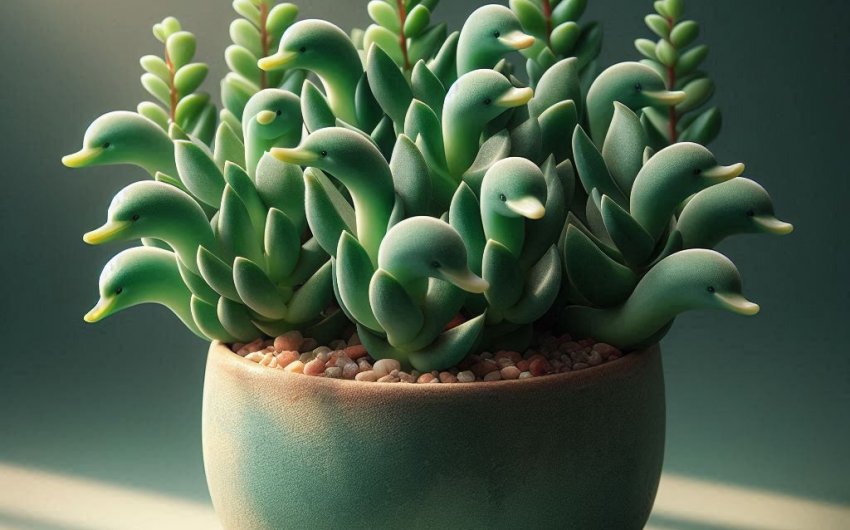
You've probably marveled at its whimsical charm: delicate green strands adorned with tiny, perfectly curved leaves that truly resemble miniature leaping dolphins. The String of Dolphins (Senecio peregrinus) is a unique and highly sought-after succulent, celebrated for its playful appearance and cascading growth habit. It's a favorite for hanging baskets, shelves, or anywhere its delightful "dolphins" can gracefully trail.
While its beauty is captivating, mastering how to care for a String of Dolphins to maximize growth involves understanding its specific needs as a succulent. Providing optimal conditions for light, water, and soil will transform it from merely surviving to truly flourishing, creating a lush, flowing cascade of whimsical greenery that delights all who see it. It's about nurturing its distinct requirements to achieve that coveted "waterfall of dolphins" effect.
What Makes String of Dolphins So Unique and Popular?
The String of Dolphins has quickly leaped to the top of many plant enthusiasts' wish lists, earning its widespread popularity for reasons beyond just being another green plant. Its very name hints at the charm that sets it apart, making it a unique and captivating addition to any plant collection.
Understanding what makes this succulent so special highlights why it's worth learning how to care for it properly to maximize growth and enjoy its whimsical beauty.
Whimsical Leaf Shape (Resembling Dolphins)
The most striking and undeniable feature that makes the String of Dolphins so unique and popular is its whimsical leaf shape resembling miniature leaping dolphins. This delightful resemblance immediately captures attention and imagination.
- Distinctive Form: Each small, plump, green leaf is perfectly curved and pointed, creating an uncanny likeness to a tiny dolphin in mid-leap. This natural artistry is rarely seen in other plants.
- Playful Aesthetic: The cascading strands of these "dolphins" create a playful and charming aesthetic, bringing a sense of lightness and joy to any space. It's a plant that sparks conversation and brings a smile.
- Visual Interest: The unique shape provides constant visual interest, especially when the plant is viewed from a hanging basket where the "dolphins" can truly "swim" downwards.
- Conversation Starter: Its peculiar form makes it an instant conversation starter, inviting closer inspection and admiration.
- Photogenic: Its unique appearance makes it incredibly photogenic, leading to its widespread popularity on social media platforms for plant lovers.
The whimsical leaf shape resembling dolphins is the primary allure of the String of Dolphins, transforming a simple succulent into a captivating piece of living art.
Trailing Growth Habit (Ideal for Hanging Baskets)
Beyond its individual leaf shape, the String of Dolphins' trailing growth habit is another significant factor in its popularity, making it ideal for hanging baskets and elevated displays.
- Cascading Beauty: As the plant matures, its slender stems grow longer, creating elegant cascades of foliage that spill over the sides of containers. This creates a lush, waterfall-like effect.
- Perfect for Hanging Baskets: This natural trailing makes it the perfect candidate for hanging planters for houseplants, allowing its unique "dolphin" leaves to be viewed from all angles.
- Elevated Displays: It thrives when placed on high shelves, mantels, or in macrame hangers, where its long vines can drape gracefully without obstruction.
- Adds Vertical Interest: In indoor spaces, it adds crucial vertical interest, drawing the eye upwards and adding depth to your plant collection or decor.
- Space-Saving: For those with limited horizontal surface space, a hanging or elevated plant like the String of Dolphins is an excellent way to add greenery without taking up valuable table or floor space.
- Versatile Styling: Its vining nature allows for versatile styling – let it trail freely, or gently guide it to wrap around shelves or decorative elements.
The trailing growth habit of the String of Dolphins capitalizes on its unique leaf shape, showcasing its beauty from every angle and making it a dynamic and space-efficient addition to any plant collection.
Succulent Nature (Drought Tolerant)
Despite its delicate appearance, the String of Dolphins is a succulent, and its succulent nature makes it naturally drought tolerant. This forgiving characteristic is a major reason for its appeal, especially for those new to plant care or with busy lifestyles.
- Water Storage: Like other succulents, the String of Dolphins stores water within its fleshy leaves and stems. This internal reservoir allows it to go for longer periods without watering compared to non-succulent plants.
- Forbidding of Underwatering: It’s quite tolerant of occasional underwatering. Its leaves might slightly deflate or look less plump when thirsty, but they usually rehydrate quickly after a good drink, making it easy to know when to water.
- Prevents Overwatering (Less Common Mistake): While it is drought tolerant, it is very susceptible to overwatering (which leads to root rot). Its succulent nature means you water less frequently than many other houseplants, a key distinction to learn for new plant parents.
- Low Maintenance: Its drought tolerance translates directly to low maintenance requirements for watering, making it a great choice for those who travel frequently or tend to forget to water.
- Resilience: Its ability to store water makes it more resilient to temporary periods of neglect or fluctuating watering schedules.
The succulent nature of the String of Dolphins offers a forgiving and low-maintenance experience, making it a wonderful choice for beginners and those who appreciate its resilience.
Relatively Easy to Propagate
Adding to its popularity, the String of Dolphins is relatively easy to propagate, making it simple to expand your collection, share with friends, or revitalize a sparse plant.
- Stem Cuttings: This is the most common and effective method. String of Dolphins readily roots from stem cuttings taken from healthy vines.
- How to Take Cuttings: Use clean, sharp pruning shears or scissors. Cut a section of healthy vine that is a few inches long and has several "dolphins" attached. Remove any lower leaves that would be submerged in water.
- Callus First: It's often recommended to let the cut end of the cutting callus (dry and form a scab) for 1-2 days before placing it in water or soil. This helps prevent rot.
- Water Propagation: Place the callused cutting in a glass of water, ensuring a few nodes (the small bumps where leaves attach) are submerged. Roots will typically form within a few weeks.
- Soil Propagation: Plant the callused cutting directly into a well-draining succulent potting mix. Keep the soil slightly moist until roots form.
- Benefits:
- Expand Your Collection: Easily create more String of Dolphins plants for yourself without buying new ones.
- Share with Friends: They make fantastic, unique gifts that are sure to be cherished.
- Bushier Plants: Taking cuttings encourages the parent plant to branch out and become bushier, especially if you prune longer, leggy strands.
- Cost-Effective: Free plants!
The ease of propagation adds another layer of enjoyment and practicality to owning a String of Dolphins, allowing you to continuously expand your indoor garden oasis.
How to Care for Your String of Dolphins to Maximize Growth?
While the String of Dolphins is forgiving, understanding how to care for your String of Dolphins to maximize growth involves providing optimal conditions for light, water, soil, and nutrition. Nurturing these specific needs will transform your plant into a lush, cascading beauty.
It’s about balancing its succulent nature with its desire for vibrant growth.
1. Providing the Right Light (Bright, Indirect Sun)
Providing the right light is paramount for the String of Dolphins to maximize growth and maintain its unique leaf shape. It thrives in bright, indirect sun.
- Ideal Conditions: Bright, Indirect Sun:
- What it means: A spot near a south or west-facing window where it receives bright, filtered light throughout the day, or a very bright east-facing window that gets gentle morning sun.
- Benefits: In bright, indirect sun, the String of Dolphins will grow vigorously, producing plump, vibrantly colored "dolphins" and long, trailing stems. It encourages compact growth rather than legginess.
- Tolerant of Some Direct Sun (with Caution):
- Gentle Morning Sun: A few hours of gentle morning sun (east-facing window) can be beneficial, encouraging compact growth and vibrant color.
- Avoid Harsh Afternoon Sun: Intense, direct afternoon sun, especially through a window, can scorch the delicate leaves, causing brown, crispy spots or a bleached appearance.
- Signs of Incorrect Light:
- Too Little Light:
- Leggy Growth: Stems will stretch out with long gaps between leaves.
- Small, Flat Leaves: "Dolphins" may lose their plumpness and iconic curved shape, appearing flatter and smaller.
- Slow Growth: Overall growth will be significantly reduced.
- Too Much Direct Sun:
- Sunburn: Brown, crispy spots or bleached patches on leaves.
- Reddish/Stressed Hues: While some succulents stress to nice colors, extreme reddish hues can mean too much sun/heat.
- Too Little Light:
- Placement Strategy:
- Hang it in a bright spot where it receives plenty of ambient light.
- Rotate the plant periodically to ensure all sides receive even light exposure.
Providing the right light ensures your String of Dolphins maintains its charming form and actively grows, making it a standout in your indoor garden oasis.
2. Watering Correctly (The "Wrinkle Test")
Watering correctly is the most crucial aspect of String of Dolphins care, as overwatering is its number one killer, leading to root rot. The best method is to use the "wrinkle test" as your guide.
- The "Wrinkle Test" (Allow Soil to Dry Completely):
- Observe Leaves: Instead of just checking the soil, look at the "dolphins" themselves. When the plant needs water, the plump leaves will start to look slightly less full, a bit softer, and may develop subtle wrinkles or dimples on their sides.
- Finger Test (Confirm): Once you see the slight wrinkling, then check the potting mix. Stick your finger 2-3 inches deep into the soil. It should feel completely dry. If the pot feels very lightweight, that's another sign.
- Why it's Crucial: This method ensures the plant has utilized its stored water and the soil has dried out thoroughly, preventing overwatering and protecting against root rot.
- How to Water Thoroughly (When Needed):
- Drench Until Drain: When you do water, water deeply and thoroughly until you see water draining out of the bottom of the pot. This fully rehydrates the plant.
- Bottom Watering (Recommended): Place the potted plant in a sink or tub with 2-4 inches of room-temperature water. Let it soak for 30 minutes to an hour, allowing water to wick up from the drainage holes and saturate the entire root ball. This is excellent for rehydrating very dry soil.
- Empty Saucers: Never let the pot sit in standing water in its saucer. Discard any excess water promptly.
- Signs of Incorrect Watering:
- Underwatering: Wrinkled, deflated, or crispy leaves. Soil bone dry. (Easily fixed).
- Overwatering/Root Rot: Mushy, translucent (almost see-through) leaves that drop easily, shriveled or blackened stems, and a foul smell from the soil. The pot will feel heavy and the soil perpetually wet. (Harder to fix, often fatal).
Mastering watering correctly by waiting for the "wrinkle test" is the key to preventing root rot and ensuring your String of Dolphins thrives.
3. Ideal Soil and Potting (Sharp Drainage)
Ideal soil and potting are fundamental for the String of Dolphins, emphasizing sharp drainage to prevent root rot.
- Potting Mix:
- Succulent/Cactus Mix: Use a specialized succulent and cactus potting mix. These mixes are formulated to drain extremely quickly and provide excellent aeration.
- Amend Standard Mix: If you only have regular potting mix, amend it significantly by adding 50% or more inorganic grit like perlite, pumice, coarse sand, or small gravel. A bag of horticultural perlite is a good amendment.
- Pot Material:
- Terracotta/Unglazed Clay: Highly recommended. These pots are porous and allow excess moisture to evaporate through the pot walls, helping the soil dry out faster between waterings. This reduces the risk of overwatering. A classic terracotta plant pot is an excellent choice.
- Plastic: Retains moisture longer. If using plastic, be extra vigilant with watering.
- Pot Size:
- Not Too Large: Do not pot a small String of Dolphins into an overly large pot. Too much soil will stay wet for too long, leading to root rot. Repot only when it is root-bound into a pot that is only 1-2 inches larger in diameter.
- Shallow Pots/Hanging Baskets: As a trailing plant, it benefits from wider, shallower pots or hanging baskets where its roots won't sit in excessively deep, moist soil.
- Drainage Holes: Absolutely essential! The pot must have ample drainage holes at the bottom to allow all excess water to escape freely. Never use a pot without them.
Ideal soil and potting with sharp drainage are non-negotiable for the String of Dolphins, ensuring a healthy root system and preventing its most common demise.
4. Humidity and Temperature (Average Room Conditions)
The String of Dolphins is quite adaptable to average household humidity and temperature conditions, making it relatively easy to care for in most homes.
- Temperature:
- Ideal Range: Thrives in typical room temperatures, generally between 65-80°F (18-27°C).
- Avoid Extremes: Protect it from cold drafts (below 50°F or 10°C), especially in winter near windows or doors. Avoid placing it near hot heating vents.
- Humidity:
- Average Room Humidity: It generally tolerates average indoor humidity levels well. Unlike some tropical plants, it doesn't require high humidity.
- Avoid Excess Misting: Avoid frequent misting, as excess moisture on the leaves, especially if airflow is poor, can encourage fungal issues. Since it's a succulent, it's not adapted for high humidity on its foliage.
- Air Circulation: While it tolerates average humidity, good air circulation around the plant is always beneficial. It helps dry out surfaces and reduces any stagnant, humid microclimates that could contribute to problems.
Humidity and temperature control for the String of Dolphins is less about adding moisture and more about avoiding extremes, ensuring it remains comfortable in average household conditions.
5. Fertilizing (Minimal and Diluted)
Like most succulents, the String of Dolphins has minimal fertilizing needs. It thrives in lean soil and can easily be damaged by over-fertilizing. The rule is minimal and diluted.
- Frequency:
- Growing Season Only: Only fertilize during its active growing season (spring and summer).
- Infrequent: Apply fertilizer very sparingly, typically once a month or even once every two months during the growing season.
- No Winter Fertilizing: Do not fertilize in fall and winter when growth naturally slows down.
- Type of Fertilizer:
- Balanced Liquid Succulent/Cactus Fertilizer: Use a specialized liquid succulent and cactus fertilizer with a low N-P-K ratio.
- All-Purpose Fertilizer (Highly Diluted): If you only have a general liquid houseplant fertilizer, dilute it to quarter strength (1/4 of the recommended amount on the package).
- Application (Crucial!):
- On Moist Soil: Always fertilize a plant that has recently been watered, never on bone-dry soil. Applying fertilizer to dry roots can cause severe fertilizer burn.
- Evenly Distributed: Apply the diluted liquid fertilizer evenly around the potting mix.
- Signs of Over-Fertilizing:
- Crispy Brown Leaf Tips/Edges: Classic symptom of fertilizer burn.
- White Crust: Build-up of white salts on the soil surface or pot rim.
- Stunted Growth: Paradoxically, over-fertilizing can inhibit growth.
- What to Do if Over-Fertilized: Flush the soil thoroughly by running plain water through the pot for several minutes to leach out excess salts.
Minimal and diluted fertilizing provides just enough nutrients to maximize growth without overwhelming or burning the delicate String of Dolphins.
Troubleshooting Common String of Dolphins Problems
Even with the right care, you might encounter some issues with your String of Dolphins. Knowing how to troubleshoot common String of Dolphins problems allows you to quickly diagnose and correct them, ensuring your plant remains a thriving cascade of whimsical greenery.
Most problems stem from watering or light issues, emphasizing the importance of those essential care tips.
1. Mushy, Translucent, or Dropping Leaves/Stems
This is the most serious and common problem, almost always indicating overwatering and root rot.
- Symptoms: Leaves turn soft, squishy, and almost see-through. They may also turn yellow or black. Stems become soft and mushy, and may break easily. Leaves may drop off with a gentle touch. A foul, rotten smell may come from the soil.
- Why it Happens: The potting mix is staying wet too long, suffocating roots from lack of oxygen, leading to root rot caused by fungi or bacteria.
- Solution (Urgent!):
- Stop Watering: Immediately stop watering.
- Unpot and Inspect: Carefully remove the plant from its pot. Gently shake off soggy potting mix.
- Trim Rotten Roots: Use clean, sharp scissors to cut away all brown, black, or mushy roots. Cut back to healthy, firm, white root tissue.
- Trim Affected Stems: Cut back any mushy or blackened stems to healthy tissue.
- Let Callus: If extensive root or stem cutting was done, let the plant (or cuttings) callus for 1-2 days before repotting.
- Repot: Repot into a clean pot (sterilize old one with 10% bleach solution) with entirely fresh, well-draining succulent/cactus potting mix.
- Water Sparingly: Do NOT water immediately. Wait several days to a week after repotting, then water very lightly. Wait for the "wrinkle test" before future waterings.
- Patience: Recovery can take time. Discard severely rotted plants.
Mushy, translucent, or dropping leaves/stems are a dire warning of overwatering; quick action is crucial.
2. Wrinkled, Shriveling, or Crispy Leaves
These symptoms indicate underwatering or sometimes extreme heat stress.
- Symptoms: Leaves lose their plumpness, become noticeably wrinkled, shrivel, or may eventually turn brown and crispy. The entire plant may appear wilted.
- Why it Happens: Insufficient water. The plant has used up its stored water and is becoming dehydrated.
- Solution:
- Thorough Watering: Water thoroughly immediately using the bottom watering method (soak for 30-60 minutes) to ensure the entire root ball is rehydrated.
- Monitor: The leaves should plump back up within a few hours to a day.
- Adjust Future Watering: Adjust your watering routine to be more consistent. Check for the subtle wrinkling or deflating of the "dolphins" as your sign to water.
- If Crispy/Brown from Sun: If accompanied by signs of sunburn (bleached spots), move the plant to a less intense light spot after watering.
Wrinkled, shriveling, or crispy leaves are a clear cry for water from your String of Dolphins, and often easily fixed.
3. Leggy Growth and Flat Leaves
Leggy growth and flat leaves are symptoms that your String of Dolphins is not receiving enough light.
- Symptoms: Stems become long and stretched out with significant gaps between leaves. The "dolphins" themselves may lose their plump, curved shape, appearing flatter and smaller. Overall growth slows.
- Why it Happens: The plant is "etiolating" – stretching desperately towards a light source to maximize photosynthesis.
- Solution:
- Increase Light: Move the plant to a location with bright, indirect sun. This is the most crucial step.
- Pruning: Prune back the leggy sections of the stems. Cut just above a node where you want new, bushier growth to emerge.
- Propagate Cuttings: Use the pruned leggy sections as cuttings to propagate new plants. Once rooted, plant them back into the main pot to create a fuller-looking plant.
- Prevention: Ensure your String of Dolphins is always in a spot with adequate bright, indirect sun. Rotate the plant regularly to encourage even growth.
Leggy growth and flat leaves indicate your String of Dolphins is starved for light, requiring adjustment and pruning for optimal form.
4. Pests (Aphids, Mealybugs, Spider Mites)
While generally resilient, String of Dolphins can occasionally be affected by common succulent pests like aphids, mealybugs, or spider mites.
- Symptoms & Identification:
- Aphids: Small, pear-shaped insects often clustered on new growth or tender stems. May leave sticky honeydew.
- Mealybugs: White, cottony masses in leaf axils or where stems meet the pot.
- Spider Mites: Tiny (almost invisible), cause fine stippling on leaves and may create delicate webbing between leaves or stems.
- General Signs: Sticky residue, distorted new growth, yellowing, or overall decline.
- Treatment (Non-Chemical First):
- Isolation: Immediately isolate the affected plant.
- Wipe/Rinse: For light infestations, wipe pests off with a damp cloth or cotton swab dipped in rubbing alcohol. A gentle rinse under a shower can dislodge aphids and spider mites.
- Insecticidal Soap/Neem Oil: Mix insecticidal soap spray or neem oil spray according to directions. Spray thoroughly, coating all plant surfaces. Repeat every 5-7 days for several weeks. Test on a small area first.
- Prevention: Inspect new plants carefully before bringing them home. Monitor your String of Dolphins regularly. Healthy plants are more resilient to pests.
Pest infestations require diligent inspection and consistent treatment to protect your String of Dolphins and maintain its growth.