
What Techniques Can I Use to Propagate a Jade Plant (Crassula ovata)?
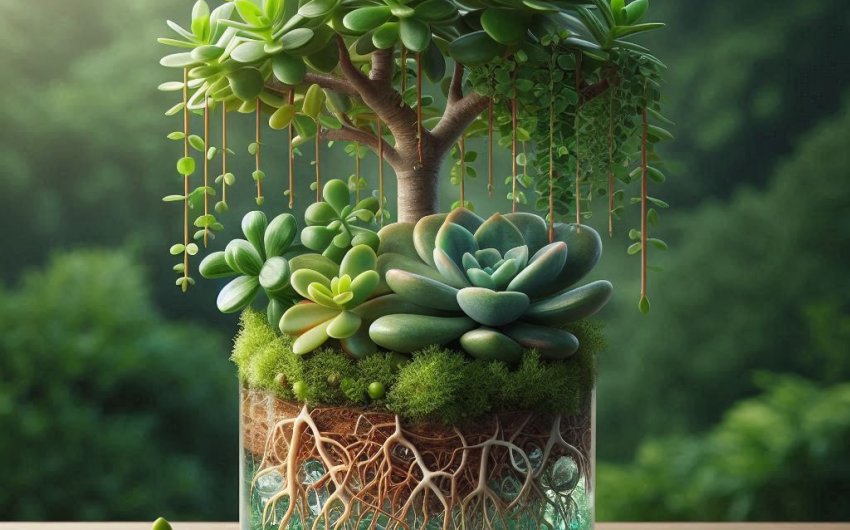
There's a unique satisfaction in taking a small piece of an existing plant and coaxing it into an entirely new, vibrant specimen. For many plant enthusiasts, this process, known as propagation, is as rewarding as watching the original plant grow. Among the vast world of houseplants, the Jade Plant (Crassula ovata) stands out as an exceptionally easy and forgiving subject for this botanical magic. Its succulent nature, designed for survival in harsh environments, also makes it remarkably adept at regenerating from cuttings, turning a single plant into a multitude.
Whether you're looking to expand your own indoor jungle, create thoughtful living gifts for friends, or simply rejuvenate an aging plant, understanding the techniques to propagate a jade plant opens up a world of possibilities. You don't need a greenhouse or specialized equipment; often, just a bit of patience and a few simple steps are all it takes. From a tiny leaf to a substantial stem cutting, the jade plant readily shares its vitality, making it one of the most gratifying subjects for propagation. Let's delve into the various methods that will help you multiply your jade collection and share its enduring charm.
Why Propagate a Jade Plant? The Benefits of Multiplication
Propagating a jade plant isn't just a fun gardening experiment; it offers a multitude of practical and rewarding benefits. From expanding your collection to sharing the joy of gardening, there are many compelling reasons to multiply your Crassula ovata.
What Are the Key Advantages of Propagating Jade Plants?
Propagating jade plants offers several significant key advantages, making it a highly rewarding activity for any plant enthusiast.
- Cost-Effective Expansion: Instead of buying new plants, propagation allows you to expand your collection for free. You can fill your home with jade plants, create living screens, or simply have more green companions without spending a dime.
- Creating Gifts: A propagated jade plant makes a thoughtful, personalized, and enduring gift for friends, family, or colleagues. Its symbolism of good luck and prosperity adds to its appeal as a present.
- Rejuvenating Older Plants: As jade plants age, they can sometimes become leggy or a bit scraggly. Taking cuttings and propagating new plants allows you to rejuvenate your existing plant by starting fresh, while also giving the parent plant a chance to produce bushier new growth from the pruning points.
- Saving a Struggling Plant: If your jade plant is suffering from root rot or stem rot, you can often save it by taking healthy cuttings from unaffected parts of the plant and propagating them, essentially giving the plant a second chance.
- Learning Opportunity: Propagation is a fantastic way to learn about plant biology and horticultural techniques. It's a hands-on experience that builds confidence and understanding of plant growth cycles.
- Unique Specimens: You can shape and train young jade plants from a very early stage, creating unique bonsai-like specimens or specific forms that would be difficult to find commercially.
These advantages highlight why propagating jade plants is such a popular and beneficial practice for both the plants and the gardener.
Can You Save a Dying Jade Plant Through Propagation?
Yes, in many cases, you can save a dying jade plant through propagation, especially if the problem is localized to the roots or lower stem, such as root rot caused by overwatering.
- Identify Healthy Sections: First, carefully inspect your struggling jade plant. Look for any parts of the plant – stem sections or individual leaves – that still appear firm, plump, and healthy (not mushy, black, or shriveled).
- Take Cuttings: Using clean, sharp pruning shears or a knife, take cuttings from these healthy sections. Ensure the stem cuttings are at least 3-4 inches long and have a few leaves. For leaf propagation, select a plump, healthy leaf that pulls off cleanly from the stem.
- Callus: This step is crucial for saving a struggling plant. Allow the cut ends of your stem or leaf cuttings to callus over in a dry, warm place for several days to a week. This drying period prevents rot when the cutting is introduced to moisture.
- Propagate: Once callused, proceed with your chosen propagation method (usually planting in dry soil).
- Discard Diseased Plant: Dispose of the rotted or dying parts of the original plant to prevent the spread of fungal or bacterial issues.
By taking healthy cuttings from a dying jade plant, you essentially bypass the damaged parts and give the plant a fresh start, transforming a potential loss into a success story.
What is the Optimal Time for Jade Plant Propagation?
The optimal time for jade plant propagation is during its active growing season. This is when the plant is putting out new growth, has more energy reserves, and is most receptive to forming new roots.
- Spring and Early Summer: This is generally the best time. The longer daylight hours, warmer temperatures, and increased growth hormone activity in the plant during these seasons create ideal conditions for successful rooting.
- Avoid Dormant Season (Fall/Winter): While it's possible to propagate in fall or winter, success rates are typically lower. Jade plants go into a semi-dormant state in cooler, darker months, and their growth slows significantly. Cuttings might take much longer to root, or they might simply rot before rooting.
- After Pruning: A great time to propagate is immediately after you've pruned your jade plant to shape it or remove leggy growth. The trimmed sections are perfect candidates for cuttings.
By timing your propagation efforts with the jade plant's natural growth cycle, you significantly increase your chances of success.
1. Stem Cuttings: The Most Reliable Method
Propagating jade plants from stem cuttings is widely considered the most reliable and popular method. It's straightforward, yields new plants quickly, and produces a more immediate "mini-tree" appearance compared to leaf propagation.
How to Take a Healthy Stem Cutting?
Taking a healthy stem cutting is the crucial first step for successful jade plant propagation. The quality of your cutting directly impacts rooting success.
- Select a Healthy Stem: Choose a stem that is firm, plump, and free of any signs of disease, pests, or damage. Avoid stems that are too thin, soft, or woody.
- Length: Aim for a cutting that is typically 3 to 6 inches (7.5 to 15 cm) long. This length usually provides enough nodes for rooting while still supporting some leaves.
- Make a Clean Cut: Using sharp, clean pruning shears or a sterile knife, make a clean cut just below a leaf node (the point where leaves emerge from the stem). This area contains rooting hormones. A small pruning shear is ideal for this.
- Remove Lower Leaves: Gently remove the leaves from the bottom 1-2 inches (2.5-5 cm) of the cutting. This exposes the nodes where roots will form and prevents leaves from rotting in the soil.
- Allow to Callus: This is perhaps the most important step for jade plant cuttings. Place the cuttings in a dry, warm place with good airflow (e.g., on a windowsill out of direct sun) for several days to a week, or even two weeks for thicker stems. The cut end should form a dry, hard, cork-like layer (a callus). This prevents fungal rot when the cutting is planted.
Properly taking and callusing your stem cutting sets it up for success.
What is the Process for Rooting Stem Cuttings in Soil?
Rooting stem cuttings in soil is the most common and effective way to propagate jade plants. It's a simple, hands-off process once the cutting is prepared.
- Prepare Pot and Potting Mix: Choose a small pot (e.g., 3-4 inches diameter) with drainage holes. Fill it with a well-draining succulent or cactus potting mix. You can also make your own by mixing regular potting soil with an equal part of perlite or coarse sand. A cactus and succulent potting mix is ideal.
- Optional: Rooting Hormone: Dip the callused end of the cutting into rooting hormone powder. This can speed up root development, though jade plants often root well without it. Tap off any excess. A rooting hormone powder can enhance success.
- Plant the Cutting: Insert the callused end of the cutting about 1-2 inches (2.5-5 cm) deep into the dry potting mix. Gently firm the soil around the base to keep the cutting upright.
- Placement: Place the potted cutting in a location that receives bright, indirect light. Avoid direct, intense sunlight during this rooting phase, as it can stress the unrooted cutting.
- Watering (Critical Step): Do NOT water immediately after planting. Wait for about 1-2 weeks after planting to allow the cutting to settle and any minor injuries to fully heal. After this initial dry period, water sparingly, only when the soil is completely dry. Overwatering at this stage is the quickest way to rot.
- Patience and Checking for Roots: Roots usually form within 2 to 4 weeks. You can gently tug on the cutting; if there's resistance, it has rooted. You can also carefully unpot it to visually check for root growth.
With patience and proper care, your jade plant stem cuttings will successfully root in soil.
Can Stem Cuttings Be Rooted in Water?
While stem cuttings of jade plants can be rooted in water, it is generally not the preferred or most successful method for long-term health, and comes with some caveats.
- Process: Place the callused stem cutting in a clear glass or jar filled with a few inches of water, ensuring only the bottom (leaf-free) portion of the stem is submerged. Change the water every few days to keep it fresh.
- Visible Roots: The advantage is that you can visually see the roots forming, which can be exciting.
- Disadvantages:
- "Water Roots": Roots that form in water are often different from soil roots; they are more brittle and less efficient at absorbing nutrients from soil.
- Transplant Shock: When you transfer a water-rooted cutting to soil, it can experience significant transplant shock as it struggles to adapt its roots to a new, drier environment. This can lead to yellowing leaves, wilting, or even death.
- Higher Risk of Rot: Even with callusing, the constant moisture of water propagation can still increase the risk of stem rot if conditions aren't perfect.
- Recommendation: If you choose to root in water, transfer the cutting to soil as soon as the roots are about 1 inch long. This minimizes transplant shock.
For more reliable and resilient jade plants, rooting stem cuttings directly in well-draining soil is highly recommended over water propagation.
2. Leaf Cuttings: A Patient's Reward
Propagating jade plants from leaf cuttings is a fascinating and rewarding method, often preferred for its ability to multiply plants from even a single fallen leaf. While it requires more patience than stem propagation, it's incredibly satisfying to watch a tiny new plant emerge.
How to Select and Prepare a Healthy Leaf Cutting?
Selecting and preparing a healthy leaf cutting is crucial for successful jade plant propagation from leaves. The quality of the leaf determines its viability.
- Select a Plump, Healthy Leaf: Choose a leaf that is full, firm, and free from any blemishes, yellowing, or damage. A plump leaf contains more stored water and energy for the new plant.
- Clean Break: Gently twist the leaf from the stem. The goal is to get a clean break from the main stem, ensuring the entire base of the leaf (including the small part of the petiole or leaf stem that connects to the main stem) is intact. If the base breaks off and stays on the plant, the leaf cutting is unlikely to root.
- Allow to Callus: This step is absolutely essential for leaf cuttings. Place the separated leaves in a dry, warm place out of direct sunlight for several days to a week, or even longer, until the cut end forms a dry, hard callus. This callusing prevents the leaf from rotting when it comes into contact with moisture.
Properly prepared leaf cuttings have a much higher chance of developing into new jade plants.
What is the Process for Rooting Leaf Cuttings in Soil?
Rooting leaf cuttings in soil is a slow but very rewarding process for jade plant propagation. Patience is key, as it takes time for roots and new plantlets to form.
- Prepare a Flat Container: Use a shallow tray or pot with drainage holes. Fill it with a very well-draining succulent or cactus potting mix. You want a fine, loose mix. A seed starting tray with drainage works well.
- Optional: Rooting Hormone: While not strictly necessary, you can dip the callused end of the leaf into rooting hormone powder before placing it on the soil.
- Placement of Leaf: Lay the callused leaf flat on the surface of the dry potting mix, with the callused end just barely touching or slightly inserted into the soil. You can also prop it up slightly so the callused end is facing down and embedded.
- Light and Temperature: Place the tray in a location that receives bright, indirect light. Maintain a consistent, warm temperature (around (70-75^\circ\text{F}) or (21-24^\circ\text{C})) to encourage rooting.
- Watering (Very Sparingly): This is crucial. Do NOT water frequently. After placing the leaves, mist the surface very lightly once every 1-2 weeks, or when the soil is completely dry. Overwatering will cause the leaves to rot. The stored water in the leaf will sustain it.
- Patience and Observation: Roots usually appear within a few weeks, and then tiny new plantlets will start to emerge from the callused end. This can take anywhere from 1 to 3 months or longer. Do not disturb the leaves.
Once the new plantlet has developed its own root system and a few leaves, the original leaf will shrivel and can be removed.
How Long Does it Take for Leaf Cuttings to Form New Plants?
Propagating jade plants from leaf cuttings is a lesson in patience. It takes significantly longer for leaf cuttings to form new plants compared to stem cuttings, but the payoff is worth the wait.
- Callus Formation: First, the cut end needs to callus, which takes several days to a week.
- Root Formation: After callusing and being placed in soil, it typically takes 2 to 4 weeks for tiny roots to start emerging from the callused end of the leaf. This often happens hidden under the soil surface.
- New Plantlet Emergence: Once roots have formed, the plant will then direct energy into forming a tiny new plantlet at the base of the original leaf. This stage can take anywhere from 1 to 3 months or even longer after roots have appeared. You will see a tiny stem and miniature leaves emerge from the soil.
- Maturity: The original leaf will slowly shrivel as the new plantlet draws energy and moisture from it. Once the new plant is well-established with its own roots and a few sets of leaves, the original leaf can be gently removed if it hasn't shriveled away completely. It will then take many more months for the new plant to grow into a substantial size.
While the process is slow, watching a new jade plant emerge from a single leaf is incredibly rewarding.
3. Tools and Materials: What You'll Need
Successful jade plant propagation doesn't require a lot of specialized equipment, but having the right tools and materials on hand will make the process easier, cleaner, and increase your chances of success.
What are the Essential Tools for Propagation?
Having the right essential tools on hand will ensure clean cuts and a smooth propagation process for your jade plants.
- Sharp, Clean Pruning Shears or Knife: This is the most crucial tool. Use very sharp shears or a razor-sharp knife to make clean cuts on stems. This minimizes damage to the plant and prevents crushing the stem. Always sterilize your tools before and after use by wiping them with rubbing alcohol or a bleach solution (1 part bleach to 9 parts water). This prevents the spread of diseases. A small pruning shear with sharp blades is perfect.
- Gloves: Wearing gardening gloves can protect your hands from sap and keep them clean.
- Containers for Cuttings: Small, shallow trays or plates for callusing cuttings.
- Small Pots or Trays: For planting the callused cuttings. Ensure they have drainage holes.
- Watering Can or Spray Bottle: For careful, controlled watering of newly planted cuttings. A fine mist spray bottle is ideal for leaf cuttings.
These basic tools are all you need to get started with jade plant propagation.
What Type of Potting Mix is Best for Rooting?
The type of potting mix you use is perhaps the second most critical factor after proper watering for rooting jade plants. It must provide excellent drainage and aeration.
- Well-Draining Succulent/Cactus Mix: This is the best and easiest option. These mixes are specifically formulated to provide rapid drainage and prevent waterlogging, which is essential for preventing rot in cuttings. A cactus and succulent potting mix is readily available.
- DIY Mix: If you can't find a specialized succulent mix, you can create your own by combining:
- Standard Potting Soil: About 50%.
- Perlite or Pumice: About 25-30%. These inorganic amendments greatly improve drainage and aeration. A bag of horticultural perlite is inexpensive.
- Coarse Sand or Fine Gravel: About 20-25%. Use horticultural sand, not play sand.
- Avoid Heavy or Peat-Heavy Mixes: Do not use standard potting soils that are heavy or high in peat moss, as these retain too much moisture and will likely lead to rot.
- Sterile: Ensure the mix is clean and sterile to minimize the risk of fungal issues.
The right potting mix provides the ideal environment for delicate new roots to form without succumbing to rot.
Is Rooting Hormone Necessary for Jade Plants?
While rooting hormone is not strictly necessary for jade plants, as they are generally easy to propagate, it can be a beneficial aid that can speed up the rooting process and increase the success rate, especially for less vigorous cuttings or larger stems.
- Function: Rooting hormones contain auxins, which are plant hormones that stimulate root development.
- Types: Rooting hormone is typically available as a powder or a gel. Powder is common for succulent cuttings. A rooting hormone powder is widely used.
- Application: After the cutting has callused, simply dip the callused end into the rooting hormone powder, tapping off any excess. Then, proceed with planting in soil.
- Benefits: Using rooting hormone can lead to:
- Faster Rooting: Roots might emerge more quickly.
- More Robust Roots: The resulting root system might be stronger and more extensive.
- Higher Success Rate: Especially useful if you're propagating many cuttings or if you've had issues with rooting in the past.
For the most reliable results, especially if you're a beginner or propagating a prized jade plant, using rooting hormone is a worthwhile step.
4. Aftercare: Nurturing Your New Jade Plants
Once your jade plant cuttings have rooted, the aftercare they receive is crucial for their long-term health and development into robust, mature plants. This phase transitions them from rooting cuttings to independent plants.
How to Water New Cuttings After Rooting?
Watering new cuttings after rooting is a critical step that requires careful attention, as it differs from watering established plants. Overwatering remains the biggest threat.
- Initial Dry Period (Post-Planting): As previously mentioned, do not water immediately after planting a callused cutting. Wait 1-2 weeks for stem cuttings, or even longer for leaf cuttings, to allow any potential cuts to fully heal and prevent rot.
- First Watering: After this initial dry period, water very sparingly. If the soil is completely dry to the touch (1-2 inches deep), give it a small amount of water.
- Check for Roots Before Regular Watering: Before increasing watering frequency, ensure the cutting has actually rooted. Gently tug on the cutting; if there's resistance, roots have formed. For leaf cuttings, wait until a visible new plantlet has emerged.
- Gradual Increase: Once rooted, gradually increase watering frequency as the plant grows, but always allow the soil to dry out completely between waterings. The new, small root system is still fragile and highly susceptible to rot.
- Pots with Drainage: Always ensure the pots have drainage holes and that excess water is emptied from saucers.
Careful, infrequent watering is paramount for nurturing healthy root development in your new jade plant cuttings.
What is the Ideal Light for Young Jade Plants?
The ideal light for young jade plants during their rooting and initial growth phase is bright, indirect light. While mature jade plants love direct sun, young cuttings are more sensitive.
- Avoid Harsh Direct Sun: Freshly planted or newly rooted cuttings can be scorched by intense, direct sunlight, especially if they haven't fully developed a robust root system to absorb enough water to withstand the heat.
- Bright but Gentle: Place your potted cuttings in a location that receives plenty of bright ambient light but no direct, unfiltered sun for extended periods. An east-facing window is often ideal, or a few feet back from a south or west-facing window.
- Consistent Light: Provide consistent light conditions. Avoid moving the cuttings frequently, as sudden changes can cause stress.
- Supplement with Grow Lights (if needed): If your home lacks sufficient natural light, a full-spectrum LED grow light positioned a bit further from the plant than usual can provide excellent supplemental light without the intensity.
As the young jade plant grows and becomes more established, you can gradually acclimate it to brighter, more direct sunlight.
When to Fertilize Newly Propagated Jade Plants?
Fertilizing newly propagated jade plants should be approached with caution and delayed until the plant is well-established. Over-fertilizing can easily harm fragile new roots.
- No Fertilizer Initially: For the first 3-6 months after rooting and planting, your newly propagated jade plant typically won't need any fertilizer. The fresh potting mix provides ample nutrients for this initial growth period.
- Signs of Established Growth: Wait until the new plant has developed a healthy root system, is consistently putting out new leaves, and shows vigorous growth.
- First Fertilization: Once established, you can begin a light fertilization regimen. Use a balanced liquid houseplant fertilizer diluted to half or even quarter strength.
- Timing: Fertilize only during the active growing season (spring and summer), typically once a month or every 6 weeks.
- Avoid Over-Fertilizing: Always err on the side of caution. Over-fertilizing can lead to salt buildup in the soil, which can burn delicate new roots and cause leaf yellowing or crisping.
Patience with fertilization allows your newly propagated jade plant to develop a strong foundation without stress.
5. Troubleshooting Common Propagation Problems
Even with the best practices, sometimes propagation problems can arise. Understanding these common issues and their solutions will help you troubleshoot and increase your overall success rate when propagating jade plants.
Why Are My Jade Cuttings Rotting?
Rotting is by far the most common problem encountered when propagating jade plant cuttings, whether stem or leaf. It's almost always due to excessive moisture.
- Causes:
- Insufficient Callusing: The cut end was not allowed to form a hard, dry callus before planting, leaving an open wound susceptible to fungal or bacterial infection.
- Overwatering: Watering too soon after planting, or watering too frequently before roots have established.
- Poorly Draining Potting Mix: The soil holds too much moisture for too long.
- Lack of Drainage Holes: No escape for excess water.
- Cold Temperatures: Cool, damp conditions encourage rot.
- Symptoms: The base of the cutting or the entire leaf turns black, brown, or mushy, often with a foul odor.
- Solutions:
- Discard Rotted Parts: Immediately remove and discard any rotted parts.
- Take New Cuttings: If possible, take new cuttings from healthy portions of the original cutting or parent plant.
- Re-Callus: Ensure thorough callusing. This is crucial!
- Use Proper Mix and Pot: Replant in fresh, bone-dry, well-draining succulent mix in a pot with drainage.
- Delay Watering: Do not water for at least a week after planting callused cuttings.
Preventing rot through proper callusing and dry planting is the single most important factor for jade plant propagation success.
What to Do If Cuttings Are Not Rooting?
If your jade cuttings are not rooting after several weeks or months, despite looking otherwise healthy, it usually points to a few factors.
- Insufficient Time: This is the most common reason. Jade plant propagation requires patience, especially from leaf cuttings. Give them more time.
- Insufficient Light: While direct scorching sun is bad, too little light can slow down all plant processes, including root formation.
- Solution: Ensure cuttings are in bright, indirect light. Consider supplementing with a grow light.
- Temperatures Too Cold: Cool temperatures can significantly slow or halt rooting.
- Solution: Ensure the ambient temperature is consistently warm (around (70-75^\circ\text{F}) or (21-24^\circ\text{C})).
- Too Much Water: Ironically, consistently moist soil can suffocate roots or cause rot before roots even get a chance to form, mimicking a lack of rooting.
- Solution: Ensure the soil dries out completely between minimal waterings.
- Old or Unhealthy Cutting: The original cutting might have lacked enough energy or vigor.
- Solution: Try again with a new, fresh, healthy cutting.
- No Rooting Hormone: If you're not using it, adding rooting hormone powder might help.
Be patient, ensure optimal light and temperature, and stick to the "dry planting" method to encourage rooting.
Why Are New Jade Plantlets Stunted or Weak?
If your new jade plantlets are stunted or weak after successfully rooting, it typically indicates that they are not receiving enough energy to grow vigorously.
- Insufficient Light: This is the most common cause. Small plantlets need bright light to produce the energy for growth. Too little light will cause them to be pale, leggy, and grow very slowly.
- Solution: Move the plantlet to a location with bright, indirect light or closer to a grow light.
- Too Much Water: While rooted, overwatering can still suffocate the tender new roots, hindering their ability to absorb nutrients and leading to stunted, sickly growth.
- Solution: Ensure the soil dries out completely between waterings. Use a well-draining mix and pot.
- Nutrient Deficiency: While fresh soil usually provides enough nutrients initially, if the plantlet remains stunted for an extended period (several months) and light/watering are optimal, it might be nutrient-deficient.
- Solution: After 3-6 months, begin a very dilute (quarter-strength) regimen of balanced liquid houseplant fertilizer during the growing season.
- Temperature: Extremely cold or fluctuating temperatures can also stress new plantlets and stunt their growth.
- Solution: Maintain stable, warm temperatures.
Providing optimal light, careful watering, and patience will allow your new jade plantlets to overcome their initial fragility and grow into strong, beautiful plants.