
How Do I Care for a Corkscrew Plant (Homalomena) in Low Light?
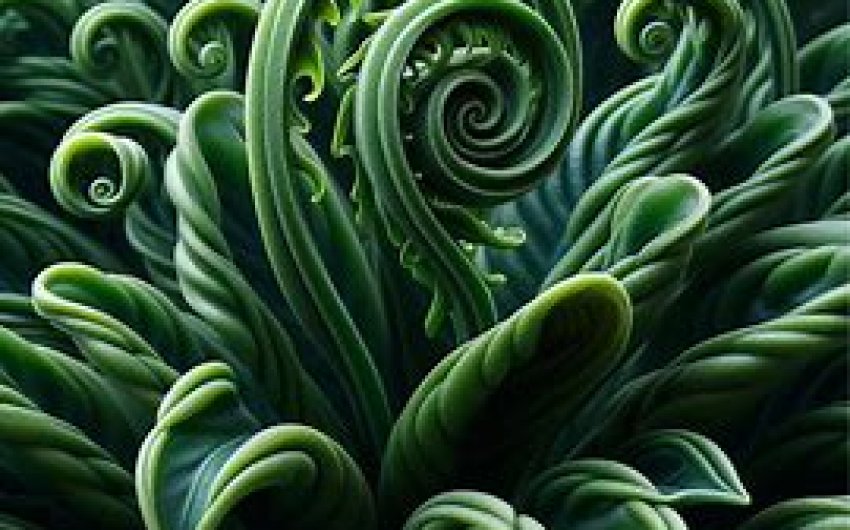
The Corkscrew plant, also known by its botanical name Homalomena, is a delightful houseplant that's becoming more and more popular. Its unique, often wavy or spiraled leaves, deep green color, and compact growth habit make it a charming addition to any indoor space. What's even better is that the Homalomena is known for being relatively easy to care for, making it a great choice for both beginners and experienced plant enthusiasts. Many people are drawn to it because it's often advertised as a low-light plant, perfect for those tricky corners or rooms that don't get a lot of natural sunlight.
While it's true that the Corkscrew plant can tolerate low light, thriving in these conditions requires a bit more nuance than simply sticking it in a dark corner and forgetting about it. "Low light" doesn't mean "no light." It means adapting your care routine to suit the reduced light intensity. Understanding how watering, humidity, soil, and even temperature play a role in a low-light environment is key to keeping your Homalomena healthy, vibrant, and putting out those distinctive leaves. Let's delve into the specifics of caring for your beautiful Corkscrew plant when natural light is limited.
What Does "Low Light" Really Mean for a Corkscrew Plant?
When we talk about low light for a plant like a Corkscrew plant (Homalomena), it doesn't mean stuffing it into a dark closet. It means a spot with reduced light intensity, where a plant that loves bright, indirect light might struggle.
What is the Difference Between Low Light and No Light?
This distinction is crucial.
- Low Light: This refers to an area that receives some ambient light, but no direct sun, or only very weak, filtered direct sun for a very short period (like an hour of weak morning sun). Think of a north-facing window, a few feet back from an east or west-facing window, or a well-lit interior room away from any window. There's still enough light for a plant to perform basic photosynthesis, albeit at a slower rate.
- No Light: This would be a truly dark corner, a room with closed blinds all day, or a windowless bathroom. No plant can survive indefinitely with no light because they need light to make their food (photosynthesis). Putting a Homalomena in a genuinely dark spot will lead to decline, no matter how "low-light tolerant" it is.
What are the Signs of Too Little Light?
Even a Corkscrew plant can suffer from too little light. Look for these signs:
- Leggy growth: The stems stretch out, and the leaves become widely spaced, making the plant look sparse and gangly. The plant is literally "reaching" for more light.
- Smaller leaves: New leaves emerge smaller than older ones.
- Fading color: The deep green of the leaves might become dull, pale, or even yellowish. The plant loses its vibrant look.
- Lack of new growth: The plant stops producing new leaves, or growth is extremely slow.
- Dropping lower leaves: The plant might shed its oldest leaves to conserve energy.
What are the Signs of Too Much Light?
While the Corkscrew plant is low-light tolerant, it can also get too much light.
- Scorched or bleached leaves: Direct, intense sunlight can burn the delicate leaves, causing brown, crispy spots or an overall bleached, washed-out appearance.
- Rapid wilting: Even if the soil is moist, the plant might wilt if it's getting too much direct sun.
- Fading patterns: If your Homalomena has interesting variegation (different colors on its leaves), too much light can cause these patterns to fade or disappear.
How Do I Water a Corkscrew Plant in Low Light?
Watering is perhaps the trickiest part of low-light plant care, and it's where most people go wrong. In low light, plants use less water, so your watering schedule will need to be different than for a plant in bright light.
How Much Water Does a Low Light Corkscrew Plant Need?
The key rule for watering any plant, especially in low light, is to avoid overwatering.
- Less frequently: In low light, a Corkscrew plant will use water much more slowly. This means you will water it less often than if it were in a brighter spot.
- Monitor soil moisture: Don't water on a fixed schedule. Instead, check the soil moisture. Stick your finger 2-3 inches deep into the soil.
- Allow to dry out slightly: Only water when the top 1-2 inches of soil feel dry to the touch. The soil should never be constantly soggy.
What Are the Signs of Overwatering?
Overwatering is the number one killer of Homalomena and most houseplants, especially in low light.
- Yellowing leaves: Often, the entire leaf will turn yellow, not just the tips or edges. This can be combined with soft, mushy stems.
- Drooping leaves that feel soft/mushy: Unlike underwatering (where leaves droop but feel crispy), overwatered leaves will droop and feel limp or soft to the touch.
- Stunted growth: Root rot prevents proper water and nutrient uptake.
- Fungus gnats: Small, dark flying insects that hover around the soil are a sign of consistently wet soil.
- Rotting smell from soil: A foul odor indicates root rot.
What Are the Signs of Underwatering?
While less common for low-light issues, underwatering can still happen.
- Drooping leaves that feel crispy: The leaves will droop, but when you touch them, they will feel dry and possibly brittle.
- Browning leaf edges/tips: The edges and tips of the leaves dry out and turn brown.
- Slow growth or no growth: The plant shuts down to conserve energy.
- Solution: If the plant is underwatered, give it a good, thorough soak until water drains from the bottom of the pot. Ensure the entire root ball gets wet.
What Kind of Water is Best?
- Room temperature water: Avoid using very cold water, as it can shock the plant's roots.
- Filtered or distilled water (optional): Homalomena can be sensitive to chemicals like chlorine and fluoride found in tap water. If you notice browning leaf tips despite good humidity and watering, consider using filtered water or letting tap water sit out for 24 hours to allow chlorine to dissipate. A good water filter pitcher can be helpful.
What About Humidity and Temperature for a Corkscrew Plant?
Homalomena plants are tropical, which means they love humidity. This is especially important in low-light environments, as healthy leaves are better at processing the light they receive.
How Much Humidity Do Corkscrew Plants Need?
Corkscrew plants thrive in high humidity, ideally above 60%. Their natural habitat is often the humid understory of rainforests.
- Low humidity can cause the tips and edges of their leaves to turn brown and crispy. This is a very common problem in homes, especially during winter when heating systems dry out the air.
- Even in low light, healthy leaves are crucial for photosynthesis. Dry, crispy leaves reduce the plant's ability to absorb what little light is available.
How Can I Increase Humidity in a Low Light Area?
There are several ways to boost humidity around your Homalomena:
- Use a humidifier: This is the most effective way to provide consistent humidity. A small room humidifier for plants placed near the plant can make a huge difference.
- Pebble tray: Place the plant's pot on a tray filled with pebbles and water. Make sure the bottom of the pot does not sit in the water, as this can lead to root rot. As the water evaporates from the tray, it increases humidity around the plant.
- Group plants: Placing several plants together can create a mini-microclimate with higher local humidity, as plants release moisture through their leaves.
- Avoid dry drafts: Keep your Homalomena away from heating vents, air conditioners, and open windows that can blast dry air directly onto the leaves.
What is the Ideal Temperature Range?
Corkscrew plants are tropical and prefer warm, stable temperatures.
- Ideal range: Keep them in temperatures between 65°F and 85°F (18°C - 29°C).
- Avoid cold drafts: Sudden drops in temperature or exposure to cold drafts can stress the plant and cause leaf damage or even death. Keep them away from cold windows in winter or exterior doors.
- Stable environment: Try to avoid large temperature swings throughout the day or night.
What Kind of Soil and Potting Do Corkscrew Plants Prefer?
The right potting mix and pot are fundamental for the health of your Corkscrew plant, especially when managing moisture in low light.
What is the Best Potting Mix?
A well-draining, airy potting mix is crucial for Homalomena.
- Moisture retention and drainage: The mix should retain some moisture but also allow excess water to drain away quickly to prevent soggy roots.
- Ingredients: A good mix might include:
- Peat moss or coco coir: For moisture retention.
- Perlite or pumice: For drainage and aeration. You can buy a bag of perlite to mix into your regular potting soil.
- Coarse sand or small bark chips: To further improve drainage and aeration.
- Avoid heavy garden soil: Never use soil from your garden, as it's too dense and doesn't drain well indoors.
What Type of Pot is Best?
- Drainage holes are essential: Absolutely make sure your pot has drainage holes at the bottom. Without them, water will sit and lead to root rot, no matter how good your potting mix is.
- Material:
- Plastic pots retain moisture longer, which can be a good thing if your environment is very dry, but also makes overwatering more likely in low light.
- Terracotta pots are porous and allow water to evaporate from their sides, which helps the soil dry out faster. This can be beneficial in low light to prevent overwatering, but might require slightly more frequent watering in general.
- Size: Don't put a small plant in a giant pot. A too-large pot holds too much soil and moisture, leading to overwatering issues. Only repot when the plant is root-bound (roots are circling the bottom of the pot).
How Do I Fertilize a Corkscrew Plant in Low Light?
Fertilizing needs change dramatically when a plant is in low light. Less light means less growth, and less growth means less need for nutrients.
How Often to Fertilize in Low Light?
- Less is more: In low light, your Corkscrew plant will grow much more slowly than if it were in bright, indirect light. Therefore, it needs significantly less fertilizer.
- During growing season only: Only fertilize during the active growing season (spring and summer), when the plant is naturally putting out new growth.
- Reduced frequency: Instead of monthly, consider fertilizing every 2-3 months at most.
- Reduced strength: When you do fertilize, use a diluted solution. Mix the fertilizer at half the strength (or even quarter strength) recommended on the package.
What Type of Fertilizer is Best?
- Balanced liquid fertilizer: A good general purpose, balanced liquid houseplant fertilizer is usually sufficient. Look for an NPK ratio where the numbers are similar (e.g., 5-5-5 or 10-10-10).
- Organic options (optional): If you prefer organic options, liquid kelp fertilizer or a general organic houseplant food can also work. These tend to release nutrients more slowly, which is good for low-light plants.
- Avoid over-fertilizing: Too much fertilizer can burn the roots and lead to salt buildup in the soil, causing yellow or brown leaf tips, which can mimic other problems. Always water thoroughly before and after fertilizing to help distribute the nutrients and flush out excess salts.
Common Problems and Troubleshooting for Corkscrew Plants in Low Light
Even with the best care, sometimes things go wrong. Here's a guide to common issues specific to Corkscrew plants in low light and how to fix them.
Why Are My Leaves Turning Yellow?
Yellowing leaves are a very common symptom, and it can point to several problems, often related to watering or light.
- Overwatering (most common in low light): If the entire leaf turns yellow and feels soft or mushy, especially if accompanied by drooping, it's likely overwatering.
- Solution: Let the soil dry out more between waterings. Check for root rot (mushy, smelly roots) and repot if necessary into fresh, well-draining soil after trimming off rotten roots.
- Underwatering: If leaves turn yellow and crispy, it might be underwatering.
- Solution: Give a good, thorough watering.
- Too little light (general fading): If the plant is generally pale green or yellowish, rather than deep green, it could be insufficient light.
- Solution: Move to a slightly brighter, indirect light spot.
- Nutrient deficiency (less common in low light): Yellowing can also be a sign of nutrient deficiency, but less likely if you're fertilizing (even sparingly).
- Solution: Check your fertilizing schedule and strength.
Why Are My Leaf Tips Turning Brown?
Brown leaf tips are another frequent complaint.
- Low humidity (most common): This is the primary reason for brown, crispy leaf tips on Homalomena.
- Solution: Increase humidity around the plant using a humidifier, pebble tray, or grouping plants.
- Underwatering: If the entire soil dries out too much and too often, the plant can't get enough water to its tips.
- Solution: Water more consistently.
- Salt buildup from fertilizer/tap water: Excess minerals can accumulate in the soil and burn the leaf tips.
- Solution: Water with filtered water or let tap water sit out. Periodically flush the soil by watering thoroughly until water drains from the bottom for an extended period to wash out excess salts.
- Cold drafts: Exposure to cold can also cause leaf browning.
- Solution: Move the plant away from drafts.
Why Is My Plant Not Growing or Getting Leggy?
This is a classic sign of insufficient light.
- Too little light: The plant isn't getting enough energy from photosynthesis to produce new growth or is stretching out to find more light.
- Solution: Move the plant to a brighter, indirect light location. If natural light is truly limited, consider adding supplemental artificial light.
- Stunted growth (other factors): Beyond light, stunted growth can also be due to severe overwatering (root rot), being root-bound, or extreme temperature stress.
- Solution: Check soil and pot size.
Why Are There Pests on My Corkscrew Plant?
Even low-light plants can get pests.
- Common pests: Spider mites (tiny webs, speckled leaves) and mealybugs (fuzzy white spots) are common. Fungus gnats (small flying bugs around soil) often indicate overwatering.
- Solution:
- For spider mites, increase humidity and use a natural insecticide like neem oil spray for plants.
- For mealybugs, dab them with a cotton swab dipped in rubbing alcohol.
- For fungus gnats, let the soil dry out more between waterings. Use yellow sticky traps or a product like Bonide Systemic Houseplant Insect Control if the infestation is severe. Always identify the pest before treating.
Advanced Tips for Thriving in Low Light
To truly help your Corkscrew plant not just survive but thrive in low light, consider these extra steps.
Should I Use Supplemental Lighting?
If your "low light" area is truly very dim, supplemental lighting can make a world of difference.
- LED grow lights: A small full spectrum LED grow light can provide the extra energy your Homalomena needs.
- Placement: Place the grow light about 12-24 inches above the plant.
- Timer: Use an automatic timer to give the plant a consistent 8-12 hours of light per day, especially during shorter winter days.
- Regular LED bulb: Even a regular household LED bulb (choose one with a "daylight" or "cool white" spectrum, around 5000K-6500K) in a nearby lamp can offer a beneficial boost if natural light is extremely limited.
How Does Cleaning Leaves Help?
Dust can accumulate on your Corkscrew plant's leaves, and this is especially problematic in low light.
- Photosynthesis: Dust blocks light from reaching the leaf surface, hindering photosynthesis. In a low-light environment, every bit of light counts!
- Solution: Gently wipe the leaves with a damp cloth every few weeks to remove dust. This also allows the plant to "breathe" better. A soft microfiber cleaning cloth works well.
Is Repotting Necessary in Low Light?
Plants in low light grow more slowly, so they need to be repotting less frequently.
- When to repot: Only repot your Homalomena when it is truly root-bound, meaning the roots are circling the bottom of the pot or growing out of the drainage holes. You can gently slide the plant out of its pot to check the roots.
- Size: When repotting, only go up one pot size (e.g., from a 6-inch to an 8-inch pot). A too-large pot holds excess soil and moisture, increasing the risk of overwatering.
- Fresh soil: Repotting provides fresh nutrients and aeration, which can be beneficial even for slow-growing plants.
Why is Air Circulation Important?
Good air circulation is important for all houseplants, but especially in humid, low-light conditions.
- Prevent fungal issues: Stagnant, humid air can encourage the growth of fungal diseases (like powdery mildew) or make pests like spider mites more comfortable.
- Solution: Ensure your plant isn't crammed in a corner. A gentle fan in the room can help improve air circulation, but avoid direct drafts onto the plant.