
What Are the Ideal Temperature and Humidity Levels for a ZZ Plant?
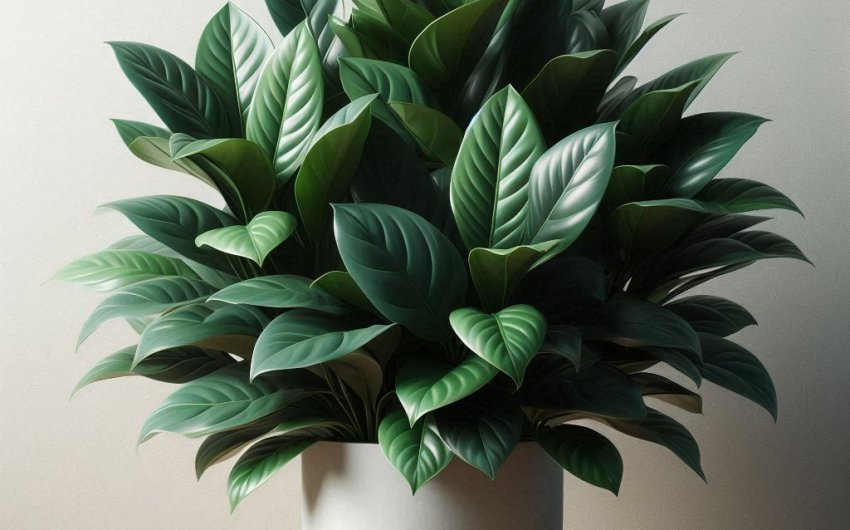
The ZZ Plant (Zamioculcas zamiifolia) has soared in popularity for good reason: its incredibly sleek, glossy, dark green leaves and near-indestructible nature make it a go-to choice for beginners and busy plant parents alike. It's the ultimate "set it and forget it" houseplant, capable of thriving on neglect and famously tolerant of low light.
However, even the toughest plants have their sweet spots. While a ZZ Plant can survive in less-than-ideal conditions, understanding what are the ideal temperature and humidity levels for a ZZ Plant to thrive can unlock even faster growth, more vibrant foliage, and truly spectacular specimens. Mimicking its native habitat, even subtly, can transform your resilient survivor into a lush, thriving beauty.
This guide will demystify the specific environmental preferences of the ZZ Plant. We'll delve into its fascinating drought adaptations, pinpoint its ideal temperature and humidity ranges, and provide actionable pro tips for creating the perfect indoor climate for robust health and vigorous growth. Get ready to turn your already easy-care ZZ Plant into an absolute showstopper!
Understanding Your ZZ Plant: A Survivor's Story
To grasp what are the ideal temperature and humidity levels for a ZZ Plant to thrive, it's crucial to understand its unique evolutionary history and how it adapted to survive in challenging environments. This context explains its remarkable resilience and its specific preferences.
1. From the Drylands of East Africa
- Origin: The ZZ Plant (Zamioculcas zamiifolia) is native to the dry grasslands and forests of eastern Africa, particularly countries like Kenya, Tanzania, and Mozambique.
- Arid Adaptation: Unlike many popular tropical houseplants that come from rainforests (and thus crave high humidity), the ZZ Plant evolved in regions that experience distinct dry seasons and periods of drought. This is the fundamental reason for its incredible toughness.
2. The Power of the Rhizome (Water Storage!)
- Underground Reservoirs: The ZZ Plant's most defining adaptation is its extensive system of large, potato-like underground stems called rhizomes.
- Water Storage: These rhizomes act as efficient water storage organs. When rain is abundant, the plant takes up water and stores it in these rhizomes, as well as in its fleshy leaf stems (petioles) and even its thick, waxy leaves.
- Drought Survival: During prolonged dry spells, the plant can "live off" these stored water reserves. It can even shed its leaves to reduce water loss, surviving for months on just the moisture in its rhizomes, waiting for rain to return.
- Impact on Care: This adaptation is why the ZZ Plant is so incredibly drought-tolerant and why overwatering is its absolute arch-nemesis. Its roots are not designed to sit in constantly wet soil; they will quickly rot due to lack of oxygen.
3. Light Tolerance (But Not Light-Loving)
- Understory Survivor: In its native habitat, the ZZ Plant often grows as an understory plant, beneath larger trees and shrubs. This means it's adapted to filtered light or even deep shade, not blazing direct sun.
- Impact on Care: This explains its famous tolerance for low light indoors. While it won't thrive or grow rapidly in deep shade, it will certainly survive.
4. Waxy, Resilient Foliage
- Water Conservation: The thick, waxy coating on the ZZ Plant's leaves helps to minimize water loss through transpiration (the plant "sweating").
- Appearance: This waxy coating gives the leaves their characteristic glossy sheen.
Understanding these remarkable adaptations from its dryland origins is the entire secret to successful ZZ Plant care. It reveals why its specific needs for temperature and humidity are less demanding than many other houseplants, and why its ability to thrive on very little water is its defining trait.
What Are the Ideal Temperature and Humidity Levels for a ZZ Plant to Thrive?
While the ZZ Plant is famously resilient, providing it with its ideal temperature and humidity levels will unlock its true potential for lush growth and vibrancy. These aren't as stringent as for some other tropical plants, but hitting the sweet spot makes a difference.
1. Ideal Temperature Range: Warm and Consistent
The ZZ Plant loves warmth, mirroring its tropical African origins.
- Optimal Range: The ideal temperature range for a ZZ Plant to thrive is typically between 65-80°F (18-27°C).
- Average Room Temperature: This means they are perfectly happy in average household temperatures, which is a major reason for their popularity as easy houseplants.
- Tolerable Minimum: They can tolerate temperatures as low as 50°F (10°C) for short periods, but sustained cold (below 50°F) will slow growth, potentially cause chilling damage, and can even kill the plant if combined with wet soil (leading to rot).
- Avoid Extremes: Protect your ZZ Plant from sudden temperature drops, cold drafts (from open windows in winter, or exterior doors), and direct blasts from heating or air conditioning vents. Consistent fluctuations stress the plant.
- Optimal Night Drop: A slight temperature drop at night (5-10°F or 3-6°C lower than daytime) is generally fine and can be beneficial for plant respiration, mimicking natural diurnal cycles.
2. Ideal Humidity Level: Surprisingly Flexible, But Appreciates Moderate
Unlike many tropical plants that demand high humidity, the ZZ Plant is surprisingly tolerant of average household humidity levels. This is due to its waxy leaves and water-storing capabilities that minimize moisture loss.
- Optimal Range: The ZZ Plant will thrive in moderate humidity, ideally between 40% and 60%.
- Tolerable Low: It can tolerate much lower humidity levels (down to 30% or even less) for extended periods without significant issues. This is a huge advantage in dry indoor environments, especially in winter when heating dries out the air.
- Signs of Extreme Dryness (Rare): In extremely arid conditions, or if the plant is very stressed, you might see very minor browning on leaf tips, but this is less common than with other sensitive plants.
- Why It's Flexible: Its thick, waxy cuticles (outer layer) on the leaves significantly reduce transpiration (water loss), making it less dependent on high ambient humidity compared to thin-leaved rainforest plants.
Key Takeaway for Temperature and Humidity:
The ZZ Plant's strength lies in its ability to not just tolerate, but genuinely be quite happy in, average indoor conditions. You typically don't need to go out of your way to provide high humidity or specific temperature ranges beyond what's comfortable for humans. This low-fuss requirement is a major reason it's considered one of the easy houseplants anyone can keep alive. However, if you can provide moderate humidity and consistent warmth, your ZZ Plant will likely grow faster and look even more vibrant.
Signs Your ZZ Plant is Stressed by Temperature or Humidity
Even though the ZZ Plant is remarkably tough, it will give you signals if its temperature and humidity levels are significantly outside its ideal range. Learning to read these signs is crucial for promptly adjusting its environment and keeping your ZZ Plant healthy.
1. Signs of Too Cold / Cold Shock
- Yellowing Leaves (Rapidly): A sudden onset of yellowing leaves, especially if multiple stems are affected simultaneously. This often happens after exposure to cold drafts or temperatures below 50°F (10°C).
- Blackening Stems/Leaves (Mushy): In severe cases of cold damage, stems or leaves may turn black and become mushy. This indicates cell damage from freezing or chilling.
- Stunted Growth: Overall growth will cease.
- Dieback: The plant may eventually decline and die if not moved to warmer conditions.
- Distinguishing from Overwatering: Cold-induced yellowing and mushiness can sometimes mimic overwatering, but it will be sudden after a cold exposure, and the soil might not necessarily be saturated.
2. Signs of Too Hot / Heat Stress (Less Common Indoors)
- Dull/Wilted Appearance (Rare, if well-watered): If exposed to extreme heat and bright direct sun, the leaves might look dull or slightly stressed. However, ZZ Plants handle heat much better than cold due to their desert adaptations.
- Scorching/Sunburn: Direct, intense afternoon sun combined with high heat can lead to bleached or yellow/brown spots on the leaves. This is more of a light issue than a pure temperature one, but heat exacerbates it.
3. Signs of Too Low Humidity (Rarely Severe, Minor Cosmetic Issues)
- Crispy Brown Leaf Tips/Edges: In extremely arid environments, or when air is very dry for extended periods (e.g., continuous heating in winter), you might see very minor browning or crispiness on the tips or edges of some leaves.
- Dull Foliage (Sometimes): The normally glossy leaves might appear slightly duller.
- Distinguishing: These symptoms are usually subtle and less dramatic than those caused by improper watering or light. They are rarely life-threatening for a ZZ Plant.
4. Signs of Too High Humidity / Poor Air Circulation (Leading to Disease)
While the ZZ Plant tolerates moderate humidity, consistently high humidity combined with poor airflow can create problems.
- Fungal Spots: If water sits on the leaves for too long due to very high humidity and no air movement, you might see small fungal spots develop on the leaves.
- Mold on Soil Surface: Mold growing on the soil surface can indicate consistently high humidity combined with too much moisture in the soil.
- Distinguishing: These are often secondary issues stemming from overwatering and poor air circulation rather than just high humidity itself.
The Key Takeaway from Troubleshooting:
If your ZZ Plant is struggling with temperature, the issue is almost always too cold. Issues related to humidity are usually minor cosmetic concerns or a symptom of broader overwatering. Your ZZ Plant's robust nature means it tolerates a wide range, but vigilance helps you address stress before it becomes severe.
Pro Tips for Maintaining Ideal Temperature and Humidity for Your ZZ Plant
While the ZZ Plant is forgiving, a few pro tips can help you provide its ideal temperature and humidity levels, ensuring it truly thrives and looks its absolute best.
1. Strategic Placement (The Easiest & Most Effective Tip!)
- Avoid Cold Drafts: This is the most crucial placement tip for temperature. Keep your ZZ Plant away from:
- Drafty Windows/Doors: Especially in winter when cold air can constantly flow.
- Heating/AC Vents: Direct blasts of hot or cold air can stress the plant and cause sudden temperature fluctuations.
- Entryways: Avoid placing it directly inside a frequently opened exterior door.
- Consistent Temperatures: Choose a spot in your home that maintains relatively stable temperatures throughout the day and night, ideally within the 65-80°F (18-27°C) range.
- Avoid Extreme Hot/Cold Spots: Don't place it right next to a very hot radiator or directly in a perpetually cold, unheated room in winter.
- Sunlight Protection: While tough, keep it out of direct, intense afternoon sun that can scorch its leaves, especially if combined with high heat. Bright indirect light is best.
2. Monitor Room Temperature
- Thermostat: Your home's thermostat is usually sufficient for general monitoring. If you're comfortable, your ZZ Plant probably is too.
- Infrared Thermometer (Optional): For very precise growers, an infrared thermometer for plants can quickly check leaf surface temperatures.
3. Humidity Management (Usually Minimal Effort Required)
For ZZ Plants, you usually don't need elaborate humidity solutions, but if your home is excessively dry, especially in winter, or you want to boost growth:
- Pebble Tray (Subtle Boost): Place your potted ZZ Plant on a shallow tray filled with pebbles and a little water. As the water evaporates, it creates a slightly more humid microclimate around the plant. Crucially, ensure the pot's bottom is not sitting directly in the water.
- Grouping Plants: Grouping your ZZ Plant with other houseplants can create a slightly more humid microclimate, as plants release moisture through transpiration.
- Room Humidifier (For Extremely Dry Homes): If your home's humidity consistently drops below 30% (common in very dry climates or with constant heating), a room humidifier can benefit both you and your plants. This is usually only needed for overall comfort in very dry conditions, not just for the ZZ.
- Avoid Misting (Alone): Misting provides only a very temporary humidity boost and can sometimes encourage fungal issues on leaves if water sits for too long. It's not an effective long-term humidity solution for a ZZ Plant.
4. Air Circulation (Preventing Stagnation)
- Good Spacing: Ensure your ZZ Plant has enough space around it, especially if grouped with other plants.
- Gentle Air Movement: Occasional gentle air movement (e.g., from a ceiling fan on a low setting in a large room) can help prevent stagnant air around the plant, which is more important than boosting humidity to extreme levels for a ZZ.
5. Winter Care Adjustments
- Reduce Watering: The most important winter adjustment is to significantly reduce watering frequency as growth slows down. Consistently wet soil in cold conditions is deadly for ZZ Plants.
- Protect from Cold: Ensure it's not near drafty windows.
By focusing on avoiding cold extremes through thoughtful placement and recognizing that average indoor humidity is usually perfectly fine, you can confidently provide the ideal temperature and humidity levels for a ZZ Plant to thrive, allowing this incredibly easy houseplant to become an even more vibrant and striking feature in your home.
General Care for a Thriving ZZ Plant (Beyond Temperature & Humidity)
While focusing on temperature and humidity levels is important, a truly thriving ZZ Plant relies on a few other fundamental care practices. These principles, combined with its resilience, make it one of the easiest and most rewarding indoor plants.
1. Light: The Key to Growth Speed (Not Survival)
- Bright, Indirect Light is Ideal: For your ZZ Plant to grow fastest and produce its glossiest, deepest green leaves, place it in a spot with bright, indirect light. This means near a window (east-facing is perfect, or a few feet back from a south/west-facing window).
- Tolerates Low Light: This is the ZZ Plant's claim to fame. It can survive in remarkably low light conditions (e.g., dim corners, north-facing rooms) for extended periods. However, growth will be very slow, and leaves may be a lighter green or appear stretched.
- Avoid Direct Sun: Intense, direct sunlight (especially harsh afternoon sun) can scorch the leaves, leading to yellow or brown spots.
2. Watering: The Most Critical Factor (Less is ALWAYS More!)
This is the absolute most common way people accidentally kill a ZZ Plant.
- Drought Tolerant: The ZZ Plant stores vast amounts of water in its rhizomes, stems, and leaves. It needs the soil to dry out completely between waterings.
- When to Water: Water thoroughly only when the soil is bone dry. Stick your finger deep into the pot, or use a soil moisture meter to check the bottom. This could be every 2-4 weeks in brighter light, and as little as once a month or two in low light or winter.
- How to Water: Water deeply until water drains from the bottom of the pot.
- Drainage Holes are a MUST: Always use a pot with proper drainage. Never let the pot sit in standing water.
- Signs of Overwatering: Yellowing leaves (especially stems closest to soil), mushy stems or base, unpleasant odor from soil.
- Signs of Underwatering: Leaves might shrivel slightly or become dull. Much less common and easily fixed with a thorough watering.
3. Soil: Fast-Draining and Aerated
- Prevent Root Rot: Use a very well-draining, airy potting mix that prevents compaction. This is crucial for healthy rhizomes and roots.
- Recommended Mix: A good quality cactus and succulent potting mix is ideal. You can amend regular potting mix by adding 1 part perlite for every 2-3 parts potting mix.
4. Fertilizing: Very Minimal Needs
- Less is More: ZZ Plants are not heavy feeders. Over-fertilizing can burn their sensitive roots and lead to leggy growth.
- Timing: Fertilize sparingly, only during their active growing season (spring and summer), about once or twice a year at most.
- Type & Dilution: Use a balanced liquid houseplant fertilizer diluted to half-strength or even quarter-strength. A balanced liquid houseplant fertilizer is suitable.
5. Repotting: Infrequent
- They Like to Be Snug: ZZ Plants prefer to be slightly pot-bound. Repot only when you see roots growing significantly out of the drainage holes, or the rhizomes are visibly pushing against the pot's sides.
- Frequency: Usually every 2-5 years, or even less frequently.
- Pot Size: Go up only one pot size (1-2 inches larger in diameter) when repotting.
6. Cleaning Leaves
- Wipe Down: Regularly wipe the glossy leaves with a damp cloth to remove dust. Dust can block stomata and reduce photosynthesis.
7. Pest Vigilance
- Generally Resistant: ZZ Plants are highly resistant to most common houseplant pests.
- Occasional Pests: Very rarely, mealybugs or scale might appear. Treat promptly with rubbing alcohol on a cotton swab or neem oil spray.
By mastering these fundamental care practices, you'll ensure your ZZ Plant not only survives its remarkable life, but truly thrives, remaining a vibrant, healthy, and low-maintenance staple in your home for years to come.