
How often should I water my houseplants?
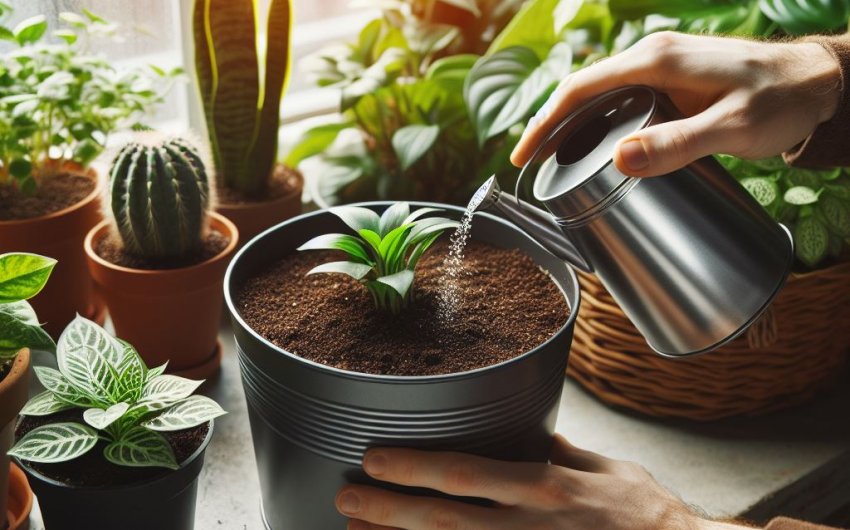
One of the most common questions new (and experienced!) plant parents ask is, "How often should I water my houseplants?" It's a simple question with a surprisingly complex answer, because there's no single "right" schedule that works for all plants. In fact, following a strict watering schedule can often lead to problems like overwatering or underwatering. The key to healthy houseplants isn't a calendar, but understanding your plant's needs and its environment. Let's dive into all the factors that determine how often you should water your houseplants.
Why Is There No Single Watering Schedule?
The idea that you can water all your houseplants every Wednesday is a myth that leads to sad plants. Many factors influence how quickly a plant uses water.
What Factors Influence a Plant's Water Needs?
A houseplant's thirst isn't just about its type; it's a dynamic interplay of many factors. Missing just one can lead to watering mistakes.
- Plant Type and Species: This is the most significant factor.
- Desert Plants (Cacti, Succulents): Evolved to store water in their leaves, stems, or roots. They need very infrequent watering and excellent drainage. They thrive on periods of dryness.
- Tropical Plants (Ferns, Calatheas): Often come from humid environments. They generally prefer consistent moisture but still need good drainage to prevent soggy roots.
- Flowering Plants: Often need more water when they are actively blooming compared to when they are not.
- Pot Size and Material:
- Smaller Pots: Dry out much faster than larger pots because there's less soil volume to hold moisture.
- Terracotta Pots: These are porous, meaning water and air can evaporate through the pot walls. This helps soil dry out faster, which is great for plants prone to overwatering.
- Plastic/Glazed Ceramic Pots: These are non-porous and hold moisture for much longer. They are better for plants that like consistent moisture or if you tend to underwater.
- Season and Temperature:
- Spring/Summer (Active Growing Season): Plants are actively growing, producing new leaves, and perhaps blooming. They use more water and will need more frequent watering.
- Fall/Winter (Dormant Season): Most houseplants slow down their growth significantly or go into a dormant phase. They use much less water and require far less frequent watering. Overwatering in winter is a common killer.
- Temperature: Warmer temperatures increase water evaporation from the soil and transpiration from the leaves, meaning plants dry out faster.
- Light Levels:
- Bright Light: Plants in bright, direct, or indirect light will photosynthesize more actively and use more water, so they will need more frequent watering.
- Low Light: Plants in low-light conditions use less water because their metabolic processes are slower. They need much less frequent watering.
- Humidity:
- Low Humidity: In dry environments (common indoors, especially with heating/AC), water evaporates faster from the soil and from the plant's leaves. This means plants will dry out quicker.
- High Humidity: In humid environments, water evaporates more slowly, so plants will need less frequent watering.
- Air Circulation:
- Good Airflow: A breezy spot helps dry out the soil faster.
- Stagnant Air: Still air means soil stays wet longer.
- Potting Mix:
- Fast-Draining Mix: A gritty, airy potting mix (like those for succulents) will dry out very quickly.
- Water-Retentive Mix: A dense, peat-based potting mix will hold moisture for longer periods.
As you can see, juggling all these factors means a single watering schedule just won't cut it!
What are the Dangers of Overwatering?
Overwatering is, by far, the most common killer of houseplants. It's often done with good intentions but leads to fatal results.
- Root Rot: This is the primary danger. When soil is constantly soggy, the roots are deprived of oxygen. They literally suffocate and begin to rot, turning mushy and black/brown. Once roots rot, they can no longer absorb water or nutrients, even if the soil is wet. This causes the plant to "drown" while simultaneously showing signs of "thirst."
- Fungal Diseases: Continuously wet soil creates ideal conditions for various fungal and bacterial diseases to thrive, leading to stem rot or leaf spots.
- Nutrient Deficiency: Waterlogged soil can alter the soil pH and make it difficult for roots to absorb essential nutrients, even if they are present.
- Pests: Constantly damp soil is a breeding ground for annoying pests like fungus gnats, which can then spread to other plants.
Signs of Overwatering:
- Yellowing leaves, often starting with the lower, older leaves.
- Leaves dropping off, often soft or mushy.
- Mushy stems at the soil line.
- Stunted growth or overall decline.
- A foul, stale, or rotten smell from the soil.
- Fungus gnats flying around the plant.
If you suspect overwatering, stop watering immediately. Allow the soil to dry out completely. If severe, you may need to repot into fresh, dry potting mix after trimming off rotten roots.
What are the Dangers of Underwatering?
While less common than overwatering, consistent underwatering can also harm your houseplants, leading to stress and eventual death.
- Wilting: Leaves will droop dramatically, looking tired and lifeless.
- Crispy Leaves/Edges: Leaves (especially older ones) will turn yellow, then brown, and become dry and crispy, particularly along the edges.
- Stunted Growth: New growth will be very slow or stop entirely.
- Flower/Bud Drop: Flowering plants will drop buds or flowers prematurely.
- Potting Mix Shrinking: The potting mix may shrink away from the sides of the pot, making it hard for water to penetrate.
What to do: If you see signs of underwatering, water thoroughly until water drains from the bottom. For severely dry potting mix that repels water, you might need to bottom-water by placing the pot in a basin of water for 30 minutes to an hour to allow the mix to rehydrate.
How to Determine When to Water Your Houseplant?
Since there's no fixed schedule, how do you know when your plants are thirsty? You rely on a few simple, hands-on methods.
The Finger Test: Your Best Friend for Watering
The finger test is the most reliable and common way to check soil moisture. It gives you a direct feel for what's happening beneath the surface.
- How to Do It: Stick your finger (your index or middle finger works best) about 2-3 inches deep into the potting mix near the edge of the pot.
- What to Feel For:
- Dry: If the soil feels dry to the touch at that depth, it's generally time to water.
- Moist: If it still feels cool and damp, wait and check again in a day or two.
- Wet/Soggy: If it feels squishy or saturated, you've likely overwatered, and you need to let it dry out more.
- Adjust for Plant Type:
- Succulents/Cacti: Let the soil dry out completely (all the way to the bottom of the pot) before watering again.
- Most Houseplants: Let the top 1-2 inches dry out.
- Moisture-Loving Plants (e.g., Ferns): Let the very top layer just barely dry out, keeping the majority of the soil consistently moist.
The finger test becomes intuitive with practice, helping you truly understand your plant's rhythm.
The Lift Test: Feeling the Weight of Water
The lift test is a simple, quick way to estimate soil moisture by feeling the weight of the pot.
- How to Do It: Before watering, gently lift your plant in its pot. Feel its weight. Then, after watering thoroughly until water drains out, lift it again and feel how much heavier it is.
- What to Feel For: Over time, you'll learn to recognize the difference. A light pot usually means dry soil and it's time to water. A heavy pot means the soil is still holding plenty of water.
- Best for Smaller Pots: This test is most practical for smaller to medium-sized houseplants that are easy to lift.
Combined with the finger test, the lift test provides a great overall picture of soil moisture.
Using a Moisture Meter: For Precision Watering
A moisture meter is a helpful tool that provides a more objective reading of soil moisture levels.
- How to Use It: Insert the metal probe of the moisture meter into the potting mix about halfway between the stem and the edge of the pot, going about halfway or two-thirds down into the pot. The needle on the meter will then indicate whether the soil is wet, moist, or dry.
- Benefits:
- Objectivity: Takes the guesswork out of the finger test, especially for beginners.
- Deeper Readings: Can read moisture levels deeper in the pot than your finger can easily reach.
- Prevents Overwatering: Helps you avoid overwatering by clearly showing if the soil is still wet below the surface.
- Limitations:
- Calibration: Cheaper meters can be less accurate or lose calibration over time.
- Localized Reading: It only reads the moisture where the probe is inserted. For very large pots, you might need multiple readings.
- Doesn't Read pH or Nutrients: A standard moisture meter only measures moisture, not other important soil factors.
- Choosing One: Look for a moisture meter with clear readings and good reviews. A reliable plant moisture meter can be a great investment for consistent care.
A moisture meter is a fantastic learning tool to help you get a feel for how quickly your plants are drying out.
What is the Best Way to Water Your Houseplants?
It's not just about when to water, but also how to water. The method you use can impact your plant's health and reduce issues.
Top Watering vs. Bottom Watering
There are two main methods for watering houseplants: top watering and bottom watering. Each has its advantages.
- Top Watering:
- How: Pour water onto the top surface of the potting mix until it drains out of the bottom of the pot.
- Pros:
- Flushes Salts: Helps flush out excess mineral salts that can build up in the soil over time (from tap water or fertilizer).
- Simple: Easy for everyday use.
- Cons:
- Can Compact Soil: A strong stream of water can sometimes compact the soil over time.
- Can Cause Erosion: If the soil is very dry, water can channel through quickly without hydrating the entire root ball.
- Wet Foliage: Can get leaves wet, potentially encouraging leaf spot diseases for some plants.
- Bottom Watering:
- How: Place the potted plant (with drainage holes) into a sink or basin filled with a few inches of water. Let the plant sit in the water for 15-30 minutes (or until the top of the soil feels moist), allowing the soil to absorb water from the bottom up.
- Pros:
- Thorough Hydration: Ensures the entire root ball is evenly moistened, even if the soil was very dry.
- No Wet Foliage: Keeps leaves dry, good for plants prone to fungal issues.
- Less Soil Compaction: Gentle on the soil.
- Cons:
- No Salt Flushing: Doesn't flush out accumulated mineral salts from the top layers of the soil, so you should occasionally top water or flush with plain water.
- More Time Consuming: Requires more setup.
Many experienced gardeners use a combination of both methods: bottom watering for thorough hydration and occasional top watering to flush salts.
Why Are Drainage Holes So Important?
Drainage holes at the bottom of your plant pot are absolutely non-negotiable. Without them, your houseplant is almost guaranteed to suffer from overwatering and root rot.
- Allows Excess Water to Escape: Drainage holes ensure that any excess water, beyond what the potting mix can hold, has a way to drain out. This prevents the soil from becoming waterlogged.
- Prevents Root Suffocation: When soil is perpetually soggy, oxygen is pushed out, and roots literally suffocate. Drainage holes allow oxygen to penetrate the potting mix as water drains, vital for healthy roots.
- Flushes Salts: As discussed with top watering, drainage holes are essential for allowing accumulated mineral salts from tap water and fertilizers to be flushed out, preventing toxic buildup.
- No Drainage Layer: Do not put a layer of gravel, broken pot pieces, or drainage rocks at the bottom of a pot with drainage holes. This actually hinders drainage by creating a "perched water table," leaving the potting mix above it soggy. The best drainage comes from the right potting mix and functional drainage holes.
Always ensure your plant is in a pot with drainage holes. If you like the look of a decorative pot without holes, simply use it as a cachepot (a decorative cover) and keep your plant in a slightly smaller nursery pot with drainage holes inside. A simple plastic nursery pot with drainage can fit inside decorative containers.
What Kind of Water Should You Use?
The quality of the water you use can also impact your plant's health over time.
- Tap Water: Most tap water is perfectly fine for houseplants. However, some areas have very "hard" water (high in minerals like calcium and magnesium), which can leave a white crust on the soil or pot. Tap water might also contain chlorine or chloramine.
- Chlorine: Can dissipate if you let tap water sit out for 24 hours.
- Chloramine: Does not dissipate. Most plants tolerate it, but some sensitive ones (like Prayer Plants, Dracaenas, or Spider Plants) might show browning leaf tips from fluoride or chlorine.
- Filtered Water: Using a water filter pitcher can remove chlorine, chloramine, and some minerals.
- Distilled Water/Rainwater: These are very pure and mineral-free. They are excellent for sensitive plants but generally not necessary for most common houseplants. Rainwater is free and great!
- Avoid Softened Water: Water from a water softener often contains elevated sodium levels, which can be toxic to plants. Do not use softened water for your houseplants.
If you notice browning leaf tips that are not due to underwatering, try switching to filtered or rainwater.
How Do You Adjust Watering Throughout the Year?
As the seasons change, so do your plant's watering needs. Adjusting your routine is crucial for success.
How Does Watering Change in Spring and Summer?
Spring and summer are typically the active growing seasons for most houseplants.
- Increased Watering Frequency: As light levels increase and temperatures rise, your plants will be actively growing, producing new leaves, and possibly blooming. They will use more water.
- Check More Often: You'll likely need to check the soil moisture more frequently, perhaps every few days or once a week.
- Consistency: Maintain consistent watering. Don't let plants completely dry out for prolonged periods, especially in hot weather.
- Fertilize: This is also the time to fertilize your plants, as they are actively growing and can utilize the nutrients.
Think of it as a growth spurt – they need more fuel and more hydration!
How Does Watering Change in Fall and Winter?
Fall and winter are often the most challenging times for houseplant watering.
- Reduced Watering Frequency: As light levels decrease and temperatures cool (especially if your home temperature drops a bit), most houseplants slow down their growth significantly or enter a period of dormancy. They use much less water.
- Less is More: This is when overwatering is most common. The soil will take much longer to dry out. You might find you only need to water every 2-4 weeks, or even less frequently for some plants (like cacti).
- Careful Checking: It's more important than ever to use the finger test (or moisture meter) and only water when the soil is sufficiently dry.
- Stop Fertilizing: Do not fertilize houseplants in fall and winter. This can harm them when they are not actively growing.
- Watch for Heating/Humidity: If you have forced-air heating, it can make the air very dry, which can dry out soil faster. However, the plant's slower growth still means overall less water usage. Balance this by potentially misting some humidity-loving plants, but always check soil moisture before watering.
Adjusting to the winter slowdown is essential for preventing root rot and keeping your plants happy until spring.
What are Signs of Too Much or Too Little Light?
Since light levels are a major factor in water usage, understanding if your plant is getting too much or too little light can indirectly help you adjust your watering routine.
- Signs of Too Much Light/Sunburn:
- Scorched Spots: Brown, crispy patches on leaves, especially on the side facing the window.
- Faded Color: Leaves may look bleached or pale green instead of vibrant.
- Excessive Wilting: Plant wilts quickly even after watering.
- Solution: Move the plant further from the window or provide sheer curtains to diffuse the light.
- Signs of Too Little Light:
- Leggy Growth: Stems are long and stretched with widely spaced leaves, reaching for light.
- Small New Leaves: New leaves are significantly smaller than older leaves.
- Lack of Variegation: Variegated (multi-colored) plants may lose their patterns and turn mostly green.
- Failure to Bloom: Flowering plants may not produce buds or flowers.
- Yellowing Lower Leaves/Leaf Drop (Slow): Plant slowly declines and sheds older leaves.
- Soil Stays Wet Forever: A clear sign that the plant isn't using much water.
- Solution: Move the plant to a brighter location. Consider using grow lights for houseplants if natural light is insufficient.
By monitoring light, you gain a better understanding of your plant's metabolic activity and, consequently, its water demands.