
Are there any materials that should never be composted?
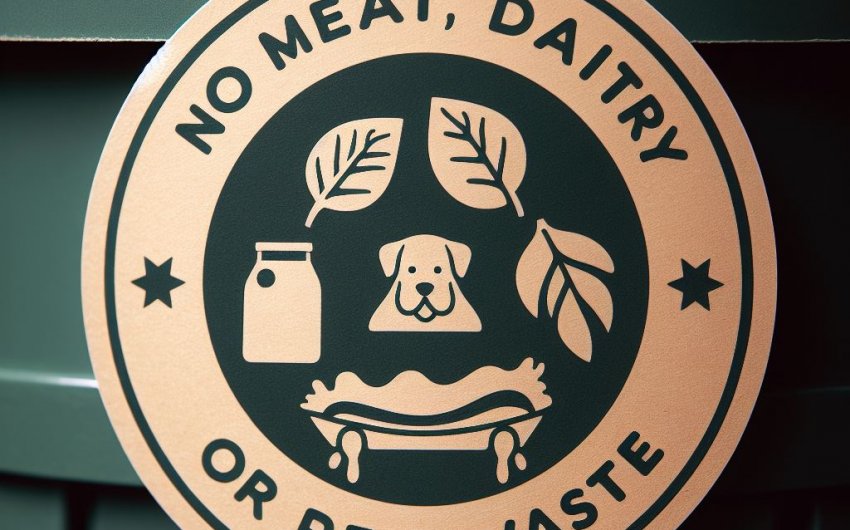
Composting is like magic for your garden. It takes kitchen scraps and yard waste and turns them into a rich, dark, nutrient-filled soil amendment that gardeners call "black gold." It's great for the environment, reducing waste that goes into landfills, and it's fantastic for making your plants healthy and happy. But just like a good recipe, composting works best when you use the right ingredients. Not everything that can rot should go into your compost bin. Adding the wrong materials can cause problems like bad smells, attract pests, or even harm your plants. So, while it's tempting to throw everything organic into the pile, knowing what to avoid is just as important as knowing what to include. This guide will reveal the materials that should never be composted and explain why, helping you create the cleanest, healthiest compost for your thriving garden.
Why Can't Everything Be Composted?
It might seem logical that if something comes from nature, it should be able to break down in a compost pile. However, the goal of composting is to create beneficial compost. Some materials break down too slowly, cause harmful effects, or create nuisances.
What Makes a Material Unsuitable for Composting?
There are several key reasons why certain items should stay out of your compost pile:
- Attracting Pests: Some materials, especially food scraps like meat and dairy, can attract unwanted visitors like rodents (rats, mice), raccoons, flies, and other animals. These pests can spread diseases and make your compost pile a messy, unsanitary problem.
- Causing Bad Odors: A healthy compost pile should smell earthy, like fresh soil. Materials that break down in a way that produces strong, unpleasant odors (like rotten eggs or ammonia) can make your compost area very unwelcoming to you and your neighbors. This often happens when there's too much "wet" material or not enough airflow.
- Introducing Pathogens (Disease-Causing Germs): Certain animal products or human waste can contain pathogens (bacteria, viruses, or parasites) that cause illness. A typical home compost pile doesn't get hot enough to kill these harmful germs, so they could remain in your finished compost and potentially spread to your garden produce.
- Spreading Weeds and Seeds: Some plant materials, especially those with mature seeds, can survive the composting process if the pile doesn't reach consistently high temperatures. If these seeds survive, you'll end up spreading weeds all over your garden when you use your compost.
- Introducing Harmful Chemicals or Toxins: Many everyday items, while organic in origin, may contain synthetic chemicals, pesticides, or other toxins. These chemicals won't break down safely in your compost and could contaminate your soil and plants.
- Breaking Down Too Slowly or Not at All: Some materials take an extremely long time to decompose, or they might not break down completely, leaving chunky, undesirable bits in your finished compost. This means you won't get that smooth, rich "black gold" you're aiming for.
- Disrupting Nutrient Balance: While compost is about nutrients, some materials can introduce too much of one thing or upset the delicate balance of your compost mixture, making it less effective for your plants.
Understanding these pitfalls is key to a successful, odor-free, and productive composting experience.
What Animal Products Should Never Go in Compost?
This is one of the most important categories of items to avoid. While they are organic, animal products often come with significant risks for a home compost pile.
Why Avoid Meat and Bones?
Meat, poultry, fish, and bones (including cooked and uncooked leftovers) are at the top of the "never compost" list for several reasons:
- Attract Pests: This is the primary concern. The strong smell of decaying meat and bones is a powerful beacon for rats, mice, raccoons, possums, and other scavenging animals. Once pests discover your compost pile, they're very hard to get rid of.
- Foul Odors: As meat breaks down, it produces highly unpleasant, putrid smells. This can make your compost area unbearable and annoy your neighbors.
- Pathogen Risk: Home compost piles rarely reach and maintain the high temperatures (above (130^\circ\text{F}) or (54^\circ\text{C})) needed to kill dangerous pathogens like E. coli or Salmonella that can be present in raw or improperly handled meat. If these pathogens survive, you could transfer them to your garden produce when you use the compost, posing a serious health risk.
- Slow Decomposition: Bones, in particular, break down very slowly, often remaining intact for years, which defeats the purpose of making usable compost.
Instead of composting, dispose of meat and bones in your regular trash, securely bagged.
What About Dairy Products?
Just like meat, dairy products (milk, cheese, yogurt, butter, sour cream) are big no-nos for your home compost pile.
- Attract Pests: Dairy also has a strong odor as it decomposes, attracting the same unwanted animals as meat.
- Foul Odors: They can create very unpleasant, rancid smells as they break down.
- Pathogen Risk: While less common than with meat, dairy products can also harbor harmful bacteria if not properly broken down at high temperatures.
- Anaerobic Decomposition: Dairy products, especially in large quantities, can turn slimy and create anaerobic conditions (lack of oxygen) in your compost pile. This causes very smelly decomposition and slows down the composting process.
Dispose of dairy products in your regular trash.
Can I Compost Pet Waste?
This is a firm no for most home composters. Pet waste (dog and cat feces, used cat litter) should never be added to your garden compost.
- Pathogen Risk: Pet waste can contain dangerous parasites, bacteria, and viruses that cause diseases in humans, such as Toxoplasma gondii (from cat feces, causing toxoplasmosis) or E. coli. Home compost piles typically don't get hot enough to kill these pathogens, meaning you could spread them to your edible garden.
- Odor and Pest Attraction: Like other animal products, pet waste can create unpleasant odors and attract pests.
- Cat Litter Considerations: Even "flushable" or biodegradable cat litter often contains ingredients that aren't ideal for compost, and the risk of Toxoplasma is too high.
The safest way to dispose of pet waste is to bag it and put it in the trash. Some communities have specialized pet waste composting facilities, but this is not for home composting.
What Plant Materials Should I Avoid Composting?
While most plant material is compost-friendly, there are some important exceptions, mainly due to potential disease or weed spread.
Why Not Compost Diseased Plants?
If you have plants in your garden that are suffering from a plant disease (like powdery mildew, blight, rust, or fungal spots), do not put them in your compost pile.
- Spreading Disease: Most home compost piles don't consistently reach the high temperatures required (around (140^\circ\text{F}) or (60^\circ\text{C}) for several days) to kill off disease-causing fungi, bacteria, or viruses. If these pathogens survive, you could reintroduce the disease to your healthy plants when you use the finished compost.
- Identifying Diseased Plants: Look for discolored leaves, spots, wilting, strange growths, or stunted development.
Instead, bag diseased plant material and dispose of it in your regular trash to prevent spreading the problem.
Should I Compost Weeds with Seeds?
This is a common mistake that can infest your garden with unwanted plants. Weeds that have gone to seed (meaning they have formed mature seeds) should generally be kept out of your compost pile.
- Survival of Seeds: Weed seeds are incredibly tough and can often survive the composting process, especially in cooler compost piles. If they survive, you’ll be inadvertently spreading new weeds every time you add your compost to your garden.
- Types of Weeds to Avoid: Be especially cautious with weeds like crabgrass, bindweed, dandelions (once they go to seed), and any other weed known for prolific seeding.
If you must compost weeds, ensure they are pulled before they flower or go to seed. Otherwise, bag them for the trash.
What About Chemically Treated Plants?
Any plant material that has been treated with herbicides (weed killers) or pesticides (insect killers) should be kept out of your compost.
- Chemical Residues: These chemicals can persist in your compost pile and transfer to your garden soil. This can harm your plants, especially sensitive seedlings, or introduce unwanted toxins into your edible garden.
- Unknown Effects: The breakdown of some pesticides in a compost pile isn't always predictable, and they could potentially form other harmful compounds.
- Source Awareness: Be mindful of where your grass clippings or leaves come from. If they come from a lawn service or a neighbor who uses weed killers, it's safer to avoid composting them.
Avoid composting chemically treated grass clippings, leaves, or plant debris. It's better to be safe than sorry and dispose of them in your regular waste.
Can I Compost Black Walnut Tree Products?
The black walnut tree (Juglans nigra) is a beautiful tree, but it produces a chemical called juglone that can be harmful to other plants.
- Juglone Toxicity: Juglone is a natural herbicide that can inhibit the growth of many plants, particularly tomatoes, peppers, blueberries, and apples. While composting might break down some of the juglone, it’s difficult to ensure complete degradation in a home compost pile.
- Parts to Avoid: All parts of the black walnut tree contain juglone, especially the roots, nuts, and husks, but also leaves and branches.
It’s best to avoid adding black walnut leaves, branches, nuts, or husks to your compost pile to prevent potential harm to your sensitive garden plants.
What Non-Organic or Problematic Household Items Should I Avoid?
Beyond food and plants, many common household items seem like they could be composted but are actually detrimental.
Why Never Compost Plastics?
This one might seem obvious, but it's worth stating clearly: plastics of any kind should never go into your compost pile, even those labeled "biodegradable" or "compostable."
- Non-Biodegradable: Traditional plastics (plastic bags, plastic bottles, plastic packaging, plastic cutlery) are made from petroleum and do not break down in a home compost pile. They will remain as unsightly, harmful bits of plastic in your finished compost.
- "Compostable" Plastics: While some plastics are designed to be "compostable," they usually require very specific, high-temperature industrial composting facilities to break down properly. They will not break down in a typical home compost bin and will contaminate your compost.
- Microplastics: Even if some smaller pieces seem to disappear, they can break down into tiny microplastics that contaminate your soil and potentially enter the food chain.
Always check labels and when in doubt, recycle plastics or dispose of them in the trash.
What About Metals and Glass?
Like plastics, metals (aluminum foil, tin cans, bottle caps) and glass should never be composted.
- Non-Biodegradable: These materials simply do not decompose. They will remain as solid pieces in your compost, making it unusable and potentially dangerous (broken glass).
- Contamination: They are foreign objects that don't belong in organic matter intended for plant nourishment.
Recycle metals and glass whenever possible, or dispose of them in the regular trash.
Why Avoid Synthetics and Treated Materials?
Many fabrics, papers, and woods are not as natural as they seem once they've been processed.
- Synthetic Fabrics: Clothes or fabric scraps made from synthetic materials like polyester, nylon, rayon, or acrylic will not break down. They are essentially plastic fibers.
- Treated Wood: Pressure-treated wood (lumber treated with chemicals to resist rot and pests) and painted or varnished wood should never be composted. The chemicals used in treatment (like arsenic or copper chromium arsenate) are toxic and will leach into your compost and soil. Painted or varnished wood contains chemicals and heavy metals from the paints.
- Glossy/Coated Paper and Cardboard: While plain paper and cardboard are generally okay, avoid glossy magazines, coated cardboard (like milk cartons or juice boxes), and colored paper with heavy dyes. The coatings, inks, and dyes can contain chemicals or heavy metals that you don't want in your compost.
- Sawdust from Treated Wood: If you're getting sawdust from a woodworking project, make sure it's from untreated, unpainted wood.
Stick to plain, unbleached, uncoated paper and cardboard if adding them to your compost (e.g., newspaper, brown paper bags, plain cardboard torn into small pieces).
Why Are Ashes from Coal or Charcoal Not Good?
While wood ash from untreated wood can be added sparingly to compost (it's alkaline and adds potassium), ashes from coal or charcoal briquettes are different.
- Coal Ash: Contains high levels of sulfur and heavy metals that are toxic to plants and can contaminate your soil.
- Charcoal Briquette Ash: Briquettes often contain binders, lighter fluid residues, and other chemicals that are not suitable for compost. They can also contain high amounts of sulfur.
Dispose of coal and charcoal ashes in the regular trash once they are completely cooled.
What Else Should I Keep Out of My Compost Pile?
A few other items might sneak into a compost pile if you’re not careful, but they pose problems.
Why Avoid Cooking Oils and Greases?
Cooking oils, fats, and greases (including salad dressings) should not be added to your home compost pile.
- Attract Pests: Their strong scent and greasy residue are highly attractive to rodents and other animals, leading to pest infestations.
- Slow Decomposition: Fats and oils break down very slowly and can coat other compost materials, preventing them from decomposing properly.
- Anaerobic Conditions: They can create greasy, clumpy layers that reduce airflow, leading to smelly, anaerobic conditions.
Dispose of cooking oils and greases in a sealed container in your regular trash.
What About Rice and Cooked Grains?
While a small amount of plain, cooked rice might break down, larger quantities or leftover rice can pose issues.
- Attract Pests: Cooked rice and other cooked grains can attract rodents and other scavengers, similar to meat and dairy.
- Odor and Anaerobic Breakdown: They can quickly become slimy and putrid, leading to very unpleasant odors and anaerobic conditions in your compost pile.
It's generally safer to dispose of significant amounts of cooked rice and grains in your regular trash.
Why Should I Avoid Synthetics and Plastics in Tea Bags?
Many commercial tea bags, even if they look like paper, contain small amounts of plastic (polypropylene) to seal them or help them hold their shape when wet.
- Plastic Contamination: These plastic fibers will not break down in your compost pile and will leave tiny plastic residues in your finished compost.
- Staples: Some tea bags also have metal staples that obviously won't break down.
It's best to only compost loose leaf tea or tea bags specifically labeled as "plastic-free" or "fully compostable" (and remove any staples). If in doubt, just put the tea leaves (opened from the bag) in the compost and discard the bag itself.
Should I Compost Stickers from Fruits and Vegetables?
Those tiny stickers found on fruits and vegetables are almost always made of plastic and will not break down in your compost.
- Plastic Contamination: They will remain as non-biodegradable bits in your compost, and you'll find them when you spread your "black gold."
Always remove these stickers before composting fruit and vegetable scraps.
Why Avoid Certain Types of Dust?
While house dust might seem harmless, not all dust is created equal for composting.
- Vacuum Cleaner Dust: This dust can contain a mix of natural fibers (hair, skin cells), but also synthetic fibers from carpets and clothing, pet hair, dirt, and potentially harmful chemicals or allergens from household products. It's safer to avoid composting it.
- Sawdust from Treated/Painted Wood: As mentioned, this is a definite no-go due to toxic chemicals.
Stick to natural, untreated wood shavings or sawdust if you want to add "brown" material from a trusted source.
By carefully selecting what goes into your compost bin, you ensure a healthy, thriving ecosystem within your pile. This leads to nutrient-rich compost that will truly benefit your garden, rather than introduce problems. Happy composting!