
How can I use compost to improve the health of my soil and plants?
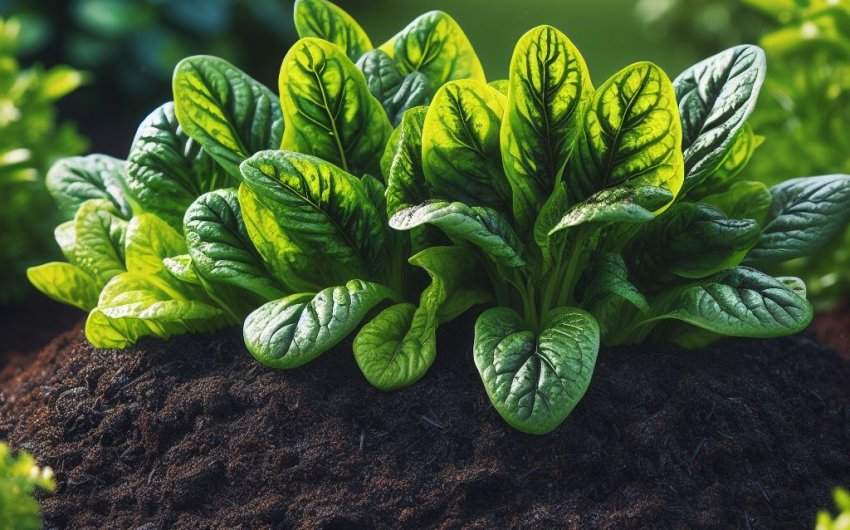
For any gardener, the dream is to have thriving, vibrant plants that produce bountiful harvests or stunning blooms. We often focus on what we feed our plants directly, like fertilizers, but the true secret to long-term garden success lies beneath the surface: in the soil. Healthy soil isn't just dirt; it's a living ecosystem, teeming with beneficial microorganisms and rich in organic matter. And when it comes to enriching this vital foundation, nothing quite compares to compost.
Compost is often called "black gold" by experienced gardeners, and for good reason. It's the end result of decomposed organic materials – think kitchen scraps, yard waste, and more – transformed into a dark, crumbly, nutrient-rich material. It’s a natural, sustainable, and incredibly effective way to nourish your garden from the ground up. Whether your soil is sandy and drains too quickly, or heavy clay that holds too much water, compost has a remarkable ability to improve its structure, provide essential nutrients, and foster a healthy environment for your plants to flourish. Learning how to use compost is one of the best investments you can make in the long-term health and productivity of your garden.
What is Compost and Why is it So Beneficial for Soil?
Compost is basically nature's way of recycling. It's the rich, dark, crumbly material that results when organic matter, like kitchen scraps and yard waste, breaks down. This breakdown happens thanks to the hard work of tiny living things like bacteria, fungi, and worms. Think of it as a natural fertilizer and soil improver all rolled into one.
The reason compost is so beneficial for soil is multifaceted. It's not just about adding nutrients, though it does that too. Compost fundamentally improves the soil structure. If you have heavy clay soil that gets waterlogged and hard, compost helps break it up, creating tiny air pockets and improving drainage. If you have sandy soil that drains too quickly and struggles to hold water and nutrients, compost acts like a sponge, increasing its water retention and nutrient-holding capacity.
Beyond structure, compost introduces a thriving community of beneficial microorganisms to the soil. These microscopic workers help make nutrients available to your plants, fight off diseases, and create a healthier overall environment. It also provides a slow, steady release of a wide range of essential nutrients, unlike synthetic fertilizers that often provide a quick burst of only a few. Knowing how to use compost is truly like giving your soil a powerful health boost.
Understanding the Decomposition Process
To truly appreciate compost, it helps to understand the decomposition process. This is how kitchen scraps and yard waste turn into that rich, dark "black gold." It's a natural cycle driven by tiny living things.
The process starts when you combine "greens" (nitrogen-rich materials like fresh grass clippings, fruit and vegetable scraps) and "browns" (carbon-rich materials like dry leaves, wood chips, shredded paper). You also need some water and air.
Then, the magic happens thanks to:
- Microorganisms: Bacteria and fungi are the primary decomposers. They break down the organic matter, heating up the compost pile in the process (if it's a hot compost pile).
- Invertebrates: Worms, beetles, and other creatures also help break down materials into smaller pieces, aerating the pile as they move around.
As these organisms work, they consume the organic materials and release simpler compounds, including nutrients that plants can use. The materials shrink, change color, and lose their original form, eventually becoming a uniform, earthy-smelling, dark, crumbly substance – finished compost. This transformation makes the nutrients locked in the raw materials available to your soil and, in turn, to your garden plants.
Compost as a Natural Soil Amendment
Compost is often called the ultimate natural soil amendment because it addresses so many common soil problems, fundamentally improving the health of your soil and plants. It's not just a fertilizer; it's a complete soil conditioner.
- For Clay Soil: If you have heavy clay soil, it often compacts easily, drains poorly, and starves roots of air. Adding compost helps to loosen up the clay particles, creating tiny air pockets and improving drainage. This makes the soil more workable and healthier for root growth.
- For Sandy Soil: Sandy soil has the opposite problem: it drains too quickly, doesn't hold nutrients well, and struggles to support plants. Compost acts like a sponge in sandy soil, significantly increasing its ability to retain moisture and hold onto nutrients, making them available to plants over time.
- Improves Soil Structure: Regardless of your soil type, compost adds organic matter that binds soil particles into "aggregates." These aggregates create a stable, crumbly structure that is ideal for root penetration, water absorption, and air exchange.
- Boosts Microbial Life: Compost is teeming with beneficial bacteria, fungi, and other microorganisms. These tiny workers help break down nutrients, fight off plant diseases, and create a vibrant, living soil ecosystem, which is crucial for healthy plants.
By regularly incorporating compost, you create a balanced, fertile, and resilient soil environment for your garden.
Nutrient Delivery and pH Balance
One of the incredible benefits of compost for the health of your soil and plants is its role in nutrient delivery and pH balance. Unlike synthetic fertilizers that provide a quick burst of specific nutrients, compost offers a more holistic and sustainable approach.
- Slow-Release Nutrients: Compost contains a wide range of essential plant nutrients (like nitrogen, phosphorus, potassium, and various micronutrients) that are slowly released over time as the organic matter continues to break down. This means your plants get a steady, consistent supply of food, reducing the need for frequent synthetic fertilizing and minimizing nutrient runoff.
- Enhanced Nutrient Availability: The beneficial microorganisms in compost help convert nutrients into forms that are easily absorbed by plant roots. They can even "unlock" nutrients already present in the soil but in unavailable forms.
- Buffering Soil pH: Compost has a remarkable ability to act as a "buffer" for soil pH. If your soil is too acidic, compost helps raise the pH slightly. If it's too alkaline, it helps lower it. It helps stabilize the pH closer to a neutral range, which is ideal for most garden plants because it allows them to access a wider range of nutrients efficiently. This makes compost an incredibly versatile and beneficial amendment for almost any garden situation.
How Can I Use Compost in My Vegetable Garden?
The vegetable garden is one of the best places to experience the magic of compost. Using compost in your vegetable beds will lead to healthier, more vigorous plants and significantly increase your harvests. It improves soil structure, provides essential nutrients, and helps manage moisture, all of which are crucial for demanding vegetable crops.
There are several effective ways to use compost in your vegetable garden, depending on whether you're preparing new beds, planting individual seedlings, or maintaining established crops. Incorporating it before planting, known as amending the soil, is fundamental. You can also use it at planting time to give new plants a strong start.
Throughout the growing season, top-dressing with compost provides a continuous supply of nutrients and acts as a beneficial mulch. You can even use compost in specific ways for certain crops, like those in raised garden beds. By implementing these strategies, you'll be actively nurturing your soil, which in turn nurtures your vegetables, leading to a bountiful yield from your home garden.
Amending Soil Before Planting
One of the most effective ways to use compost in your vegetable garden is by amending the soil before planting. This establishes a rich, healthy foundation that will benefit your plants throughout the entire growing season.
Here's how to do it:
- Prepare the Bed: Clear the area of weeds and debris. If it's a new bed, you might want to double-dig or simply loosen the top 6-12 inches of existing soil using a garden fork or tiller.
- Spread a Layer of Compost: Apply a generous layer of finished compost over the entire surface of your garden bed. Aim for a depth of 2-4 inches, depending on the current quality of your soil. If your soil is very poor (heavy clay or very sandy), you can add even more.
- Incorporate the Compost: Gently mix the compost into the top 6-12 inches of your existing soil using your garden fork, spade, or tiller. This helps integrate the organic matter throughout the root zone where your plants will be growing.
This pre-planting amendment improves soil structure, enhances drainage and water retention, and provides a slow-release supply of nutrients, setting your vegetable crops up for success right from the start.
Using Compost at Planting Time
Beyond amending the entire bed, you can also use compost at planting time to give individual plants a fantastic start in your vegetable garden. This provides a concentrated boost of nutrients and beneficial microbes right where the young roots need them most.
- For Transplanting Seedlings: When you're ready to plant your vegetable seedlings (like tomatoes, peppers, or broccoli), dig a hole that's twice as wide as the seedling's root ball. Mix a handful or two of finished compost into the soil you removed from the hole. Place the seedling in the hole, ensuring its base is at the same level as it was in its pot, then backfill with the compost-amended soil. Gently firm the soil around the plant and water well. The compost will help the tender roots establish quickly and access nutrients.
- For Direct Sowing Seeds: When directly sowing seeds (like carrots, radishes, or beans), you can create a small furrow and lightly sprinkle a thin layer of compost into the bottom before sowing your seeds. Or, you can mix a bit of compost into the top inch or two of the seedbed. This provides gentle nourishment for tiny seedlings as they emerge.
This targeted application ensures that new plants have immediate access to healthy soil and nutrients, promoting strong growth from day one and contributing to a thriving home garden.
Top-Dressing Established Plants
Top-dressing established plants with compost is an excellent way to provide ongoing nourishment and improve soil health throughout the growing season in your vegetable garden. It's a gentle and continuous feeding method that benefits your plants as they mature.
Here's how to do it:
- Apply to Soil Surface: Once your vegetable plants are established and actively growing, gently spread a layer of 1-2 inches of finished compost directly on the soil surface around the base of the plants. Be careful not to pile compost directly against the stems of your plants, as this can sometimes lead to rot.
- Benefits: As you water (or when it rains), nutrients from the compost will slowly leach down into the soil, providing a steady supply of food for the roots. The compost layer also acts as a natural mulch, helping to suppress weeds, retain soil moisture, and moderate soil temperature. This means less watering and weeding for you!
- Frequency: You can top-dress once or twice during the growing season, particularly for heavy feeders like tomatoes, corn, or squash, or after you've harvested a crop and are preparing the bed for succession planting.
This method continuously feeds the soil food web, which in turn feeds your plants, ensuring their long-term vitality and productivity.
Using Compost in Raised Garden Beds
Raised garden beds are already fantastic for gardening, and using compost in them makes them even better for the health of your soil and plants. Because raised beds are often filled with imported soil, you have complete control over its quality, and compost is your best friend in this scenario.
When setting up new raised beds:
- Initial Fill: Create a high-quality soil mix by combining good topsoil with a significant amount of finished compost. A common recommendation is a 50/50 mix of topsoil and compost, or even a mix of topsoil, compost, and some vermiculite or perlite for extra drainage and aeration. This rich, well-draining, and nutrient-filled medium is perfect for vegetable plants.
For ongoing maintenance of established raised beds:
- Annual Top-Up: Over time, the soil level in raised beds can settle and organic matter gets used up. Each spring, before planting, add a fresh 1-2 inch layer of finished compost to the top of your raised beds and lightly mix it into the top few inches of existing soil. This replenishes nutrients and improves structure for the new season's crops.
- Post-Harvest Recharge: After harvesting a crop, you can also add a fresh layer of compost to prepare the bed for succession planting.
Compost is the ideal material for keeping your raised beds vibrant and productive year after year, directly benefiting the plants grown within them.
How Can I Use Compost in Flower Beds and Landscaping?
Compost isn't just for growing vegetables! It's equally beneficial for boosting the health of your soil and plants in flower beds and landscaping. Whether you're planting new shrubs, nurturing perennial blooms, or simply maintaining your garden beds, compost can transform tired soil into a vibrant ecosystem where ornamental plants flourish.
The principles are similar to using it in a vegetable garden: you're aiming to improve soil structure, add nutrients, and encourage beneficial microbial activity. You can amend the soil before planting new flowers or shrubs, giving them the best possible start. For existing beds, top-dressing with compost is an excellent, non-disruptive way to provide ongoing nourishment and improve the soil over time.
Compost can also be incorporated when planting individual trees or large shrubs, helping them establish robust root systems. By consistently applying compost to your ornamental beds, you'll notice more vigorous growth, brighter blooms, and more resilient plants that are better able to withstand pests and diseases, leading to a truly beautiful and thriving landscape.
Amending Soil for New Flower Beds
When creating new flower beds, amending the soil with compost is one of the best investments you can make for the health of your plants and long-term success. Just like with vegetable gardens, starting with rich, well-structured soil sets the stage for vibrant blooms and healthy foliage.
Here's how to go about it:
- Clear the Area: Remove all weeds (including their roots) and any debris from the chosen spot for your new flower bed.
- Loosen Existing Soil: Dig down and loosen the top 8-12 inches of your existing soil using a garden fork or shovel. This is especially important if you have compacted soil.
- Spread and Incorporate Compost: Spread a generous layer of finished compost over the loosened soil. Aim for a depth of 2-4 inches, or even more if your soil is particularly poor (e.g., heavy clay or very sandy). Then, thoroughly mix the compost into the top 8-12 inches of your loosened soil. This integrates the organic matter throughout the root zone.
This initial amendment will improve drainage, increase water and nutrient retention, and introduce a healthy microbial community, providing the ideal growing medium for your new annuals, perennials, or shrubs. Your new flower plants will establish faster and grow stronger, leading to a stunning display of floral beauty.
Top-Dressing Established Flower Beds
Top-dressing established flower beds with compost is a gentle yet powerful way to continuously improve the health of your soil and plants without disturbing existing roots. This method provides ongoing nutrition and enhances the soil structure for your perennial flowers, shrubs, and annuals year after year.
Here's how to top-dress:
- Clear Debris: Before applying compost, clear away any fallen leaves, dead plant material, or heavy weeds from the surface of your flower beds.
- Apply a Thin Layer: Spread a uniform layer of finished compost, usually about (1/2) inch to 1 inch thick, directly over the soil surface around your existing flower plants. Be careful not to pile compost too high directly against the stems or trunks of plants, leaving a small "collar" around them.
- Benefits: As you water or as rain falls, the nutrients from the compost slowly seep down into the soil, feeding the roots. The compost also acts as a natural mulch, helping to suppress weeds, retain moisture, and regulate soil temperature, which are all beneficial for vibrant blooms.
- Timing: The best time to top-dress is in early spring before new growth really takes off, or in the fall after the growing season winds down.
This regular feeding of the soil ecosystem keeps your flower beds healthy, promotes strong root growth, and encourages more abundant and vibrant blooms.
Planting Trees and Shrubs with Compost
When planting trees and shrubs, using compost is a fantastic way to give them the best possible start and ensure their long-term health. Trees and shrubs are long-term investments in your landscape, so proper planting is crucial.
Here's how to incorporate compost:
- Dig the Hole: Dig a planting hole that is two to three times wider than the root ball of your tree or shrub, but no deeper than the root ball itself. You want the top of the root ball to be level with or slightly above the surrounding ground.
- Amend the Backfill Soil: Do not fill the hole with pure compost, as this can create a "bathtub effect" where water drains poorly from the amended hole into the surrounding native soil. Instead, mix your finished compost with the soil you dug out from the hole. A mix of 1/3 compost to 2/3 native soil is often recommended, but adjust based on your soil test. This creates a good transition zone for the roots.
- Plant and Backfill: Place your tree or shrub in the hole, ensuring it's at the correct depth. Backfill the hole with the compost-amended soil, gently firming it around the roots to remove air pockets.
- Water Thoroughly: Water deeply after planting to settle the soil.
- Mulch: Apply a 2-3 inch layer of organic mulch (like wood chips or shredded bark) over the root zone, keeping it a few inches away from the trunk. This helps retain moisture and regulate soil temperature.
The compost in the backfill helps to improve the surrounding soil structure, provides slow-release nutrients, and encourages the tree or shrub's roots to spread out into the native soil, leading to quicker establishment and better long-term vigor.
What Are Some Common Compost Application Mistakes?
While compost is incredibly beneficial, it's possible to make a few common compost application mistakes that can reduce its effectiveness or even cause minor issues for your soil and plants. Knowing what to avoid ensures you get the most out of your "black gold."
One frequent mistake is using unfinished compost. Compost needs to be fully broken down before it's applied to plants, otherwise, it can actually harm them. Another common error is applying too thick a layer, which can suffocate roots or create problems with moisture management. Similarly, piling compost directly against plant stems can lead to rot or pest issues.
Not understanding the difference between compost and fertilizer can also be a mistake, as they serve different primary purposes. Finally, overlooking proper storage of compost can affect its quality. By being aware of these pitfalls, you can ensure your efforts to use compost are always beneficial, leading to healthier plants and a thriving garden.
Using Unfinished or "Hot" Compost
One of the most common compost application mistakes is using unfinished or "hot" compost in your garden beds. While it might look dark and somewhat crumbly, compost that hasn't fully matured can actually harm your plants.
- Unfinished Compost: This means the decomposition process is still actively underway. It might still have recognizable pieces of original materials (like large bits of food scraps or leaves) and may smell strongly.
- "Hot" Compost: During active decomposition, especially in a well-managed pile, temperatures can reach (140^\circ\text{F}) to (160^\circ\text{F}) ((60^\circ\text{C}) to (71^\circ\text{C})). While great for killing weed seeds and pathogens in the pile, this heat can literally cook delicate plant roots if applied directly.
- Nitrogen Drawdown: Actively decomposing compost (especially if it has a lot of "brown" material) can temporarily "rob" nitrogen from the soil to fuel the remaining decomposition. This is called nitrogen drawdown, and it can leave your plants deficient in this crucial nutrient, causing them to yellow and stunt their growth.
Always wait until your compost is fully "finished" before applying it. Finished compost should be dark brown, crumbly, have an earthy smell, and you should no longer be able to identify the original materials. If it's still warm or clearly in the active decomposition phase, use it as a mulch on top of the soil where roots aren't directly buried in it, or wait for it to fully mature.
Applying Too Thick a Layer
While compost is wonderful for the health of your soil and plants, applying too thick a layer can be a common compost application mistake. It might seem like more is better, but an excessive layer can actually create problems.
- Suffocating Roots: A very thick layer of compost, especially if it's dense, can reduce air circulation to plant roots. Roots need oxygen to thrive, and if they're smothered, it can lead to stunted growth or even root rot.
- Excessive Moisture Retention: While compost helps with moisture retention, too much can lead to excessively wet conditions, particularly in areas with poor drainage or during prolonged wet periods. This can also encourage fungal diseases.
- Waste of Resource: You're also simply wasting your valuable compost. A thin, consistent layer applied regularly is far more effective than one huge, infrequent application.
For amending beds, 2-4 inches mixed into the soil is usually sufficient. For top-dressing, a (1/2) inch to 1-inch layer is generally ideal. Always spread compost evenly and avoid creating deep mounds. This ensures your plants receive the benefits without experiencing negative consequences.
Piling Compost Directly Against Plant Stems/Trunks
Another very common compost application mistake to avoid is piling compost directly against plant stems or tree trunks. While compost is beneficial for roots, it can cause problems when in direct, prolonged contact with the above-ground parts of plants.
- Stem Rot/Crown Rot: When compost is piled up around the base of a plant stem (the "crown" area) or against the trunk of a tree, it can trap excessive moisture against the plant's surface. This constant dampness creates an ideal environment for fungal diseases to develop, leading to stem rot or crown rot, which can girdle the plant (cut off its circulation) and eventually kill it.
- Pest Attraction: A mound of damp organic matter can also attract pests like slugs, snails, voles, or even insects looking for shelter, which can then damage the plant's stem.
When top-dressing or mulching with compost, always leave a small "doughnut" or "collar" of space (about 1-2 inches) around the base of the plant stem or tree trunk. This ensures good air circulation and prevents moisture buildup directly against the plant, keeping your plants healthy and free from rot issues.
What Are Some Creative Ways to Use Compost Beyond the Garden?
While we've focused on how to use compost to boost the health of your soil and plants in garden beds, its benefits extend far beyond the garden. Compost is an incredibly versatile and sustainable resource that can enhance various aspects of your home and landscape, providing value even if you don't have a traditional garden plot.
From revitalizing your lawn to nurturing potted plants and even creating nutrient-rich "compost tea," there are many inventive ways to leverage this "black gold." It can help improve the look of your yard, support container gardening, and even play a role in starting new seeds. Thinking creatively about compost can help you utilize every bit of this valuable material, maximizing its environmental and practical benefits around your home. Don't let any of your hard-earned compost go to waste – explore these alternative uses to enhance even more of your living spaces.
Revitalizing Lawns with Compost Top-Dressing
One of the most effective and creative ways to use compost beyond the garden is by revitalizing lawns with compost top-dressing. This simple technique can transform a tired, patchy lawn into a lush, healthy green carpet, providing nutrients and improving soil structure without heavy chemical fertilizers.
Here's how to do it:
- Prepare the Lawn: Mow your lawn to its regular height. If your lawn is heavily compacted, consider aerating it first with a lawn aerator to allow the compost to penetrate deeper.
- Spread a Thin Layer: Evenly spread a thin layer (about (1/4) to (1/2) inch) of finished compost over your entire lawn. You can use a shovel and rake, or a broadcast spreader for larger lawns.
- Rake and Water: Gently rake the compost into the grass blades so it settles down to the soil surface. Then, water your lawn thoroughly to help the compost settle in and begin working its magic.
- Benefits: As the compost breaks down, it improves the soil structure beneath your grass (beneficial for both sandy and clay soils), introduces beneficial microorganisms, and provides a slow, steady release of nutrients directly to the grass roots. This leads to thicker, greener, and more resilient turf that is better able to resist pests and diseases.
This method can be done once or twice a year (spring and/or fall) for continuous improvement of your lawn's health.
Enriching Potting Mix for Container Plants
For those who enjoy container gardening, enriching potting mix with compost is one of the most effective and creative ways to use compost beyond the garden. Potted plants rely entirely on the limited soil in their containers for nutrients, and compost provides a natural, slow-release boost.
Standard potting mixes, while good for drainage, often lack long-term nutrients and beneficial microbial life. Adding compost transforms them into a richer, more vibrant growing medium.
Here's how:
- Mixing for New Containers: When preparing new pots, mix finished compost with your regular potting mix at a ratio of about 1 part compost to 3-4 parts potting mix. This provides a gentle, consistent supply of nutrients, improves moisture retention, and introduces beneficial microbes, all crucial for the health of your plants in a confined space.
- Top-Dressing Established Containers: For existing container plants, you can gently scrape off the top inch or two of old potting mix and replace it with fresh compost. This recharges the soil with nutrients without having to repot the entire plant.
Compost in containers helps reduce the need for frequent liquid fertilizing, creates a more stable root environment, and helps your potted flowers, herbs, and vegetables thrive throughout the season.
Making Compost Tea for Liquid Feeding
One of the most creative ways to use compost beyond the garden is by making compost tea for liquid feeding. Compost tea is a liquid extract made from compost, packed with beneficial microorganisms and soluble nutrients. It's like a nutritious smoothie for your plants, perfect for a quick boost or to help them recover from stress.
Here's a simple way to make and use it:
- Materials: You'll need finished compost, a bucket, a breathable bag (like a burlap sack or old pillowcase), and water (preferably non-chlorinated).
- Brewing: Fill the breathable bag with about 1-2 cups of compost per gallon of water. Suspend the bag in the bucket of water. Let it steep for 1-3 days, stirring occasionally. The water will turn brownish. You can also buy compost tea brewers for aeration, which improves microbial activity.
- Application: Once brewed, remove the compost bag. The remaining liquid is your compost tea. Dilute it if desired (e.g., 1 part tea to 1-4 parts water, depending on strength). You can use it as a soil drench, watering the base of your plants, or as a foliar spray, misting the leaves.
- Benefits: Compost tea provides easily absorbable nutrients and a boost of beneficial microbes directly to the leaves and roots, enhancing plant vigor, improving disease resistance, and contributing to the overall health of your plants.
It's a fantastic way to stretch your compost supply and give your plants a fast-acting, natural pick-me-up.
Starting Seeds and Cuttings
Compost is not just for established plants; it's also a fantastic and creative way to use compost beyond the garden by incorporating it into your mix for starting seeds and cuttings. Giving these delicate new lives the best possible start is crucial for successful propagation.
While straight compost might be too rich for very tiny seeds, mixing it into your seed-starting or cutting mixes provides gentle, slow-release nutrients and a healthy microbial environment that promotes strong root development.
- Seed-Starting Mix: Combine 1 part finished compost with 2-3 parts seed-starting mix or peat moss and 1 part perlite or vermiculite. This blend offers good drainage, aeration, and enough nutrients for the tiny seedlings as they emerge and begin to grow.
- Potting Up Seedlings: Once your seedlings have developed their first true leaves and are ready to be "potted up" into larger containers before going into the garden, use a slightly richer mix. A blend of 1 part compost to 2-3 parts potting mix provides the increased nutrients they need for rapid growth.
- Rooting Cuttings: For rooting cuttings, a mix with good drainage is paramount. You can add a small amount of compost (e.g., 1 part compost to 4-5 parts perlite/vermiculite/coarse sand) to provide a gentle nutrient boost as roots begin to form, encouraging stronger root development for your future plants.
By utilizing compost in these early stages, you give your new plants a foundational boost for a lifetime of healthy growth.