
Best Houseplants for Low-Light Rooms: Thrive in Shade
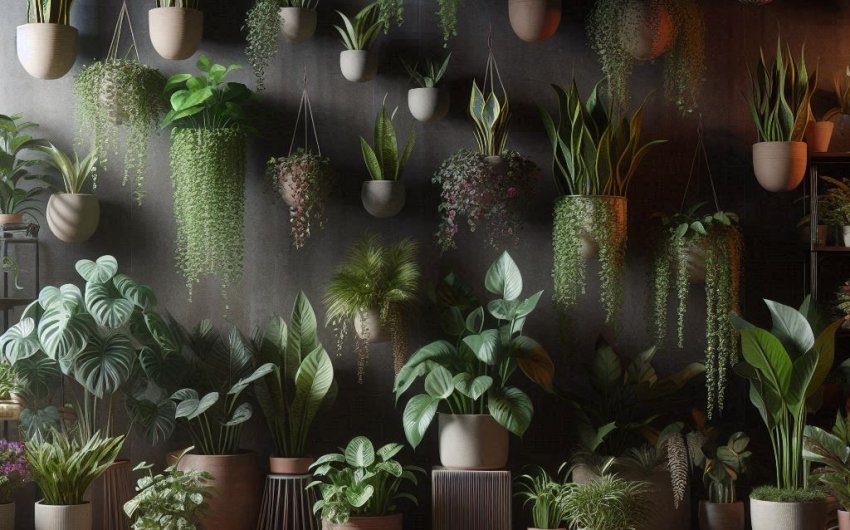
Bringing lush greenery into spaces with limited natural light is entirely possible with the right selections. Many popular houseplants can not only survive but genuinely thrive in shade, offering beauty and life to dim corners and north-facing rooms. This guide explores the best houseplants for low-light rooms, providing insights into their care and why they are perfectly suited for less illuminated environments.
What Does "Low Light" Really Mean for Houseplants?
Understanding what "low light" means in the context of houseplants is crucial for selecting the right plants and ensuring their success. It's not about complete darkness, but rather a spectrum of reduced light intensity.
Defining Low Light:
- "Low light" does not mean no light. All plants need some form of light to survive and perform photosynthesis, the process by which they convert light energy into chemical energy for growth.
- Instead, low light refers to an environment where the available natural light is significantly less intense and/or of shorter duration compared to bright, direct light.
- Think of it as mimicking the understory of a dense forest where plants receive filtered or indirect light for most of the day, or perhaps a room with windows facing north or blocked by buildings/trees.
Characteristics of Low Light Areas:
- North-Facing Windows: Rooms with only north-facing windows receive indirect, consistent light throughout the day, but it's never intense direct sunlight. This is typically considered low to medium light.
- Inland from Windows: As you move further away from any window (even a bright one), the light intensity drops off dramatically. Light levels can be significantly lower just a few feet from a window.
- Rooms with Overhangs/Trees: Rooms shaded by large trees, eaves, or neighboring buildings will naturally receive less intense light.
- Interior Rooms: Bathrooms, hallways, or offices without windows or with only small, frosted windows are prime examples of very low light environments.
- Corners and Shelves: Corners of rooms or shelves that are not directly in the path of window light will also fall into the low-light category.
Measuring Light Intensity (General Guidelines):
- Bright Direct Light: Think of a south-facing window where the sun's rays hit the plant directly for several hours. This is typically too intense for "low-light" plants.
- Bright Indirect Light: A few feet away from a south or west-facing window, or near an east-facing window. The light is bright but not directly hitting the plant. Many "medium-light" plants thrive here.
- Medium Light: A few feet away from an east-facing window, or 5-10 feet (1.5-3 meters) from a bright south/west window. The room is generally bright, but the plant isn't getting direct sun.
- Low Light: This is where houseplants for low-light rooms truly shine. It means:
- No Direct Sun: The plant never receives direct sunlight.
- Enough to Read: You can comfortably read a book in this spot during the day without artificial light. If you can't read, it's likely too dark for even the toughest low-light plants.
- Filtered Light: Light that passes through sheer curtains or bounces off walls.
How Plants Adapt to Low Light:
Advertisement- Plants that thrive in shade often have specific adaptations to maximize light absorption:
- Darker Green Leaves: They may produce more chlorophyll (the green pigment that captures light) to compensate for less light, making their leaves a deeper green.
- Thinner Leaves: Some have thinner, broader leaves to increase the surface area for light collection.
- Slower Growth: They typically grow much slower than plants in brighter conditions, as they have less energy for rapid growth.
- Less Need for Water: Their metabolic rate is slower, so they often require less water. Overwatering is a common killer of low-light plants.
- Plants that thrive in shade often have specific adaptations to maximize light absorption:
Test Your Light:
- The Hand Test: Place your hand a few inches above where the plant would sit during the brightest part of the day. If your hand casts a sharp, distinct shadow, it's bright light. If the shadow is soft and fuzzy, it's medium light. If there's barely any shadow, it's low light.
- Light Meter App: Many smartphone apps claim to measure light intensity, though their accuracy varies. They can provide a general idea.
- Observe Your Existing Plants: If plants in a certain spot are stretching, looking leggy, or their new leaves are very small, it's a sign they're not getting enough light.
By accurately assessing the light levels in your home, you can confidently select the best houseplants for low-light rooms and ensure they receive adequate, though reduced, illumination to flourish.
What are the Best Houseplants for Very Low Light (Near Darkness)?
Even the darkest corners of your home can host beautiful greenery, provided you select plants that are truly masters of survival in minimal light. These houseplants for low-light rooms are incredibly resilient and can add life to spaces where other plants would simply fail.
ZZ Plant (Zamioculcas zamiifolia):
- Why it Thrives in Low Light: The ZZ plant is perhaps the most resilient low-light champion. It stores water in its thick rhizomes (underground stems) and stems, allowing it to tolerate infrequent watering and very dim conditions. It has evolved to survive periods of drought and low light in its native East African environment.
- Appearance: Features glossy, dark green, oval-shaped leaves on upright, thick stems. It has a modern, sculptural look.
- Care Tips:
- Watering: Its biggest enemy is overwatering. Allow the soil to dry out completely between waterings, then wait an extra week or two. It's much better to underwater than overwater.
- Soil: Use a well-draining potting mix.
- Growth: Grows slowly in low light, but new shoots will still emerge, albeit less frequently.
- Availability: Easy to find online, such as a ZZ Plant on Amazon.
- Note: All parts of the ZZ plant are toxic if ingested, so keep away from pets and children.
Snake Plant (Sansevieria trifasciata, now Dracaena trifasciata):
- Why it Thrives in Low Light: Another incredibly hardy plant, the snake plant can endure very low light levels, although it will grow faster and produce more vibrant colors in brighter indirect light. It's renowned for its ability to survive neglect.
- Appearance: Stiff, upright, sword-like leaves that grow directly from the soil. Varieties come in various shades of green, often variegated with yellow or silver margins. Popular cultivars include 'Laurentii' (yellow edges) and 'Zeylanica' (green with wavy bands).
- Care Tips:
- Watering: Like the ZZ plant, it's highly susceptible to root rot from overwatering. Allow the soil to dry out completely between waterings. In low light, this might be every 3-4 weeks, or even less in winter.
- Soil: Requires well-draining soil.
- Growth: Very slow growth in very low light.
- Availability: Widely available, look for a Snake Plant on Amazon.
- Note: Mildly toxic if ingested.
Cast Iron Plant (Aspidistra elatior):
- Why it Thrives in Low Light: True to its name, this plant is incredibly tough and can tolerate extremely low light, poor soil, temperature fluctuations, and neglect. It's been a popular Victorian-era houseplant for a reason.
- Appearance: Large, dark green, glossy, upright leaves that emerge directly from the soil. Some variegated varieties exist, like 'Variegata' with creamy white stripes.
- Care Tips:
- Watering: Water moderately, allowing the topsoil to dry out between waterings. Less frequent watering is needed in low light.
- Soil: Tolerates a range of soils but prefers well-draining.
- Growth: Very slow-growing.
- Availability: Less common than ZZ or Snake Plants, but can be found at specialty nurseries or some online retailers, search for Cast Iron Plant.
Pothos (Epipremnum aureum):
- Why it Thrives in Low Light: While it prefers brighter indirect light for optimal variegation, Pothos is remarkably tolerant of low light. It may lose some variegation in very dim conditions (reverting to more green), but it will still survive and grow. It's incredibly forgiving of neglect.
- Appearance: Trailing vines with heart-shaped leaves. Common varieties include 'Golden Pothos' (green with yellow splashes), 'Marble Queen' (green with white variegation), and 'Jade Pothos' (solid green).
- Care Tips:
- Watering: Allow the top few inches of soil to dry out before watering. It will show signs of thirst (slightly drooping leaves) before severe wilting.
- Growth: Slower growth in low light, but still a reliable survivor.
- Availability: One of the easiest houseplants to find, a Golden Pothos plant is a great starter.
- Note: Toxic if ingested.
These resilient choices prove that even in the dimmest of spaces, you can still enjoy the beauty and benefits of houseplants for low-light rooms, allowing them to truly thrive in shade.
What are the Best Houseplants for Medium-Low Light (Filtered Shade)?
For areas that receive slightly more light than near darkness, but still no direct sun, a wider array of houseplants for low-light rooms can flourish. These spots might be a few feet away from an east-facing window, or near a north-facing window, offering consistent but gentle illumination.
Peace Lily (Spathiphyllum):
- Why it Thrives in Medium-Low Light: Peace lilies are native to tropical rainforest understories, where they naturally receive filtered light. They are known for tolerating lower light levels and will even produce their distinctive white "flowers" (modified leaves, or spathes) in these conditions, though flowering may be less prolific than in brighter spots.
- Appearance: Elegant dark green, glossy leaves with prominent veins, and striking white spathes that resemble flowers, arising on tall stems.
- Care Tips:
- Watering: They prefer consistently moist soil, but not waterlogged. Allow the top inch or two of soil to dry out before watering again. Peace lilies are excellent at telling you when they're thirsty by dramatically drooping their leaves (they usually perk right back up after watering).
- Humidity: Appreciates higher humidity, so misting occasionally or placing near a humidifier can be beneficial.
- Availability: Very common and accessible, a Peace Lily plant is a popular choice.
- Note: Mildly toxic if ingested.
Prayer Plant (Maranta leuconeura):
- Why it Thrives in Medium-Low Light: These plants are also from the forest floor, preferring filtered light. They are named for their habit of folding their leaves upwards at night, resembling praying hands, and lowering them during the day. Direct sun can scorch their delicate leaves.
- Appearance: Stunning variegated leaves with intricate patterns of green, red, pink, and cream, depending on the cultivar (e.g., 'Red Vein', 'Lemon Lime').
- Care Tips:
- Watering: Keep the soil consistently moist but never soggy. Use distilled or rainwater if possible, as they can be sensitive to fluoride in tap water.
- Humidity: Requires high humidity to prevent crispy leaf edges. Regular misting, a pebble tray, or a humidifier are recommended.
- Availability: Widely available, search for a Prayer Plant to see the beautiful varieties.
Chinese Evergreen (Aglaonema):
- Why it Thrives in Medium-Low Light: Chinese Evergreens are incredibly versatile and tolerant of various light conditions, including medium-low light. They are known for their resilience and wide array of colorful foliage, which brightens up dimmer spaces.
- Appearance: Oval-shaped, glossy leaves on short stems. Cultivars offer striking variegation in shades of green, silver, pink, and red ('Silver Bay', 'Red Aglaonema', 'Emerald Bay').
- Care Tips:
- Watering: Allow the top couple of inches of soil to dry out between waterings. Avoid overwatering, especially in low light where soil dries slower.
- Humidity: Tolerates average home humidity but appreciates higher levels.
- Availability: A very popular and easy-to-find option, a Chinese Evergreen plant is excellent for adding color to low-light areas.
- Note: Toxic if ingested.
Philodendron (Various Trailing and Upright Types):
- Why it Thrives in Medium-Low Light: Many types of Philodendrons, particularly the common heartleaf varieties, are highly adaptable to lower light conditions. While they'll grow more vigorously in brighter indirect light, they maintain their attractive foliage and trailing habit in filtered shade.
- Appearance:
- Heartleaf Philodendron (Philodendron hederaceum): Classic heart-shaped, glossy green leaves on long, trailing vines.
- Pink Princess Philodendron (Philodendron erubescens 'Pink Princess'): While it needs brighter indirect light for best pink variegation, it can survive in medium-low light, though with less vibrant pink.
- Selloum Philodendron (Thaumatophyllum bipinnatifidum, formerly Philodendron selloum): A large, upright plant with deeply lobed, dramatic leaves. Tolerates medium-low light but needs space.
- Care Tips:
- Watering: Allow the top 1-2 inches of soil to dry before watering.
- Humidity: Appreciates moderate to high humidity.
- Availability: Heartleaf Philodendrons are very common and affordable, a Heartleaf Philodendron is a versatile choice for trailing or climbing.
- Note: Toxic if ingested.
These selections are perfect houseplants for low-light rooms that still get a gentle wash of ambient light, proving that even filtered shade can support vibrant and diverse greenery.
What are the Best Houseplants for Bright-Low Light (North-Facing Windows)?
When a room receives consistent, indirect illumination, such as from a north-facing window or a brightly lit interior space, more options for houseplants for low-light rooms become available. These plants appreciate the consistent, gentle light without the intensity of direct sun.
Parlor Palm (Chamaedorea elegans):
- Why it Thrives in Bright-Low Light: The Parlor Palm is a classic houseplant known for its tolerance of low light, stemming from its native habitat as an understory plant in rainforests. It prefers bright, indirect light but can adapt remarkably well to dimmer conditions.
- Appearance: Delicate, feathery, dark green fronds on slender, upright stems, giving it an elegant, tropical look. It grows slowly and typically reaches a manageable size indoors.
- Care Tips:
- Watering: Keep the soil consistently moist but never soggy. Allow the top inch or two to dry out slightly between waterings. Avoid overwatering.
- Humidity: Appreciates moderate to high humidity; misting can be beneficial.
- Availability: A very popular and widely available choice for adding a touch of greenery, a Parlor Palm plant is perfect for filling vertical space.
- Note: Non-toxic, making it safe for homes with pets.
Spider Plant (Chlorophytum comosum):
- Why it Thrives in Bright-Low Light: Spider plants are incredibly adaptable and forgiving. While they produce more "plantlets" (spiderettes) in brighter conditions, they will still thrive and maintain their attractive foliage in medium-low to bright-low light.
- Appearance: Arching, grass-like leaves, often variegated with white or cream stripes down the center or along the edges. They produce long stems with small white flowers that develop into baby spider plants, creating a cascading effect.
- Care Tips:
- Watering: Water thoroughly when the top inch of soil feels dry. They are somewhat drought-tolerant but prefer consistent moisture.
- Soil: Use a well-draining potting mix.
- Availability: Extremely common and easy to find, a Spider Plant is often a starter plant for new enthusiasts.
- Note: Non-toxic, making it a safe choice for pet owners.
Dracaena (Corn Plant, Janet Craig, Lucky Bamboo):
- Why it Thrives in Bright-Low Light: Many Dracaena species are highly tolerant of low light, which is why they are often found in office settings. While they appreciate brighter indirect light, they can adapt well to dimmer conditions.
- Appearance: Wide variety of forms and foliage.
- Corn Plant (Dracaena fragrans): Features thick, woody stems with large, sword-shaped leaves that resemble corn stalks. Cultivars like 'Massangeana' have a yellow stripe.
- Janet Craig (Dracaena deremensis 'Janet Craig'): Dark green, glossy, strap-like leaves on sturdy stems. Very robust.
- Lucky Bamboo (Dracaena sanderiana): Often grown in water, but can also thrive in soil. Not a true bamboo, but a Dracaena.
- Care Tips:
- Watering: Allow the top 1-2 inches of soil to dry out between waterings. They are susceptible to root rot if overwatered.
- Humidity: Tolerates average home humidity.
- Availability: Widely available, a Corn Plant Dracaena is a popular choice for larger spaces.
- Note: Toxic if ingested by pets.
Ferns (Boston Fern, Kimberly Queen Fern, Bird's Nest Fern):
- Why they Thrive in Bright-Low Light: Many ferns, particularly those commonly sold as houseplants, are naturally understory plants that prefer dappled or indirect light. Direct sun will scorch their delicate fronds. They generally prefer consistent, moderate light.
- Appearance:
- Boston Fern (Nephrolepis exaltata 'Bostoniensis'): Classic arching, finely divided, light green fronds. Great for hanging baskets.
- Kimberly Queen Fern (Nephrolepis obliterata 'Kimberly Queen'): Upright, dark green, sword-shaped fronds that are less prone to shedding than Boston ferns.
- Bird's Nest Fern (Asplenium nidus): Undivided, broad, wavy, apple-green fronds that emerge from a central "nest."
- Care Tips:
- Watering: Prefer consistently moist soil. Do not let them dry out completely.
- Humidity: Require high humidity. Regular misting, pebble trays, or a humidifier are often essential for their success, especially indoors.
- Availability: A classic houseplant, a Boston Fern plant adds a lush, airy feel.
- Note: Generally non-toxic.
These beautiful plants exemplify how houseplants for low-light rooms can truly thrive in shade, transforming even gently lit spaces into verdant sanctuaries.
What General Care Tips Apply to All Low-Light Houseplants?
While specific needs vary, there are fundamental care principles that apply to all houseplants for low-light rooms. Adhering to these general guidelines will significantly increase your success in helping these plants not just survive, but truly thrive in shade.
Adjust Watering Habits:
- Less is More: This is the most critical rule for low-light plants. In dim conditions, plants use significantly less water because photosynthesis is slower, and evaporation from the soil is reduced.
- Check Before Watering: Always stick your finger into the soil. For most low-light tolerant plants, allow the top 1-2 inches (or even more, depending on the plant like ZZ or Snake Plant) of soil to dry out completely before watering again.
- Avoid Overwatering: The biggest killer of houseplants in low light is overwatering, which leads to root rot. Signs include yellowing leaves, mushy stems, or a foul odor from the soil.
- Drainage: Always ensure your pots have drainage holes. Never let your plant sit in standing water. A good quality potting mix with perlite helps with drainage.
Mind the Humidity:
- Many plants that tolerate low light are native to tropical understories, meaning they appreciate higher humidity.
- Increase Humidity: If your indoor air is dry (common in winter with heating systems), consider:
- Misting: Lightly misting the foliage with water (do not overdo it, as prolonged leaf wetness can cause fungal issues).
- Pebble Tray: Place the pot on a tray filled with pebbles and water. Ensure the bottom of the pot does not sit directly in the water.
- Humidifier: Use a room humidifier nearby.
- Grouping Plants: Grouping plants together can create a small microclimate of higher humidity.
Fertilize Sparingly (or Not at All):
- In low-light conditions, plants grow much slower, and their nutritional needs are significantly reduced.
- Less Frequency: Fertilize only once or twice during the active growing season (spring/summer), or even less frequently.
- Diluted Strength: Use a balanced liquid houseplant fertilizer at half or even quarter strength. Over-fertilization can lead to nutrient burn. An example is Miracle-Gro Indoor Plant Food.
- Avoid in Winter: Do not fertilize at all during the fall and winter months when plant growth naturally slows down.
Clean Leaves Regularly:
- Dust accumulation on leaves can block precious light that the plant needs to absorb.
- Wipe Down: Gently wipe the leaves with a damp cloth every few weeks to remove dust. This also allows the plant to "breathe" better. A leaf shine spray can also help keep them looking vibrant.
Rotate Your Plant:
- Even in low light, plants will naturally grow towards the light source.
- Even Growth: Rotate your plant a quarter turn every week or two to ensure even growth and prevent it from becoming leggy or lopsided.
Avoid Drafts and Temperature Extremes:
- Most houseplants prefer stable indoor temperatures. Avoid placing them near drafty windows, air conditioning vents, or heating registers, which can cause sudden temperature fluctuations and dry out the foliage.
Repot Only When Necessary:
- Since low-light plants grow slower, they usually don't need to be repotted as frequently as fast-growing plants.
- Check Roots: Repot only when you see roots circling the drainage holes or emerging from the topsoil. Usually, this is every 2-3 years, or even less. When repotting, choose a pot only one size larger.
Monitor for Pests:
- Stressed plants are more susceptible to pests. While low-light plants are generally tough, keep an eye out for common houseplant pests like spider mites, mealybugs, and scale, especially after bringing plants home or if conditions change. Treat promptly with neem oil spray or insecticidal soap if signs appear.
By consistently applying these straightforward care principles, you'll ensure your houseplants for low-light rooms remain healthy and continue to brighten up those dim spaces, truly helping them to thrive in shade.