
Ultimate Houseplant Care Guide: Tips for Healthy Plants
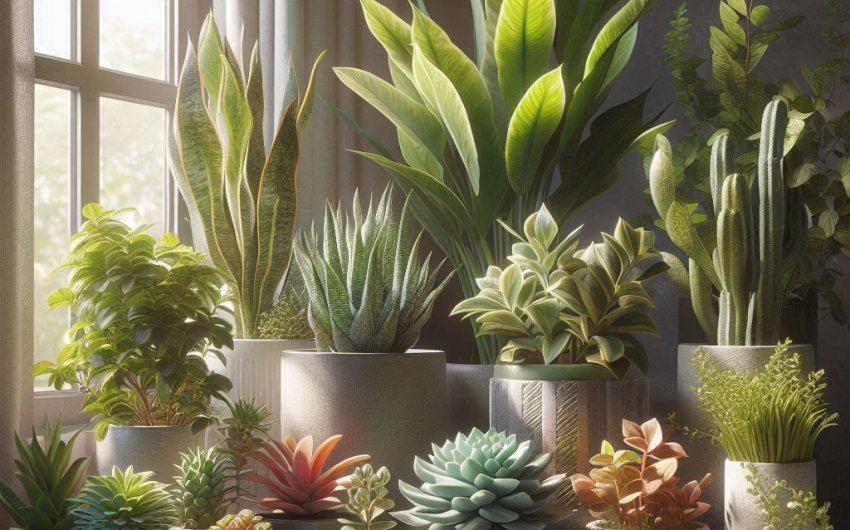
Bringing the beauty and tranquility of nature indoors is a joy for many, transforming living spaces into vibrant, green havens. Houseplants not only enhance aesthetics but also contribute to improved air quality and mental well-being. However, the journey from a hopeful plant parent to one surrounded by thriving, lush greenery can sometimes feel daunting. Yellowing leaves, stunted growth, or mysterious wilting can quickly turn excitement into frustration, leaving many to wonder if they simply lack a "green thumb."
The truth is, successful houseplant care isn't a mystical talent; it's a learnable skill based on understanding a few fundamental principles and observing your plants closely. Every houseplant has specific needs, but there are universal tips and best practices that apply across the board. This ultimate houseplant care guide is designed to demystify the process, providing you with practical advice and actionable steps to ensure your green companions flourish. Get ready to transform your indoor space into a vibrant oasis, enjoying the profound satisfaction of nurturing truly healthy plants.
What Are the Fundamental Needs of Houseplants?
What Is the Importance of Proper Lighting?
Proper lighting is arguably the most fundamental need for all houseplants, as it is the primary energy source for their survival and growth.
- Photosynthesis: Plants convert light energy into chemical energy (sugars) through photosynthesis (using chlorophyll in their leaves). This food fuels all their metabolic processes: growth, leaf production, root development, and flowering.
- Optimal Growth: Each houseplant has specific light requirements (full sun, bright indirect light, low light). Providing the correct amount and intensity of light ensures the plant produces enough energy for robust, healthy growth.
- Flower Production: For flowering houseplants, adequate light is directly linked to the plant's ability to initiate and sustain blooms. Insufficient light is often the primary reason a flowering houseplant won't re-bloom.
- Preventing Stress: Too little light leads to leggy growth (stretched, weak stems as the plant reaches for light) and pale foliage. Too much direct, intense light can cause sunburn (scorched, bleached patches on leaves).
- Signs of Incorrect Light: Observing your plant's leaves and growth habit can indicate light issues (e.g., very dark green leaves means too low light, yellowish/bleached leaves means too much light).
Matching your houseplant to its ideal light conditions is the first step to success. A Plant Light Meter can help provide precise readings.
How Does Watering Properly Affect Plant Health?
Watering properly is paramount to plant health and, ironically, overwatering is the most common cause of houseplant death. It's about providing the right amount of water at the right time.
- Hydration: Water transports nutrients from the soil to the roots and throughout the plant. It maintains turgor (water pressure within cells) which keeps leaves firm and upright.
- Oxygen for Roots: Proper watering ensures the potting mix remains moist enough for hydration but also allows for sufficient air circulation to the roots. Roots need oxygen to respire.
- Prevents Root Rot: Overwatering starves roots of oxygen, causing them to rot. Rotted roots cannot absorb water or nutrients, leading to plant decline and death, even in saturated soil.
- Prevents Dehydration: Underwatering leads to dehydration, causing wilting, crispy leaves, and stunted growth.
- The "Finger Test": The best way to determine when to water is to feel the potting mix. Stick your finger 1-2 inches deep. If it feels dry, it's time to water. If it's still moist, wait.
- Water Thoroughly: When you do water, water until it drains from the drainage holes at the bottom. Discard any excess water from the saucer.
Mastering watering is fundamental to keeping houseplants healthy.
What Kind of Potting Mix and Drainage Are Essential?
The kind of potting mix and drainage are absolutely essential for houseplant health, as they provide the physical environment for roots.
- Potting Mix (Not Garden Soil!): Always use a high-quality, sterile potting mix specifically formulated for houseplants. Garden soil is too heavy, compacts easily in pots, contains pathogens and weed seeds, and doesn't drain well indoors.
- Components: Good potting mixes are lightweight and airy, typically containing peat moss or coco coir (for moisture retention) and perlite or vermiculite (for drainage and aeration).
- Specialized Mixes: Some plants need specific mixes (e.g., cacti and succulents need a fast-draining, gritty mix; orchids need bark-based mixes).
- Drainage Holes: This is non-negotiable. Every houseplant pot must have drainage holes at the bottom to allow excess water to escape. Without them, water accumulates, leading to soggy conditions and root rot.
- Why Good Drainage is Key: Even with proper watering, a poorly draining potting mix or a pot without holes will lead to chronically wet soil, suffocating roots and causing decline.
The right potting mix and ample drainage are critical for preventing root rot and promoting root health.
How Does Proper Fertilization Affect Plant Vitality?
Proper fertilization is necessary to fuel plant vitality and sustained growth, as nutrients in the limited potting mix get depleted over time.
- Nutrient Depletion: Unlike outdoor plants with vast soil networks, houseplants quickly use up the available nutrients in their small pots.
- Key Nutrients: Plants primarily need macro-nutrients (Nitrogen - N, Phosphorus - P, Potassium - K) and various micronutrients (iron, magnesium, calcium, etc.).
- N (Nitrogen): Promotes lush, green foliage.
- P (Phosphorus): Essential for root development and flower/fruit production.
- K (Potassium): Contributes to overall plant health, stress resistance, and disease resistance.
- Timing: Fertilize during the plant's active growing season (typically spring and summer). Reduce or stop fertilizing in fall and winter when most plants slow their growth or go dormant.
- Avoid Over-Fertilizing: More is not better! Excessive fertilizer can cause fertilizer burn (crispy leaf tips, root damage) and lead to nutrient imbalances. Always dilute liquid fertilizers and follow instructions precisely.
- Types:
- Liquid Fertilizers: Provide a quick nutrient boost but need frequent application.
- Slow-Release Granular Fertilizers: Applied less frequently, release nutrients gradually over months.
A Houseplant Fertilizer with Balanced NPK is generally a good choice.
How to Water Houseplants Correctly?
What Is the "Finger Test" for Optimal Watering?
The "finger test" for optimal watering is the simplest and most reliable method to know when to water your houseplants, empowering you to provide hydration based on actual need.
- How to Perform: Simply stick your index finger about 1-2 inches deep (for smaller pots) or 2-3 inches deep (for larger pots) into the potting mix near the center of the pot.
- Interpretation:
- If it feels dry to the touch at that depth: It's time to water.
- If it still feels moist or damp: Wait a few more days and check again.
- Why it's effective: This method accounts for all the variables that influence soil drying time – the type of plant, the pot material (e.g., terracotta dries faster than plastic), the size of the pot, the ambient temperature and humidity in your home, and the amount of light the plant receives. It moves you away from a rigid, potentially harmful schedule.
Make this quick check a habitual part of your houseplant care routine. A Plant Moisture Meter can offer more precision.
How Does Bottom Watering Ensure Thorough Hydration?
Bottom watering is an excellent technique that ensures thorough hydration for your houseplants while preventing overwatering of the top soil, often preferred for plants prone to fungus gnats or those with delicate foliage.
- How it Works:
- Place your houseplant's pot (which must have drainage holes) in a larger container (a sink, basin, or tray) filled with 1-2 inches of room-temperature water.
- Allow the pot to sit in the water for 20-60 minutes. The potting mix will slowly wick water up from the bottom through capillary action.
- You'll know it's sufficiently watered when the top surface of the potting mix feels moist to the touch.
- Remove the pot from the water and allow all excess water to drain completely from the drainage holes before returning it to its usual spot. Never let the pot sit in standing water indefinitely.
- Benefits:
- Thorough saturation: Ensures the entire root ball is moistened, preventing dry pockets.
- Deters fungus gnats: Keeps the top layer of soil drier, which is less appealing for fungus gnat larvae.
- Less mess: No water spilling over the pot rim.
- Promotes deep roots: Encourages roots to grow downwards.
This method is great for plants with dense foliage or those that don't like water on their leaves.
What Are Common Mistakes to Avoid When Watering?
Understanding common mistakes to avoid when watering can save your houseplants from significant stress or even death.
- Overwatering (Most Common Mistake): This means watering too frequently, or giving too much water, leading to perpetually soggy potting mix and root rot.
- Avoid: Watering on a strict schedule without checking the soil; letting pots sit in standing water in saucers; using pots without drainage holes.
- Underwatering: Not watering enough or too infrequently.
- Avoid: Waiting until the plant is severely wilted and crispy; giving only a small sip of water that doesn't reach all roots.
- Watering Overhead: Spraying water directly onto the foliage.
- Avoid: This can lead to fungal diseases (like powdery mildew or leaf spot) if water sits on leaves, especially in poor air circulation.
- Using Cold Water: Extremely cold water can shock a plant's root system, especially sensitive tropical houseplants.
- Avoid: Use room-temperature or lukewarm water.
- Ignoring Drainage: Assuming a pot "looks good" without checking for drainage holes.
- Avoid: Always ensure drainage holes are present and not blocked.
Awareness of these pitfalls greatly improves your watering success.
How to Optimize Light and Environment for Houseplants?
How to Assess and Adjust Light for Different Plant Needs?
Assessing and adjusting light for different plant needs is crucial for optimizing your houseplant's environment.
- Understand Light Types:
- Full Sun: 6+ hours of direct, intense sunlight (e.g., unobstructed south-facing window). Suitable for cacti, succulents, some herbs.
- Bright Indirect Light: Abundant light throughout the day, but no direct, harsh sun (e.g., east-facing window, a few feet back from a south/west window, filtered by sheer curtain). Ideal for most houseplants (Pothos, Monstera, Spider Plants, Fiddle Leaf Fig).
- Low Light: Dimly lit areas, far from a window, or north-facing window. Only suitable for very tolerant plants (Snake Plant, ZZ Plant, Peace Lily).
- Assess Your Home's Light: Observe how sunlight changes in different rooms throughout the day and across seasons. Use a light meter for precision.
- Signs of Incorrect Light:
- Too Much Light: Yellowing, bleached, or scorched leaves (often crispy brown spots), faded variegation.
- Too Little Light: Leggy growth, small new leaves, pale or dark green leaves, lack of blooming, leaning towards light source.
- Adjusting Placement: Move plants closer to or further from windows, or add sheer curtains/blinds to filter light.
- Supplemental Grow Lights: If natural light is insufficient, particularly in winter or for high-light plants, invest in grow lights. LED grow lights are energy-efficient. A Full Spectrum LED Grow Light can mimic natural sunlight.
Getting light right is the biggest step to healthy plants.
What Is the Ideal Temperature and Humidity for Houseplants?
The ideal temperature and humidity levels are vital environmental factors that replicate a houseplant's native habitat, promoting thriving growth.
- Temperature: Most houseplants prefer average indoor temperatures between (65^\circ\text{F}) and (80^\circ\text{F}) ((18^\circ\text{C}) and (27^\circ\text{C})).
- Avoid Extremes: Protect plants from sudden temperature fluctuations, cold drafts (from open windows/doors in winter), and hot/cold air blowing directly from heating or cooling vents.
- Humidity: Many houseplants, especially tropical varieties, prefer moderate to high humidity (50-70%), much higher than typical indoor environments (often 20-40%).
- Signs of Low Humidity: Brown crispy leaf tips or edges, shriveling foliage, increased susceptibility to spider mites.
- Solutions for Low Humidity:
- Pebble trays: Place the pot on a saucer filled with pebbles and water (ensure the pot itself isn't sitting in water).
- Grouping plants: Plants release moisture, creating a localized humid microclimate.
- Humidifier: The most effective solution for very dry homes. A Houseplant Humidifier can significantly boost humidity.
- Misting: Provides a temporary boost, but is often insufficient alone and can promote fungal issues if air is stagnant.
Maintaining these conditions reduces stress and contributes to plant vitality.
How Can Air Circulation Prevent Pests and Diseases?
Air circulation is a critical, often overlooked, environmental factor that actively helps prevent pests and diseases in houseplants.
- Dries Foliage Faster: Good air circulation helps evaporate excess moisture from leaf surfaces, reducing the duration of leaf wetness that many fungal diseases (like powdery mildew or leaf spot) need to germinate and spread.
- Deters Pests: Stagnant, stuffy air can create an ideal breeding ground for certain pests (like spider mites), which thrive in dry, still conditions. Improved airflow makes the environment less appealing.
- Prevents Root Rot (Indirectly): While drainage is key, good air circulation around the pot (especially terra cotta) helps the potting mix dry out more evenly, further reducing the risk of root rot.
Promotes Overall Health: Healthy airflow ensures a fresh supply of carbon dioxide for photosynthesis and prevents plant stress due to stagnant conditions.
How to ensure good air circulation:
- Space Plants Properly: Avoid overcrowding your houseplants on shelves or tables. Leave enough space between them for air to move freely.
- Open Windows (Periodically): If outdoor temperatures allow, open windows occasionally to refresh indoor air.
- Small Fan: In areas with very dense plant collections or stagnant air, a small, oscillating fan set on a low setting can provide gentle airflow. Avoid directing a strong, constant draft onto sensitive plants.
Good air circulation is a simple preventative measure for a healthy houseplant collection.
What Are Routine Maintenance Tips for Healthy Plants?
What Is the Importance of Regular Dusting and Cleaning?
Regular dusting and cleaning of your houseplant's leaves is a simple yet crucial maintenance tip that directly contributes to plant health and vitality.
- Optimizes Photosynthesis: Dust, dirt, and grime accumulate on leaves, blocking sunlight from reaching the chlorophyll. This reduces the plant's ability to perform photosynthesis (make food), leading to slowed growth and reduced vigor. Cleaning leaves ensures maximum light absorption.
- Prevents Pests: A dusty leaf surface can provide a hiding spot for pests like spider mites. Cleaning leaves removes pests, their eggs, and their webbing.
- Improves Air Quality: A clean plant breathes more efficiently, taking in carbon dioxide and releasing oxygen.
- Aesthetic Appeal: Clean leaves simply look better and allow the plant's natural luster and green splendor to shine.
How to clean:
- For smooth, large leaves: Gently wipe with a soft, damp cloth.
- For smaller, intricate leaves: Use a soft brush (like a paintbrush) or gently rinse in the shower with lukewarm water.
- Frequency: Aim for once a month, or more often if dust accumulates quickly.
This quick task yields significant rewards for plant health. A Plant Leaf Shine and Cleaner can also be used.
How Often Should I Repot My Houseplants?
Repotting houseplants is a necessary maintenance task when they outgrow their current container, but how often depends on the plant and its growth rate.
- Signs It's Time to Repot:
- Roots growing out of drainage holes or from the top of the potting mix.
- Water runs straight through quickly after watering, indicating the pot is mostly roots, not soil.
- Plant becoming top-heavy and falling over easily.
- Stunted growth despite good care (after checking other factors).
- Potting mix breaking down, becoming compacted, or crusty with salts.
- Frequency Varies:
- Fast growers (e.g., Pothos, Spider Plants): May need repotting every 1-2 years.
- Slow growers (e.g., Snake Plant, ZZ Plant): May only need repotting every 3-5 years, or even less frequently.
- Some prefer to be "root-bound" (e.g., Sansevieria, Peace Lily): These might bloom better or thrive when slightly snug, so only repot when truly root-bound.
- When to Repot: The best time to repot is in spring or early summer, during the plant's active growing season. This allows the plant to quickly establish in its new home.
- Pot Size: Choose a new pot that is only 1-2 inches larger in diameter than the old one. Too large a pot can lead to overwatering.
- Fresh Potting Mix: Always use fresh, high-quality, well-draining potting mix.
Repotting revitalizes houseplants by providing fresh nutrients and room for root growth.
What Is the Importance of Pruning and Deadheading?
Pruning and deadheading are essential maintenance tasks that keep your houseplants healthy, shapely, and more productive.
- Pruning (Removing Leaves/Stems):
- Removes Dead/Damaged/Diseased Parts: Cut off any yellow, brown, crispy, mushy, or unhealthy leaves and stems. This tidies the plant, prevents disease spread, and allows the plant to direct energy to healthy growth.
- Maintains Shape and Size: Pruning helps control the size of your houseplant, keeps it from becoming too leggy or unruly, and encourages a bushier, more compact form (by cutting just above a node, where new growth emerges).
- Encourages New Growth: For many houseplants, pruning stimulates a flush of new growth from the cut point.
- Deadheading (Removing Spent Flowers):
- Encourages More Blooms: For flowering houseplants, deadheading involves removing faded or spent flowers. This prevents the plant from putting energy into seed production, redirecting that energy back into producing more blooms.
- Maintains Appearance: Keeps the plant looking neat and attractive.
Always use clean, sharp pruning shears or scissors to make clean cuts. Regular pruning ensures your houseplants maintain their splendor.
How to Manage Pests and Diseases Effectively?
Managing pests and diseases effectively is crucial for houseplant health. Early detection and swift action are key.
- Regular Inspection: Make inspecting your houseplants for pests and disease symptoms part of your routine. Check the tops and undersides of leaves, stems, and the potting mix. A Magnifying Glass for Houseplants can help.
- Isolate Infected Plants: Immediately move any infected houseplant away from others to prevent the spread of pests or disease.
- Identify the Problem: Knowing the specific pest or disease allows for targeted treatment.
- Physical Removal (First Step):
- Wipe off: For mealybugs, scale, or light aphid infestations, gently wipe them off with a damp cloth or a cotton swab dipped in rubbing alcohol.
- Hose off: Take the plant to a sink or shower and gently spray the leaves with water (especially undersides) to dislodge aphids or spider mites.
- Organic Treatments:
- Insecticidal soap: Mix and spray thoroughly. Works on contact.
- Neem oil: Mix and spray. Acts as an antifeedant, growth disruptor, and mild fungicide.
- Fungicides: For fungal diseases (like powdery mildew or leaf spot), use specific fungicides (organic or chemical, as a last resort). For root rot, severe cases require repotting after trimming roots.
- Prevention is Best: Maintain plant health with proper watering, light, humidity, and air circulation to build natural resistance.
Consistent management keeps your houseplants healthy and free from unwanted guests.