
Bring Nature Indoors: A Guide to Indoor Houseplants
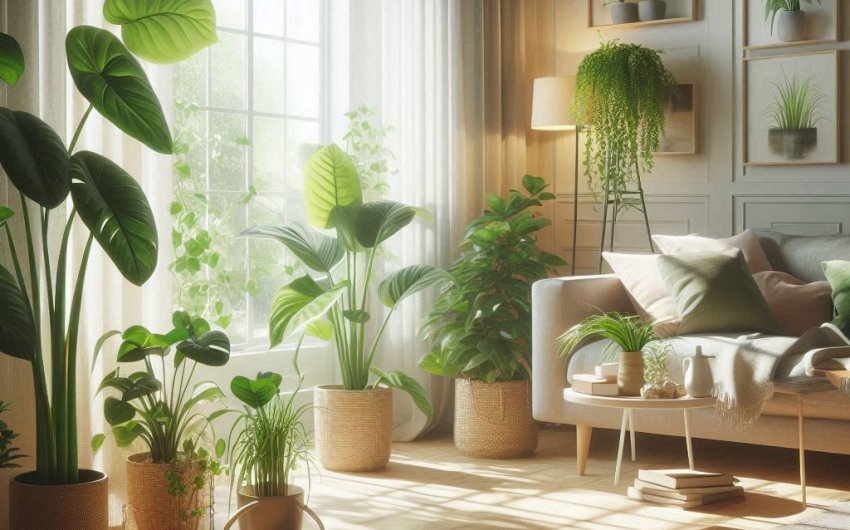
Bringing the vibrant beauty of the outdoors inside is a wonderful way to brighten your home and boost your mood. Indoor houseplants offer a touch of living greenery, improve air quality, and can even reduce stress. Whether you're a seasoned plant parent or just starting your green journey, this guide will help you choose, care for, and enjoy a thriving indoor garden. Get ready to transform your living space with the natural charm of plants!
Why Should I Have Houseplants?
More than just pretty decorations, houseplants bring a surprising number of benefits to your home and your well-being. From cleaner air to a calmer mind, these green companions offer a lot to love.
How Do Houseplants Improve Air Quality?
One of the most well-known benefits of indoor plants is their ability to clean the air we breathe. Plants naturally absorb carbon dioxide and release oxygen during a process called photosynthesis. But many houseplants go a step further; they can actually filter out common household toxins.
- Toxin Absorption: Studies, particularly early research by NASA, have shown that certain plants can remove harmful volatile organic compounds (VOCs) from the air. These VOCs can come from everyday items like paints, cleaning supplies, furniture, and even clothing. Some common VOCs include formaldehyde, benzene, and trichloroethylene.
- Examples of Air Purifiers: Plants like the Snake Plant (Sansevieria trifasciata), Spider Plant (Chlorophytum comosum), and Peace Lily (Spathiphyllum) are particularly good at absorbing these airborne chemicals. A Breathe Green Purifier bag can also help.
- Humidity Boost: Plants release moisture into the air through a process called transpiration. This can slightly increase indoor humidity, which is especially helpful in dry climates or during winter months when heaters dry out the air. Better humidity can ease dry skin, sore throats, and even help reduce static electricity.
Can Houseplants Boost My Mood and Reduce Stress?
Beyond their physical benefits, houseplants have a profound positive impact on our mental and emotional well-being. Interacting with nature, even indoors, can be incredibly calming.
- Stress Reduction: Simply being around plants can lower stress levels. Research suggests that looking at natural scenes and engaging with plants can reduce feelings of anxiety and promote relaxation. The act of caring for a plant, like watering or pruning, can also be a meditative and grounding activity. A watering can can make this task enjoyable.
- Improved Focus and Productivity: Studies in workplaces and schools have shown that the presence of plants can improve concentration, memory, and overall productivity. A green view can help reduce mental fatigue.
- Enhanced Well-being: There's a reason biophilic design (incorporating nature into built environments) is gaining popularity. Connecting with nature fosters a sense of well-being, happiness, and a feeling of calm. Houseplants make your living space feel more alive and inviting.
Do Houseplants Offer Decorating Benefits?
Absolutely! Houseplants are a fantastic way to add natural beauty and style to any room. They offer versatility that few other decor items can match.
- Natural Beauty: Nothing beats the organic shapes, vibrant greens, and occasional blooms of a living plant. They instantly add freshness and life to a room, making it feel more vibrant and less sterile.
- Color and Texture: Plants come in an incredible variety of leaf shapes, sizes, and colors – from deep emerald to variegated creams and pinks. Their textures range from smooth and waxy to fuzzy and feathery. This diversity allows you to add visual interest and layers to your decor.
- Versatility in Placement: You can use plants to fill empty corners, soften harsh lines, create a focal point, or even divide a space. Hanging plants, like a macrame plant hanger, can draw the eye upwards, while a large floor plant can ground a seating area.
- Dynamic Decor: Unlike a static painting or sculpture, a plant changes and grows over time. This living quality makes them dynamic pieces of decor that evolve with your home. You can even choose plants that flower seasonally for pops of color.
How Do I Choose the Right Houseplant?
Picking the perfect plant for your home is like finding a new roommate – you want one that fits your lifestyle and your living conditions. Don't just pick the prettiest one; consider what your home can offer it.
What Light Conditions Does My Home Have?
Light is the most important factor for plant health. Most plant problems come from not enough or too much light. Knowing your home's light levels will help you choose plants that will truly thrive.
- South-Facing Windows (Bright, Direct Light): These windows get the most intense light, especially in the afternoon. They are perfect for plants that love direct sun, like succulents and cacti, Bird of Paradise (Strelitzia reginae), or Fiddle Leaf Fig (Ficus lyrata).
- East-Facing Windows (Bright, Indirect Light): These windows get gentle morning sun. This is ideal for most tropical plants that prefer bright but filtered light, such as Pothos (Epipremnum aureum), Monstera (Monstera deliciosa), ZZ Plant (Zamioculcas zamiifolia), and Prayer Plant (Maranta leuconeura). This is the sweet spot for many popular houseplants.
- North-Facing Windows (Low Light): These windows offer the least light, often just ambient brightness. Plants that tolerate low light include Snake Plants, ZZ Plants, and Peace Lilies. While "low light" tolerant, no plant thrives in total darkness; they still need some indirect light to survive.
- West-Facing Windows (Bright, Potentially Direct Light): These windows get intense afternoon sun, similar to south-facing but often hotter. Be careful, as the heat can scorch some plants. Placing plants a few feet away from the window or using sheer curtains can help filter the light. Plants that like bright, indirect to direct light might do well here.
- Distance Matters: Even in a bright room, a plant placed far from a window will receive less light than one right next to it. Light intensity drops off quickly with distance.
- Artificial Light: If your home lacks natural light, you can supplement with a grow light. A full spectrum LED grow light can provide the necessary energy for plant growth.
How Much Humidity Do Houseplants Need?
Most houseplants come from tropical environments, meaning they love humidity. Our homes, especially with heating and air conditioning, can be quite dry.
- Signs of Low Humidity: Crispy leaf edges, brown tips, and overall wilting despite adequate watering can be signs that your plant needs more humidity.
- Boosting Humidity:
- Pebble Tray: Fill a tray with pebbles and add water just below the top of the pebbles. Place the plant pot on the pebbles. As the water evaporates, it creates a more humid microclimate around the plant. A pebble tray is a simple solution.
- Misting: Regularly misting the leaves with a fine mist sprayer can offer a temporary boost, but it's not a long-term solution. Do this in the morning so leaves dry by evening to prevent fungal issues.
- Humidifier: For plants that absolutely crave humidity, or if you have many tropical plants, a room humidifier is the most effective solution.
- Grouping Plants: Plants release moisture, so grouping them together can create a mini-humid environment for each other.
- Plants That Tolerate Low Humidity: If you live in a very dry climate, opt for plants that are more forgiving, like Snake Plants, ZZ Plants, Pothos, or Cast Iron Plants (Aspidistra elatior).
What Is My Plant Care Style?
Be honest with yourself about how much time and attention you're willing to give a plant. There's a perfect plant for every level of commitment!
- Low-Maintenance / Beginner-Friendly: If you're often away, forget to water, or just want something easy, look for plants that tolerate neglect.
- Snake Plant: Can go weeks without water, thrives in low light.
- ZZ Plant: Extremely drought-tolerant, handles low light well.
- Pothos: Very forgiving, tells you when it's thirsty (leaves droop), adaptable to various light conditions.
- Spider Plant: Easy to propagate, tolerates some neglect.
- Medium-Maintenance / Intermediate: These plants need a bit more attention to watering and light, but aren't overly fussy.
- Monstera: Loves bright, indirect light and consistent watering.
- Fiddle Leaf Fig: Needs bright light and careful watering; can be prone to brown spots if stressed.
- Prayer Plant: Beautiful foliage, but needs higher humidity and consistent moisture.
- High-Maintenance / Advanced: For those who love a challenge and enjoy daily plant interaction.
- Ferns: Many ferns are very particular about humidity and consistent moisture.
- Orchids: While beautiful, they have specific watering and blooming requirements.
- Self-Watering Pots: Consider using self-watering planters if you often forget to water, or if you travel frequently. A self-watering pot can provide consistent moisture.
How Do I Care for My Houseplants?
Once you've chosen your new green friends, giving them the right care is essential for their long-term health and happiness. It's all about mimicking their natural environment as much as possible.
What Are the Basics of Watering Houseplants?
Watering is often the trickiest part of plant care. Too much water leads to root rot, while too little leads to wilting. The key is to understand each plant's specific needs and to check the soil regularly.
- Feel the Soil: The best way to know when to water is to stick your finger about 1-2 inches deep into the soil.
- If it feels dry, it's time to water.
- If it still feels moist, wait.
- Check Drainage: Always ensure your pot has drainage holes. If water can't escape, the roots will sit in standing water and rot. Use a plant saucer to catch excess water.
- Water Thoroughly: When you do water, water deeply until you see water draining out of the bottom of the pot. This ensures that all the roots get a good drink. Discard any excess water in the saucer after about 15-30 minutes.
- Seasonality: Plants generally need less water in winter when growth slows down, and more in summer when they are actively growing.
- Pot Size and Material: Smaller pots dry out faster than larger ones. Terracotta pots are porous and allow soil to dry out more quickly than plastic or glazed ceramic pots.
- Signs of Underwatering: Wilting, droopy leaves, dry crispy edges, and lightweight pot.
- Signs of Overwatering: Yellowing leaves (especially lower ones), soft mushy stems, moldy soil surface, and a heavy pot. If you suspect overwatering, let the soil dry out completely, or consider repotting with fresh, well-draining soil.
What Kind of Soil Do Houseplants Need?
The right potting mix provides the perfect balance of moisture retention, drainage, and aeration for healthy root growth.
- Avoid Garden Soil: Never use soil from your garden for houseplants. It's too dense, contains pests, and doesn't drain well in a pot.
- General Potting Mix: Most houseplants thrive in a high-quality, all-purpose indoor potting mix that's light, airy, and drains well. A good mix usually contains peat moss or coco coir, perlite or vermiculite, and sometimes some bark chips. You can find excellent general purpose potting mixes at garden stores or online.
- Specialized Mixes: Some plants have specific needs:
- Cacti and Succulent Mix: These plants need extremely well-draining soil. Look for a cactus and succulent potting mix that contains more sand and perlite.
- Orchid Mix: Orchids are epiphytes (they grow on other plants, not in soil) and need a very airy, bark-based mix, not traditional soil. An orchid potting mix is designed for this.
- Adding Amendments: You can often improve a basic potting mix by adding:
- Perlite: For drainage and aeration (small white balls).
- Vermiculite: For moisture retention and aeration.
- Orchid Bark: For larger, airier pockets, especially for Aroids like Monsteras or Philodendrons that appreciate chunky soil.
How Important is Fertilizing Houseplants?
While potting mix provides some nutrients, plants will eventually use them up, especially if they are actively growing. Fertilizing replenishes these nutrients.
- When to Fertilize:
- Growing Season: Most plants benefit from fertilization during their active growing season, which is typically spring and summer.
- Reduce in Winter: Reduce or stop fertilizing in fall and winter when growth slows down.
- Newly Potted Plants: Don't fertilize newly potted or repotted plants for about 4-6 weeks, as fresh potting mix usually contains enough nutrients.
- Type of Fertilizer:
- Balanced Liquid Fertilizer: A general-purpose liquid houseplant fertilizer with an equal N-P-K ratio (e.g., 5-5-5 or 10-10-10) is suitable for most plants.
- Specific Formulas: Some plants, like orchids or African violets, might benefit from a fertilizer specifically formulated for them.
- Slow-Release Fertilizer: You can also use slow-release fertilizer pellets that release nutrients over several months.
- Dilution: Always follow the instructions on the fertilizer package. It's often safer to dilute the fertilizer to half strength or even quarter strength, especially for sensitive plants. Over-fertilizing can burn roots and damage plants.
- Signs of Nutrient Deficiency: Yellowing leaves (especially older ones), stunted growth, and pale foliage can indicate a need for fertilizer.
When Should I Repot My Houseplant?
Repotting gives your plant fresh nutrients and more space for its roots to grow.
- Signs It's Time to Repot:
- Roots Circling: Roots are growing out of the drainage holes or circling tightly around the inside of the pot.
- Stunted Growth: The plant isn't growing much, even during its active season.
- Quick Drying Soil: The soil dries out very quickly after watering, meaning there's more root than soil.
- Salt Buildup: A white crust on the soil surface or pot edge from mineral deposits.
- Plant is Top-Heavy: The plant is disproportionately large for its pot and keeps falling over.
- Choosing a New Pot: Generally, go up only one pot size (e.g., from a 6-inch to an 8-inch pot). A pot that's too large can hold too much moisture, leading to root rot. Make sure it has drainage holes.
- How to Repot:
- Gently remove the plant from its old pot. You might need to tap the sides or gently squeeze a plastic pot.
- Loosen any tightly circling roots at the bottom.
- Add a layer of fresh potting mix to the new pot.
- Place the plant in the new pot, ensuring the top of the root ball is at the same level as it was in the old pot.
- Fill in around the root ball with more fresh potting mix, gently patting it down. Don't compact it too tightly.
- Water thoroughly to settle the soil.
- Best Time: Repot in spring or early summer when the plant is actively growing and can recover quickly.
What is Pruning and Why Is It Important?
Pruning isn't just for outdoor plants! It helps maintain your plant's shape, encourages bushier growth, and removes unhealthy parts. Use sharp pruning shears.
- Why Prune?:
- Shape and Size: Control the plant's size and shape, preventing it from getting leggy or unruly.
- Bushier Growth: Pinching back growing tips often encourages the plant to branch out, resulting in a fuller, bushier appearance.
- Remove Dead/Damaged Leaves: Cut off yellow, brown, or diseased leaves to improve the plant's appearance and prevent the spread of disease.
- Encourage Blooms: For flowering plants, deadheading (removing spent flowers) encourages new blooms.
- Pest Control: Removing infested leaves can help contain a pest problem.
- How to Prune:
- Always use clean, sharp pruning shears or scissors to make clean cuts.
- Cut just above a leaf node (where a leaf or branch grows from the stem) or a growth point.
- Remove no more than 25-30% of the plant at one time to avoid stressing it.
- Timing: Prune most actively growing plants in spring or early summer.
Which Houseplants Are Best for Beginners?
Starting your indoor plant collection should be fun, not frustrating! Choosing hardy, forgiving plants will build your confidence and give you a green thumb in no time.
Why Is the Snake Plant a Good Choice?
The Snake Plant (Sansevieria trifasciata), also known as Mother-in-Law's Tongue, is practically indestructible. It's famous for its upright, sword-like leaves and extreme tolerance to neglect.
- Low Light Tolerance: It can survive in very low light conditions, making it perfect for dimly lit rooms or offices. While it tolerates low light, it will thrive and grow faster in brighter, indirect light.
- Drought Tolerance: This plant can go weeks without water, making it ideal for forgetful waterers or frequent travelers. It's much happier being underwatered than overwatered.
- Air Purifier: A great air purifier, removing toxins like formaldehyde and benzene.
- Stylish: Its architectural shape makes it a popular choice for modern decor.
- Care Tips: Allow the soil to dry out completely between waterings. Don't overwater! It's one of the few plants that does well in a small indoor planter.
What Makes the ZZ Plant So Resilient?
The ZZ Plant (Zamioculcas zamiifolia) is another incredibly tough and forgiving plant, known for its shiny, dark green leaves and ability to thrive on minimal attention.
- Extreme Drought Tolerance: The ZZ Plant stores water in its thick rhizomes (underground stems), allowing it to survive for very long periods without water. It's almost impossible to kill from underwatering.
- Low Light to Bright Light: It tolerates very low light, though it will grow slower. It also does well in bright, indirect light. Avoid direct, intense sun, which can scorch its leaves.
- Low Humidity Tolerant: Doesn't require high humidity, making it perfect for typical household environments.
- Pest Resistant: Generally resistant to most common houseplant pests.
- Care Tips: Water only when the soil is completely dry. When in doubt, wait another week.
Why is Pothos a Popular Beginner Plant?
Pothos (Epipremnum aureum), often called Devil's Ivy, is a classic and beloved houseplant due to its extreme adaptability and ease of care.
- Highly Adaptable: It can thrive in a wide range of light conditions, from low to bright, indirect light. The variegated (multi-colored) varieties will show more color in brighter light.
- Forgiving with Water: Pothos will tell you when it's thirsty by drooping its leaves. Water it, and it usually perks right back up! It tolerates some drought but prefers consistent moisture.
- Versatile Growth Habit: Pothos can be grown as a vining plant in a hanging basket, allowed to trail from a shelf, or trained to climb a moss pole for larger leaves. A hanging planter is great for this.
- Easy to Propagate: You can easily start new plants from stem cuttings, making it fun to share with friends.
- Care Tips: Water when the top few inches of soil are dry. Don't let it sit in soggy soil.
Are Spider Plants Really That Easy?
Yes, Spider Plants (Chlorophytum comosum) truly live up to their reputation as easy-care houseplants. They are known for their arching, variegated leaves and for producing "plantlets" or "spiderettes" that hang down like spiders on a web.
- Tolerant of Neglect: They can handle inconsistent watering and a range of light conditions, though they prefer bright, indirect light.
- Air Purifier: Also excellent at filtering common indoor air pollutants.
- Easy Propagation: The spiderettes are incredibly easy to root in water or soil, making propagation a breeze. You can grow a whole collection from one plant!
- Visually Appealing: Great for hanging baskets where their spiderettes can trail beautifully.
- Care Tips: Water when the top inch of soil feels dry. Avoid direct sunlight, which can scorch the leaves. Brown tips on leaves can sometimes indicate too much fluoride in tap water or low humidity. Consider using filtered water.
Why Choose a Peace Lily?
The Peace Lily (Spathiphyllum) is a graceful plant known for its dark green foliage and elegant white "flowers" (which are actually modified leaves called spathes). It's a great communicator!
- Dramatic Droop: When thirsty, the Peace Lily will dramatically droop its leaves. This is its way of saying "water me!" Water it, and it usually revives within a few hours.
- Low Light Tolerant: It tolerates low light conditions well, though it will produce more flowers in brighter, indirect light.
- Air Purifier: Another top performer for air purification.
- Care Tips: Water when leaves begin to slightly droop. Don't let it sit in standing water. Wipe leaves occasionally to remove dust. Fertilize lightly during the growing season to encourage blooms.
What Are Some Common Houseplant Problems and How Do I Fix Them?
Even the most seasoned plant parent encounters issues now and then. Recognizing the signs of distress is the first step to diagnosing and fixing the problem.
Why Are My Plant's Leaves Turning Yellow?
Yellowing leaves are one of the most common signs of plant distress, and they can indicate several different problems.
- Overwatering: This is the most frequent cause. Too much water suffocates the roots, preventing them from taking up nutrients. The leaves turn yellow, often starting with the lower, older leaves, and can feel soft or mushy.
- Fix: Check soil moisture before watering. Let the soil dry out more between waterings. Ensure good drainage. If severe, repot into fresh, dry soil and trim any rotted roots.
- Underwatering: If the soil is consistently bone dry, leaves will also yellow, become crispy, and often droop before turning yellow.
- Fix: Water thoroughly until water drains from the bottom. Establish a consistent watering schedule.
- Nutrient Deficiency: Lack of essential nutrients (like nitrogen) can cause overall yellowing or yellowing between veins.
- Fix: Fertilize during the growing season with a balanced liquid houseplant fertilizer.
- Lack of Light: If a plant isn't getting enough light, it might shed lower leaves to conserve energy. The yellowing often happens evenly across older leaves.
- Fix: Move the plant to a brighter location.
- Natural Aging: It's normal for older, lower leaves to yellow and drop off as a plant grows new foliage. If it's just a few old leaves, it's usually nothing to worry about.
- Temperature Stress: Extreme cold or sudden drafts can cause leaves to yellow and drop.
- Fix: Keep plants away from drafty windows or heating/cooling vents.
What Causes Brown Tips or Crispy Edges on Leaves?
Brown tips or crispy edges usually point to issues with humidity, water, or sometimes mineral buildup.
- Low Humidity: This is a very common cause, especially for tropical plants in dry indoor environments. The leaf edges dry out and become brown and crispy.
- Fix: Increase humidity around the plant using a pebble tray, grouping plants, or a room humidifier. Mist sensitive plants, but only as a temporary measure.
- Underwatering: If the plant isn't getting enough water, the leaves dry out from the tips inwards.
- Fix: Check soil moisture and water thoroughly when dry.
- Mineral Buildup (from Tap Water): Chlorine, fluoride, or other minerals in tap water can accumulate in the soil and cause brown tips over time, particularly for sensitive plants like Prayer Plants or Dracaenas.
- Fix: Let tap water sit out for 24 hours before watering (to allow chlorine to dissipate), or use filtered water or rainwater. Flush the soil by watering heavily until water drains out, leaching out accumulated salts.
- Over-fertilization: Too much fertilizer can cause salt buildup in the soil, leading to root burn and brown leaf tips.
- Fix: Flush the soil with plain water. Reduce fertilization frequency or strength.
- Sunburn: Direct, intense sunlight can scorch leaves, causing brown patches or crispy edges.
- Fix: Move the plant to a location with bright, indirect light.
How Do I Deal with Pests on My Houseplants?
Pests are an unfortunate reality of houseplant ownership, but most can be controlled with consistent effort. Inspect your plants regularly for early detection. Use a magnifying glass for a closer look.
- Common Pests:
- Spider Mites: Tiny, almost invisible pests that cause fine webbing (like spiderwebs) on leaves and stems, and tiny yellow or brown spots on leaves.
- Mealybugs: Small, white, cottony insects that cluster in leaf axils (where leaves meet stems) and on stems. They leave behind sticky residue (honeydew).
- Aphids: Small, green, black, or reddish insects often found on new growth, causing distorted leaves and sticky honeydew.
- Fungus Gnats: Tiny, black flying insects that hover around the soil surface. Their larvae feed on organic matter in damp soil.
- Scale: Small, oval, immobile bumps (brown or black) on stems and leaves. They suck plant sap and leave honeydew.
- Treatment Options:
- Isolation: Immediately isolate any infested plant to prevent pests from spreading to others.
- Manual Removal: For small infestations, wipe off pests with a damp cloth or cotton swab dipped in rubbing alcohol. You can also rinse the plant thoroughly in a shower or sink.
- Neem Oil: A natural insecticide that disrupts pest feeding and reproduction. Mix neem oil concentrate with water and a few drops of dish soap, then spray the entire plant (top and bottom of leaves). Apply every 5-7 days until pests are gone. A neem oil spray can be effective.
- Insecticidal Soap: Another effective and relatively safe option. Works by smothering soft-bodied pests. Follow product instructions.
- Sticky Traps: For fungus gnats, place yellow sticky traps near the soil to catch adults.
- Drying Out Soil (for Fungus Gnats): For fungus gnats, allow the top inch or two of soil to dry out completely between waterings, as their larvae need moisture to survive.
- Systemic Pesticides: For severe or persistent infestations, you might consider a systemic houseplant pesticide that the plant absorbs, making it toxic to feeding insects. Use these as a last resort and follow instructions carefully.
What Should I Do if My Plant is Wilting or Drooping?
Wilting or drooping leaves are a clear sign your plant is stressed, and it's most often related to watering.
- Underwatering: The most common cause. The plant lacks enough water to keep its cells turgid (firm), causing it to droop. The soil will be very dry.
- Fix: Water thoroughly until water drains from the bottom. The plant should perk up within a few hours to a day.
- Overwatering/Root Rot: Paradoxically, overwatering can also cause wilting. When roots rot, they can't absorb water, so the plant shows signs of dehydration even though the soil is wet. The leaves might also yellow or become mushy.
- Fix: Check the soil moisture. If it's soggy, you're overwatering. Let the soil dry out, or if severe, repot into fresh, dry soil after trimming any mushy, smelly roots.
- Temperature Stress (Too Cold/Too Hot): Extreme temperatures can shock a plant, causing it to wilt.
- Fix: Move the plant to a more stable temperature environment.
- Transplant Shock: After repotting, a plant might wilt temporarily as its roots adjust to the new environment.
- Fix: Water lightly and provide consistent care, giving it time to recover. Minimize repotting stress.
- Pests: Heavy infestations of sap-sucking pests can weaken a plant and cause wilting.
- Fix: Inspect for pests and treat accordingly.
How Can I Display My Houseplants Creatively?
Once your plants are healthy and thriving, it's time to show them off! Creative display can elevate your home decor and highlight the natural beauty of your indoor garden.
What Are Different Types of Plant Stands and Holders?
Plant stands and holders come in countless designs, allowing you to incorporate plants into any aesthetic.
- Floor Stands: Elevate larger plants off the floor, protecting floors and making them a more prominent feature. They come in various materials like wood, metal, or ceramic. A mid-century modern plant stand can add a touch of retro chic.
- Tabletop Stands: Raise smaller pots on tables, shelves, or windowsills, adding height and visual interest.
- Hanging Planters: Perfect for vining plants like Pothos, Spider Plants, or Hoya. They free up surface space and add greenery at different levels. Options include macrame hangers, ceramic pots with built-in hangers, or metal rings.
- Wall-Mounted Planters: Create a living wall art piece. These can range from individual pots attached to a wall to vertical garden systems.
- Shelving Units: Display multiple plants at different heights. A tiered plant stand provides ample space for a collection.
- Window Shelves: Clear acrylic or glass shelves designed to attach to a window frame, maximizing light for sun-loving plants.
How Can I Create a Plant Grouping or "Jungle" Effect?
Grouping plants together not only looks fantastic but also benefits the plants themselves by creating a more humid microclimate.
- Vary Heights and Textures: Combine plants of different sizes, shapes, and leaf textures for visual interest. Place taller plants in the back, and shorter, trailing plants in the front or cascading down.
- Mix Foliage and Flowers: While most houseplants are grown for their foliage, adding a flowering plant like a Peace Lily or Orchid can provide a pop of color.
- Consider Color Palette: Stick to a harmonious color palette (e.g., various shades of green, or greens with touches of white or pink variegation) for a cohesive look.
- Layering: Use plant stands, risers, and books to create different levels within your grouping.
- Humidity Benefits: The collective transpiration (moisture release) from grouped plants naturally increases the humidity around them, which is beneficial for most tropical houseplants.
- Creative Containers: Use a mix of plant pots with different textures, materials (ceramic, terracotta, concrete, rattan), and finishes to add visual richness.
What Are Some Unique Ways to Display Plants?
Think outside the traditional pot to make your plants true statements.
- Terrariums: Create miniature ecosystems in glass containers. These are perfect for small, humidity-loving plants like ferns, mosses, or fittonia. A glass terrarium kit can get you started.
- Kokedama: A Japanese art form where a plant's roots are encased in a ball of soil, wrapped in moss, and then suspended or placed on a tray. A kokedama string is often used for hanging.
- Mounted Plants: Epiphytic plants like Staghorn Ferns or certain types of Orchids can be mounted on a piece of wood or cork bark, mimicking how they grow in their natural habitat.
- Plant Ladders or Shelves: Designate a specific vertical space for plants, like a narrow ladder shelf that holds multiple pots.
- Climbing Structures: Provide a moss pole or trellis for vining plants like Monstera or Philodendron to climb, encouraging larger leaves and a more upright growth habit.
- Repurposed Items: Get creative with containers! Old teacups, vintage tins (with drainage holes added), or even hollowed-out books can become unique planters. Just ensure proper drainage.
How Can I Choose the Right Pot for My Plant and Decor?
The plant pot is not just functional; it's a key part of your decor.
- Drainage Holes: This is non-negotiable. Always choose pots with drainage holes to prevent root rot. If you love a decorative pot without holes, use it as a cachepot (a decorative outer pot) and keep your plant in a nursery pot with drainage inside.
- Material Matters:
- Terracotta: Porous, allows soil to dry out faster, great for plants that prefer drier feet (like succulents) or for over-waterers. A terracotta pot is classic.
- Ceramic/Glazed: Retains moisture longer, comes in endless colors and designs, perfect for plants that like consistent moisture.
- Plastic: Lightweight, affordable, retains moisture well, but can look less decorative. Great for nursery pots inside cachepots.
- Concrete: Heavy, modern look, retains moisture.
- Size: As discussed in repotting, choose a pot that's only 1-2 inches wider than the current pot's diameter when repotting. Don't go too big!
- Style: Consider your home's aesthetic.
- Minimalist: Simple, clean lines, neutral colors.
- Bohemian: Rattan, woven baskets (use as cachepots), macrame.
- Modern: Geometric shapes, metallic finishes, concrete.
- Traditional: Classic ceramic or ornate glazed pots.
- Cohesion vs. Eclectic: You can choose all matching pots for a cohesive look, or mix and match different styles and textures for an eclectic, curated feel.
What Are Some Advanced Houseplant Care Tips?
Once you've mastered the basics, you might want to delve deeper into plant care. These tips can help your plants truly flourish and even propagate new ones.
What is Propagation and How Do I Do It?
Propagation is the process of creating new plants from existing ones. It's a rewarding way to expand your collection for free or share plants with friends.
- Stem Cuttings (Most Common):
- Select a Healthy Stem: Choose a healthy stem with at least 2-3 nodes (where leaves or roots grow from). Make a clean cut just below a node using sharp, clean pruning shears.
- Remove Lower Leaves: Strip off any leaves that would be submerged in water or soil to prevent rot.
- Rooting in Water: Place the cutting in a clear glass of water, ensuring at least one node is submerged. Change the water every few days. Roots should appear in a few weeks. Once roots are a few inches long, plant in potting mix. A glass propagation station can make this easy and decorative.
- Rooting in Soil: Dip the cut end in rooting hormone powder (optional, but helps). Plant the cutting directly into moist, well-draining potting mix. Keep the soil consistently moist (but not soggy) and place in a warm spot with bright, indirect light. High humidity can help too; you can even cover it with a plastic bag to create a mini-greenhouse effect.
- Good for: Pothos, Philodendron, ZZ Plant (from leaf cutting), Monstera, Hoya, Snake Plant (from leaf section).
- Division: For plants that grow in clumps (like Spider Plants or Peace Lilies), you can gently separate the root ball into smaller sections, each with its own roots and foliage.
- How: Carefully remove the plant from its pot. Gently tease apart the root ball into smaller clumps. Repot each section.
- Good for: Spider Plants, Peace Lilies, Ferns, Sansevieria (Snake Plant).
- Air Layering: For woody stemmed plants like Fiddle Leaf Figs that you want to shorten, you can encourage roots to form on a stem while it's still attached to the parent plant.
- How: Make a small cut in the stem, apply rooting hormone, wrap with moist sphagnum moss, and cover with plastic wrap. Once roots form, cut below the roots and pot the new plant.
What Are Some Common Houseplant Myths?
Don't fall for these common misconceptions that can actually harm your plants!
- Myth: All Plants Need Direct Sun: False! Most houseplants prefer bright, indirect light. Direct, intense sun can scorch the leaves of many tropical plants.
- Myth: Watering on a Schedule is Best: Not true. Plants need water when they need water, not just because it's Tuesday. Always check the soil moisture before watering.
- Myth: Drainage Layers (Pebbles/Gravel) in Pots Help Drainage: This is a common and harmful myth. Adding a layer of pebbles or gravel at the bottom of a pot actually creates a "perched water table," where water sits just above the gravel, potentially leading to root rot. Always use a pot with drainage holes and fill it completely with potting mix.
- Myth: Big Pots Make Plants Grow Faster: While plants eventually need larger pots, putting a small plant in a massive pot can lead to overwatering and root rot because the soil takes too long to dry out. Go up only one pot size at a time.
- Myth: Brown Tips Mean Underwatering: Not always! As discussed, brown tips can also be caused by low humidity, mineral buildup, or over-fertilization. Always check other symptoms and soil moisture.
- Myth: Plants Clean All the Air: While houseplants do remove some toxins and produce oxygen, you'd need an incredible number of plants (think a full-blown jungle) to significantly impact the air quality of an entire house to the extent a dedicated air purifier does. They are certainly beneficial, but not a replacement for good ventilation.
How Do I Acclimate New Plants to My Home?
Bringing a new plant home can be a shock for it. Acclimation helps them adjust smoothly to their new environment.
- Quarantine: Always, always quarantine new plants for at least 2-4 weeks. Place them in a separate room away from your existing plants. This prevents any potential pests from spreading. Inspect them daily for bugs.
- Gradual Light Adjustment: Plants are often grown in ideal nursery conditions. If your home has different light, gradually move the plant closer to its ideal light spot over a week or two. Don't immediately put a low-light plant in a sunny window or vice-versa.
- Don't Repot Immediately: Resist the urge to repot a new plant right away. Let it settle into its new environment for a few weeks before stressing it with a repotting.
- Consistent Care: Provide consistent watering and monitor humidity. Avoid over-fertilizing a newly acquired plant, as it may have been recently fed at the nursery.
When Should I Consider Supplementing with Grow Lights?
If your home doesn't get enough natural light, or if you want to give your plants an extra boost, grow lights can be a game-changer.
- Signs of Insufficient Light: Leggy growth (stems stretching far apart with small leaves), small new leaves, fading variegation, lack of new growth, or plant leaning heavily towards the window.
- Types of Grow Lights:
- LED Grow Lights: Energy-efficient, long-lasting, and produce little heat. Available in various spectrums (full spectrum is best for general houseplant growth). A LED grow light bulb can fit into standard lamps.
- Fluorescent Grow Lights: Also energy-efficient and good for general growth, but less intense than LEDs.
- Placement: Place the grow light a few inches to a few feet above your plants, depending on the light's intensity and the plant's needs. Monitor for signs of scorching if too close.
- Timing: Most plants benefit from 10-14 hours of grow light per day. You can use a timer to automate this.
- Winter Boost: Grow lights are especially useful during shorter, darker winter months to keep plants thriving.
By understanding these advanced tips, you'll be well on your way to becoming a confident and successful houseplant enthusiast, cultivating a truly thriving indoor oasis.