
How do I care for a string of turtles (Peperomia prostrata)?
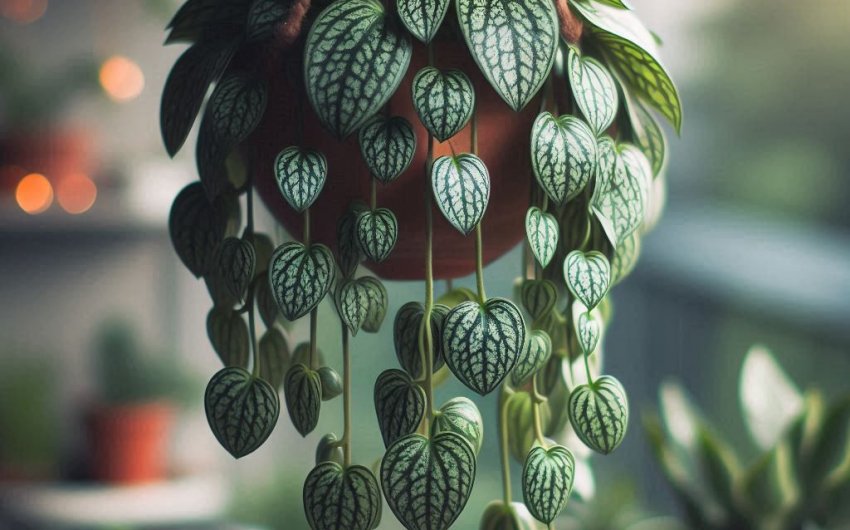
What is a String of Turtles?
If you're a plant lover, chances are you've seen or heard of the adorable String of Turtles, also known as Peperomia prostrata. This plant has captured hearts all over the world with its unique and charming appearance. It's a true gem for any plant collection, especially for those who love delicate trailing plants.
A Miniature Masterpiece
The String of Turtles gets its name from its distinctive leaves. They are small, round, and slightly succulent, with a beautiful mosaic pattern of dark green and light green veins that truly resemble miniature turtle shells. These tiny, intricate leaves grow densely on delicate, reddish-brown trailing stems, creating a lovely cascading effect. It's truly a miniature masterpiece, looking fantastic in hanging baskets or spilling over the edge of a shelf.
Where Does it Come From?
This charming plant is native to the rainforests of Brazil. In its natural habitat, it often grows as an epiphyte (meaning it grows on other plants, like trees, without being a parasite) or as a lithophyte (growing on rocks). This tells us a lot about its preferred growing conditions: it's used to filtered light, high humidity, and excellent drainage, as its roots aren't typically buried deep in heavy soil.
Why is it So Popular?
Its unique appearance is definitely a major draw, but its relatively compact size and manageable care (once you understand its needs) also contribute to its popularity. Plus, like all other Peperomia species, the String of Turtles is considered non-toxic to pets, making it a great choice for homes with curious cats and dogs.
What Kind of Light Does My String of Turtles Need?
Light is one of the most important factors for the health and vibrancy of your String of Turtles. Getting this right is key to its success.
Bright, Indirect Light is Ideal
- Think Filtered Light: In its natural habitat, the String of Turtles grows under the canopy of larger trees, receiving dappled or filtered sunlight. Indoors, this translates to bright, indirect light.
- Best Placement: An east-facing window is often perfect, as it provides gentle morning sun. A north-facing window also works well, offering consistent, soft indirect light throughout the day.
- Avoid Direct Sun: Never place your String of Turtles in harsh, direct sunlight, especially from a south or west-facing window. The delicate leaves can easily scorch, leading to brown, crispy spots. The "turtle shell" pattern might also fade or look bleached.
- Avoid Low Light: Too little light will cause the plant to become leggy (stretching out with long gaps between leaves) as it searches for light. The beautiful patterning on the leaves might also become less prominent or even disappear. Growth will slow down significantly.
Using Grow Lights
If your home doesn't offer enough natural light, especially during shorter winter days, a grow light can be an excellent supplement.
- Type of Light: A full-spectrum LED grow light is recommended. These are energy-efficient and provide the right spectrum of light for plant growth. You can find many options for a LED grow light for houseplants.
- Distance: Position the grow light about 12-18 inches above your String of Turtles. Monitor your plant's reaction and adjust the distance as needed.
- Duration: Provide 10-14 hours of light per day. Using a simple mechanical grow light timer ensures consistency.
How Do I Water My String of Turtles?
Watering is where many people go wrong with String of Turtles. Because it has semi-succulent leaves, it's highly susceptible to overwatering.
The "Dry Out Almost Completely" Rule
This is the most crucial watering rule for String of Turtles. Its plump leaves store water, so it prefers to dry out between waterings.
- Check the Soil: Before watering, always check the soil moisture. Stick your finger about 1-2 inches into the soil. If it feels damp, wait. If it feels dry, it's time to water. For smaller pots, you can also lift the pot – a dry pot will feel noticeably lighter.
- Err on the Side of Underwatering: It's much easier to recover a slightly underwatered String of Turtles than an overwatered one. Overwatering leads to root rot, which can be fatal.
Watering Technique
- Thorough Watering: When you do water, water thoroughly. Pour water slowly over the soil until it drains out of the bottom of the pot.
- Drainage is Non-Negotiable: Ensure your pot has excellent drainage holes. This is absolutely critical.
- No Standing Water: Never let your String of Turtles sit in standing water. After watering, ensure you discard any excess water that collects in the saucer after about 15-30 minutes.
Watering Frequency
There's no strict schedule for watering, as it depends on:
- Light Levels: Plants in brighter light will dry out faster.
- Temperature and Humidity: Warmer, drier air leads to faster evaporation.
- Pot Size and Material: Smaller pots dry faster. Terracotta pots dry faster than plastic ones.
- Season: You'll water more often during the active growing season (spring and summer) and much less frequently in fall and winter when growth slows.
As a general guideline, you might water every 7-14 days during active growth, but always check the soil first!
What Kind of Soil and Pot is Best?
The right potting mix and pot are essential for ensuring proper drainage, which directly impacts watering success.
Soil: Chunky and Well-Draining
- Avoid Heavy Soil: Regular indoor potting soil is usually too dense and holds too much moisture for String of Turtles. This is where root rot problems begin.
- The Ideal Mix: You need a mix that drains very quickly and provides plenty of air pockets for the roots. A good blend includes:
- Orchid Bark or Coco Coir Chunks: Provides excellent aeration and structure.
- Perlite or Pumice: Crucial for drainage and preventing compaction.
- A Small Amount of Peat Moss or Coco Coir Fines: To retain a little moisture and nutrients.
- DIY Mix Examples:
- Equal parts indoor potting mix, perlite, and orchid bark.
- A specialized succulent and cactus potting mix mixed with extra perlite and/or orchid bark.
- Aeration is Key: Think airy, not dense!
Pots: Good Drainage is Paramount
- Drainage Holes: As stated multiple times, a pot with drainage holes is non-negotiable.
- Material:
- Terracotta: Many growers prefer terracotta pots with drainage hole for String of Turtles. Terracotta is porous, meaning it breathes and allows moisture to evaporate through its sides, which helps prevent overwatering.
- Plastic: Plastic pots can work, but they retain moisture longer, so you'll need to be extra vigilant with your watering schedule.
- Size: Don't overpot! String of Turtles has a relatively shallow root system. Choose a pot that's only slightly larger than the root ball. A pot that's too big will hold too much excess moisture, increasing the risk of rot.
How Important is Humidity and Temperature?
Coming from tropical rainforests, String of Turtles thrives in warm, humid conditions.
Humidity: High is Happy!
- Symptoms of Low Humidity: Crispy leaf edges, leaves that shrivel or don't unfurl properly, slow growth, or a general lack of vigor.
- Ways to Boost Humidity:
- Humidifier: This is the most effective method, especially in dry climates or during winter heating season. A small room humidifier for plants can make a huge difference for all your tropical plants.
- Pebble Tray: Place your pot on a shallow tray filled with pebbles and water. Ensure the bottom of the pot is NOT sitting in the water. As the water evaporates, it creates a humid microclimate around the plant. A plant humidity tray is a simple solution.
- Grouping Plants: Grouping several humidity-loving plants together can slightly increase local humidity.
- Avoid Misting: While often suggested, misting usually only provides a very temporary humidity boost and can sometimes lead to leaf spot diseases if water sits on the delicate leaves for too long. Focus on more consistent methods.
Temperature: Stable and Warm
- Ideal Range: String of Turtles thrives in average to warm indoor temperatures, ideally between 65-80°F (18-27°C).
- Avoid Extremes: Keep your plant away from cold drafts, open windows in winter, or direct blasts from heating or air conditioning vents. Sudden temperature fluctuations can stress the plant.
Do I Need to Fertilize My String of Turtles?
Yes, but lightly! Like most Peperomia species, String of Turtles is not a heavy feeder. Over-fertilizing can easily lead to root burn and other problems.
Type of Fertilizer
- Use a balanced liquid houseplant fertilizer or one with a slightly higher phosphorus (P) content for overall plant health.
- A liquid houseplant fertilizer will generally work fine.
Dilution and Frequency
- Dilution is Key: This is paramount. Always dilute the fertilizer to half or even quarter strength of what the bottle recommends. For example, if it says "1 capful per gallon," use half a capful for a typical watering.
- Frequency: Only fertilize during the active growing season (spring and summer), typically once every 4-6 weeks. Do not fertilize in fall or winter when the plant's growth naturally slows down.
- Apply to Moist Soil: Never fertilize a dry plant, as this can cause fertilizer burn. Water your plant lightly first, then apply the diluted fertilizer solution.
Flushing the Soil
Even with careful fertilizing, salts from water and fertilizer can build up in the soil over time.
- Why Flush: Excess salt can "burn" the roots and make it difficult for the plant to absorb water and nutrients, even if they are present.
- How to Flush: Every few months, or if you notice a white crust on the soil surface, thoroughly water your plant from the top with plain, room temperature water. Let the water run out of the drainage holes for several minutes. This helps wash away accumulated salts.
How Do I Propagate a String of Turtles?
String of Turtles is relatively easy to propagate, making it fun to share with friends or create a fuller plant. The most common and successful method is by stem cuttings.
Method: Stem Cuttings
- Choose a Healthy Stem: Select a healthy, actively growing stem from your plant.
- Make the Cut: Using clean, sharp scissors, cut a section of the stem that has at least 3-4 leaves (nodes). Make the cut just below a node (where a leaf attaches to the stem), as this is where roots will emerge. Aim for a cutting about 2-4 inches long.
- Remove Lower Leaves: Gently remove the lowest 1-2 sets of leaves from the cutting, exposing the nodes.
- Rooting Medium: You can root String of Turtles in water or directly in soil.
- Water Propagation: Place the cut end of the stem into a small glass of room temperature water, ensuring the nodes are submerged but no leaves are in the water. Place it in bright, indirect light. Change the water every few days. You should see roots forming in a few weeks. Once the roots are about an inch long, you can plant the cutting in soil.
- Soil Propagation: Fill a small pot with your well-draining potting mix. Make a small hole with a pencil or your finger. Insert the cut end of the stem into the hole, ensuring the exposed nodes are buried. Gently firm the soil around the cutting.
- Create Humidity (for soil propagation): For soil cuttings, covering the pot with a clear plastic bag or dome will significantly increase success by maintaining high humidity. Open daily for a few minutes for air circulation.
- Patience: Roots usually form within 3-6 weeks. Once rooted cuttings show new leaf growth, they are established.
Common Problems and Troubleshooting
Even with careful attention, sometimes issues can arise with your String of Turtles.
1. Drooping or Limp Leaves
- Cause: This can be a sign of both underwatering or overwatering. It's crucial to check the soil.
- Solution:
- If soil is dry: Give it a thorough watering. It should perk up within hours.
- If soil is wet/soggy: This is more serious. It likely has root rot. Gently unpot the plant, inspect roots (trim any mushy, brown ones), and repot into fresh, dry, well-draining soil. Do not water again until the soil is very dry.
2. Yellowing Leaves
- Cause: Most commonly overwatering or poor drainage. Can also be a sign of nutrient deficiency or too little light.
- Solution: Check soil moisture first. If soggy, address drainage. Adjust watering frequency. Ensure proper light and a diluted feeding during the growing season.
3. Leaves Falling Off
- Cause: Can be shock from drastic changes, severe overwatering (rotting leaves fall), or severe underwatering (leaves dry up and fall).
- Solution: Identify the cause by checking your watering routine and environment.
4. Lack of New Growth / Leggy Stems
- Cause: Almost always insufficient light.
- Solution: Move to a brighter spot with indirect light, or supplement with a grow light.
5. Brown, Crispy Edges on Leaves
- Cause: Usually low humidity or underwatering.
- Solution: Increase humidity with a humidifier or pebble tray. Check your watering schedule.
6. Pests
String of Turtles is generally not prone to pests, but occasionally, common houseplant pests like mealybugs or spider mites can appear.
- Signs: Sticky residue, tiny cottony masses, or fine webbing.
- Solution: Isolate the plant. Use a cotton swab dipped in rubbing alcohol to remove visible pests. For larger infestations, use an insecticidal soap for houseplants or Neem oil spray according to package directions.
By understanding the specific needs of your String of Turtles regarding light, water, humidity, and soil, you can create the perfect environment for this charming plant to thrive. With consistent care and a little patience, you'll be enjoying its delightful, cascading "turtle shell" vines for many years to come!