
Is Peperomia safe for dogs?
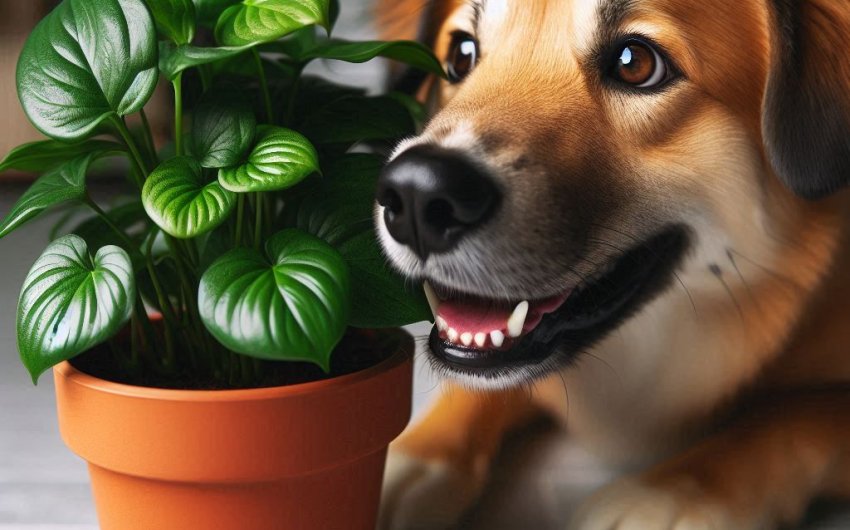
The Pet Parent's Plant Dilemma
Bringing plants into your home adds beauty, freshness, and a touch of nature. But if you share your living space with a furry friend, especially a curious dog, a crucial question always pops up: is this plant safe for my dog? Dogs, with their inquisitive noses and occasional chewing habits, can easily get into plants. And sadly, many common houseplants are actually toxic to dogs. This means choosing dog-safe plants is super important for their health and your peace of mind.
Why Do Dogs Chew Plants?
Dogs might chew plants for various reasons:
- Curiosity: New textures and smells are exciting!
- Boredom: A plant can become a fun toy or distraction.
- Upset Stomach: Some dogs instinctively eat grass or plant material to help with digestive upset, though this is less common with houseplants.
- Nutritional Gaps: Rarely, but sometimes, a dog might be seeking something missing from their diet.
- Teething: Puppies might chew on anything within reach when teething.
No matter the reason, it's vital to know if the plant they're chewing on could harm them.
Understanding "Toxic" vs. "Non-Toxic"
When we talk about plants being toxic to dogs, it means they contain compounds that can cause a range of negative reactions if ingested. These reactions can vary from mild stomach upset to severe organ damage, depending on the plant and the amount eaten.
A non-toxic plant, on the other hand, means that if your dog were to nibble on it, it's unlikely to cause any serious harm. They might still experience a minor upset stomach if they eat a very large quantity, simply because plant matter can be hard to digest in huge amounts, but it won't be due to poisonous compounds.
The Good News: Is Peperomia Safe for Dogs?
Let's get straight to the answer you're looking for: Yes, Peperomia plants are generally considered safe for dogs!
This is excellent news for plant lovers with canine companions, because the Peperomia family is absolutely huge and offers an incredible variety of shapes, sizes, colors, and textures. You can fill your home with beautiful greenery without worrying about your dog's safety if they decide to take a little nibble.
Backed by Experts
Organizations like the ASPCA (American Society for the Prevention of Cruelty to Animals) list all common Peperomia species as non-toxic to dogs (and cats!). This is a reliable source for checking plant safety.
What is Peperomia Anyway?
The Peperomia genus is a diverse group of plants belonging to the Piperaceae family (which also includes the pepper plant!). Most Peperomia species are native to tropical and subtropical regions around the world, often growing as epiphytes (on other plants) or terrestrials (in the ground) in humid, shaded environments.
Why Are Peperomias So Popular?
- Incredible Variety: This is perhaps their biggest selling point. From tiny, round leaves to heart-shaped, crinkled, smooth, striped, or spotted, there's a Peperomia for every taste.
- Compact Size: Most Peperomia plants stay relatively small, making them perfect for shelves, desks, or small spaces.
- Easy Care: Many varieties are quite forgiving, making them great for beginners.
- Pet-Friendly: As we've established, their non-toxic nature makes them ideal for homes with pets.
Common Peperomia Varieties You Might Encounter (All Dog-Safe!)
Here are some popular Peperomia types you might want to consider adding to your collection:
- Peperomia Obtusifolia (Baby Rubber Plant): This is one of the most common and robust types. It has thick, round, glossy leaves, usually deep green, but also available in variegated forms (green and cream/yellow). A Peperomia Obtusifolia Variegated plant adds a touch of brightness.
- Care Tip: Easy to care for, tolerates slightly lower light.
- Peperomia Argyreia (Watermelon Peperomia): Famous for its striking leaves that resemble a watermelon rind with dark green stripes on a silver-green background.
- Care Tip: Loves good humidity and bright, indirect light to maintain its vibrant pattern.
- Peperomia Caperata (Ripple Peperomia): Known for its deeply textured, corrugated leaves that come in various colors like green, red ('Rosso'), or silver ('Emerald Ripple').
- Care Tip: Prefers slightly higher humidity.
- Peperomia Scandens 'Variegata' (Cupid Peperomia): A beautiful trailing variety with heart-shaped leaves that are green with creamy-yellow edges. It makes a wonderful hanging plant. You can find a Cupid Peperomia plant for your home.
- Care Tip: Great for hanging baskets or shelves where its vines can cascade.
- Peperomia Polybotrya (Raindrop Peperomia): Features teardrop or raindrop-shaped leaves that are glossy green.
- Care Tip: Easy to grow and fairly forgiving.
- Peperomia Clusiifolia 'Jelly' or 'Ginny' (Tricolor Peperomia): Has thick, elongated leaves with green, cream, and pink edges, giving it a vibrant look.
- Care Tip: Needs good light to maintain its colorful variegation.
- Peperomia Prostrata (String of Turtles): A delicate trailing plant with tiny, round leaves featuring intricate patterns that resemble turtle shells.
- Care Tip: Loves humidity and bright, indirect light.
As you can see, you have a vast selection of Peperomia plants to choose from, all without the worry of toxicity to your beloved dog.
Basic Care Tips for Your Dog-Safe Peperomia
Knowing that Peperomia is safe for dogs is great, but you also want your plants to thrive! Here are some general care tips that apply to most Peperomia varieties.
1. Light Needs
- Bright, Indirect Light: Most Peperomia varieties prefer bright, indirect light. Think of a spot near a window (east or north-facing is often ideal) where the plant gets plenty of light but no harsh, direct sun.
- Avoid Direct Sun: Direct sunlight, especially afternoon sun, can scorch the leaves, leading to brown spots or faded colors.
- Avoid Low Light: Too little light can lead to leggy growth, smaller leaves, and a loss of variegation (if your plant has it). If your home lacks bright natural light, consider a grow light. A LED grow light for houseplants can provide the necessary light spectrum.
2. Watering
- Semi-Succulent Nature: Many Peperomia species have thick, fleshy leaves or stems that store water, making them somewhat drought-tolerant. This means they are more sensitive to overwatering than underwatering.
- Let Soil Dry Out: The golden rule is to let the top 1-2 inches of soil dry out between waterings. For smaller pots or more succulent types (like 'String of Turtles'), you might let the soil dry out even more thoroughly.
- How to Check: Stick your finger into the soil. If it feels damp, wait. If it feels dry, it's time to water. You can also lift the pot – a dry pot will feel much lighter.
- Thorough Watering: When you do water, water thoroughly until it drains out of the bottom of the pot. Discard any excess water from the saucer after about 15-30 minutes. Never let your Peperomia sit in standing water.
3. Soil and Drainage
- Well-Draining Potting Mix: This is critical for Peperomia to prevent root rot. A good mix will be light and airy.
- DIY Mix: You can mix equal parts of good quality indoor potting soil with perlite and/or orchid bark to improve drainage. You can find perlite for plants easily.
- Drainage Holes: Always, always use a pot with drainage holes. A pot with drainage holes is non-negotiable.
4. Humidity
- Appreciates Humidity: Coming from tropical regions, most Peperomia appreciate moderate to high humidity.
- How to Boost Humidity:
- Pebble Tray: Place your pot on a shallow tray filled with pebbles and a little water. Make sure the bottom of the pot is not sitting in the water. As the water evaporates, it creates a more humid microclimate. A plant humidity tray works well.
- Humidifier: A small room humidifier is the most effective way to increase overall humidity, especially beneficial in dry winter months. A room humidifier for plants can help.
- Avoid Misting: Misting provides only a very temporary humidity boost and can sometimes lead to leaf spot diseases.
5. Temperature
- Consistent Warmth: Peperomia plants prefer stable room temperatures, ideally between 65-80°F (18-27°C).
- Avoid Extremes: Keep them away from cold drafts, open windows in winter, or direct blasts from heating/cooling vents.
6. Fertilizing
- Light Feeder: Peperomia plants are not heavy feeders.
- When to Fertilize: Only fertilize during the active growing season (spring and summer).
- Dilution: Use a balanced liquid fertilizer (like a 10-10-10 or 20-20-20) diluted to half or even quarter strength.
- Frequency: Fertilize every 2-4 weeks during the growing season. Never fertilize a dry plant, as it can burn the roots. A liquid houseplant fertilizer is usually perfect.
7. Pruning and Repotting
- Pruning: You can prune your Peperomia to maintain its shape, encourage bushier growth, or remove leggy stems. Use clean, sharp scissors.
- Repotting: Peperomia plants have small root systems and prefer to be a bit root-bound. Only repot when necessary, usually every 1-2 years, or when you see roots circling the pot. Go up only one pot size.
Keeping Your Dog Away from All Plants (Even Safe Ones)
While Peperomia is dog-safe, it's still a good idea to discourage your dog from eating houseplants in general. Eating too much of any plant material, even non-toxic ones, can sometimes lead to mild stomach upset, vomiting, or diarrhea simply because it's not a normal part of their diet.
1. Strategic Placement
- High Shelves: For smaller Peperomias, placing them on high shelves or in hanging baskets is ideal. Ensure the shelf is stable and the plant is truly out of jumping reach.
- Tall Plant Stands: Using tall, sturdy plant stands can help elevate plants out of reach.
2. Provide Alternatives
- Dog Grass: If your dog loves to munch on green things, offer them a safe alternative like a pot of cat grass (often a mix of oat, wheat, or barley grass). Many pet stores sell dog grass seeds or pre-grown kits.
- Chew Toys: Ensure your dog has plenty of appropriate chew toys to keep them occupied and away from your plants.
3. Deterrents (Use with Caution and Research)
Some deterrents can discourage chewing, but always research and ensure they are safe for your specific dog.
- Bitter Sprays: A commercial bitter spray designed for pets can be applied to the leaves of your plants. Dogs typically dislike the taste. A bitter spray for dogs is widely available.
- Texture Deterrents: Placing aluminum foil, pinecones, or rough-textured material on top of the soil can make the area less appealing for digging or chewing.
- Training: Consistent positive reinforcement training can teach your dog to leave plants alone. Redirect their attention with a toy or command, and reward good behavior.
4. Be Mindful of Fertilizers and Pesticides
Even if the plant itself is non-toxic, the chemicals you use on it might not be.
- Pet-Safe Products: Always choose pet-safe fertilizers. If you use a liquid fertilizer, ensure the pot drains fully and no standing water with fertilizer remains in the saucer where a dog could drink it.
- Natural Pest Control: For pest issues, consider natural and pet-friendly options like Neem oil (always check specific product instructions for pet safety) or insecticidal soaps, and ensure the plant is dry before your dog has access to it. A Neem oil spray for plants is a good starting point.
- Physical Removal: For light pest infestations, simply wiping pests off with a damp cloth or cotton swab is often the safest method.
You can breathe a sigh of relief! Peperomia plants are indeed safe for dogs, making them an excellent choice for pet-friendly homes. With their incredible variety and relatively easy care, you can enjoy a lush indoor garden without compromising your furry friend's safety. Just remember to practice smart placement and discourage excessive chewing to keep both your plants and your pup happy and healthy.