
What are the best cat-safe trailing houseplants?
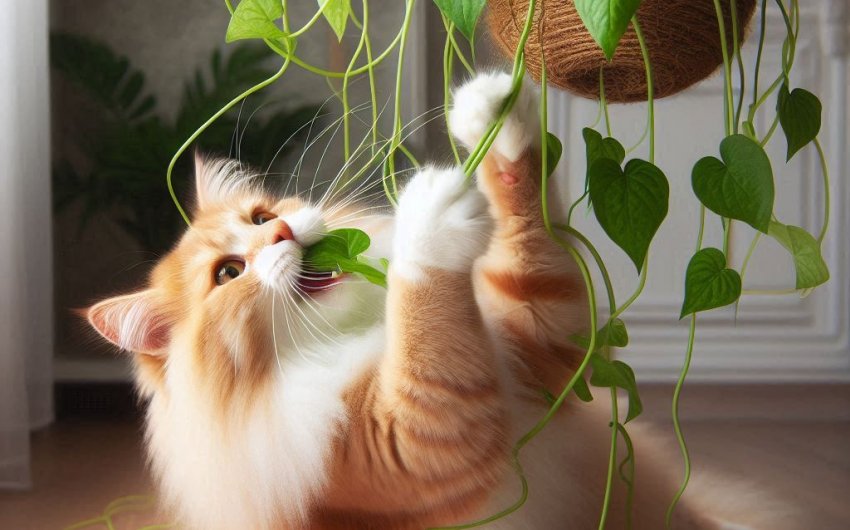
Why Are Cat-Safe Plants So Important?
If you're a plant parent and a cat parent, you know the struggle is real! You want to fill your home with beautiful greenery, but your curious feline friend often sees your plants as tempting toys or tasty snacks. Many common houseplants are actually toxic to cats, meaning they can cause mild to severe health problems if ingested.
The Curious Cat Conundrum
Cats are naturally curious. They love to bat at dangling things, chew on leaves, or dig in the soil. Even if your cat usually ignores your plants, accidents can happen. A bored cat might suddenly decide a trailing vine looks like a fun new toy to chew on. This is why choosing cat-safe plants is not just a preference, but a responsibility.
What Does "Toxic" Mean?
When we say a plant is toxic to cats, it means it contains compounds that can cause a range of reactions if eaten. These can include:
- Mild: Upset stomach, vomiting, diarrhea, drooling, skin irritation.
- Moderate: More severe digestive issues, lethargy, loss of appetite.
- Severe: Organ damage, seizures, difficulty breathing, even death in rare cases.
It's always best to err on the side of caution and choose plants that are known to be non-toxic.
The Allure of Trailing Plants
Trailing houseplants are fantastic for adding a cascade of greenery to your home. They look amazing in hanging baskets, on high shelves, or spilling over the edge of a bookcase. This also makes them ideal for homes with cats, as you can often keep the main plant out of reach while still enjoying its beauty. However, those tempting dangling vines still need to be cat-safe, just in case a determined feline manages to get a nibble.
Top Picks: The Best Cat-Safe Trailing Houseplants
Here's a list of fantastic trailing houseplants that are considered non-toxic to cats by organizations like the ASPCA (American Society for the Prevention of Cruelty to Animals). Always double-check with the ASPCA's plant list if you're unsure about a specific plant.
1. Hoya (Wax Plant)
Hoya plants are absolute gems for cat owners! They are known for their thick, waxy leaves and often produce beautiful, fragrant, star-shaped flowers. There are many different types of Hoya, and almost all of them are non-toxic. Many Hoyas have a wonderful vining habit, perfect for hanging.
- Popular Trailing Varieties:
- Hoya Carnosa: This is the classic Hoya. It has oval-shaped, deep green, waxy leaves and produces clusters of pinkish-white, fragrant flowers. You can find beautiful variegated forms like the Hoya Carnosa Krimson Queen with pink and white edges.
- Hoya Pubicalyx: Similar to carnosa but often with splashes of silver on the leaves and darker flowers. The Hoya Pubicalyx Splash is a popular, easy-care choice.
- Hoya Kentiana (or Wayetii): Features longer, narrower leaves, often with reddish edges when exposed to good light.
- Hoya Chelsea: Known for its crinkled, dimpled leaves, creating a unique texture.
- Care Tips:
- Light: Bright, indirect light. They can tolerate some direct morning sun.
- Water: Let the soil dry out almost completely between waterings. They store water in their thick leaves.
- Humidity: Appreciate average to high humidity.
- Pots: Good drainage is key. A terracotta pot with drainage hole works well.
2. Peperomia (Many Varieties)
The Peperomia family is vast, with hundreds of species, and many are fantastic trailing plants that are also cat-safe! They come in an incredible array of leaf shapes, colors, and textures, so you're sure to find one that fits your style.
- Popular Trailing Varieties:
- Peperomia scandens 'Variegata' (Cupid Peperomia): This is probably the most popular trailing Peperomia. It has heart-shaped leaves with creamy-yellow edges, making it look like a string of hearts. You can often find a Cupid Peperomia plant for sale.
- Peperomia rotundifolia (Trailing Jade Peperomia): Features tiny, round, succulent-like green leaves on delicate trailing stems.
- Peperomia Ruby Glow: Dark green leaves with vibrant red undersides, giving it a striking two-tone look.
- Peperomia caperata 'Rosso': While not a true trailing plant, it forms a dense mound of deeply textured, reddish-green leaves that can spill over a pot nicely. (Still a good non-toxic option!)
- Care Tips:
- Light: Bright, indirect light. Avoid direct sun.
- Water: They have semi-succulent leaves, so let the top 1-2 inches of soil dry out between waterings. They are prone to overwatering.
- Humidity: Tolerant of average humidity, but appreciate higher levels.
- Soil: Use a well-draining potting mix. A succulent and cactus potting mix often works well or add extra perlite to regular potting mix.
3. String of Hearts (Ceropegia woodii)
This is a classic for a reason! The String of Hearts is a beautiful, delicate trailing succulent vine with heart-shaped leaves that grow in pairs along thin, wiry stems. Its elegant appearance makes it a favorite for shelves and hanging baskets.
- Look: Tiny, heart-shaped leaves that can be green, silver-green, or even variegated with pink. The stems are purplish.
- Care Tips:
- Light: Bright, indirect light is best. It can tolerate some direct sun, which often brings out more pink coloration in variegated forms.
- Water: As a succulent, it's very drought-tolerant. Let the soil dry out almost completely between waterings. When the leaves feel less plump or slightly wrinkly, it's a good sign it needs water.
- Soil: Excellent drainage is crucial. Use a succulent and cactus potting mix.
- Pots: A well-draining pot is essential.
4. String of Turtles (Peperomia prostrata)
Another "string of" plant, the String of Turtles is adored for its adorable, miniature turtle-shell patterned leaves. It's a type of Peperomia, so it shares the same cat-safe qualities.
- Look: Small, round, succulent-like leaves with a beautiful mosaic pattern resembling turtle shells. They grow densely on thin, trailing stems.
- Care Tips:
- Light: Bright, indirect light.
- Water: Let the top 1-2 inches of soil dry out. They don't like to be soggy.
- Humidity: Appreciates higher humidity. Consider a plant humidity tray.
- Soil: Use a well-draining mix.
5. Christmas Cactus / Thanksgiving Cactus / Easter Cactus (Schlumbergera)
These popular holiday cacti are wonderful because they produce stunning, colorful blooms in winter (Thanksgiving/Christmas Cactus) or spring (Easter Cactus) and have unique trailing, segmented stems. Best of all, they are cat-safe!
- Look: Flat, segmented green stems that cascade over the edge of a pot. Flowers come in shades of red, pink, white, orange, and purple.
- Care Tips:
- Light: Bright, indirect light. They can tolerate some direct morning sun, but avoid harsh afternoon sun.
- Water: Water when the top inch or two of soil is dry. They are not like desert cacti; they prefer more regular watering.
- Humidity: Appreciate higher humidity, especially when budding and blooming.
- Soil: Use a well-draining potting mix that's a bit richer than typical cactus soil. A holiday cactus potting mix is usually ideal.
- Blooming: To encourage blooms, provide a period of cooler temperatures and longer nights in the fall.
6. Spider Plant (Chlorophytum comosum)
A true classic and one of the easiest houseplants to care for, the Spider Plant is famous for its arching, variegated leaves and the "spiderettes" (baby plants) that dangle from its stems, creating a beautiful cascading effect. It's also completely non-toxic to cats.
- Look: Long, narrow leaves, usually green with a white or cream stripe down the center or edges. Small white flowers can appear, followed by the charming baby plantlets.
- Care Tips:
- Light: Bright, indirect light. They are quite tolerant and can handle lower light, but growth will be slower.
- Water: Water when the top inch or two of soil is dry. They are somewhat drought-tolerant.
- Humidity: Tolerant of average household humidity.
- Soil: Any good quality, well-draining potting mix will do. A basic indoor potting soil is fine.
- Fun Fact: Cats are often attracted to spider plants, possibly because of a mild hallucinogenic effect when chewed, similar to catnip! While non-toxic, be aware your cat might still try to nibble.
7. Boston Fern (Nephrolepis exaltata) and Kimberly Queen Fern (Nephrolepis obliterata)
Many ferns are excellent trailing plants, providing lush, feathery greenery. The Boston Fern is a popular choice, known for its long, arching fronds. The Kimberly Queen Fern is similar but with more upright, sword-shaped fronds that eventually cascade. Both are cat-safe.
- Look: Long, graceful fronds that spill over the edge of a pot, creating a soft, natural look.
- Care Tips:
- Light: Bright, indirect light. They can tolerate lower light but won't be as full. Avoid direct sun.
- Water: Keep the soil consistently moist, but not soggy. They don't like to dry out completely.
- Humidity: This is key for ferns! They absolutely love high humidity. Use a humidifier or pebble tray. A room humidifier for plants is highly recommended.
- Soil: Use a well-draining potting mix that retains some moisture.
8. Watermelon Peperomia (Peperomia argyreia)
While this Peperomia usually grows in a bushy, mounding shape, its stems can become long enough to gently trail over the side of a pot, making it a great addition to your cat-safe collection. It's famous for its stunning leaves.
- Look: Round to oval leaves with dark green stripes that resemble a watermelon rind, contrasting with silvery-green areas. The undersides are reddish.
- Care Tips:
- Light: Bright, indirect light.
- Water: Let the top 1-2 inches of soil dry out between waterings. Overwatering is a common problem.
- Humidity: Appreciates good humidity.
- Soil: Well-draining potting mix.
9. Burro's Tail / Donkey's Tail (Sedum morganianum)
This succulent is truly unique! Its long, rope-like stems are covered in plump, teardrop-shaped leaves, creating a stunning, cascading effect. It's completely cat-safe.
- Look: Thick, fleshy, overlapping leaves that resemble a braided tail. Can grow very long.
- Care Tips:
- Light: Very bright light is essential, including some direct sun (especially morning sun) to keep it compact and prevent etiolation (stretching).
- Water: As a succulent, it's extremely drought-tolerant. Water thoroughly only when the soil is completely dry. Less is more!
- Soil: Very well-draining succulent or cactus mix. A succulent and cactus soil mix is a must.
- Handling: Be careful when handling, as the leaves detach very easily.
10. Fishbone Cactus / Zig Zag Cactus (Epiphyllum anguliger)
This unique cactus has flat, zig-zagging stems that resemble a fishbone. It's an epiphytic cactus (grows on trees in its natural habitat) and will trail beautifully, often producing fragrant white or yellow flowers at night. It's cat-safe.
- Look: Long, flattened, green stems with deeply lobed or zig-zagged edges.
- Care Tips:
- Light: Bright, indirect light. Tolerates some direct morning sun.
- Water: Water when the top 1-2 inches of soil are dry. Don't let it dry out completely for long periods like a desert cactus.
- Humidity: Appreciates moderate to high humidity.
- Soil: A loose, airy, well-draining mix similar to orchid potting mix. An orchid potting mix mixed with a bit of regular potting soil works well.
Important Considerations for Cat Owners
Even with cat-safe plants, there are a few extra steps you can take to ensure your feline friend stays healthy and your plants stay beautiful.
1. Monitor Your Cat
Just because a plant is non-toxic doesn't mean your cat should be allowed to eat it constantly. Ingesting large amounts of any plant material can still cause mild stomach upset. Observe your cat's behavior around new plants. If they seem obsessed with chewing, try to discourage it.
2. Place Plants Strategically
- Hanging Baskets: The best way to keep plants out of reach! Look for sturdy plant hangers that can support the weight of the pot and plant.
- High Shelves: Ensure shelves are stable and high enough that a jumping cat can't reach.
- Terrariums or Enclosures: For very determined chewers, creating a closed environment like a terrarium can be an option, though this limits plant choices.
3. Provide Cat-Specific Greenery
If your cat loves to chew on plants, give them safe alternatives!
- Cat Grass: Growing a small pot of cat grass seeds (usually oat, wheat, or barley grass) can divert their attention from your houseplants.
- Catnip: A small catnip plant can be a fun distraction.
4. Deterrents (Use with Caution)
Sometimes, gentle deterrents are needed.
- Bitter Apple Spray: A safe, non-toxic spray that tastes awful to cats can be applied to leaves. A bitter apple spray for pets is widely available.
- Foil or Pinecones in Soil: Cats often dislike the texture of foil or pinecones placed on top of the soil, which can deter digging.
- Training: Gently redirect your cat away from plants with a firm "No!" and offer an appropriate toy or treat instead.
5. Be Mindful of Fertilizers and Pesticides
Even if the plant itself is non-toxic, what you put ON it might not be.
- Organic Fertilizers: Consider using organic, pet-safe fertilizers.
- Pesticides: If you need to use a pesticide, ensure it's safe for use around pets. Many Neem oil products are generally considered safer for pets once dry, but always read labels carefully. A Neem oil plant spray is a popular natural option.
- Wipe Leaves: After applying any treatment, you can gently wipe down the leaves with a damp cloth after the product has dried.
By carefully selecting cat-safe trailing houseplants and implementing smart placement and care strategies, you can create a beautiful, green oasis in your home that is safe and enjoyable for both you and your beloved feline companions. Happy planting!