
Why is my Calathea orbifolia curling its leaves?
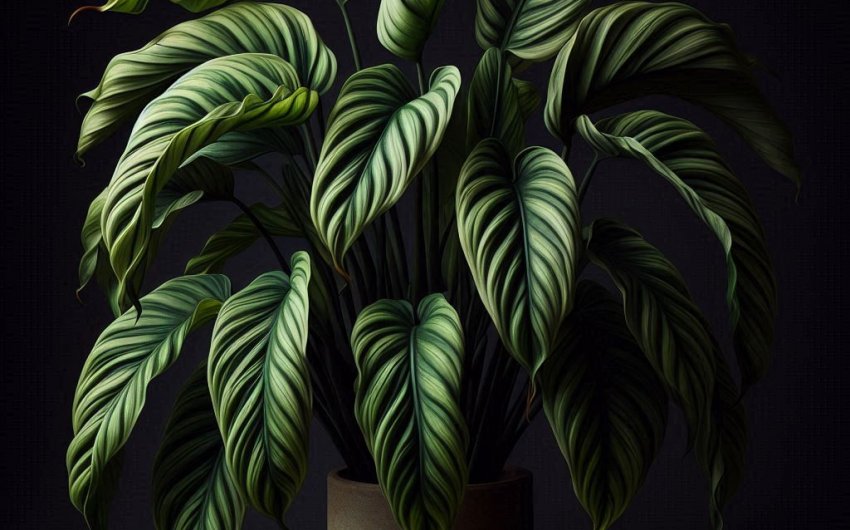
The Calathea orbifolia is undeniably one of the most stunning houseplants. Its large, round leaves, adorned with intricate patterns of broad silvery-green stripes, make it a true living work of art. Often called a "Prayer Plant" (though technically a close relative), Calatheas are known for their fascinating habit of raising and lowering their leaves in response to light, a process called nyctinasty. This movement adds to their allure. However, despite their beauty, Calathea orbifolia can be quite particular, and one of the most common and alarming signs of distress is when your Calathea orbifolia starts curling its leaves.
Leaf curling is your Calathea's urgent cry for help. It's a clear signal that something in its environment isn't right. Understanding why your Calathea orbifolia is curling its leaves is the first step to diagnosing the problem and getting your beautiful plant back to its lush, uncurled glory. This comprehensive guide will explore all the primary reasons behind leaf curling in Calathea orbifolia and provide practical, actionable solutions to rescue your plant.
Understanding Calathea Orbifolia and Its Needs
To troubleshoot why your Calathea orbifolia is curling its leaves, it helps to understand its natural habitat. Calatheas are native to the tropical rainforests of South and Central America, specifically the understory of dense jungles. This environment is characterized by:
- Dappled, indirect light: They receive filtered light through the canopy above, never direct sun.
- High and consistent humidity: The air is consistently moist, often 60-80% relative humidity or higher.
- Warm and stable temperatures: Temperatures are consistently warm, with little fluctuation.
- Consistently moist, but never soggy, soil: The rainforest floor is damp, but excess water drains away.
When your Calathea orbifolia curls its leaves, it's typically trying to protect itself from a stressful condition. The curling reduces the leaf's exposed surface area, which helps the plant conserve moisture or reduce light exposure. It's a defense mechanism.
Top Reasons Why Your Calathea Orbifolia is Curling Its Leaves
There are several common culprits behind Calathea orbifolia leaf curling. Most relate to incorrect environmental conditions or improper care. Let's break them down.
1. Underwatering (The Most Common Cause)
This is by far the most frequent reason for Calathea orbifolia leaves curling.
- Dehydration Signal: When the soil becomes too dry, the plant can't absorb enough water to keep its leaves turgid (firm and plump). As a result, the cells lose water pressure, and the leaves curl inward to reduce the surface area exposed to the air, thus minimizing further water loss through transpiration.
- How it Looks: The leaves will feel flimsy, may droop slightly, and the curling will be noticeable. The soil in the pot will likely feel very dry to the touch, potentially even pulling away from the sides of the pot.
Solution:
- Consistent Watering Schedule: Calatheas prefer consistently moist soil, but never soggy. Water thoroughly when the top 1-2 inches of soil feel dry to the touch. Don't wait until the entire pot is bone dry.
- Check Soil Moisture: Use your finger or a moisture meter plant moisture meter to check the soil moisture before watering.
- Thorough Watering: When you water, do so thoroughly until water drains out of the bottom of the pot. Ensure all the soil gets wet.
- Avoid Letting Soil Dry Out Completely: This plant is not drought-tolerant. A consistent watering routine is crucial.
2. Low Humidity (A Very Common Cause)
As rainforest natives, Calathea orbifolia absolutely thrive in high humidity. Lack of moisture in the air is a major stressor.
- Rapid Transpiration: In dry air, the leaves lose water through their pores (stomata) much faster than the roots can absorb it from the soil. Even if the soil is moist, the plant can't keep up with the water loss from the air.
- Curling for Conservation: To combat this rapid water loss, the plant curls its leaves inward to reduce the exposed surface area, thereby conserving precious moisture.
- How it Looks: Along with curling, you'll often see crispy, brown edges or tips on the leaves. New leaves might struggle to unfurl or emerge with existing crispy spots. The overall environment will feel dry to you too.
Solution:
- Target 60-80% Humidity: The ideal range for Calathea orbifolia is 60% to 80% relative humidity. Use a hygrometer indoor hygrometer for plants to monitor your room's humidity.
- Use a Humidifier: This is the most effective way to consistently raise humidity. A cool-mist ultrasonic room humidifier plant humidifier placed near your plant can make a huge difference.
- Pebble Trays: Place the pot on a tray filled with pebbles and water. Ensure the pot sits above the water. As the water evaporates, it creates a humid microclimate. You can buy humidity trays for plants.
- Group Plants: Clustering your Calathea orbifolia with other humidity-loving plants helps create a more humid microclimate through collective transpiration.
- Avoid Misting (as a primary solution): While misting feels good, its effects are fleeting and can sometimes encourage fungal issues if water sits on leaves without good airflow. It's rarely enough on its own.
3. Too Much Light (Direct Sunburn)
Remember, Calatheas grow in the rainforest understory, receiving dappled, filtered light. They are not built for direct, harsh sunlight.
- Sun Stress: Direct sunlight, especially intense afternoon sun, can quickly scorch their sensitive leaves. This is a form of dehydration, as the plant rapidly loses water trying to cool itself down.
- Curling for Protection: The leaves will curl inward and often turn pale or develop bleached, yellow, or crispy brown spots (sunburn). This curling is an attempt to reduce the amount of light exposure.
Solution:
- Bright, Indirect Light Only: Place your Calathea orbifolia in a spot that receives bright, indirect light. An east-facing window is often ideal. A north-facing window might be too dim. South or west-facing windows should be filtered with sheer curtains or have the plant set back several feet.
- No Direct Sun: Never expose your Calathea to direct sun rays. If the curling happens primarily during the brightest parts of the day, light is likely the issue.
4. Overwatering (Leading to Root Rot)
While underwatering causes immediate curling, overwatering can also lead to leaf curling, but it's a more insidious problem because it damages the roots first.
- Root Suffocation: Consistently soggy soil (due to overwatering or poor drainage) starves the roots of oxygen.
- Root Rot: Lack of oxygen and excessive moisture create perfect conditions for root rot fungi and bacteria to attack. Rotted roots cannot absorb water or nutrients, even if the soil is wet.
- Dehydration from Rot: The plant then becomes dehydrated because its roots are dying and can't function. This manifests as drooping and leaf curling, just like underwatering. However, the leaves might also look yellow or mushy, and the soil will be perpetually wet and possibly smell foul.
Solution:
- Proper Potting Mix: Use a well-draining potting mix specifically formulated for aroids or tropical plants. This typically includes bark chips, perlite, and coco coir to ensure excellent drainage and aeration. Avoid heavy, dense, regular potting soil. You can find aroid potting mix.
- Drainage Holes: Always ensure your pot has ample drainage holes. Never let a Calathea sit in standing water.
- "Soak and Dry" (Careful Version): While Calatheas like moist soil, they must drain well. Water thoroughly, then let the top 1-2 inches dry out before watering again. If you suspect root rot, unpot the plant, prune away all mushy, brown, or black roots with sterilized shears, and repot into fresh, well-draining mix. Allow the plant to dry out for a few days before its first gentle watering after repotting.
5. Water Quality (Chlorine and Fluoride Sensitivity)
Calatheas are famously sensitive to chemicals found in tap water.
- Chlorine and Fluoride: Tap water often contains chlorine and/or fluoride. Over time, these chemicals can build up in the soil and harm the plant, leading to brown leaf tips and edges, and sometimes curling or general stress.
- How it Looks: Often seen as brown tips that eventually merge with overall leaf browning and curling.
Solution:
- Filtered Water: Use filtered water (like from a Brita filter or a whole-house filter).
- Rainwater or Distilled Water: These are ideal as they contain no chlorine or fluoride. You can collect rainwater for your plants.
- Leave Tap Water Out: If you must use tap water, let it sit in an open container for 24-48 hours. This allows chlorine to evaporate, though it won't remove fluoride.
6. Temperature Stress (Too Cold or Sudden Drops)
Calatheas prefer consistent warmth. They are very sensitive to cold.
- Too Cold: Temperatures consistently below 60°F (15°C) will stress the plant, causing leaves to curl, droop, and potentially turn yellow or brown.
- Sudden Drops: A sudden, drastic drop in temperature (e.g., leaving it too close to an open, cold window in winter, or exposure during transport) can cause immediate shock, leading to rapid leaf curling and damage.
- How it Looks: Leaves might curl tightly and look rigid, sometimes even slightly bruised or discolored.
Solution:
- Consistent Warmth: Maintain room temperatures between 65-80°F (18-27°C). Avoid prolonged exposure below 60°F (15°C).
- Avoid Drafts: Keep your Calathea away from cold drafts from windows, doors, or air conditioning vents. Also, avoid placing it too close to external walls that get very cold in winter.
- Protect During Transport: If buying a new Calathea in cold weather, ensure it's well-wrapped for the journey home.
7. Nutrient Imbalance or Over-Fertilizing
While Calatheas are not heavy feeders, an imbalance or excess can cause stress.
- Over-Fertilizing: Too much fertilizer can lead to a buildup of salts in the soil, which can burn roots and cause the plant to struggle with water absorption, leading to curling and brown tips.
- Nutrient Deficiency (Less Common): A severe lack of a specific nutrient (though less common if using a balanced liquid fertilizer) could also stress the plant.
Solution:
- Diluted Fertilizer: Fertilize sparingly, usually every 2-4 weeks during the active growing season (spring and summer) only, using a balanced liquid houseplant fertilizer liquid houseplant fertilizer diluted to half or even quarter strength.
- Flush Soil: Every 2-3 months, water your Calathea thoroughly with plain water until a significant amount drains out. This helps flush out any accumulated salts.
- Reduce/Stop in Winter: Do not fertilize during fall and winter months when the plant's growth slows down.
8. Pot-Bound Roots
While Calatheas generally don't mind being slightly root-bound, extreme crowding can lead to issues.
- Limited Water/Nutrient Absorption: If the roots are excessively circling the pot and there's very little soil left, the plant struggles to absorb enough water and nutrients, even if you water properly. This can lead to dehydration and curling.
Solution:
- Check Roots: If your Calathea orbifolia has been in the same pot for a long time (2+ years) and you suspect it's root-bound, gently check its roots by slipping it out of the pot.
- Repot if Necessary: If roots are circling densely, repot into a pot only 1-2 inches larger, using fresh, well-draining aroid mix. Don't go too big too fast, as this can lead to excess soil holding too much moisture.
9. Pests (Especially Spider Mites)
Stressed plants are more vulnerable to pests, and sometimes pests themselves can directly cause damage leading to curling. Spider mites are a particular nemesis of Calatheas, especially in dry conditions.
- Sap-Sucking: Spider mites are tiny arachnids that suck sap from plant cells, weakening the plant and causing visible damage.
- How it Looks: You'll see tiny dots (stippling) on the leaves, usually on the undersides. In severe infestations, you might see fine webbing, especially where the leaves meet the stems. Leaves will look dull, may yellow, and curl inward as they lose moisture and health.
- Other Pests: Mealybugs or thrips can also stress plants, but spider mites are the most common cause of curling related to pests on Calatheas.
Solution:
- Inspect Regularly: Regularly inspect your Calathea, especially the undersides of leaves, with a magnifying glass if needed.
- Increase Humidity: High humidity actually deters spider mites, so combine this with other treatments.
- Wipe Leaves: Wipe leaves thoroughly with a damp cloth to physically remove mites.
- Treat: For active infestations, use an insecticidal soap insecticidal soap for plants or Neem oil neem oil spray for plants spray, ensuring full coverage, especially on undersides of leaves. Repeat treatments as directed.
Troubleshooting Sequence: How to Diagnose and Fix Curling Leaves
When your Calathea orbifolia is curling its leaves, don't panic. Go through this systematic troubleshooting process:
- Check Soil Moisture FIRST: This is the most common cause. Stick your finger 1-2 inches deep. Is it bone dry? Water immediately. If it's soaking wet, you might have an overwatering/root rot issue (proceed to step 4).
- Check Humidity: Look at your hygrometer. Is it below 60%? Implement humidity-boosting strategies (humidifier, pebble tray, grouping).
- Check Light Exposure: Is the plant in direct sunlight? Move it to a spot with bright, indirect light. Is it too dark? Move it closer to a filtered window.
- Inspect for Pests: Examine both sides of the leaves, especially the undersides and along the stems, for any signs of tiny insects or webbing. Treat if necessary.
- Check for Temperature Stress: Is the plant in a cold draft? Is the room consistently too cold? Move to a warmer, more stable location.
- Assess Watering Habits/Soil/Pot: If soil is consistently wet, or if you suspect root rot (mushy stems/roots), unpot, inspect roots, prune if needed, and repot in fresh, well-draining mix. Ensure your pot has drainage holes.
- Consider Water Quality/Fertilizer: If all else fails and brown tips persist, consider switching to filtered/distilled water and review your fertilizing schedule.
Patience is Key: It might take a few days to a week for your Calathea orbifolia's leaves to fully uncurl and for the plant to show signs of recovery once the underlying issue is addressed. Stay consistent with good care, and your beautiful "orbifolia" will soon be flaunting its magnificent leaves once more.