
What’s the best humidity level for Alocasia Polly?
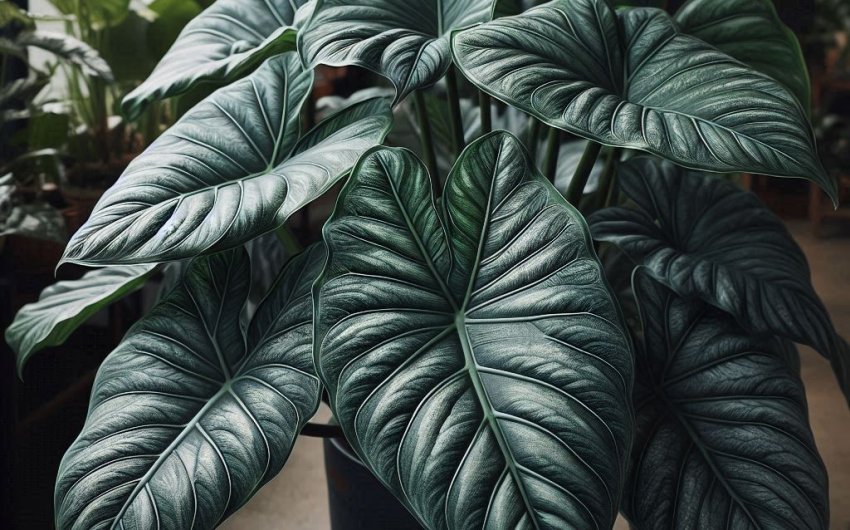
The Alocasia Polly is a true showstopper among houseplants. With its dramatic, arrow-shaped, dark green leaves and strikingly contrasting silvery-white veins, it's often called the "African Mask Plant" or "Elephant Ear." Its unique beauty makes it a highly sought-after addition to any plant collection. However, many Alocasia Polly owners quickly learn that while this plant is gorgeous, it can also be a bit fussy. One of the most common challenges, and a key to its thriving, revolves around a single environmental factor: humidity.
If you've noticed your Alocasia Polly developing crispy leaf edges, brown tips, or generally looking less vibrant, the answer very likely points to dry air. So, what's the best humidity level for Alocasia Polly? The short answer is: they love it high! Understanding their natural habitat and implementing strategies to provide adequate moisture in the air is crucial for keeping your Alocasia Polly healthy, vibrant, and free from common humidity-related issues. This comprehensive guide will deep-dive into the ideal humidity levels for your Alocasia Polly, why it's so important, and practical ways to keep your dramatic beauty thriving.
Understanding Alocasia Polly's Natural Habitat and Why Humidity Matters
To truly grasp why Alocasia Polly needs high humidity, let's take a quick trip to its natural home. Alocasias are native to the tropical and subtropical rainforests of Asia, particularly regions like Southeast Asia.
- Rainforest Environment: Imagine a dense jungle floor or understory. The air is consistently warm and incredibly moist, with frequent rainfall, high evaporation from lush foliage, and often mist or fog. The ground might be damp, but never waterlogged.
- Adaptations: Alocasias have evolved to thrive in these conditions. Their large, often thin leaves are designed to efficiently absorb moisture from the air (through stomata, tiny pores on their leaves) and quickly transpire (release) excess water.
When we bring an Alocasia Polly into our homes, especially in climates with dry winters (due to heating) or naturally arid summers, we are asking it to adapt to conditions vastly different from its evolutionary comfort zone.
- Transpiration Stress: In dry air, the plant loses water through its leaves much faster than its roots can absorb it from the soil, even if the soil is moist. This constant struggle leads to dehydration.
- Crispy Edges and Brown Tips: This is the tell-tale sign of low humidity. The plant essentially "dries out" at its leaf edges and tips first because those are the furthest points from the water source and the most exposed.
- Overall Health: Prolonged low humidity weakens the plant, making it more susceptible to pests and diseases, and hinders its ability to produce new, healthy foliage.
So, providing high humidity isn't just about making your Alocasia Polly happy; it's about enabling its fundamental biological processes to function effectively.
What is the Ideal Humidity Level for Alocasia Polly?
The optimal humidity level for Alocasia Polly is consistently between 60% and 80%. Some even prefer closer to 85% in their native habitat, but for a home environment, 60-80% is the goal.
- Minimum Threshold: Anything below 50% humidity for an extended period will likely start causing noticeable stress and damage, especially to new leaves.
- Comfort Zone: Between 60% and 70% is generally a comfortable range where Alocasia Polly can truly thrive, grow new leaves without issues, and maintain its lush appearance.
- High End (70-80%+): While Alocasias appreciate very high humidity, going consistently above 80% without excellent air circulation can sometimes lead to other issues like fungal diseases on leaves or root rot if coupled with overwatering. However, for most home environments, reaching 70% is a challenge, so focus on getting it as high as you comfortably can.
To measure humidity in your home, you'll need a hygrometer indoor hygrometer for plants. These are inexpensive devices that give you a precise reading of the relative humidity in your immediate environment. Place it near your Alocasia Polly to get an accurate reading of its microclimate.
Signs Your Alocasia Polly Needs More Humidity
Your plant will tell you if it's not getting enough moisture in the air. Look out for these common symptoms:
- Crispy or Brown Leaf Edges and Tips: This is the most classic and immediate sign. The edges and tips of the leaves, especially older ones, will start to dry out, turn brown, and feel crispy to the touch. This happens because the plant is losing water from these areas faster than it can replace it.
- Stunted New Growth: New leaves might emerge smaller than usual, or they might struggle to unfurl properly. Sometimes, they even emerge with brown, crispy spots already present.
- Overall Lack of Vibrancy/Drooping: The plant might generally look dull, less lush, or slightly droopy, even if the soil is moist. This is a sign of overall stress.
- Increased Susceptibility to Pests: Stressed plants are more vulnerable. Spider mites, in particular, absolutely thrive in dry conditions and often target Alocasias. If you see tiny dots on your leaves or fine webbing, low humidity is likely a contributing factor.
- Guttation (Water Droplets) Stops or Decreases: Alocasias often exhibit guttation, where small droplets of water appear on their leaf tips, usually in the morning. This is a sign of healthy water transport. If this stops, it can indicate a lack of consistent moisture, including humidity.
If you observe any of these symptoms, especially crispy edges, it's a clear signal that you need to take steps to increase the humidity around your Alocasia Polly.
Practical Ways to Increase Humidity for Your Alocasia Polly
Now that you know why humidity is important and what to look for, let's explore the most effective ways to provide your Alocasia Polly with the moist air it craves.
1. Use a Humidifier: The Most Effective Method
For consistently high humidity, especially in dry indoor environments (like heated homes in winter), a room humidifier is by far the most effective solution.
- Type: A cool-mist ultrasonic humidifier is usually preferred for plants, as it produces a fine mist without raising room temperature. You can find plant humidifiers specifically designed for indoor use.
- Placement: Place the humidifier relatively close to your Alocasia Polly (within a few feet), ensuring the mist doesn't directly settle on the leaves for prolonged periods, as this can lead to fungal issues.
- Benefits: A humidifier provides consistent, measurable humidity levels across a larger area, benefiting not only your Alocasia but potentially other humidity-loving plants nearby.
2. Group Your Plants: Create a Microclimate
Plants naturally release moisture into the air through transpiration. By grouping several plants together, especially other humidity-loving varieties, you can create a small "microclimate" with higher ambient humidity.
- Clustering: Place your Alocasia Polly close to other houseplants. The collective transpiration from the group will raise the humidity levels in that localized area.
- Benefits: This is a simple, no-cost method that passively boosts humidity and can make your plant display look more lush.
3. Pebble Trays: A Classic Solution
Pebble trays are a time-tested method for increasing localized humidity.
- How it Works: Fill a shallow tray with pebbles or gravel and add water to just below the top of the pebbles. Place your Alocasia Polly's pot on top of the pebbles. As the water evaporates, it adds humidity to the air directly around the plant.
- Crucial Point: Ensure the bottom of the pot does not sit directly in the water, as this can lead to root rot. The pebbles are there to keep the pot elevated. You can purchase humidity trays for plants.
- Benefits: Inexpensive and effective for single plants or small groups. Requires refilling the water regularly.
4. Misting: A Temporary Boost (Use with Caution)
Misting involves spraying a fine mist of water onto your plant's leaves.
- Effectiveness: While misting feels good and can provide a very temporary boost in humidity, its effects are fleeting. The water evaporates quickly, and unless you're misting constantly, it doesn't provide the consistent humidity an Alocasia Polly truly needs.
- Risks: Frequent misting can leave water droplets on leaves, especially in crevices or on the fuzzy undersides of Alocasia leaves. If these droplets don't evaporate quickly due to poor air circulation, they can encourage fungal diseases (like bacterial leaf spot or powdery mildew).
- When to Mist: If you choose to mist, do so in the morning so the leaves have time to dry throughout the day. Ensure good air circulation. Focus misting more on the air around the plant, rather than directly on the leaves.
Recommendation: Misting alone is rarely sufficient to meet the high humidity needs of Alocasia Polly. Use it as a supplementary measure, not a primary solution.
5. Consider a Terrarium or Cloche (for Small Plants)
For very small Alocasia Polly plants, or propagating new ones, a terrarium or cloche (a clear bell-shaped cover) can create a highly humid, enclosed environment.
- Benefits: Provides near-perfect humidity levels, ideal for struggling plants or those being established.
- Considerations: Requires careful monitoring to prevent excessive condensation and ensure good air circulation within the enclosure to avoid fungal issues. This is usually not practical for mature, larger Alocasia Polly plants. You can find glass cloches for plants.
6. Location, Location, Location!
Where you place your Alocasia Polly in your home can naturally influence its humidity exposure.
- Bathrooms: If you have a bathroom with good light and ventilation, it's often a naturally more humid spot due to showers.
- Kitchens: Kitchens can also have slightly higher humidity from cooking.
- Avoid Dry Areas: Keep Alocasias away from drafty windows, heating vents, radiators, or fireplaces, which are major sources of dry, hot air.
Important Considerations When Increasing Humidity
While boosting humidity is crucial, keep these points in mind to avoid other problems:
1. Air Circulation is Still Key
High humidity combined with stagnant (still) air is a recipe for fungal diseases.
- Gentle Airflow: Ensure there's good, gentle air circulation around your Alocasia Polly. This doesn't mean a direct blast from a fan, but rather general air movement.
- Open Windows/Fans: In warmer weather, opening windows or using an oscillating fan on a low setting (not directly blowing on the plant) can improve air circulation.
2. Watering Adjustments
While high humidity reduces water loss from leaves, you still need to be careful with soil moisture.
- Avoid Overwatering: High humidity does NOT mean you should water more frequently. Your watering schedule still depends on the soil drying out. Always check the soil moisture before watering to prevent root rot. An indoor plant watering can helps with controlled watering.
- Well-Draining Soil: Always ensure your Alocasia Polly is in a well-draining potting mix (often an aroid mix with bark, perlite, and coco coir) and a pot with drainage holes.
3. Monitor for Pests (Especially Spider Mites)
Even though low humidity contributes to spider mites, you should always be vigilant.
- Regular Inspection: Regularly inspect the undersides of leaves and in leaf axils for any signs of pests.
- Integrated Pest Management: If you see spider mites, increase humidity, wipe leaves thoroughly, and consider using an insecticidal soap insecticidal soap for plants or Neem oil neem oil spray for plants.
4. Consistent Care for Optimal Health
Humidity is one piece of the puzzle. For your Alocasia Polly to truly thrive, ensure all its basic needs are met:
- Light: Bright, indirect light.
- Watering: Consistent "almost dry" cycles.
- Soil: Well-draining, airy aroid mix.
- Temperature: Warm (65-80°F or 18-27°C). Avoid sudden drops.
- Fertilizing: Regular, diluted feeding during the growing season. A balanced liquid plant fertilizer is usually good.
By maintaining ideal humidity levels, typically between 60% and 80%, and combining it with excellent air circulation and proper overall care, your Alocasia Polly will reward you with its stunning, vibrant foliage, proving that this dramatic beauty can indeed thrive in your home.