
How do I compost hair and nail waste from salons?
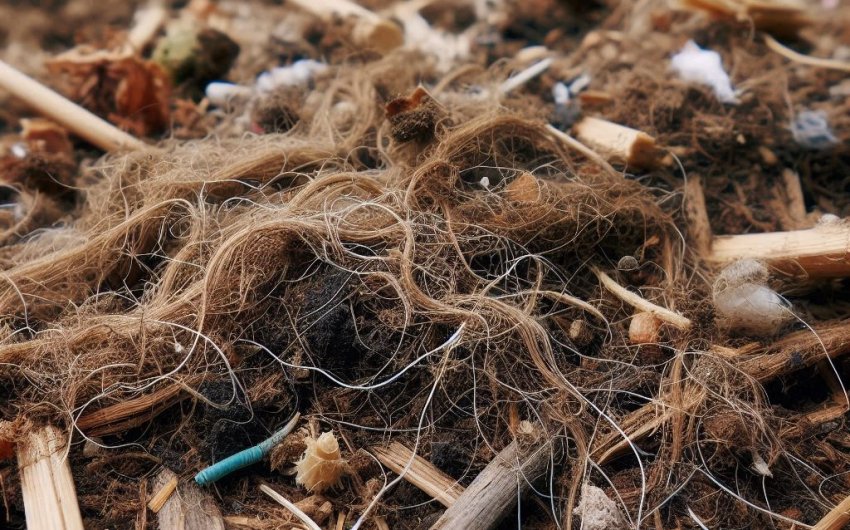
Composting hair and nail waste from salons is an effective way to reduce landfill waste and create nutrient-rich soil amendment. These organic materials are primarily composed of keratin, which breaks down slowly but significantly enriches compost with nitrogen and other trace elements.
Why Should Salons Compost Hair and Nail Waste?
Composting hair and nail waste offers significant environmental and economic benefits for salons. Diverting these materials from landfills reduces the volume of solid waste, decreases methane emissions, and contributes to a more sustainable business model. It also appeals to environmentally conscious customers who value green practices.
Environmental Benefits
The beauty industry generates a substantial amount of waste, much of which ends up in landfills. Hair and nail clippings, though organic, contribute to this problem.
- Waste Reduction: Composting hair and nails directly reduces the volume of salon waste sent to landfills. This lessens the burden on waste management systems.
- Methane Emission Reduction: When organic matter, like hair and nails, breaks down in anaerobic (oxygen-starved) landfill conditions, it produces methane. Methane is a potent greenhouse gas, far more impactful than carbon dioxide over short periods. Composting is an aerobic process, meaning it occurs with oxygen, which significantly reduces methane production.
- Nutrient Cycling: Hair is particularly rich in nitrogen, a vital nutrient for plant growth. Nails contain various minerals. Composting these materials returns these valuable nutrients to the soil, improving its fertility and reducing the need for synthetic fertilizers. This closed-loop system promotes sustainable resource management.
- Soil Improvement: The finished compost enriches soil structure, improves water retention, and provides a slow-release source of nutrients, leading to healthier plants and reduced soil erosion.
Economic Advantages
While the primary drive might be environmental, there are tangible financial benefits too.
- Reduced Landfill Costs: Depending on local waste collection fees, reducing the volume of waste through composting can lead to lower refuse collection bills for the salon.
- Marketing and Brand Image: Implementing a visible composting program can significantly enhance a salon's reputation as an environmentally responsible business. This appeals to a growing segment of eco-conscious consumers, potentially attracting new clients and fostering customer loyalty. Salons can promote their green initiatives, setting them apart from competitors.
- Community Engagement: Participating in composting initiatives can lead to partnerships with local farms, community gardens, or composting facilities. This strengthens the salon's ties within the community.
- Potential for Compost Sales/Use: If the salon produces a significant amount of compost, it could potentially be used for landscaping around the salon, donated to local gardens, or even sold, creating a minor revenue stream or offsetting landscaping costs.
Ethical Considerations
Beyond the practical benefits, there's an ethical dimension to waste management. Choosing to compost demonstrates a commitment to corporate social responsibility. It shows that the salon is not just focused on profit but also on minimizing its ecological footprint and contributing positively to the planet. This aligns with modern business ethics that prioritize sustainability.
Can All Salon Waste Be Composted?
No, not all salon waste can be composted. While hair and natural nail clippings are excellent additions to a compost pile, many other salon waste items are not compostable or require special handling due to chemicals or synthetic materials.
Compostable Salon Waste
These items are primarily organic and will break down over time.
- Human Hair: This is the primary target for composting. Hair is almost entirely made of keratin protein, which is rich in nitrogen (about 16% by weight) and other trace minerals like sulfur, phosphorus, magnesium, and calcium. It acts as a slow-release nitrogen source in compost.
- Natural Nail Clippings: Fingernail and toenail clippings are also keratin-based and can be composted. They break down very slowly due to their density but contribute minerals.
- Natural Cotton & Wool: Small amounts of natural cotton balls or wool swabs (e.g., from waxing, if they haven't been saturated with synthetic products) can be composted. Ensure they are 100% natural and free of synthetic fibers or harsh chemicals.
- Natural Wood Manicure Sticks: Unvarnished, untreated wooden sticks used for manicures and pedicures can be added, provided they are clean.
Non-Compostable Salon Waste (and why)
These materials should never be added to a standard compost pile.
- Hair with Chemical Residue: This is a major concern. Hair that has been recently treated with harsh dyes, bleaches, perms, relaxers, or strong chemical treatments should generally not be composted.
- Reason: These chemicals (e.g., ammonia, hydrogen peroxide, various synthetic compounds) can be toxic to the beneficial microorganisms in the compost pile. They can also leach into the finished compost, contaminating the soil and potentially harming plants or groundwater.
- Best Practice: Separate chemically treated hair from natural hair. Many salons that compost hair specifically collect "virgin" hair or hair that has not been recently processed.
- Synthetic Hair Extensions: Hair extensions made from synthetic fibers (nylon, acrylic) will not biodegrade.
- Reason: They are plastics and will remain in the compost as microplastics.
- Nail Polish: Nail polish contains a complex mix of chemicals, including solvents, plasticizers, and pigments.
- Reason: These are not organic and are toxic to compost microbes and the environment.
- Acrylic Nails, Gel Nails, and Nail Wraps: These are made from various plastics and resins.
- Reason: They are synthetic and will not break down in compost.
- Cotton Swabs, Pads, or Wipes Saturated with Chemicals: If cotton is saturated with nail polish remover (acetone), astringents, or cleaning solutions, it should not be composted.
- Reason: The chemicals are harmful to the compost ecosystem. Even small amounts can accumulate.
- Disposable Gloves: Latex, nitrile, or vinyl gloves are not compostable.
- Reason: They are made from synthetic rubber or plastic and will not break down.
- Foil and Plastic Wraps: Used for hair coloring or perms.
- Reason: These are non-biodegradable metals or plastics.
- Plastic Bottles and Containers: Shampoo bottles, dye bottles, etc.
- Reason: Recyclable, but not compostable.
- Razor Blades/Sharps: Obvious safety hazard.
- Reason: Non-organic, potential for injury.
Handling Non-Compostable Waste
For non-compostable salon waste, focus on:
- Recycling: Identify what can be recycled (e.g., plastic bottles, aluminum foil if clean).
- Proper Disposal: Dispose of chemical-laden waste according to local hazardous waste regulations.
- TerraCycle and Similar Programs: Explore specialized recycling programs like TerraCycle which collect traditionally non-recyclable items, including some salon waste. This is an excellent alternative for items that cannot be composted or easily recycled curbside.
Strict separation at the source is key to successful salon composting. Clearly labeled bins for compostable hair/nails, recycling, and general waste are essential.
What is the Best Composting Method for Hair and Nail Waste?
The best composting method for hair and nail waste, particularly from a salon, is hot composting (also known as active composting) in a well-managed bin or pile. This method ensures faster breakdown of keratin-rich materials and helps mitigate potential odors and pathogens.
Hot Composting Explained
Hot composting is an accelerated decomposition process that relies on maintaining a high internal temperature (typically between 130°F and 160°F or 55°C and 71°C) through a precise balance of materials, moisture, and aeration.
- Benefits for Hair/Nails:
- Faster Breakdown: The high temperatures significantly speed up the decomposition of tough materials like keratin.
- Pathogen Destruction: High temperatures help kill weed seeds, harmful bacteria, and pathogens that might be present in some organic materials. While less of a concern for hair/nails, it's a good general practice for a productive compost pile.
- Odor Control: A healthy, hot compost pile smells earthy, not putrid. Proper management minimizes offensive odors.
Key Elements for Successful Hot Composting
To effectively compost hair and nail waste, you need to manage the "recipe" of your compost pile.
1. Carbon-to-Nitrogen Ratio (C:N Ratio):
- Hair is a "green" (nitrogen-rich) material. It has a very low C:N ratio (around 5:1 to 10:1).
- For optimal composting, aim for an overall C:N ratio of approximately 25:1 to 30:1. This means you need to add a significant amount of "brown" (carbon-rich) materials to balance the hair.
- Brown Materials: Shredded leaves, straw, wood chips, sawdust, cardboard (shredded), dry grass clippings.
- Green Materials (besides hair): Fresh grass clippings, food scraps (fruit/vegetable peels), coffee grounds, fresh plant trimmings.
- Practical Application: For every bucket of hair, you'll likely need 3-5 buckets of brown materials, depending on the browns' specific C:N ratio.
2. Moisture Content:
- The compost pile should feel like a wrung-out sponge – moist but not soggy.
- Too dry, and decomposition slows down. Too wet, and it becomes anaerobic and smelly.
- Hair tends to absorb and clump with moisture, so ensure it's evenly mixed.
3. Aeration (Oxygen):
- Composting is an aerobic process, requiring oxygen for the microbes to thrive.
- Turning: Regularly turning the pile is crucial. For hot composting, turn every few days to a week, especially when the temperature starts to drop. This introduces oxygen, redistributes moisture, and mixes materials. Use a Compost Aerator Tool or a pitchfork.
- Pile Structure: Build the pile in layers, incorporating coarser materials to create air pockets.
4. Particle Size:
- Smaller pieces break down faster.
- Hair: While hair itself is fine, it tends to clump. Shredding hair (if practical and safe with a specialized shredder) or mixing it thoroughly with other materials will prevent matting. For most salons, simply mixing it well into the pile is sufficient.
- Other Materials: Shred or chop larger brown materials like cardboard or branches.
5. Pile Volume:
- A minimum pile size of approximately 3 feet x 3 feet x 3 feet (1 cubic meter) is often recommended for hot composting to generate and retain heat.
Composting Bins and Systems
Several options are suitable for managing salon waste.
- Three-Bin System:
- Concept: Uses three connected bins or bays. One for fresh materials, one for active composting, and one for curing finished compost.
- Benefits: Allows for continuous composting and easy turning. Excellent for larger volumes of waste.
- Construction: Can be built from pallets, wire mesh, or lumber.
- Compost Tumblers:
- Concept: Enclosed rotating drums that make turning the compost very easy.
- Benefits: Excellent for smaller volumes of waste. Prevents pests. Keeps materials contained. Easy to aerate.
- Considerations: May not achieve high temperatures as easily as a large open pile unless carefully managed. Look for a Large Compost Tumbler to handle salon volumes.
- Open Pile (Windrow):
- Concept: A large, elongated pile of compost materials.
- Benefits: Best for very large volumes of waste. Can easily achieve hot temperatures.
- Considerations: Requires more space and regular turning with machinery (for very large scales). Less contained, so odor or pest issues could be more prevalent if not managed perfectly.
For most salons, a well-managed three-bin system or a large compost tumbler provides the best balance of efficiency, odor control, and practical management for composting hair and nail waste effectively.
Step-by-Step Guide: How to Compost Hair and Nail Waste from Salons
Composting hair and nail waste from a salon involves a systematic approach, from collection to maintenance, ensuring a healthy compost pile and a valuable end product.
Step 1: Source Separation at the Salon
This is the most critical first step to ensure only compostable materials enter the pile.
- Educate Staff: Train all salon staff on what can and cannot be composted. Provide clear visual aids.
- Dedicated Bins: Place clearly labeled, dedicated collection bins at each workstation or sweep station for "Compostable Hair & Nails Only." Use lined bins (e.g., with compostable bags) for easier emptying.
- No Contaminants: Emphasize that chemically treated hair (dyed, permed, bleached), synthetic hair, acrylic nails, nail polish, cotton saturated with chemicals, and sharps must NOT go into these bins. These go into separate, properly designated waste streams.
- Regular Emptying: Establish a routine for emptying these bins into a larger central collection container to prevent odors.
Step 2: Preparing the Waste for Composting
Once collected, the hair and nail waste needs to be integrated into the compost system.
- Shredding (Optional but Recommended): While not always practical for salons, if you have a safe and appropriate shredder (like a commercial wood chipper or specialized organic waste shredder), briefly shredding the hair can help prevent matting and speed up decomposition. For most salons, thoroughly mixing is enough.
- Mixing with Brown Materials: Hair and nails are "greens" (nitrogen-rich). They must be balanced with plenty of "browns" (carbon-rich) for proper decomposition.
- Ratio: Aim for a ratio of about 1 part hair/nails to 3-5 parts brown materials by volume.
- Examples of Browns: Shredded cardboard, straw, dry leaves, wood chips, sawdust. You can often source these materials cheaply or for free from local businesses or garden centers.
- Create a Layered or Mixed Pile:
- Layering: Start with a layer of browns, add a thinner layer of hair/nails, then a layer of browns again. Repeat until the desired pile size.
- Mixing: Alternatively, thoroughly mix the hair/nails directly into a larger batch of browns before adding it to the compost bin. This prevents dense clumps of hair that can slow decomposition.
Step 3: Building and Maintaining the Compost Pile
Whether you choose a bin, tumbler, or open pile, consistent management is key.
- Choose Your System:
- Compost Tumbler: Good for smaller volumes, easy to turn.
- 3-Bin System: Excellent for larger volumes, allows continuous composting.
- Open Pile: Requires more space and manual turning, but can handle large amounts.
- Initial Setup:
- Start the pile on bare earth to allow beneficial microbes and worms to enter.
- Ensure good drainage underneath.
- Adding Materials:
- Add the mixed hair/nail and brown material blend.
- Also add other suitable green materials (fruit/vegetable scraps from staff lunches, coffee grounds, fresh grass clippings) and browns from other sources (yard waste).
- Moisture Management:
- Keep the pile consistently moist, like a wrung-out sponge.
- Water the pile during dry periods, especially after adding dry materials.
- If it gets too wet, add more dry browns.
- Turning and Aeration:
- Frequency: For hot composting, turn the pile every 3-7 days, or when the internal temperature starts to drop.
- Method: Use a pitchfork or Compost Aerator Tool to thoroughly mix the pile. This introduces oxygen, preventing anaerobic conditions and odors, and distributes moisture and microbes.
- Temperature Monitoring (Optional but Recommended):
- Use a Compost Thermometer to monitor the internal temperature.
- Aim for 130°F - 160°F (55°C - 71°C) for several days. If it drops, it likely needs turning or more "greens."
- Troubleshooting:
- Smells like ammonia: Too much nitrogen (greens). Add more browns and turn.
- Smells rotten/sour: Too wet and/or not enough oxygen. Turn thoroughly and add dry browns.
- Not heating up: Too dry, not enough nitrogen, or pile is too small. Add water, more greens, or bulk up the pile.
Step 4: Curing and Using the Finished Compost
The final stage ensures the compost is stable and ready for use.
- Curing: Once the pile stops heating up after turning and most materials are broken down, let it "cure" for 2-4 weeks. This allows the remaining microbes to stabilize the nutrients.
- Appearance of Finished Compost: It should be dark brown, crumbly, and have an earthy smell. You shouldn't be able to easily identify the original materials, though hair strands may still be visible, they will be brittle and break down further in the soil.
- Using the Compost:
- Garden Beds: Mix into vegetable gardens, flower beds, or shrub borders to improve soil structure and fertility.
- Top Dressing: Spread a thin layer around existing plants as a slow-release fertilizer and mulch.
- Potting Mix: Combine with soil, perlite, and other amendments for a rich potting mix (use sparingly, as compost can be very rich).
- Donate: Consider donating excess compost to local community gardens, schools, or farms.
By following these steps, salons can effectively compost hair and nail waste, transforming a problematic waste stream into a valuable resource while demonstrating a commitment to environmental stewardship.
What are the Challenges of Composting Hair and Nail Waste?
While highly beneficial, composting hair and nail waste, particularly from a salon setting, comes with specific challenges that need to be addressed for successful implementation.
1. Slow Decomposition of Keratin
- The Problem: Hair and nails are made of keratin, a very tough, fibrous protein. This makes them significantly slower to break down compared to typical soft organic matter like fruit peels or grass clippings. Even in a hot compost pile, full decomposition can take many months or even over a year for some strands.
- Implications:
- Visible Strands: You will likely find visible hair strands in your finished compost. While they are broken down to a degree and will continue to degrade in the soil, some people might find this unappealing. It doesn't affect the compost's quality, but it's a visual consideration.
- Matting: Hair can easily mat together, especially if not mixed well with other materials. Matted clumps reduce airflow and create anaerobic (oxygen-free) pockets, leading to slow decomposition and potential odors.
- Solutions:
- Thorough Mixing: Always mix hair and nail clippings very thoroughly with "brown" (carbon-rich) materials like shredded leaves, straw, or wood chips.
- Shredding (If Possible): If you have access to a safe, specialized shredder, shredding the hair before adding it can significantly reduce matting and speed up decomposition. For most salons, excellent mixing is the primary strategy.
- Patience: Understand that hair will be one of the last components to fully integrate into the compost.
2. Contamination with Non-Compostable Materials
- The Problem: This is perhaps the biggest challenge in a salon environment. Hair and nails often come into contact with a wide array of chemicals (dyes, bleaches, perms, relaxers), synthetic products (gel, acrylic nails, hairspray), and non-biodegradable items (plastic clips, foil, cotton swabs saturated with chemicals).
- Implications:
- Toxicity: Chemicals can harm the beneficial microorganisms in the compost pile, preventing proper decomposition. They can also leach into the finished compost, making it unsuitable for use on edible plants and potentially contaminating soil or groundwater.
- Non-Biodegradable Residue: Synthetic materials (plastics, acrylics) will not break down and will contaminate the finished compost, rendering it unusable or unsightly.
- Solutions:
- Rigorous Source Separation: Implement extremely clear and consistent protocols for separating waste at the salon.
- Staff Training: Educate all staff members thoroughly on what goes into the compost bin and what does not.
- Clear Labeling: Use highly visible and unambiguous labels on all waste bins.
- "Virgin Hair" Policy: Some salons only compost hair that has not been recently chemically treated, significantly reducing contamination risk. This requires a dedicated collection process for natural vs. treated hair.
- Partnerships: If local compost facilities accept salon waste, they may have specific guidelines regarding chemical residue.
3. Odor Potential
- The Problem: While a well-managed compost pile smells earthy, an unbalanced or anaerobic pile can produce unpleasant odors, especially if there's a high concentration of nitrogen-rich materials like hair. Hair can also trap odors initially.
- Implications: Can be a nuisance for staff, clients, and neighbors if the compost pile is too close or not properly managed.
- Solutions:
- Proper C:N Ratio: Ensure a good balance of carbon-rich (brown) materials to nitrogen-rich (green) hair and nail waste.
- Adequate Aeration: Turn the pile regularly to ensure sufficient oxygen. This prevents anaerobic conditions that lead to foul, sulfurous smells.
- Moisture Control: Keep the pile moist, not soggy.
- Covering: If the pile is outdoors, covering fresh additions of hair with a layer of browns or finished compost can help suppress initial odors.
- Location: Position the compost pile away from high-traffic areas, entrances, and neighboring properties.
4. Space and Management Requirements
- The Problem: Maintaining a hot compost pile requires space for the pile/bins, material storage (browns), and active management. Salons, especially in urban areas, may have limited outdoor space.
- Implications: Can be challenging for salons without access to a backyard, dedicated outdoor area, or a large property.
- Solutions:
- Smaller Scale Systems: Consider a compact compost tumbler for smaller volumes.
- Off-Site Composting: Partner with a local community garden, farm, or commercial composting facility that accepts salon waste. This shifts the management burden and space requirement off the salon's premises. This is often the most practical solution for urban salons.
- Efficient Material Sourcing: Source brown materials efficiently to avoid needing large storage spaces on-site.
By anticipating these challenges and implementing proactive solutions, salons can successfully incorporate hair and nail waste into their composting efforts, contributing to a more sustainable beauty industry.
Can Salon Hair with Dye or Chemicals Be Composted?
Generally, no, salon hair that has been treated with chemical dyes, bleaches, perms, or relaxers should not be added to a standard compost pile. This is a critical distinction for successful and safe composting.
Why Chemically Treated Hair is Problematic for Composting
Toxicity to Microorganisms:
- Harmful to Compost Life: The beneficial bacteria, fungi, and other microorganisms that drive the decomposition process in a compost pile are sensitive to harsh chemicals. Dyes, bleaches (like hydrogen peroxide), ammonia, and other compounds found in hair treatment products can be toxic to these microbes, inhibiting or even killing them.
- Slowed Decomposition: Even if they don't die, their activity can be severely hampered, leading to a much slower decomposition process, a cold pile, and potentially putrid odors due to anaerobic conditions.
Contamination of Finished Compost and Soil:
- Leaching: The chemicals can leach out of the hair and into the compost material. This means the finished compost will contain residues of these synthetic compounds.
- Environmental Harm: When this contaminated compost is used in gardens or landscaping, these chemicals can then leach into the soil, potentially harming plants, disrupting the soil food web, and even contaminating groundwater. This defeats the purpose of creating healthy, organic compost.
- Food Safety: Using contaminated compost on edible plants (vegetables, herbs) is a particular concern, as there's a risk of the chemicals being absorbed by the plants.
Persistence of Synthetic Compounds:
- Many of the synthetic chemicals used in hair treatments are not readily biodegradable. They can persist in the environment for extended periods, even after passing through a compost pile.
What Constitutes "Chemically Treated" Hair?
- Hair that has been:
- Dyed (permanent, semi-permanent, demi-permanent colors)
- Bleached or lightened
- Permed or texturized
- Chemically straightened or relaxed
- Subjected to intense keratin treatments using harsh chemicals
What Hair Can Be Composted?
- "Virgin" Hair: Hair that has never been chemically treated is ideal.
- Naturally Colored Hair: Hair that has only been shampooed and conditioned with standard, non-toxic products.
- Hair with Natural Products: Hair treated only with truly natural, plant-based, and biodegradable products (e.g., henna, indigo) might be suitable, but it's best to confirm the full ingredient list and ensure no synthetic binders or harmful additives. When in doubt, err on the side of caution.
Best Practices for Salons
- Strict Segregation: The most important step is to implement a rigorous separation system at the source.
- Clearly Labeled Bins: Have distinct, clearly labeled bins at each station: one for "Natural, Untreated Hair Only (for Compost)" and another for "Chemically Treated Hair / General Waste."
- Staff Training: Educate all stylists and assistants on the importance of this distinction and how to properly sort.
- Client Communication (Optional): Some salons might even consider asking clients if their hair is chemically treated, especially if they are collecting for a specific "virgin hair" composting program.
- Alternative Disposal for Treated Hair:
- General Waste: For most salons, chemically treated hair will need to go into the general waste stream.
- Specialized Recycling/Recovery Programs: Research if there are any local or national programs (like TerraCycle) that specifically handle chemically treated salon waste. Some companies are exploring methods to recover materials or energy from this type of waste, but it's not traditional composting.
By carefully segregating hair based on its chemical history, salons can ensure their composting efforts are genuinely environmentally beneficial and do not inadvertently introduce harmful substances into the soil. This dedicated approach to composting hair and nail waste from salons ensures both sustainability and safety.
What are the Benefits of Using Composted Hair and Nail Waste in Gardens?
Composted hair and nail waste offers several significant benefits for gardens, primarily acting as a slow-release nitrogen source and contributing to improved soil structure. It's a fantastic way to return valuable organic matter to the earth.
1. Excellent Source of Slow-Release Nitrogen
- Keratin is Nitrogen-Rich: Hair is about 16% nitrogen by weight. While nails have less, they also contribute. Nitrogen is one of the most crucial macronutrients for plant growth, vital for leafy development, photosynthesis, and overall vigor.
- Slow Release: Unlike quick-release synthetic fertilizers that can wash away or burn plants, the nitrogen in keratin breaks down gradually. This provides a steady supply of nutrients over an extended period, preventing nutrient leaching and promoting sustained plant health. This makes it a sustainable and efficient fertilizer.
- Reduced Need for Synthetics: By providing natural nitrogen, you can reduce or eliminate the need for synthetic nitrogen fertilizers, which saves money and lessens environmental impact.
2. Improved Soil Structure (Tilth)
- Adds Organic Matter: Composted hair and nail waste, like all good compost, adds organic matter to the soil.
- Better Aeration: Organic matter helps loosen heavy clay soils, improving air circulation around roots, which is essential for root respiration and nutrient uptake.
- Enhanced Water Retention: In sandy soils, organic matter acts like a sponge, increasing the soil's capacity to hold water and nutrients, reducing the need for frequent watering.
- Reduced Compaction: The improved structure makes soil less prone to compaction, allowing roots to penetrate more easily.
3. Boosts Microbial Activity and Soil Health
- Feeds Microbes: Compost is teeming with beneficial microorganisms (bacteria, fungi, protozoa). Adding it to soil introduces and feeds these vital soil inhabitants.
- Nutrient Cycling: These microbes play a crucial role in breaking down organic matter, cycling nutrients, and making them available to plants. A healthy microbial community also helps suppress plant diseases.
- Earthworm Attraction: Composted organic matter attracts earthworms, which further improve soil aeration, drainage, and nutrient availability through their burrowing and castings.
4. Supplies Micronutrients and Trace Elements
- Beyond nitrogen, hair and nails contain a range of other essential elements, including sulfur, phosphorus, calcium, magnesium, iron, and zinc.
- While in smaller quantities than nitrogen, these trace elements are vital for various plant metabolic processes and overall plant health, contributing to balanced nutrition.
5. pH Buffering
- Compost generally has a neutral to slightly acidic pH, which helps to buffer soil pH. This means it helps stabilize the soil's acidity or alkalinity, moving it closer to the ideal range for most plants (pH 6.0-7.0) and preventing extreme fluctuations.
6. Weed Suppression (when used as a top dressing/mulch)
- When spread as a top layer (mulch), finished compost can help suppress weed growth by blocking sunlight from weed seeds. It also helps maintain soil temperature and moisture.
7. Sustainable Waste Management
- Perhaps the most overarching benefit is the contribution to a circular economy. Instead of sending valuable organic material to landfills where it generates methane, composting transforms it into a beneficial resource. This embodies sustainable waste management practices and reduces your environmental footprint.
By integrating composted hair and nail waste into your garden, you're not just disposing of waste; you're actively building healthier soil, fostering thriving plants, and contributing to a more sustainable planet. This demonstrates a commitment to environmentally sound practices through effective composting of hair and nail waste from salons.