
How do I fix brown edges on my Ficus elastica leaves?
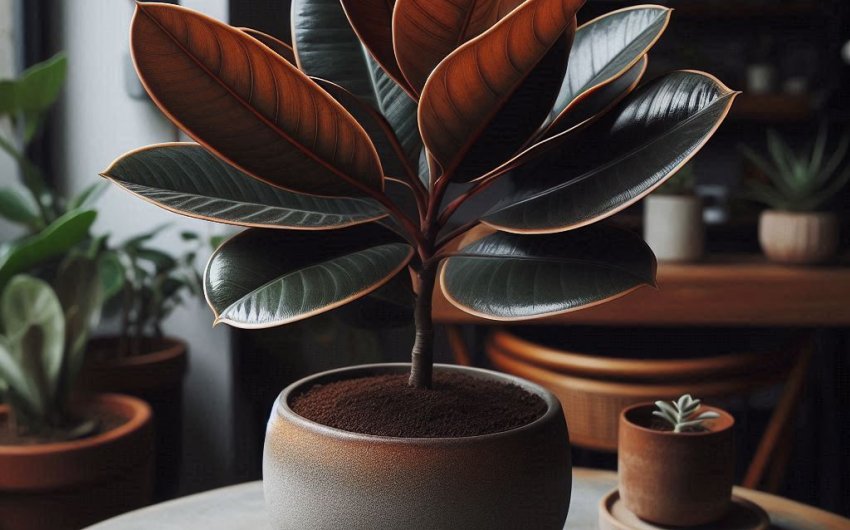
Hey there, plant enthusiasts! If you're a proud parent to a Ficus elastica, also known as a Rubber Plant, you know these beauties can bring so much life to your home. Their big, glossy leaves are just stunning. But what happens when those perfect leaves start developing brown edges? It can be a bit disheartening, right? Don't worry, you're not alone! Brown edges are a common issue with Rubber Plants, and they're usually a sign that your plant is trying to tell you something. Let's dig in and figure out what’s causing those crispy edges and how we can get your Ficus elastica back to looking its best.
Is My Rubber Plant Thirsty? (Underwatering)
One of the most frequent reasons for brown edges on Ficus elastica leaves is underwatering. Just like us, plants need a consistent supply of water to stay healthy. When your Rubber Plant doesn't get enough to drink, the edges of its leaves, which are the farthest points from the stem, are often the first to suffer as the plant tries to conserve moisture.
How Can I Tell if My Plant is Underwatered?
If your Ficus elastica is suffering from underwatering, look for these signs:
- Dry Soil: Stick your finger about two inches deep into the soil. If it feels completely dry and crumbly, your plant is definitely parched. You can also use a soil moisture meter for a more precise reading.
- Curling Leaves: Besides brown edges, the leaves might start to curl inwards or feel brittle.
- Drooping: The entire plant might look a bit droopy or sad, like it's wilting.
- Light Pot: The pot will feel much lighter than usual when you lift it.
How Do I Fix Underwatering?
Fixing underwatering is usually straightforward:
- Give a Good Soak: Water your Rubber Plant thoroughly. Water slowly from the top until you see water draining from the bottom of the pot. This makes sure the entire root ball gets hydrated.
- Consistent Watering: Establish a regular watering schedule. Don't just water on a set day of the week. Instead, water when the top two inches of soil feel dry to the touch. This could be every 7-10 days, depending on the season, light, and humidity in your home.
- Check Drainage: Always ensure your pot has proper drainage holes. This allows excess water to escape, preventing future problems. If your pot doesn't have holes, consider repotting into one that does.
Is My Rubber Plant Getting Too Much Water? (Overwatering)
It might sound strange, but overwatering can also lead to brown edges on your Ficus elastica leaves. This is because too much water can lead to root rot. When roots sit in waterlogged soil, they can't breathe or take up nutrients properly. Damaged roots mean the plant can't transport water effectively, leading to symptoms that can look similar to underwatering, but the cause is completely different.
How Can I Tell if My Plant is Overwatered?
Signs of overwatering can be tricky because they sometimes mimic underwatering, but here are the key differences:
- Soggy Soil: The soil will feel constantly wet or squishy, often remaining wet for days after watering. It might also develop a musty or sour smell.
- Yellowing Leaves: Often, overwatering leads to leaves turning yellow, especially the lower ones, before the edges turn brown.
- Mushy Stem: In severe cases of root rot, the base of the stem might feel soft and mushy.
- Brown Spots on Leaves: Besides just the edges, you might see dark brown or black spots developing on the leaf surface.
How Do I Fix Overwatering?
Overwatering is a more serious issue than underwatering, but it can be fixed if caught early:
- Stop Watering Immediately: Let the soil dry out significantly. Do not water again until the top few inches are completely dry.
- Improve Drainage: If your pot lacks adequate drainage holes, repot your Rubber Plant into a pot that has them. You can also add a layer of horticultural charcoal to the bottom of the pot or mix perlite into your soil to improve drainage.
- Check for Root Rot: Gently remove the plant from its pot and inspect the roots. Healthy roots are firm and light-colored (white or tan). Roots affected by root rot will be dark, soft, and mushy, and might smell foul.
- Prune Rotted Roots: If you find rotted roots, use clean, sharp scissors or pruners to cut away all affected parts. Make sure to sterilize your tools before and after.
- Repot with Fresh Soil: After trimming, repot your Ficus elastica in fresh, well-draining potting mix for Rubber Plant. Avoid using the old, waterlogged soil.
Is My Rubber Plant Getting Enough Humidity?
Ficus elastica plants, like many tropical houseplants, love humidity. They come from environments where the air is naturally moist. If the air in your home is too dry, especially during winter months when indoor heating is on, your plant's leaves can lose moisture faster than its roots can supply it. This leads to dry, brown edges.
How Can I Tell if the Humidity is Too Low?
- Crispy Edges: This is the most telling sign. The brown edges will often feel dry and crispy.
- Slow Growth: Your plant might not be growing as vigorously as it should be.
- Curling or Cracking Leaves: In very dry conditions, new leaves might struggle to unfurl or may even crack.
How Do I Fix Low Humidity?
- Humidifier: The most effective way to increase humidity for your Rubber Plant is to use a room humidifier placed near the plant. Aim for a humidity level of 50-70%.
- Pebble Tray: Place a tray filled with pebbles and a shallow layer of water beneath your plant's pot. Make sure the bottom of the pot does not sit in the water. As the water evaporates, it creates a more humid microclimate around the plant.
- Grouping Plants: Grouping your Ficus elastica with other plants can help. Plants release moisture through transpiration, creating a slightly more humid zone around them.
- Misting: While less effective than a humidifier, occasional misting with a fine mist sprayer can offer temporary relief. Mist in the morning so the leaves have time to dry.
Is My Rubber Plant Reacting to Tap Water Chemicals?
This is a common issue that often goes overlooked! Regular tap water in many areas contains chemicals like chlorine and fluoride. While these are harmless to humans in drinking water, they can build up in plant soil over time and become toxic to sensitive plants like the Ficus elastica, leading to brown tips and edges.
How Can I Tell if Tap Water is the Problem?
- Consistent Brown Edges: If you've ruled out watering and humidity issues, and you're always using tap water, this could be your culprit.
- Tips and Edges: The browning will often appear distinctly on the very tips and along the edges.
How Do I Fix Tap Water Issues?
- Filtered Water: The easiest solution is to use filtered water for your plant.
- Distilled Water: You can also use distilled water, which is purified and free of minerals and chemicals.
- Let Water Sit: If you can't filter your water, fill your watering can and let the tap water sit out for at least 24 hours. This allows much of the chlorine to evaporate. Note that this doesn't remove fluoride.
- Rainwater: If possible, collecting and using rainwater is an excellent, natural option for your plants.
Is My Rubber Plant Getting Too Much Sun?
While Ficus elastica plants love bright light, too much direct sunlight, especially harsh afternoon sun, can actually burn their leaves. This sunburn often manifests as brown patches or scorched edges.
How Can I Tell if My Plant is Getting Too Much Sun?
- Brown, Crispy Patches: Unlike just edges, you might see irregular brown, crispy spots on the leaf surface where the sun hits it hardest.
- Bleached Look: The green color of the leaves might look faded or bleached in overly bright spots.
- Location: If your plant is sitting directly in a window that gets intense, unfiltered sunlight for many hours a day, it's likely getting too much.
How Do I Fix Too Much Sun Exposure?
- Relocate: Move your Rubber Plant to a spot where it receives bright, indirect light. A good spot is near a south- or west-facing window, but slightly set back or behind a sheer curtain. East-facing windows also work well, providing softer morning light.
- Filtered Light: Use sheer curtains or window film to diffuse harsh sunlight if relocating isn't an option.
Is My Rubber Plant Experiencing Nutrient Issues?
Both under-fertilizing (nutrient deficiency) and over-fertilizing (fertilizer burn) can cause brown edges on your Ficus elastica. It's all about balance!
Under-fertilizing (Nutrient Deficiency)
If your plant isn't getting enough nutrients, it can't perform its basic functions well, leading to overall decline and eventually browning.
How Can I Tell if My Plant is Nutrient Deficient?
- Pale or Yellowing: The overall color of the leaves might be paler than usual or show general yellowing, not just on the edges.
- Stunted Growth: Very slow or no new growth is a common sign.
- Weak Plant: The plant might generally look less vigorous and healthy.
How Do I Fix Nutrient Deficiency?
- Fertilize During Growing Season: Only fertilize your Rubber Plant during its active growing season (spring and summer).
- Balanced Fertilizer: Use a balanced liquid houseplant fertilizer or one specifically formulated for Ficus plants.
- Dilute: Always dilute the fertilizer to half or even quarter strength. It's safer to under-fertilize than over-fertilize.
Over-fertilizing (Fertilizer Burn)
Too much fertilizer can be very damaging. It causes a buildup of salts in the soil, which can essentially "burn" the roots and prevent them from taking up water. This leads to brown tips and edges, and sometimes even yellowing or blackening of leaves.
How Can I Tell if My Plant is Over-fertilized?
- Crispy Brown Tips and Edges: The browning will often be sharp and distinct, as if the leaves have been burned.
- White Crust on Soil: You might see a white, crusty buildup on the surface of the soil or around the drainage holes, which are mineral salts from the fertilizer.
- Wilting Even When Watered: The plant might look thirsty even if the soil is moist, because the roots are damaged.
How Do I Fix Over-fertilizing?
- Flush the Soil: Take your plant to a sink or bathtub and slowly pour a large amount of clean, room-temperature water through the soil. Use at least 4-5 times the volume of the pot in water. This helps to leach out excess salts.
- Reduce or Stop Fertilizing: Do not fertilize your plant for at least a month, or until you see signs of recovery. When you resume, use a much weaker solution.
- Repot if Severe: If the damage is severe, you might need to repot your Rubber Plant in fresh, clean soil to remove all the accumulated salts.
Is My Rubber Plant Dealing with Pests or Diseases?
While less common for the sole symptom of brown edges, persistent pest infestations or certain diseases can weaken your Ficus elastica, leading to a decline in health that includes browning leaves.
What Pests Should I Look For?
- Spider Mites: These tiny pests suck sap from leaves, causing tiny yellow or brown dots (stippling) and eventually browning, especially on the undersides of leaves. You might see fine webbing.
- Mealybugs: These look like small, white, cottony masses in leaf crevices or on stems. They also suck sap.
- Scale: Small, hard, brown or black bumps on stems and leaves. They also feed on plant sap.
How Do I Check for Pests?
Regularly inspect your Rubber Plant, paying close attention to the undersides of leaves and where leaves meet stems. A magnifying glass can be very helpful.
How Do I Deal with Pests?
- Isolate: If you find pests, immediately move your plant away from other houseplants to prevent spread.
- Wipe Away: For minor infestations, wipe pests off with a cotton swab dipped in rubbing alcohol or wash them off with a gentle stream of water.
- Insecticidal Soap: For more severe issues, use an insecticidal soap designed for houseplants. Follow directions carefully.
- Neem Oil: Neem oil is a natural option that can deter many pests.
What Diseases Can Affect My Plant?
The main disease concern that can cause widespread leaf issues, including browning, is root rot, as mentioned under overwatering. This is usually a result of poor watering practices and lack of drainage.
How Do I Deal with Diseases?
- Prevention is Key: Proper watering, good drainage, and adequate air circulation are your best defenses against most plant diseases.
- Fungicides: In rare, severe cases of fungal disease not related to root rot, a fungicide might be considered, but it's crucial to correctly identify the issue first.
By systematically going through these common causes, you'll be able to pinpoint why your Ficus elastica has brown edges and take the right steps to help it recover. Your Rubber Plant is resilient, and with a little care and attention, those brown edges will be a thing of the past!