
Can I grow a Ficus benjamina in low light?
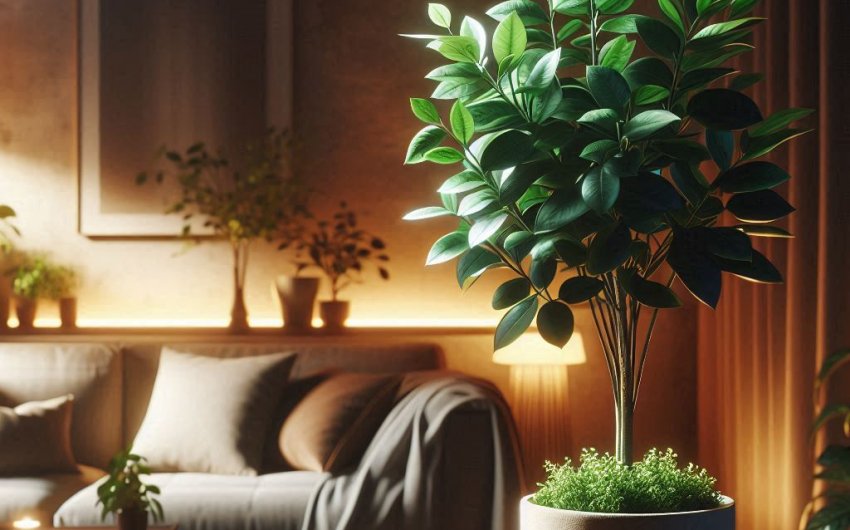
Many people dream of having a beautiful Ficus benjamina, also known as a weeping fig, in their home. These popular houseplants are known for their graceful, arching branches and glossy, oval leaves. They add a touch of nature and elegance to any room. But what if your home doesn't get a lot of bright light? Can a Ficus benjamina still thrive in a low-light environment? This is a question many plant lovers ask. Let's explore the answer in detail.
What Does "Low Light" Really Mean for Plants?
Before we dive into the needs of the Ficus benjamina, it's important to understand what low light truly means for plants. When we talk about light conditions for houseplants, we're not just talking about whether a room feels bright to you. Plants use light for a process called photosynthesis. This is how they make their food. Different plants need different amounts of light to do this effectively.
What is the Difference Between Bright, Medium, and Low Light?
- Bright Light: This means a spot that gets direct sunlight for several hours a day, like a south-facing window. Think of a sunny patio or a room flooded with sunshine. Plants that need bright light often come from sunny, open environments.
- Medium Light: This is a spot that gets bright, indirect light. It might be near an east or west-facing window, or a few feet away from a south-facing window. The light is strong but not direct. Many common houseplants do well in medium light.
- Low Light: This is a spot that is farther away from a window, or in a room with only small windows. There's enough light to read, but it's not very bright. A north-facing window might provide low light. Plants that tolerate low light are often from the understory of forests where sunlight is filtered.
For a Ficus benjamina, anything less than medium light starts to fall into the low light category. They are not naturally low-light plants.
Can a Ficus Benjamina Survive in Low Light?
The short answer is: a Ficus benjamina can survive in low light, but it will not thrive. There's a big difference between surviving and thriving. Think of it like a person who can live on a diet of only bread and water. They might survive, but they won't be healthy or energetic.
What Happens to a Ficus Benjamina in Low Light?
When a Ficus benjamina is placed in a low-light situation, several things start to happen:
- Slower Growth: The plant will grow much, much slower. It won't produce many new leaves. New leaves that do appear will be small.
- Leggy Growth: The stems might become long and thin, with leaves spaced far apart. This is the plant stretching to find more light. This is called etiolation.
- Leaf Drop: This is a very common problem with Ficus benjamina. They are famous for dropping leaves when stressed, and low light is a major stressor. You might see yellowing leaves before they fall off.
- Dull Leaf Color: The beautiful, glossy green leaves can become dull and lose their vibrancy. Variegated varieties (those with mixed colors) might lose their lighter markings and revert to all green.
- Increased Pest Problems: A stressed plant is more vulnerable to pests like spider mites or mealybugs. Its natural defenses are weaker.
- Watering Issues: In low light, the plant uses much less water. This means the soil stays wet for longer, increasing the risk of root rot.
So, while it might not die immediately, a Ficus benjamina in low light will look sad and unhealthy over time.
What Does a Ficus Benjamina Need to Thrive?
To truly thrive, a Ficus benjamina needs bright, indirect light. This means a spot where it gets plenty of light but not harsh, direct sun all day. A good example is a few feet away from a south or west-facing window, or near an east-facing window.
Ideal Light Conditions for a Ficus Benjamina
- Brightness: The brighter, the better, as long as it's not direct, scorching sun.
- Duration: They prefer many hours of bright light each day.
- Consistency: Try to keep the light consistent. Moving them around a lot can cause stress.
Think about their natural habitat. Ficus benjamina trees grow in tropical and subtropical regions. They are used to lots of bright, but often filtered, sunlight. They are not understory plants that naturally live in deep shade.
What are the Consequences of Keeping a Ficus in Low Light Long-Term?
Keeping a Ficus benjamina in low light for an extended period will eventually lead to its decline. It's a slow process, but the plant will weaken.
Health Issues from Lack of Light
- Weakened Immune System: Just like humans, plants have an immune system. When they are constantly stressed by low light, their ability to fight off diseases and pests is reduced.
- Nutrient Deficiencies: Without enough light, the plant can't properly use the nutrients in the soil. It might develop deficiencies even if you are fertilizing it.
- Stunted Growth: The plant will never reach its full potential size or beauty. It will remain small and sparse.
- Eventual Decline: Ultimately, if the light conditions are not improved, the Ficus benjamina will eventually die. It might take months or even a year, but it's a slow death by starvation.
It's better to understand the plant's needs upfront rather than trying to force it into an unsuitable environment.
Are There Any Tricks to Help a Ficus Benjamina in Low Light?
If you absolutely must place your Ficus benjamina in a spot with less than ideal light, there are a few things you can do to help it. These are not solutions for long-term health, but they can extend its life and improve its condition temporarily.
Supplementary Lighting
The best way to compensate for low natural light is to provide artificial light.
- Grow Lights: A grow light is specifically designed to provide the right kind of light for plants. There are many types, from small clip-on lights for a single plant to larger panel lights for multiple plants. You can find a good LED grow light that will help. Place it a few inches above the plant and leave it on for 10-12 hours a day.
- Fluorescent Lights: Regular fluorescent lights can also provide some benefit, especially the "cool white" or "daylight" types. They are not as effective as dedicated grow lights, but they are better than nothing. You could use a fluorescent shop light for this purpose.
Even just adding a few hours of supplementary light can make a big difference.
Watering Adjustments
Since the plant will be using less water in low light, it's crucial to adjust your watering schedule.
- Water Less Frequently: Allow the top few inches of soil to dry out completely before watering again. Stick your finger into the soil to check.
- Avoid Overwatering: Overwatering is a common killer of Ficus benjamina, especially in low light. The roots need oxygen, and constantly wet soil suffocates them, leading to root rot. Ensure your pot has good drainage holes.
Consider using a moisture meter to help you decide when to water. A reliable plant moisture meter can be a valuable tool.
Fertilization
In low light, the plant's growth will be slow, and it will need less fertilizer.
- Reduce Frequency and Strength: Fertilize much less often than recommended, or dilute your fertilizer to half strength. During the dormant winter months, you might not need to fertilize at all.
- Too Much Fertilizer: Too much fertilizer can burn the roots and harm a plant that is already stressed by low light. Look for a balanced houseplant fertilizer for general use.
Always remember that less is more when it comes to fertilizing a stressed plant.
Humidity
Ficus benjamina prefers high humidity. In low light, air circulation might be reduced, and the plant might benefit from some extra moisture in the air.
- Pebble Tray: Place the pot on a tray filled with pebbles and water. Make sure the bottom of the pot is not sitting directly in the water. The evaporating water will increase humidity around the plant.
- Humidifier: For larger or multiple plants, a room humidifier can be very beneficial. A small room humidifier can make a difference in dry indoor environments.
- Misting: While misting briefly increases humidity, the effect is temporary. It's not a long-term solution but can provide some relief.
Maintaining good humidity can help keep the leaves healthy and reduce leaf drop.
Are There Better Low-Light Alternatives to Ficus Benjamina?
If your home truly has low light, it might be better to choose a plant that is naturally suited for those conditions. Trying to force a Ficus benjamina into a low-light spot can lead to disappointment and a struggling plant.
Excellent Low-Light Houseplants
Many other beautiful houseplants can thrive in low light:
- ZZ Plant (Zamioculcas zamiifolia): These plants are incredibly tough and can handle very low light. They have thick, waxy leaves and are very forgiving. A ZZ plant is a great choice for beginners or those with dim rooms.
- Snake Plant (Sansevieria trifasciata): Also known as Mother-in-Law's Tongue, snake plants are super resilient. They come in various shapes and sizes and tolerate a wide range of conditions, including low light. You can find many varieties of snake plants to suit your style.
- Pothos (Epipremnum aureum): Pothos are trailing plants with heart-shaped leaves. They are very adaptable and can grow in low light, though they will be lusher in brighter conditions. There are many different types of pothos plants to choose from.
- Peace Lily (Spathiphyllum): These elegant plants produce white, flag-like flowers and are known for their ability to thrive in low light. They are also good at purifying the air. A beautiful peace lily can add a touch of grace to a dim corner.
- Cast Iron Plant (Aspidistra elatior): As its name suggests, this plant is incredibly tough and can tolerate very low light and neglect. It's a slow grower but very reliable.
- Prayer Plant (Maranta leuconeura): These plants have striking leaf patterns and move their leaves up at night, like hands in prayer. They prefer medium to low light and high humidity.
Choosing the right plant for the right spot is key to successful houseplant care. It's much more rewarding to have a plant that is happy and healthy in its environment.
What are the Signs of a Ficus Benjamina Suffering from Low Light?
Being able to recognize the signs of low-light stress in your Ficus benjamina can help you take action before it's too late.
Common Symptoms
- Excessive Leaf Drop: While some leaf drop is normal, especially when moving the plant, constant heavy leaf drop is a strong sign of stress, often due to low light. The leaves might turn yellow before falling.
- Small, Pale New Growth: If new leaves are very small and pale green, almost white, it means the plant isn't getting enough energy to produce healthy growth.
- Long Gaps Between Leaves (Leggy Growth): As mentioned before, the stems become stretched and bare as the plant tries to reach for light.
- Loss of Variegation: If your Ficus benjamina has variegated leaves (green and white, or green and yellow), the lighter parts may disappear, and the leaves will become entirely green. This is because the green parts contain more chlorophyll, which helps the plant absorb more light.
- Overall Dull Appearance: The plant just won't look vibrant or healthy. It might seem droopy or lifeless.
- Failure to Thrive/Grow: If your Ficus benjamina hasn't grown at all for a long time, and you're providing proper water and nutrients, low light is likely the culprit.
If you observe these signs, it's time to reassess the light conditions for your Ficus benjamina.
How Can I Improve Light for My Ficus Benjamina?
If you really want a Ficus benjamina but your room is dim, consider these strategies to improve the light rather than just hoping it will adapt.
Strategic Placement
- Move Closer to a Window: Even a few feet can make a big difference in light intensity.
- Consider a Different Room: If one room is consistently too dark, perhaps another room in your home gets better light.
- Reflective Surfaces: White walls, mirrors, or even reflective plant mats placed behind the plant can bounce available light back towards it.
Regular Cleaning
- Dust Leaves: Dust can block light from reaching the leaves, hindering photosynthesis. Gently wipe down the leaves regularly with a damp cloth. A soft microfiber cloth works well for this.
- Clean Windows: Dirty windows can block a surprising amount of light. Keep your windows clean, especially those near your plants.
Rotation
- Rotate Your Plant: Regularly turning your plant a quarter turn helps ensure all sides get some exposure to the light. This prevents it from growing only towards the window and becoming lopsided.
Remember, consistent effort in providing better light is the most important factor for a healthy Ficus benjamina. While some plants are incredibly adaptable, the Ficus benjamina is not one that truly excels in low-light conditions. Giving it the light it needs will lead to a much happier, healthier, and more beautiful plant.