
How do I train my Monstera deliciosa to climb?
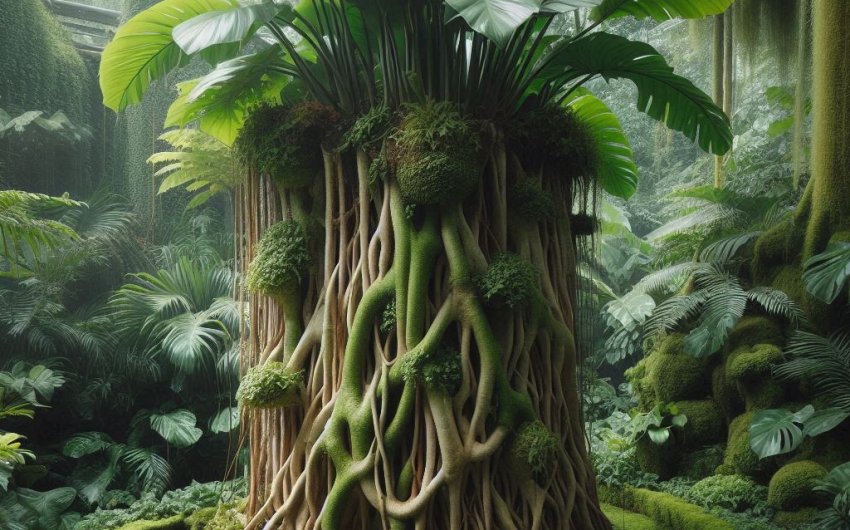
You’ve got a beautiful Monstera deliciosa, right? Those big, green leaves with all those cool holes – they’re amazing! But maybe your plant is starting to sprawl out, taking up too much space. Or perhaps you just want it to look more like it does in the wild, reaching for the sky. The good news is, you can definitely train your Monstera to climb! It’s not hard, and your plant will thank you for it.
Monsteras are natural climbers. In their native jungles, they grow up trees, using their aerial roots to cling on. When you help your Monstera climb, you’re not just making it look good; you’re also helping it grow bigger and healthier. Climbing encourages larger leaves and those famous fenestrations (the holes and splits) that we all love.
Why Should I Train My Monstera to Climb?
There are a few great reasons to get your Monstera climbing. It’s not just about aesthetics!
Does Climbing Make Monstera Leaves Bigger?
Yes, it absolutely can! When a Monstera climbs, it gets more light, and its leaves tend to grow much larger. In the wild, as the plant climbs higher, it seeks out more light. This natural instinct carries over to your home. Giving your plant something to climb up mimics its natural environment, telling it, "It's time to grow big!" You'll notice a significant difference in leaf size compared to a Monstera that's allowed to just sprawl sideways.
Does Training Promote Fenestrations on Monstera?
This is a big one for many Monstera lovers! Those beautiful, deep splits and holes in the leaves are called fenestrations. While good light and proper care are crucial, helping your Monstera climb can definitely encourage more and better fenestrations. It’s thought that as the plant matures and feels more secure climbing, it dedicates more energy to producing these characteristic features. It’s like the plant knows it’s living its best life when it’s climbing.
How Does Climbing Help Aerial Roots?
Aerial roots are those brown, rope-like roots that grow out of your Monstera’s stem. In nature, these roots are super important for anchoring the plant to trees and absorbing moisture and nutrients from the air. When you provide a climbing structure, your Monstera’s aerial roots will instinctively try to attach to it. This provides extra stability and allows the plant to take in more of what it needs to thrive. Don't cut these roots off! They're vital for a healthy, climbing Monstera.
Why is Vertical Growth Better Than Sprawling?
A Monstera that sprawls can take up a lot of horizontal space. If you have a smaller home, this can quickly become a problem. Training your Monstera to grow vertically means it takes up less floor space while still allowing it to grow big and beautiful. It’s a win-win for both your plant and your living area. Plus, a climbing Monstera just looks more impressive and architectural in a room.
What Climbing Structures Can I Use for My Monstera?
There are several options for supporting your Monstera. The best choice depends on your plant’s size, your budget, and what you think looks best.
What is a Moss Pole?
A moss pole is probably the most popular choice for training Monsteras. It's essentially a pole wrapped in sphagnum moss or coconut coir (coco coir). The moss provides a surface for the aerial roots to cling to and can even be kept damp, offering extra humidity and nutrients to the roots. You can find moss poles ready-made on Amazon, such as the Fouuir 2 Pcs Moss Pole or a GrowCoir Moss Pole. They come in different heights, so pick one that's a good starting size for your plant.
Can I Use a Trellis for My Monstera?
Yes, a trellis is another great option, especially for Monsteras that might be a bit more bushy or have multiple stems. A trellis gives the plant more surface area to spread out on while still growing upwards. They come in various materials, like wood, bamboo, or metal. A Bamboo Plant Trellis can offer a natural look, or you might prefer a metal garden trellis for more durability.
What About Stakes or Other Supports?
For younger or smaller Monsteras, a simple plant stake can work initially. This is usually just a thin piece of bamboo or wood that you push into the soil. You’ll need to gently tie the stem to the stake as it grows. However, as your Monstera gets bigger, it will quickly outgrow a single stake. It won't offer the aerial roots a chance to attach and climb naturally. For more mature plants, you'll definitely want to upgrade to a moss pole or trellis.
Can I Make My Own Moss Pole?
Absolutely! Making your own moss pole can be a fun DIY project and often more cost-effective. You'll need a sturdy PVC pipe or wooden dowel, some sphagnum moss, and some strong fishing line or garden twine. You simply wrap the moss tightly around the pole and secure it. This way, you can customize the height and thickness to perfectly fit your plant.
How Do I Attach My Monstera to a Climbing Structure?
Once you have your climbing structure, it’s time to help your Monstera get established. It’s a gentle process, but consistency is key.
How Do I Insert the Support into the Pot?
First, gently push your chosen support – whether it's a moss pole or a trellis – into the soil. Try to place it as close to the main stem of your Monstera as possible without damaging the roots. If your plant is already very large, you might need to carefully repot it to properly position the pole. Make sure the pole is firmly in the soil so it doesn't wobble as your plant grows.
What Tools Do I Need to Attach Stems?
You'll need something soft but strong to tie your Monstera’s stem to the support. Avoid anything sharp or too thin that could cut into the stem. Good options include:
- Velcro plant ties: These are super easy to use, adjustable, and reusable. Check out some reusable plant ties on Amazon.
- Soft garden twine: Natural jute twine or cotton twine works well. Just make sure it’s not too rough. A roll of garden twine is always handy.
- Plant clips: These small clips gently hold the stem to the support. They are great for quick adjustments. Look for plant support clips designed for vines.
How Do I Secure the Stems to the Pole?
Start with the lowest part of the main stem that you want to climb. Gently guide the stem towards the pole. Using your chosen tie, loosely secure the stem to the pole. The key here is "loosely." You don’t want to constrict the stem, as it will grow thicker over time. Leave enough room for growth.
Work your way up the main stem, securing it every 6-12 inches, or wherever it naturally touches the pole. You might have multiple main stems; treat each one similarly. The goal is to encourage the plant to grow upwards along the support.
What Do I Do About Aerial Roots?
This is where the magic happens! As your Monstera grows, its aerial roots will start to emerge. Gently guide these roots towards the moss pole or trellis. Many of them will naturally cling to the rough surface. If they don't, you can lightly mist the pole to encourage the roots to seek out moisture and attach. For moss poles, keeping the moss damp will make the roots much more likely to grab on. You can spray the moss daily with a plant mister.
Resist the urge to cut off the aerial roots. They are crucial for a climbing Monstera, providing stability and absorbing nutrients. They will eventually burrow into the moss pole.
What is the Best Way to Encourage My Monstera to Climb?
It's not just about attaching the plant; it's also about providing the right environment for climbing success.
How Does Light Affect Monstera Climbing?
Light is super important. Monsteras naturally climb towards light in the jungle canopy. In your home, place your climbing Monstera in a spot with bright, indirect light. If it doesn't get enough light, it will struggle to climb, its leaves won't grow large, and it won't produce those awesome fenestrations. Think about a spot near a window that gets plenty of light but isn't blasted by direct, harsh sun for hours. Direct sun can burn the leaves.
How Does Humidity Help Monstera Climb?
High humidity mimics the Monstera’s natural jungle environment. When the air is humid, the aerial roots are more likely to seek out and attach to the moss pole, as they can absorb moisture from it. If your home is very dry, consider using a humidifier near your plant. A small plant humidifier can make a big difference. Misting the moss pole regularly also helps.
When Should I Repot My Monstera for Climbing?
When you first get your climbing support, it’s a good idea to assess if your plant needs a repotting. If it’s root-bound (roots circling the bottom of the pot) or hasn't been repotted in a few years, now is the perfect time. Choose a pot that’s only slightly larger than the old one – an inch or two wider in diameter. Use a well-draining potting mix designed for aroids. A good Aroid potting mix will provide the perfect balance of drainage and moisture retention.
When repotting, you can place the moss pole directly into the new pot with the plant, ensuring it's stable from the start.
Should I Water the Moss Pole?
Yes, absolutely! For a moss pole, keeping the moss damp is key. This encourages the aerial roots to grow into the moss, providing extra support and a source of moisture and nutrients. You can mist the pole with a spray bottle daily, or you can slowly pour water over the top of the pole when you water your plant. This allows water to slowly soak down through the moss. Just make sure the excess water drains out of the pot.
How Do I Prune My Monstera for Climbing?
Pruning your Monstera can help direct its energy upwards. If you have vines growing wildly off to the side, you can prune them back to encourage the plant to focus on its main stems and climb. Always use clean, sharp pruning shears, like Fiskars pruning snips, to make clean cuts and avoid damaging the plant. You can also prune off any yellowing or damaged leaves. Don't go crazy with pruning; a little goes a long way.
What Are Common Challenges When Training a Monstera to Climb?
Even with the best intentions, you might run into a few snags. Don't worry, they're usually easy to fix!
My Monstera Isn't Attaching to the Pole. What's Wrong?
If your aerial roots aren't attaching, the most common reasons are:
- Too dry: The moss pole isn't damp enough. Mist it more often or pour water down it.
- Not enough humidity: The air in your home is too dry for the roots to seek out the pole. Increase humidity with a humidifier.
- No direct contact: The roots aren't actually touching the pole. Gently guide them to make contact.
- Young plant: Younger Monsteras might take a bit longer to develop strong aerial roots. Be patient!
My Plant is Still Sprawling Despite the Pole. What Can I Do?
This often happens if you haven't tied enough of the main stems to the pole. Go back and identify all the primary growth points. Gently secure each main stem upwards. Sometimes, a plant will have multiple "leaders" or stems. You might need multiple ties along each stem. Also, ensure your plant is getting enough light; a lack of light can make it grow leggy and seek light horizontally.
My Pole is Too Short! What Now?
Congratulations, your Monstera is growing! If your moss pole is too short, you have a few options:
- Extend it: Some moss poles are designed to be extendable. You can often stack another moss pole on top of the existing one. Check if your expandable moss pole is stackable.
- Replace it: If your current pole isn't extendable, you'll need to carefully remove it and insert a taller one. This can be a bit tricky, especially if the aerial roots have already grown into the old pole. You might have to sacrifice some roots, but the plant will recover.
- Start a new plant: You can prune the top part of the plant that has grown beyond the pole and propagate it to start a new, smaller climbing Monstera.
My Leaves Are Not Getting Bigger After Training. Why?
Training to climb helps, but it’s not the only factor. If your leaves aren’t getting bigger, check these things:
- Light: Is it getting enough bright, indirect light? This is probably the number one reason for small leaves.
- Nutrients: Are you fertilizing regularly during the growing season? Monsteras are heavy feeders. Use a balanced liquid fertilizer like Liqui-Dirt Nano Plant Food or Houseplant Fertilizer by Joyful Dirt every 2-4 weeks during spring and summer.
- Water: Is it getting enough water when it needs it? Don't let it dry out completely for too long.
- Root bound: Could your plant need a bigger pot?
- Maturity: Younger plants won’t have huge leaves right away. Give it time!
Training your Monstera to climb is a rewarding journey. It might take a little patience and consistent care, but seeing your plant thrive and grow into a majestic, vertical statement piece is totally worth it. Happy climbing!