
Why is my Monstera adansonii getting yellow leaves?
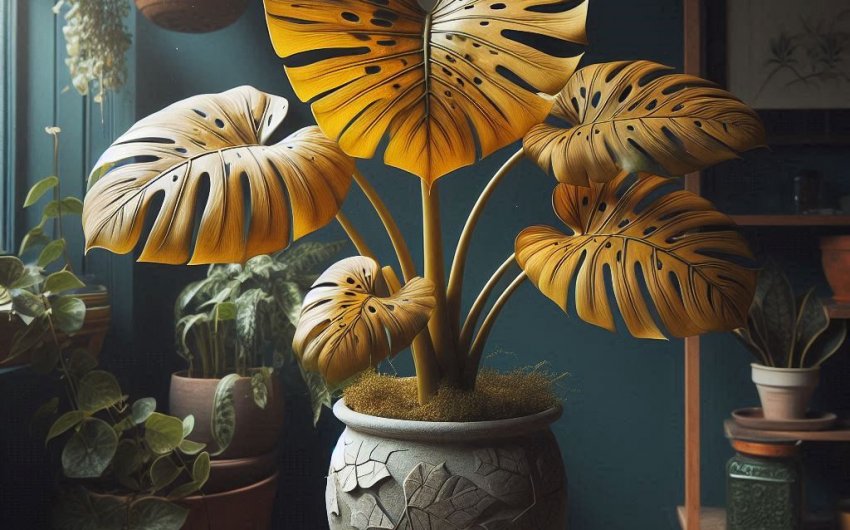
You’ve got a beautiful Monstera adansonii, sometimes called a Swiss cheese plant because of those cool holes in its leaves. It’s a super popular houseplant, and for good reason – it’s charming and relatively easy to care for. But then you notice it: some of its lovely green leaves are turning yellow. It can be a bit scary to see, making you wonder what went wrong. Don't worry! Yellow leaves are a common issue with many houseplants, and usually, it's a sign that your plant needs a small change in its environment or care routine. Let's dig into the main reasons your Monstera adansonii might be getting yellow leaves and how you can help it get back to its vibrant green self.
Why Are My Monstera Adansonii Leaves Turning Yellow?
Yellow leaves on a Monstera adansonii are like your plant’s way of saying, “Hey, something isn’t quite right here!” There are several common culprits, and often it comes down to a few key areas of plant care.
Is It Due to Overwatering?
This is, by far, the most common reason for yellow leaves on a Monstera adansonii. Monsteras don't like sitting in soggy soil. If the roots are constantly wet, they can't breathe. This leads to root rot, which means the roots start to decay. When the roots are damaged, they can’t send water and nutrients up to the leaves, and the leaves turn yellow, then mushy, and eventually fall off.
How to tell if it's overwatering:
- The soil feels wet even several days after watering.
- The yellowing often starts on lower, older leaves.
- The yellow leaves might feel soft or mushy.
- The plant might look generally droopy or unhealthy.
Could It Be Underwatering?
While overwatering is more common, underwatering can also cause yellow leaves. If your Monstera adansonii doesn't get enough water, its leaves will start to dry out and eventually turn yellow or crispy. The plant is trying to conserve moisture, so it will shed older leaves to keep the newer ones alive.
How to tell if it's underwatering:
- The soil is bone dry.
- The yellow leaves might look dry and crispy.
- The yellowing can happen on any leaf, not just the lower ones.
- The plant might look limp or wilted, and the leaves might curl inward.
What About Not Enough Light?
Monstera adansonii plants love bright, indirect light. If your plant isn't getting enough light, it can't perform photosynthesis (the process of turning light into energy) effectively. When it's not getting enough energy, it might start shedding older leaves to focus its energy on new growth that has a better chance of reaching light.
How to tell if it's not enough light:
- The yellowing usually happens on older, lower leaves.
- New growth might be very small, leggy (stretched out), or less vibrant green.
- The plant might be placed far from a window or in a very dim room.
Can Too Much Direct Sun Cause Yellowing?
Even though Monsteras like bright light, they don't like direct, harsh sunlight, especially in the afternoon. Think about where they grow in the jungle – under the canopy of trees, where the light is filtered. Direct sun can actually "burn" the leaves, causing them to turn yellow, scorch, or develop brown crispy spots.
How to tell if it's too much direct sun:
- Yellow or bleached spots appear directly on the leaves that are hit by the sun.
- The leaves might look crispy or develop brown patches.
- The plant is placed right in a sunny window without any filtering.
Is It a Nutrient Deficiency?
Just like us, plants need food! If your Monstera adansonii isn't getting enough of certain nutrients from the soil, its leaves can turn yellow. This is less common if you use good potting mix and fertilize regularly, but it can happen over time, especially if the plant has been in the same pot for a long time without fresh soil or food.
How to tell if it's a nutrient deficiency:
- Nitrogen deficiency: Older leaves turn uniformly yellow, often starting from the tips.
- Magnesium deficiency: Yellowing starts between the veins, leaving the veins green.
- Iron deficiency: Newer leaves turn yellow, but the veins stay green.
You might need a good houseplant fertilizer to address this.
What About Temperature Changes?
Monsteras are tropical plants, and they don't like sudden big changes in temperature. If your plant is exposed to cold drafts (like near a leaky window in winter) or sudden drops in temperature, it can stress the plant, causing leaves to yellow and drop. They prefer consistent warm temperatures, typically between 65-80°F (18-27°C).
How to tell if it's temperature stress:
- Yellowing often appears suddenly after a cold snap or moving the plant.
- Leaves might also look wilted or have brown edges.
- The plant is near an air vent, open window, or outside door.
Could It Be Pests?
Tiny invaders can also cause your Monstera adansonii to suffer, leading to yellow leaves. Pests like spider mites, aphids, or mealybugs suck the sap out of the plant's leaves, weakening them and causing them to discolor and eventually yellow.
How to tell if it's pests:
- Look closely at the top and bottom of the leaves, and along the stems.
- You might see tiny webs (spider mites), sticky residue (honeydew from aphids/mealybugs), or tiny bugs themselves.
- The yellowing might be speckled or patchy.
- Consider a neem oil spray if you spot pests.
Is It a Normal Part of Aging?
Sometimes, yellow leaves are just a normal part of a plant's life cycle. As your Monstera adansonii grows, it will naturally shed some of its oldest, lowest leaves. These leaves will yellow and eventually fall off. If it's just one or two old leaves turning yellow, and the rest of the plant looks healthy and is putting out new growth, there's probably nothing to worry about.
How to tell if it's normal aging:
- Only the very oldest, lowest leaves are turning yellow.
- The rest of the plant is vibrant, healthy, and producing new growth.
- The yellowing happens slowly, not suddenly.
How Can I Fix Yellow Leaves on My Monstera Adansonii?
Now that we know the possible reasons, let's talk about solutions. The key is to identify the problem and then make the right adjustments.
How Do I Water My Monstera Adansonii Correctly?
This is crucial! The goal is to water thoroughly but only when the plant needs it.
- Check the soil: Stick your finger about 2-3 inches into the soil. If it feels dry, it's time to water. If it still feels damp, wait a few more days. You can also use a soil moisture meter for accuracy.
- Water thoroughly: When you do water, pour water slowly until it starts to drain out of the bottom of the pot. This ensures all the roots get a drink.
- Drainage is key: Make sure your pot has drainage holes! Never let your Monstera adansonii sit in standing water. If your decorative pot doesn't have holes, place a nursery pot (with holes) inside it and remove the inner pot to drain excess water.
- Adjust for seasons: Your plant will need less water in winter when it's growing slower, and more in summer when it's active.
Where Should I Place My Monstera Adansonii for Best Light?
Find a spot that offers bright, indirect light.
- Avoid direct sun: Don't put it in a window where direct sun beams down on it for hours, especially harsh afternoon sun.
- Good spots: An east-facing window is often perfect. A few feet back from a south or west-facing window works well, or use sheer curtains to filter the light.
- Supplement with grow lights: If your home is naturally dim, consider a grow light for houseplants to give your plant the light it craves.
What Kind of Soil is Best for Monstera Adansonii?
The right potting mix is essential for preventing both overwatering and underwatering issues. Monsteras need a well-draining soil mix that also retains some moisture.
- Aroid mix: The best option is a specialized aroid mix, which typically includes bark, perlite, and sphagnum moss. You can buy a pre-made aroid potting mix or make your own.
- DIY mix: A good basic mix is two parts regular potting soil, one part perlite, and one part orchid bark. This blend ensures good airflow to the roots.
When Should I Fertilize My Monstera Adansonii?
Fertilizing is important during the growing season (spring and summer) when your plant is actively producing new leaves.
- Frequency: Fertilize every 2-4 weeks during spring and summer. Reduce or stop fertilizing in fall and winter when growth slows down.
- Type of fertilizer: Use a balanced liquid houseplant fertilizer, like Joyful Dirt Organic Houseplant Fertilizer. Always dilute it to half strength to avoid fertilizer burn, which can also cause yellow leaves.
- Don't over-fertilize: More isn't better! Too much fertilizer can build up in the soil, damaging roots and leading to yellowing.
How Can I Improve Humidity for My Monstera Adansonii?
Monsteras love humidity, and low humidity can sometimes contribute to stress and yellowing, especially at the leaf tips.
- Humidifier: The best way to increase humidity is to use a room humidifier near your plant.
- Pebble tray: Place your plant pot on a tray filled with pebbles and water (make sure the bottom of the pot isn't sitting in the water). As the water evaporates, it creates humidity around the plant.
- Group plants: Grouping plants together can create a mini-microclimate of higher humidity.
- Avoid misting leaves: Misting leaves doesn't actually increase humidity for long and can lead to fungal issues. Mist the air around the plant or a moss pole if you have one.
What Should I Do if I See Pests on My Monstera Adansonii?
Act quickly if you spot pests!
- Isolate the plant: Move the affected plant away from your other plants to prevent the pests from spreading.
- Wipe down leaves: Use a damp cloth or cotton swab dipped in rubbing alcohol to gently wipe off visible pests.
- Insecticidal soap or neem oil: For more stubborn infestations, use an insecticidal soap for plants or a neem oil spray. Follow the product instructions carefully and apply regularly until the pests are gone.
- Check regularly: Keep an eye on your plant even after treatment to ensure the pests don't return.
When Should I Prune Yellow Leaves?
Once a leaf has turned entirely yellow, it won't magically turn green again. It's best to remove it.
- Energy conservation: Removing yellow leaves allows the plant to focus its energy on healthy growth.
- Pest and disease prevention: Dead or dying leaves can attract pests or become a breeding ground for fungal issues.
- How to prune: Use clean, sharp scissors or pruning shears to snip the yellow leaf stem as close to the main stem as possible.
Should I Repot My Monstera Adansonii if Leaves are Yellow?
Repotting can sometimes solve yellow leaf issues, especially if the plant is root-bound (its roots are too crowded in the pot) or if the potting mix is old and compacted.
- Check roots: Gently slide the plant out of its pot. If you see a dense mass of roots circling the bottom and sides, it's root-bound.
- Fresh soil: Old soil can lose its nutrients and become compacted, leading to poor drainage and aeration.
- Size up gradually: When repotting, choose a pot that is only 1-2 inches larger in diameter than the current one. Too large a pot holds too much moisture, increasing the risk of overwatering. Use fresh, well-draining aroid mix.
- Don't repot unnecessarily: Repotting can stress a plant, so only do it if truly needed.
By carefully observing your plant and understanding these common causes, you can likely pinpoint why your Monstera adansonii is getting yellow leaves and bring it back to its lush, green glory!